

The petrol station that has a family of white rhinos in South Africa


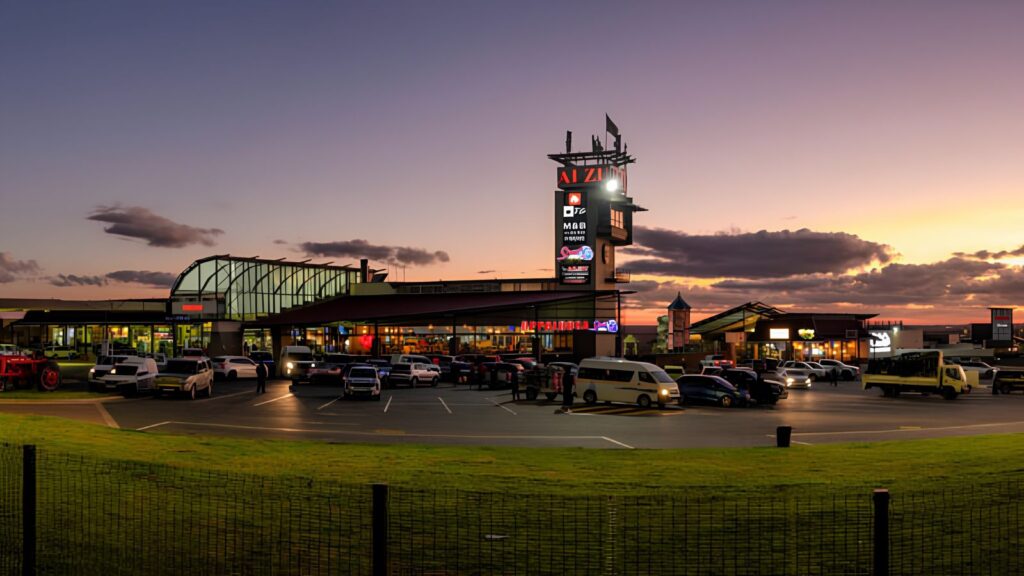
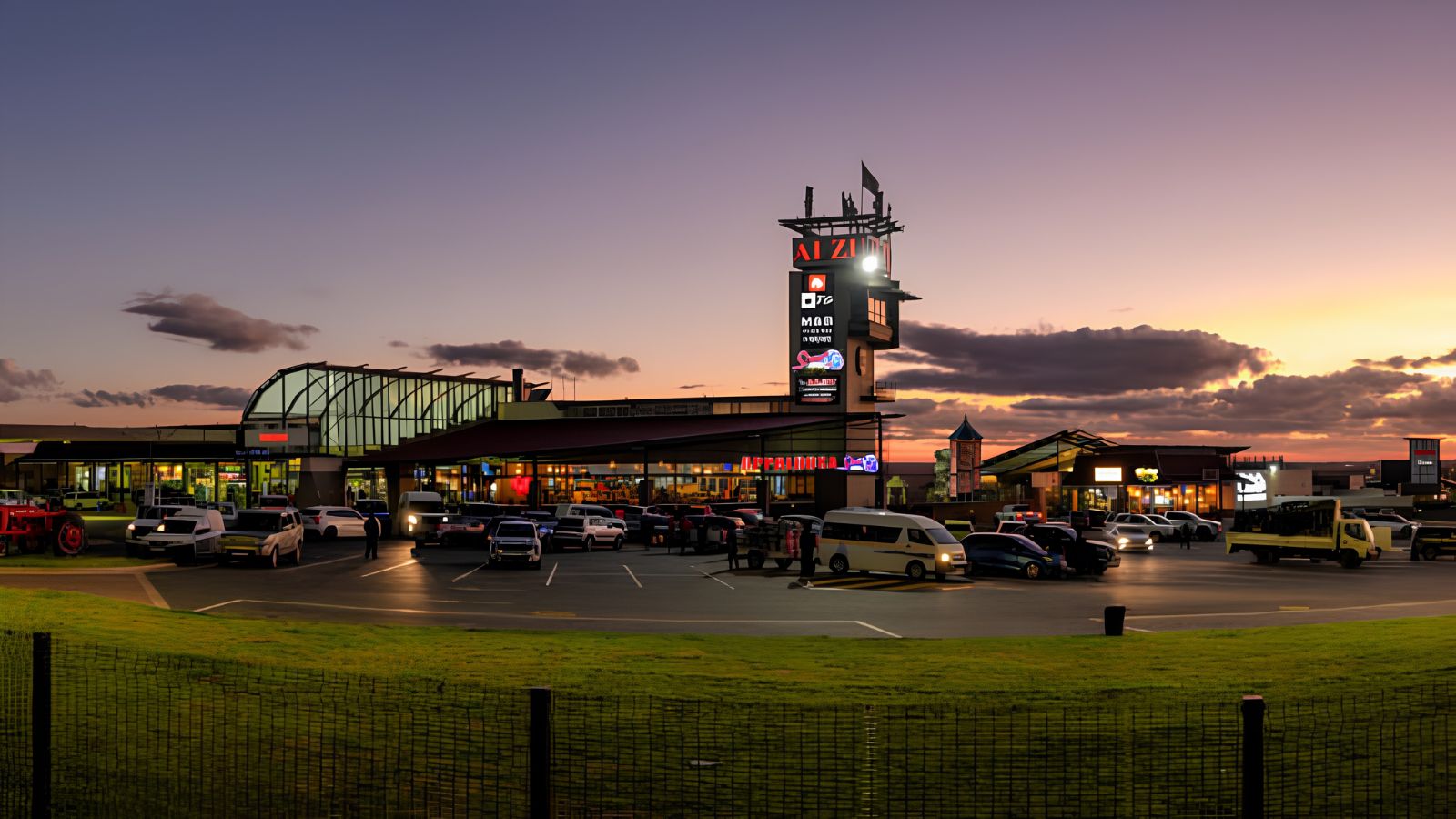
Situated on the N4 highway is the Alzu Petroport—a petrol station that is home to a family of white rhinos, amongst other animals such as buffalo, zebras, and various antelope.
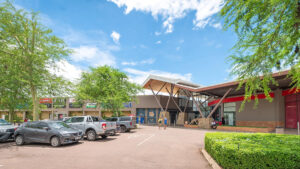
Between Middelburg and Nelspruit is the Alzu petrol station with nine restaurants and stores, including popular choices like Spur, Mugg & Bean, KFC and Kauai.
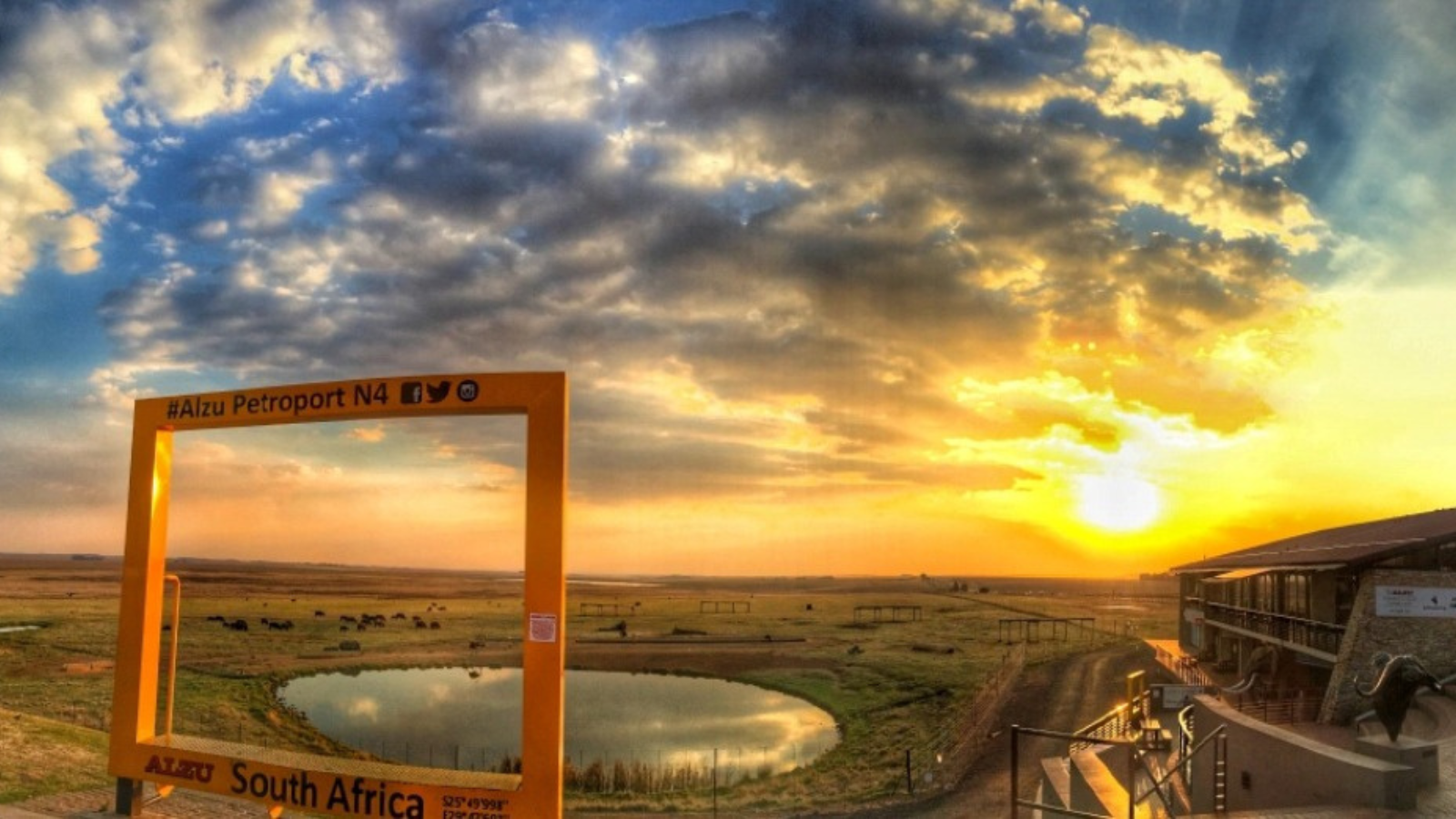
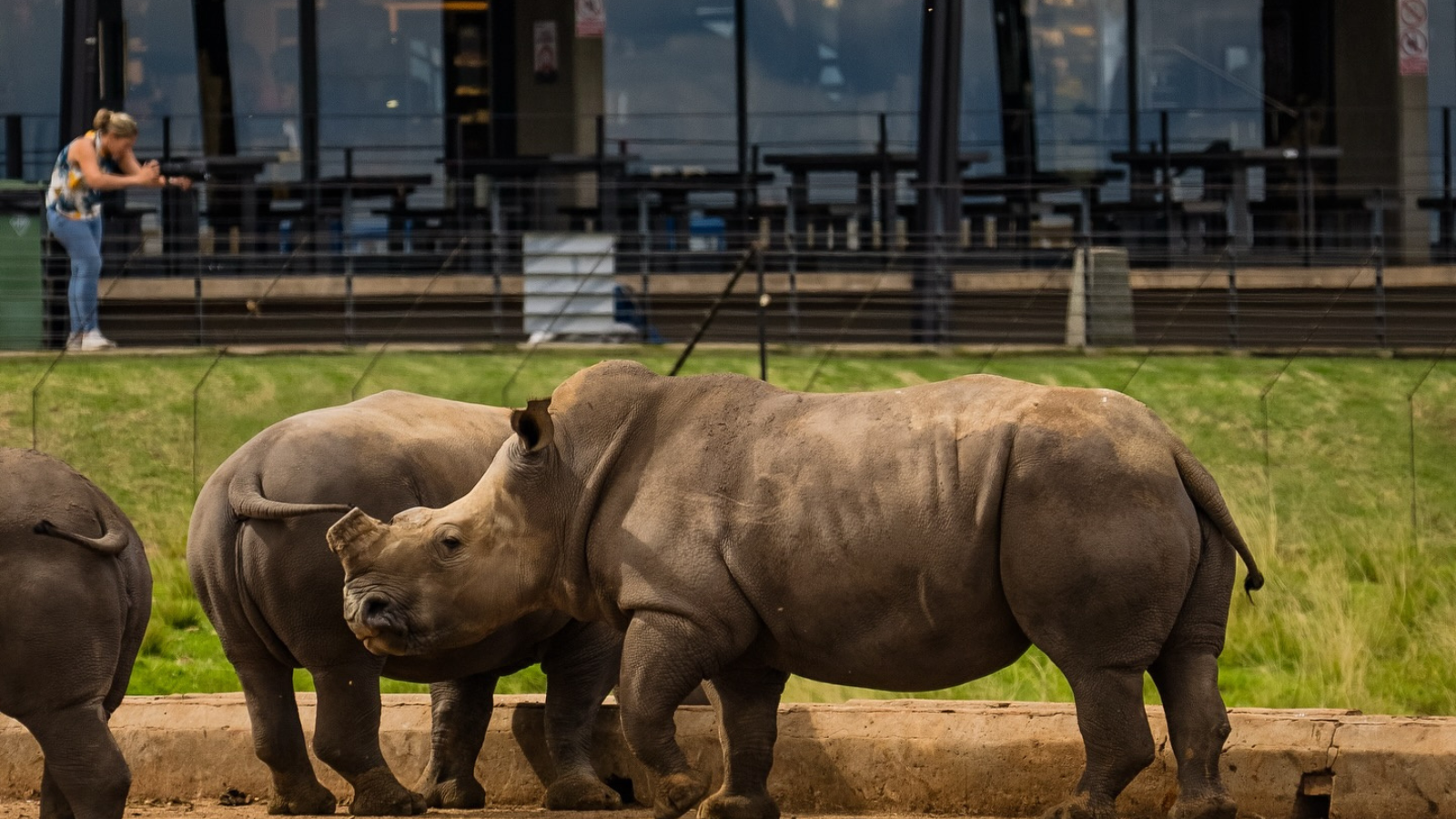
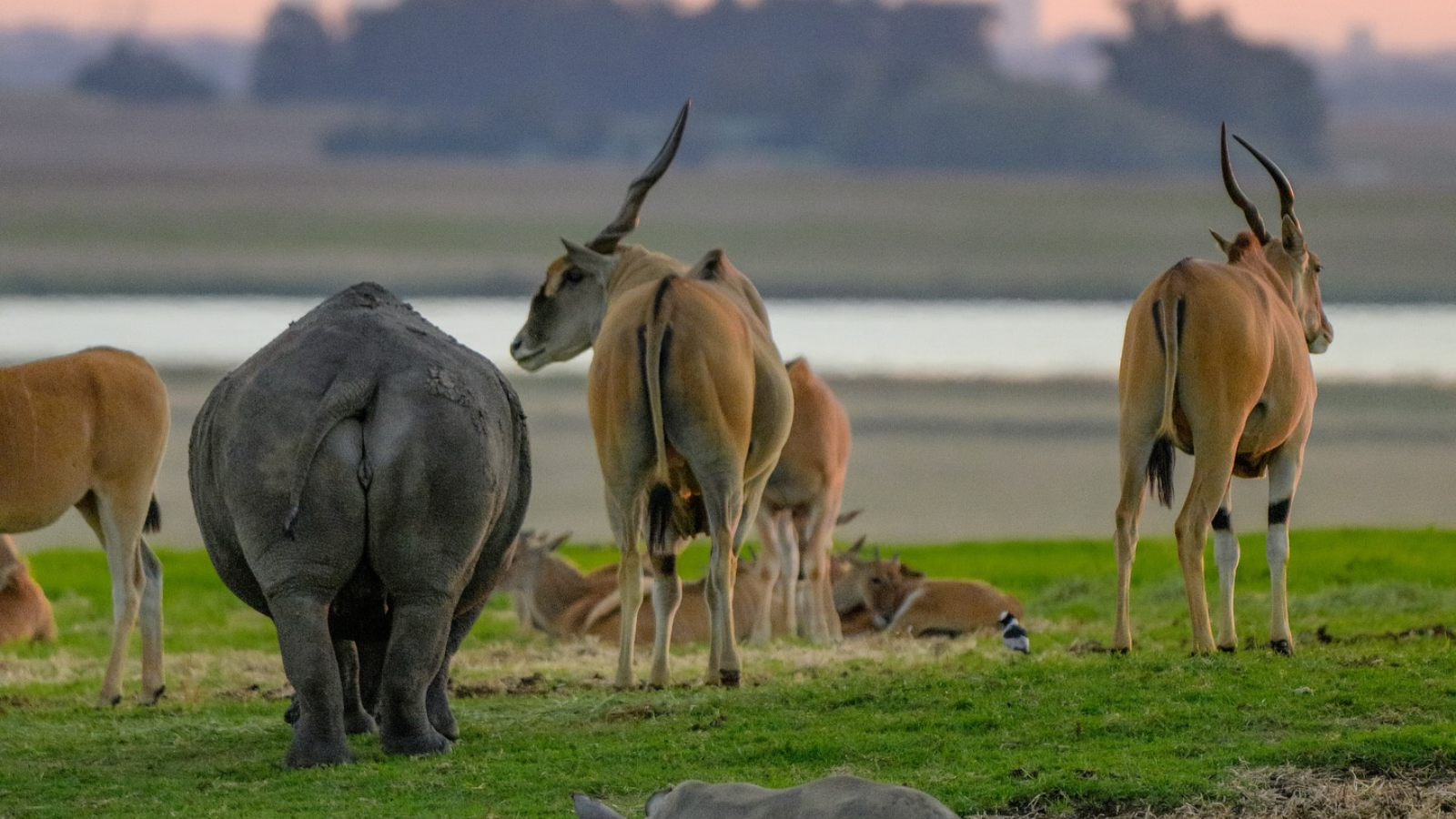
The enclosure provides an opportunity for visitors to observe rhinos, along with buffalo, eland, gemsbok, zebras, and ostriches, from multiple vantage points.
This can be done through the floor-to-ceiling windows of the dining establishments and from the notable “toilets with a view” in the male bathrooms.
These rhinos are integral to a private conservation initiative led by the Alzu group. Given South Africa’s alarming rate of poaching, the rhinos receive 24-hour surveillance.
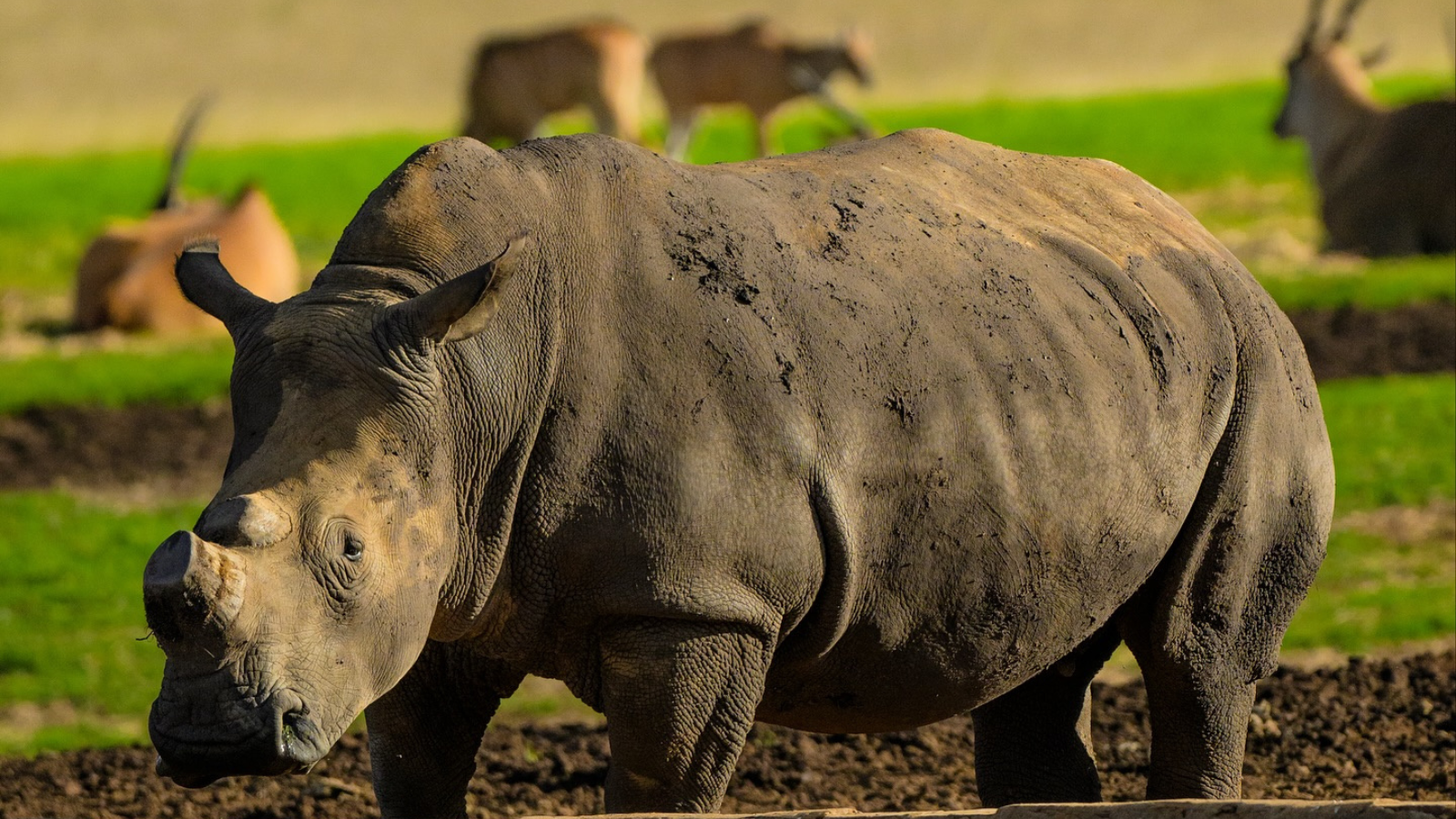
Observers may notice that their horns have been trimmed—a process referred to as dehorning.
This common conservation practice is implemented across numerous South African reserves as a strategic measure to inhibit poachers and safeguard the animals’ well-being.
“High visibility, constant foot traffic, and 24/7 security presence mean these animals live in one of the safest and most closely monitored environments imaginable,” said Alzu.
The Alzu enclosure, which is strategically located along one of the busiest transit routes between Johannesburg and Mozambique, serves as a protective “fortress” for its resident rhinos.
Despite the constant risk posed by poachers, the high volume of human traffic at the nearby Petroport acts as a significant deterrent, making it difficult for poachers to operate in such a brightly lit and populated area.
“But protection goes beyond cameras and patrols. It lives in the heart of the Alzu family, a team deeply committed to the well-being of every animal that roams their grassy plains,” said Alzu.
“From veterinarians to feeders, conservation managers to groundskeepers, every member of the Alzu team carries the mission forward with tireless energy and love.”
Conservation coffee stop
“Alzu Petroport is not just a fuel stop, it’s a window into South Africa’s majestic wildlife and a living tribute to the power of care, protection, and purposeful conservation,” said Alzu.
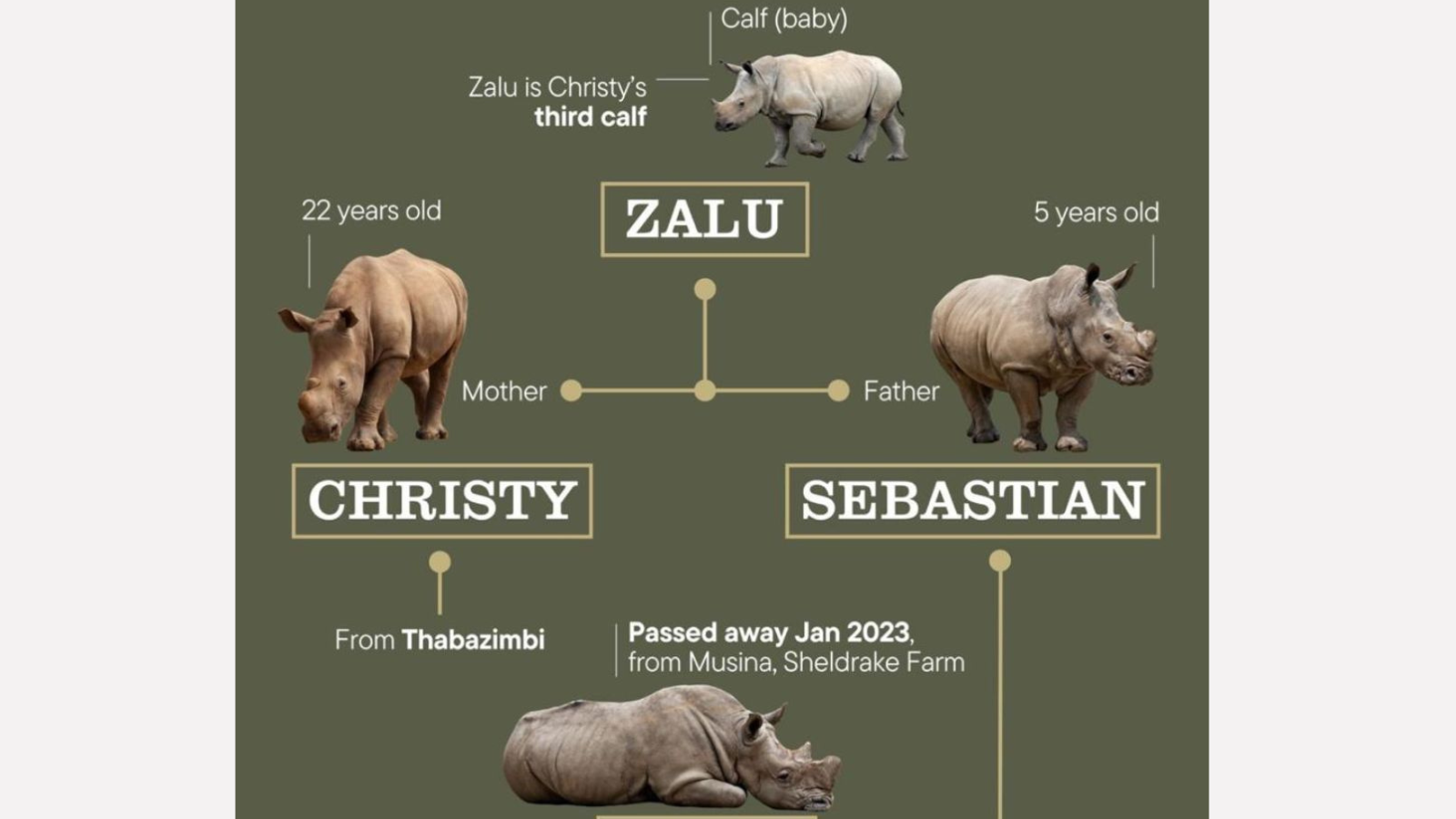
“At the heart of this thriving haven is the beloved white rhino family, and in particular, a spirited young calf named Zalu.”
Alzu has developed a strong partnership with Care for Wild, the world’s largest orphaned rhino sanctuary.
Operating as a large agricultural enterprise, Alzu uses its expertise to produce specialised, high-protein game feed, which is either donated or provided to rhino sanctuaries.
This feed plays a crucial role in raising orphaned calves whose mothers have been lost to poaching. Additionally, the rhinos at the Petroport are part of a managed breeding program.
Maintaining private populations like those at Alzu is essential for “genetic insurance,” which helps ensure that if a significant disease or poaching incident leads to a population collapse in a national park, these vital gene pools remain safe.
Unlike national parks, which rely on taxes and tourism fees for funding, Alzu’s conservation efforts are financed by revenue from the Petroport and its agricultural operations.
The facility also enforces a strict “no-contact” policy with the animals, emphasising the importance of keeping them wary of humans for their long-term survival.
Photos of Alzu Petroport










 Loading ...