

The cars being hijacked in South Africa – with one new target


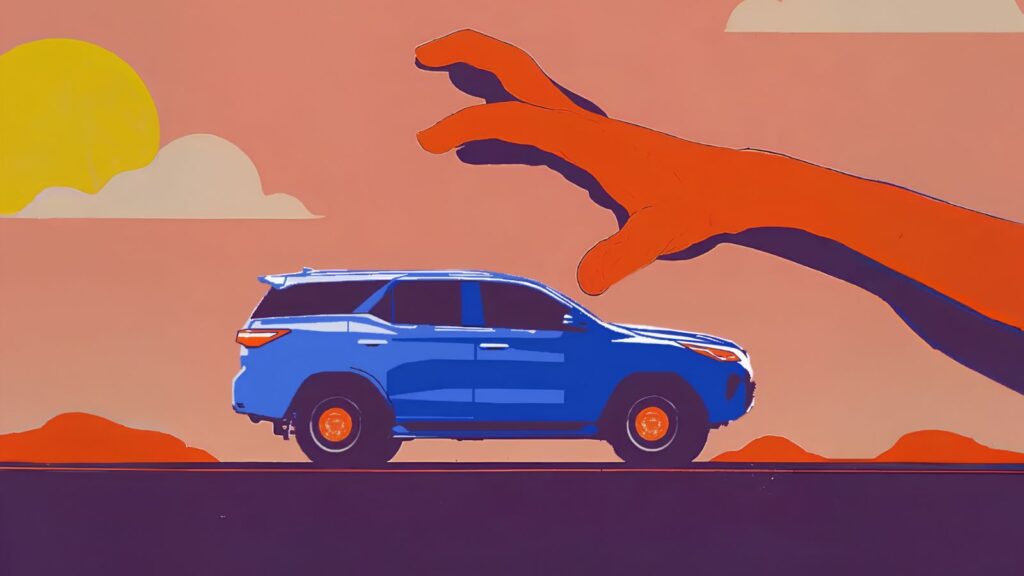
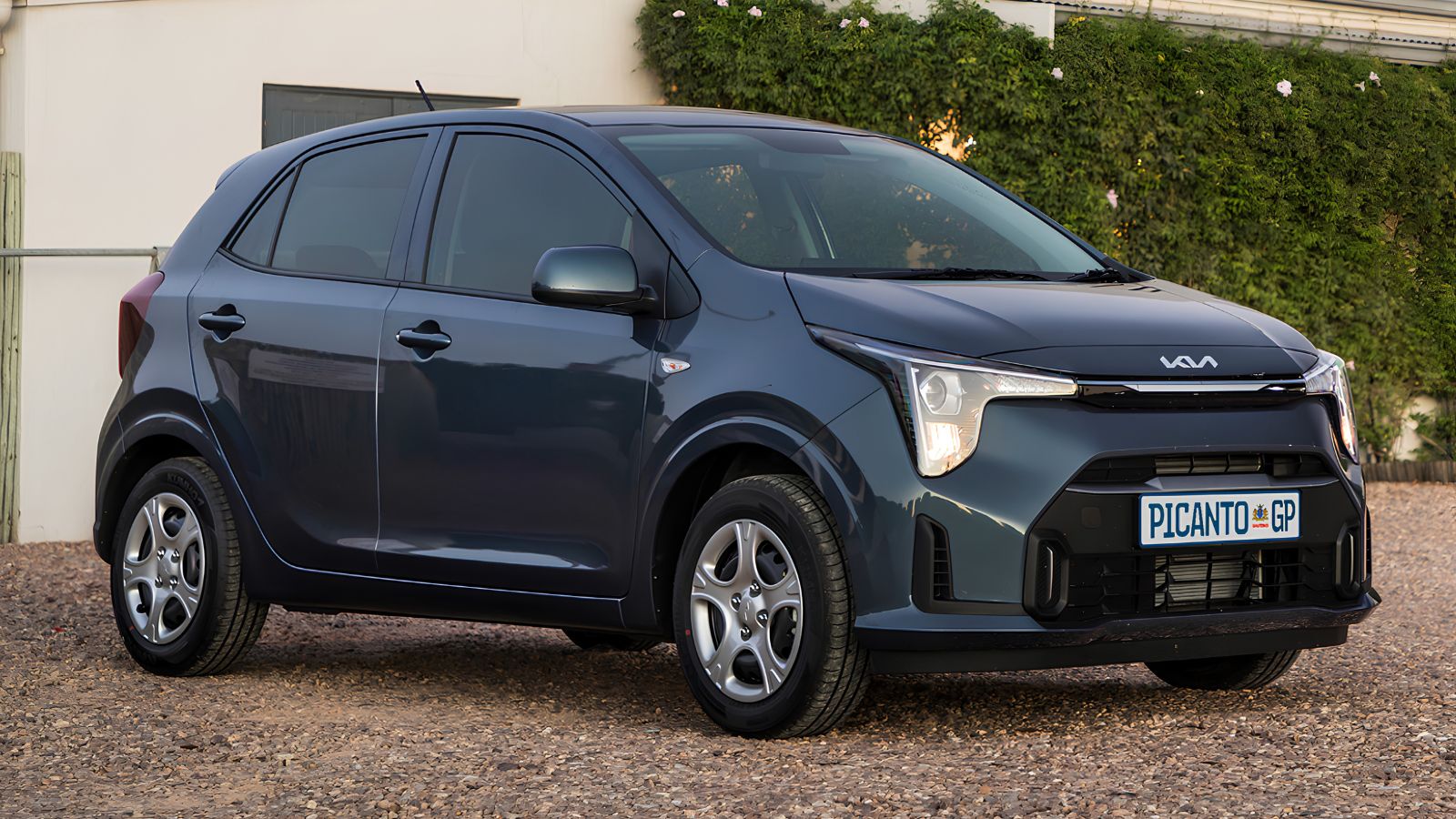
Driver training organisation MasterDrive has outlined the vehicles being targeted by hijackers in South Africa in 2026, with the Kia Picanto now on the list.
The latest crime statistics from the last two quarters reveal an alarming trend indicating that carjackings in South Africa continue to rise, with an average of 60 vehicles hijacked every day.
According to MasterDrive, the list of high-risk areas and the most-targeted vehicles has remained largely consistent, with the addition of one new target.
The Toyota Hilux and Volkswagen Polo continue to dominate the statistics due to their popularity, resale value, and high demand for parts.
The new entrant to the list is the Kia Picanto, while the Isuzu D-Max and Toyota Corolla Cross also remain on the list.
While the Ford Ranger has appeared on the list before, its numbers are reportedly increasing as its popularity rises.
The high-risk areas remain consistent. In the Western Cape, the N2 highway leading to Cape Town International Airport, often referred to by locals and the media as “the gauntlet” or “the road to hell”, continues to be dangerous.
In Gauteng, the area of Alexandra is particularly vulnerable, while Inanda in KwaZulu-Natal remains a hotspot for hijackings.
“The most important thing to understand is that no person, vehicle or area is immune to carjacking risk,” said MasterDrive CEO Eugene Herbert.
“Falling into complacency because your vehicle is not on the list or you seldom frequent high-risk areas is your biggest vulnerability. Vigilance is non-negotiable for your family, your employees and yourself,” he said.
Practical steps to minimise risks
MasterDrive suggests some practical steps to minimise risk:
- Drive in the middle lane whenever possible: This creates distance from the edges of the road and makes it harder for criminals who may be operating from the roadside, especially on high-risk routes.
- Anticipate traffic conditions: If you see an upcoming red traffic light or notice congestion ahead, adjust your speed to reduce the amount of time you remain stationary on the road.
- Stay alert at intersections and in slow-moving traffic: These scenarios can be high-risk. Keep your windows closed, doors locked, and maintain enough space between your vehicle and the one in front to allow for a quick getaway if necessary.
- Vary your routes and travel times: Maintaining predictable routines can make you easier to profile and follow. Be aware that the risk of hijacking is higher between 4 PM and 9 PM, so consider your safety during these peak-risk windows.
- Trust your instincts: If something feels off, it probably is. Don’t feel obligated to stop or engage if you sense danger.
While vehicles being hit or debris thrown from bridges doesn’t enable carjacking, since the tyres would be shredded or the car damaged, its relevance still remains vital.
Herbert said that theft of goods and assault can be highly traumatic to both drivers and passengers.
“Don’t stop if this happens. As long as your vehicle can move, keep driving until you reach a safe, well-populated area. Stopping in an isolated spot is often exactly what criminals count on,” said Herbert.
Herbert mentioned that while statistics can be a helpful reference, they do not guarantee safety.
He expressed that, even with high vigilance, individuals might still become victims of carjacking or crime on the roads.
He also said that, despite calls for increased intervention, it ultimately remains the motorist’s responsibility to stay alert and know how to respond in case of a carjacking.















 Loading ...