

Big threat to McDonald’s and KFC in South Africa


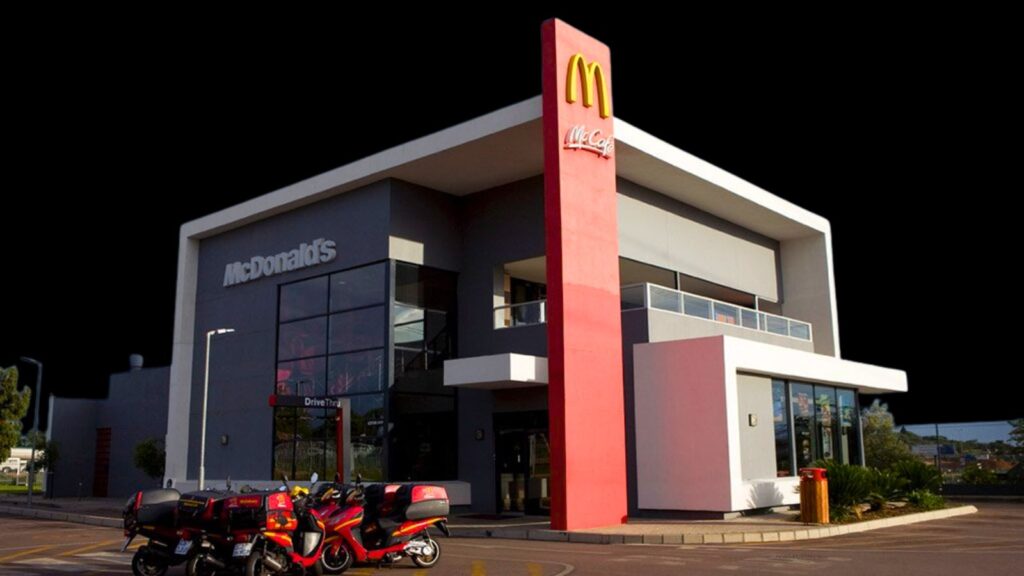
Weight-loss and diabetes medicines such as Ozempic are changing consumer behaviour in South Africa, creating a new challenge for fast-food giants like McDonald’s and KFC.
According to Discovery Bank and Visa’s latest SpendTrend26 report, the growing popularity of GLP-1 medicines is already influencing what South Africans buy.
The report noted that South Africans have spent less on takeaways, restaurants and even groceries as they adopt healthier lifestyles.
The report is based on an analysis of more than 2.6 billion transactions across 12 million credit cards over the past year, combined with Discovery Bank client data and a survey of 1,000 consumers earning more than R100,000 annually.
GLP-1 medicines, which include brands such as Ozempic, Wegovy and Mounjaro, were originally developed to treat diabetes.
However, they have become increasingly popular as weight-loss treatments, with usage volumes rising significantly over the past five years.
The growing use of GLP-1 medicines is beginning to affect consumer spending patterns.
In the United States, where these treatments are more widely used, consumers reduce fast-food spending by about 8% within six months of starting treatment. Grocery spending also declines, although by a smaller margin.
The impact is particularly significant among higher-income households, which are both the primary users of GLP-1 medicines and among the biggest spenders on fast food.
Discovery Bank’s data showed a similar trend is emerging in South Africa. Most respondents using GLP-1 medicines reported spending more on healthier foods, particularly vegetables and grains.
Additionally, 48% said they are spending less on takeaways and restaurants, while nearly half reported spending less on alcohol. Another 38% said they are spending less on groceries overall.
The findings come as consumer research company Eighty20 has already identified changing eating habits among South Africans.
While the number of people dining out has remained relatively stable, they are doing so less frequently.
Eighty20 director Andrew Fulton noted that consumers are increasingly favouring affordable protein options, particularly chicken.
As a result, traditional burger-focused chains such as McDonald’s, Wimpy and Steers have lost some ground in South Africa.
Surge in GLP-1 medicines
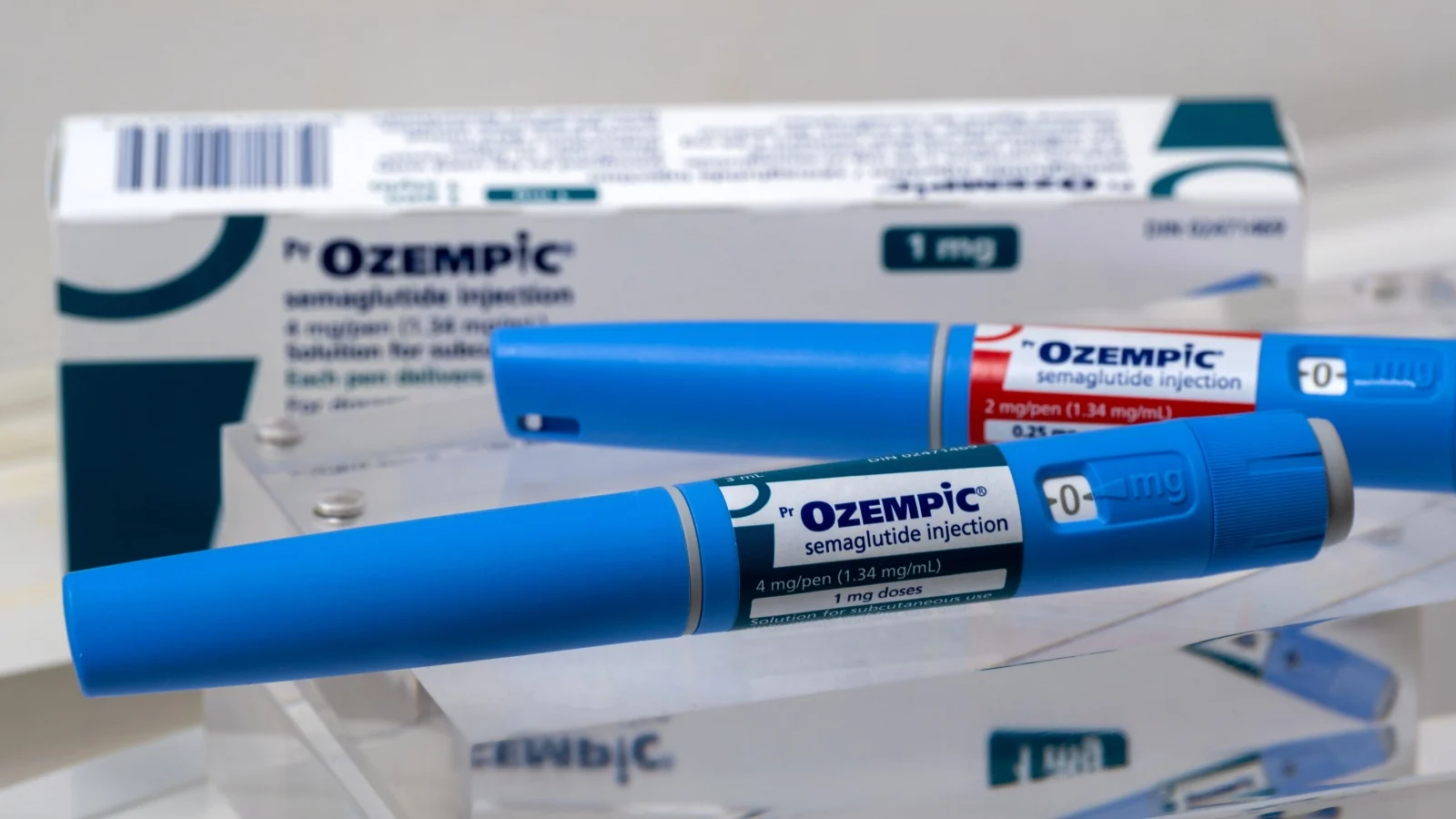
Discovery’s report found that 16% of surveyed South Africans had spent money on weight-loss support through dietitian programmes or weight-loss clinics.
The increase in demand has also led to the rapid growth of compounded GLP-1 medicines.
In an interview with Moneyweb Radio, Charles Green, a healthcare and pharmaceutical expert at Cliffe Dekker Hofmeyr (CDH), said the global boom in drugs such as Ozempic has created a lucrative new market.
According to Green, compounded GLP-1 medicines have experienced a massive increase in popularity amongst consumers worldwide, with demand often exceeding available supply.
However, he warned that regulators are increasingly concerned about patient safety. “The concern, and I think the main concern with compounded GLP-1s, is that they are not actually assessed or tested by the regulator, the applicable regulators,” Green said.
He explained that, unlike registered medicines, compounded products are not approved by regulators such as the South African Health Products Regulatory Authority (SAHPRA).
Green noted that many consumers incorrectly assume compounded medicines are simply cheaper versions of approved products.
“That is an assumption many people make,” he said, explaining that generic medicines still require regulatory approval and testing, while compounded medicines serve a different purpose.
“Compounding medicine is different. It serves a different purpose,” Green said. He explained that compounded medicines are intended to address temporary shortages of registered products and are not themselves registered by SAHPRA.
















 Loading ...