

Severe weather hope for South Africa


Severe weather patterns are expected to hit South Africa in the coming summer months, which could contribute to already-rising food prices—but some experts are hopeful that the country will dodge a food price bullet.
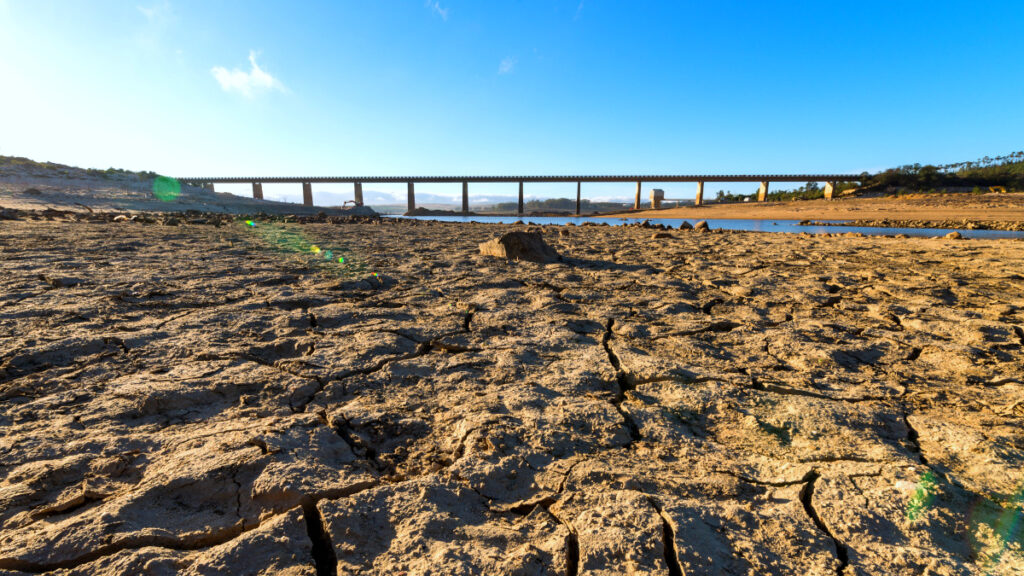
Experts have predicted that an El Niño weather pattern will hit South Africa at the end of 2026—climate conditions which often lead to drought conditions in the country.
Past El Niños have had devastating consequences for the country’s agricultural sector, which needs consistent rainfall to function.
Between 2014 and 2016, drought conditions plagued many parts of the country and led to decreased food production.
Maize farming was heavily affected, with only 8.9 million tonnes of the crop being produced to meet the annual demand of roughly 12 million tonnes.
Maize was not the only crop affected during this period, and most farming operations saw significant declines in production.
The lack of food production had a notable impact on South Africa’s inflation rates, which peaked at 6.8% in 2016.
This was largely due to reduced farming operations caused by the drought, as food prices play a major role in determining the inflation rate.
The impact of food prices on inflation rates is particularly concerning, given South Africa’s current situation.
In June 2026, inflation reached 5%, the highest in two years, largely due to international conflicts and rising fuel prices.
This was above the expectations of most analysts, who predicted inflation rates to rise to roughly 4.7%.
Inflation rates have consistently exceeded South Africa’s current target of 3% since the outbreak of the war in Iran and the closure of the Strait of Hormuz.
Roughly 25% of the world’s oil passes through the strait, and its closure has led to erratic fuel prices in South Africa.
Oil prices have already put pressure on South Africa’s agricultural sector, and drought conditions could worsen the situation.
The South African Reserve Bank has said it expects inflation rates to remain above the 3% target until 2027, but decreased food production could push these figures higher.
This presents a challenge for South Africa’s consumers, with the rising cost of living placing pressure on many households.
Hope for South African farmers
The Agricultural Business Chamber of South Africa’s chief economist, Wandile Sihlobo, had a positive outlook on the possible El Niño weather pattern.
He said South Africa’s agricultural sector was in a good position to handle potential drought conditions, given the exceedingly rainy past year.
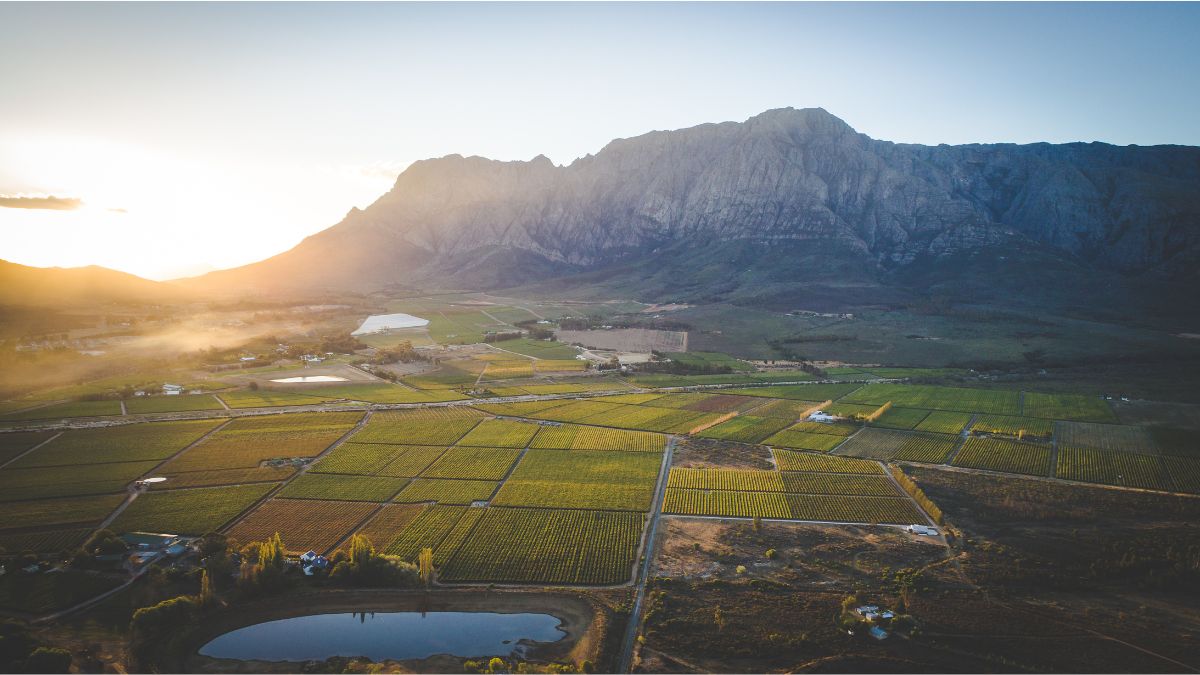
South Africa has experienced an unusually long La Niña period, which has led to heavy rainfall and higher dam levels.
The heavy rainfall means farms have higher soil moisture, increasing their resilience to potential drought conditions.
“South Africa will enter the 2026-27 summer crop season with higher soil moisture, because there were excessive rains in the 2025-26 season, which lasted far longer than usual,” Sihlobo said.
He said the increased soil moisture would support crop growth even if rainfall were reduced in the country.
“There may be sufficient soil moisture to support seed germination and crop development even as El Niño conditions likely result in below-normal rainfall,” he said.
Healthy dam levels are also a good sign for South Africa, with roughly 20% of the country’s farms relying on irrigation supplied by them.
Irrigation is especially important for fruit and vegetable farming, which cannot normally rely on South Africa’s rainfall.
Sihlobo said South Africa also currently has high grain supplies, which may further soften the impact of a possible drought—especially on food inflation.
Both of these factors are good signs for South Africa’s food inflation, which may be kept under control, according to Sihlobo.
He said South Africa’s agricultural sector is in a better position than it was before previous drought conditions, such as in 2014 to 2016.

















 Loading ...