

Warning to anyone visiting petrol stations in South Africa


Security experts are warning South Africans that forecourts remain a prime hotspot for opportunistic criminals who exploit moments of distraction.
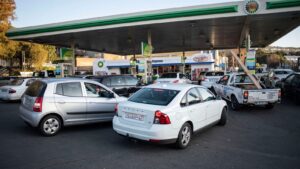
Petrol stations are familiar stops for millions of South Africans, whether they are filling up with fuel, buying groceries, using an ATM, or stopping at a convenience store.
However, motorists can become vulnerable when they are using their phones, leaving valuables visible in their vehicles, or paying little attention to what is happening around them.
Petrol stations can also become targets for hijackings, smash-and-grab robberies, theft, and other opportunistic crimes after dark.
Tyron Powell, managing director of Marshall Security, noted that filling stations had historically been viewed as brightly lit and populated “safe hubs”.
However, rising fuel costs and changing criminal behaviour have increased the risks facing motorists.
Powell warned that criminals monitor forecourts for drivers who are distracted or leave their vehicle windows open, which creates opportunities for quick-grab robberies or vehicle theft.
Analysts have also warned about remote signal jamming, where criminals interfere with a vehicle’s locking system while the driver is inside a petrol station shop.
This can leave vehicles unlocked and allow criminals to steal valuables without the owner immediately realising what has happened.
Late-night armed robberies can also be a risk when staffing levels are lower and fewer customers are present. According to the latest crime data, South Africa continues to record over 50 hijackings a day.
Tracker South Africa has also identified Thursday afternoons and evenings as a particularly high-risk period for hijackings, with incidents peaking between 16:00 and 21:00.
Gauteng accounts for a significant share of the country’s hijackings, while busy routes such as the N1 through Midrand and sections of the N2 and R300 in the Western Cape have also been identified as areas where motorists need to remain alert.
Charnel Hattingh, Group Head of Marketing and Communications at Fidelity Services Group, said motorists should not allow familiarity with petrol stations to reduce their awareness.
“Petrol stations are familiar environments, and that familiarity can sometimes cause people to switch off from their surroundings. Criminals look for opportunities, and a distracted motorist can be an easy target,” she said.
Tips to stay safe

Hattingh advised motorists to remain alert while filling up and avoid unnecessary distractions, particularly using a phone while waiting. Drivers should also watch for people approaching their vehicles and be aware of their surroundings.
Valuables such as handbags, laptops, shopping bags, and mobile phones should not be left in plain sight.
Where possible, motorists should place valuable items in the boot before arriving at the station, rather than after parking.
Drivers should also check their surroundings before getting out of their vehicles. Anyone who feels uncomfortable should remain inside the vehicle and alert petrol station staff or security personnel.
When travelling at night, motorists should choose busy, well-lit stations. If a station is unusually quiet or something feels wrong, driving to another location may be the safer option.
Drivers should check their mirrors and surroundings before leaving. If they suspect they are being followed, they should not drive home.
Instead, they should travel to a busy, secure location and contact their security provider or the South African Police Service (SAPS).
She also advised motorists to avoid unnecessarily displaying cash and to cancel a transaction and move away if they feel uncomfortable.
Children should never be left unattended in a vehicle while a parent or caregiver goes into a shop or carries out other tasks.
Petrol station employees should remain alert to unusual behaviour, avoid confronting suspected criminals, and report concerns to managers, security personnel, or the SAPS.
“Petrol station employees are often among the first people to notice when something is out of place,” Hattingh said.
“Creating a culture where staff feel comfortable reporting suspicious behaviour, rather than attempting to deal with it themselves, is an important part of keeping both employees and customers safe.”
















 Loading ...