

Historic South African township where houses are now selling for R2.2 million


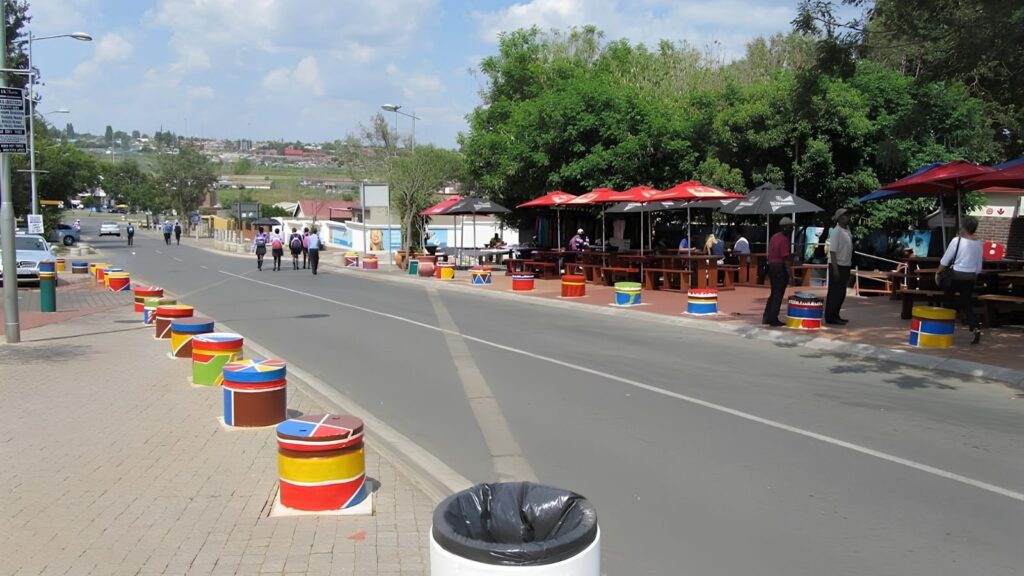
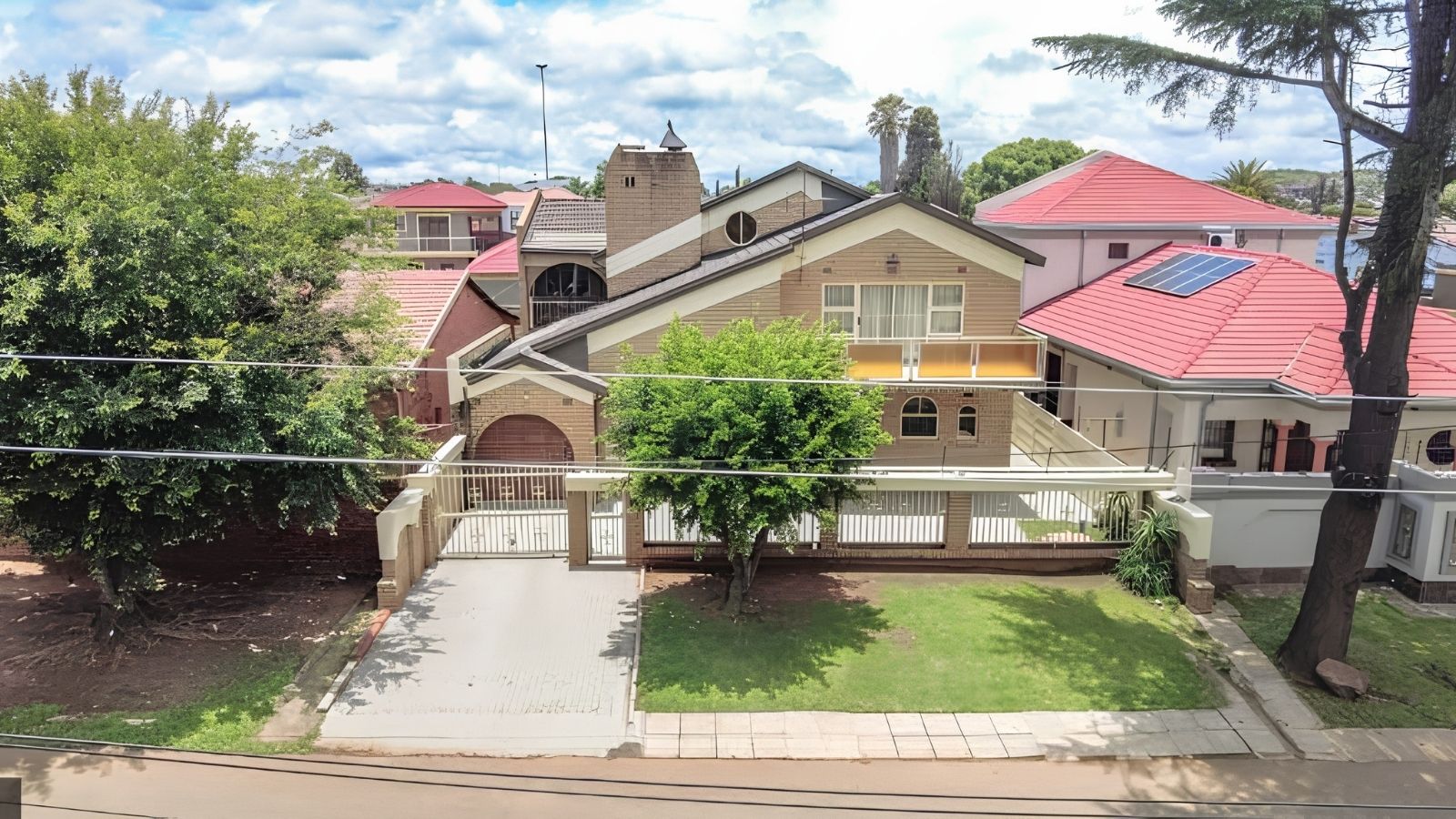
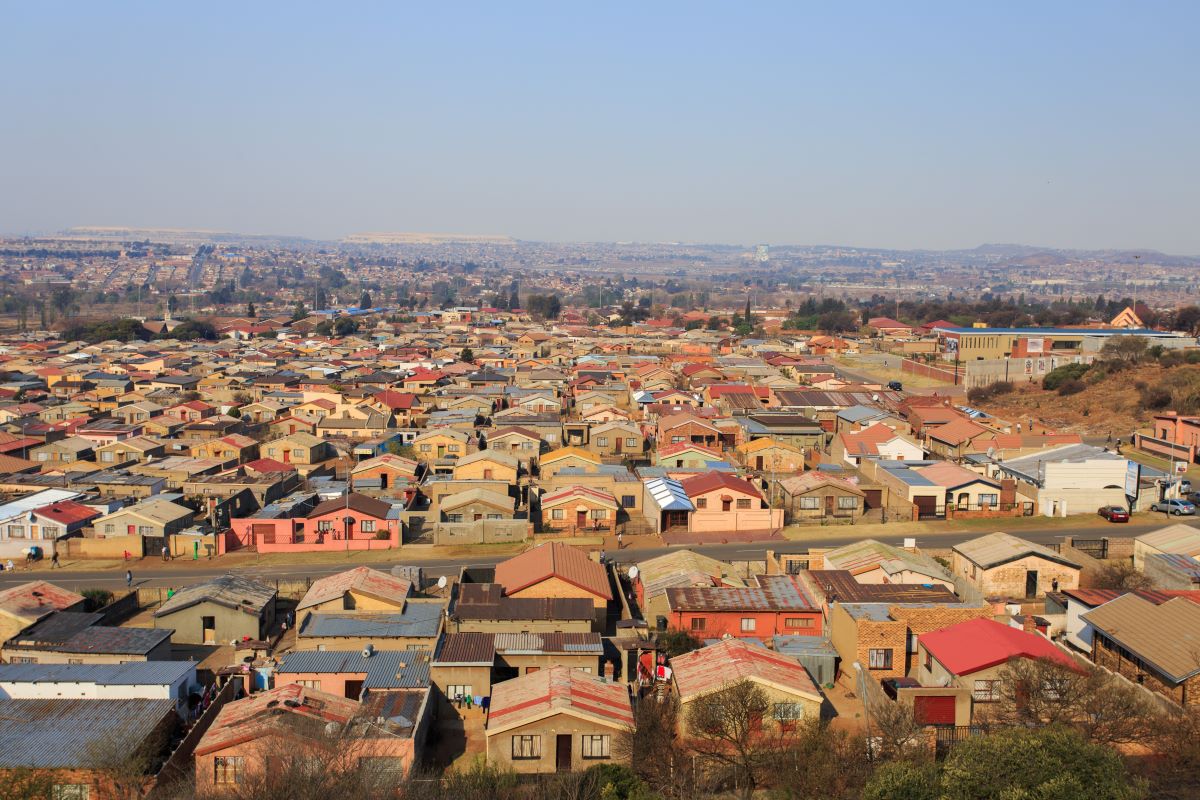
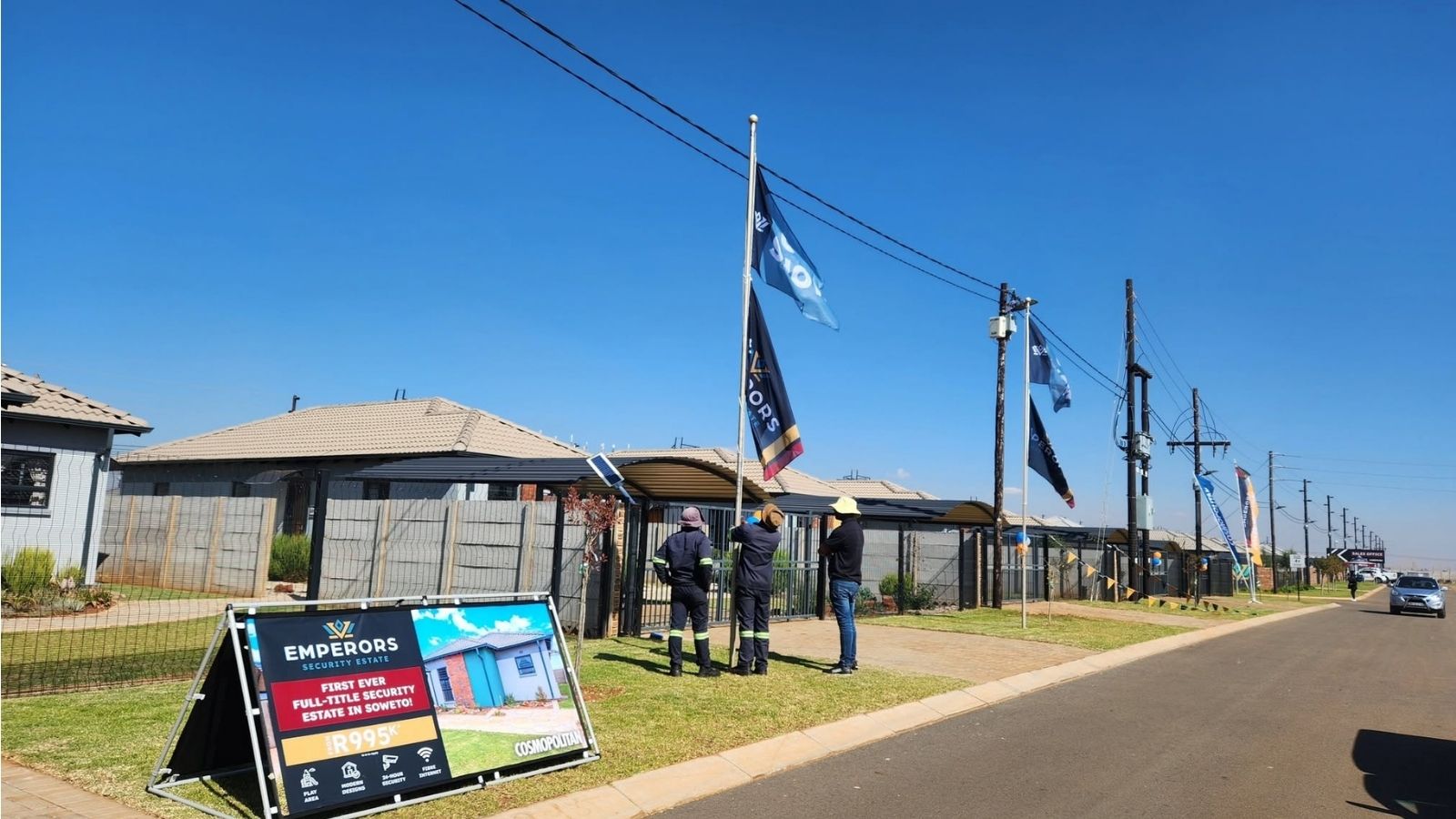
Soweto’s property market is attracting growing interest from buyers and investors, with houses in some of its more established neighbourhoods now selling for as much as R2.2 million.
According to Khosi Sibiya, licensee for Seeff Soweto, the township’s residential sales market has built steady momentum over several years, but the rental sector is increasingly becoming a focus for property investors.
“While Soweto’s residential property sales market has spent years building steady momentum, the real news for property investors and existing homeowners is now unfolding on the rental side,” Sibiya said.
Lightstone figures show that almost R984 million in property transactions were registered in Soweto over the past 12 months.
Soweto remains relatively affordable compared with many other parts of Johannesburg, despite property prices appreciating over the past decade.
More than 75% of sales occur below R800,000, while the upper quarter of the market generally ranges from R800,000 to R1.5 million.
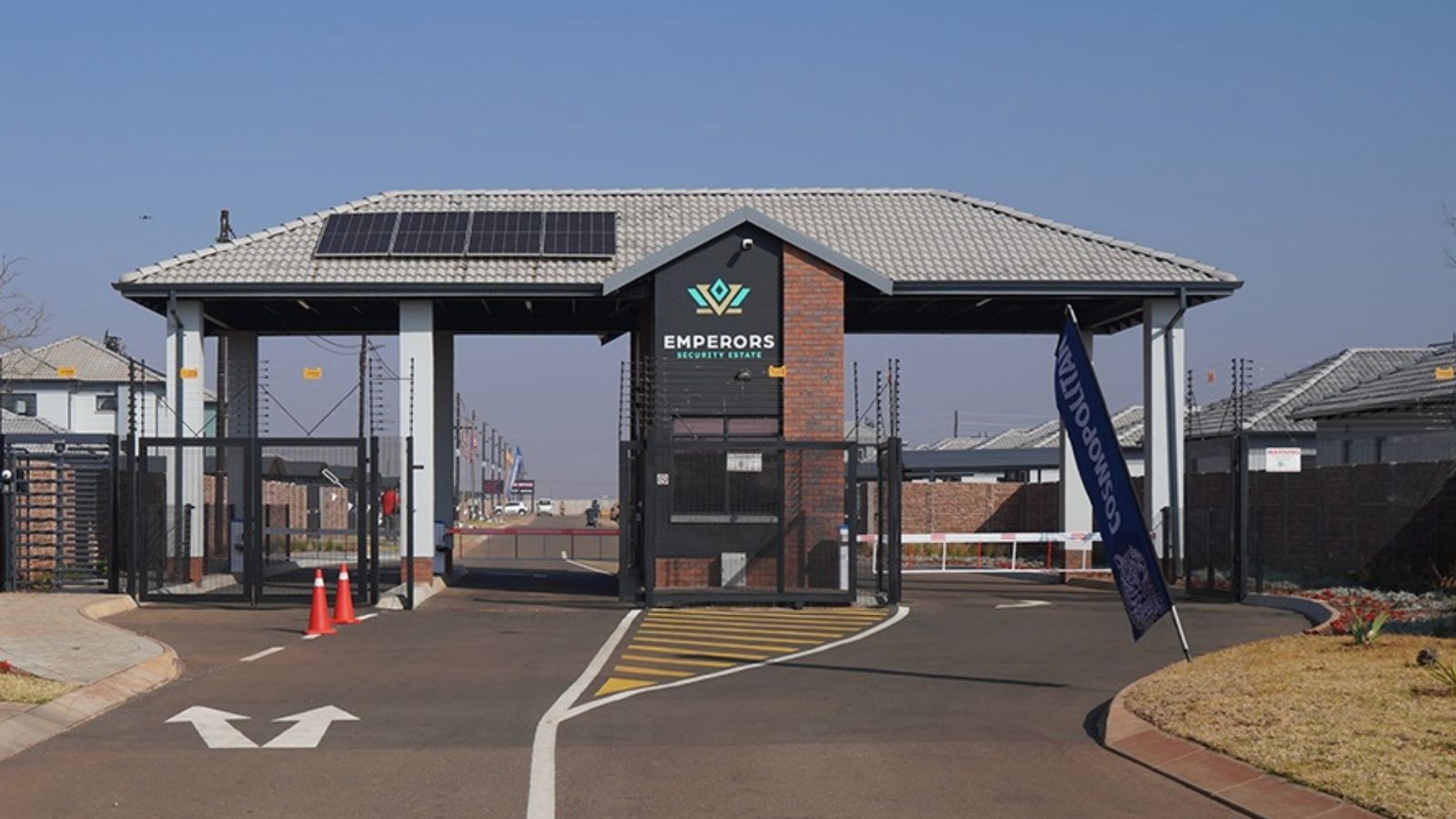
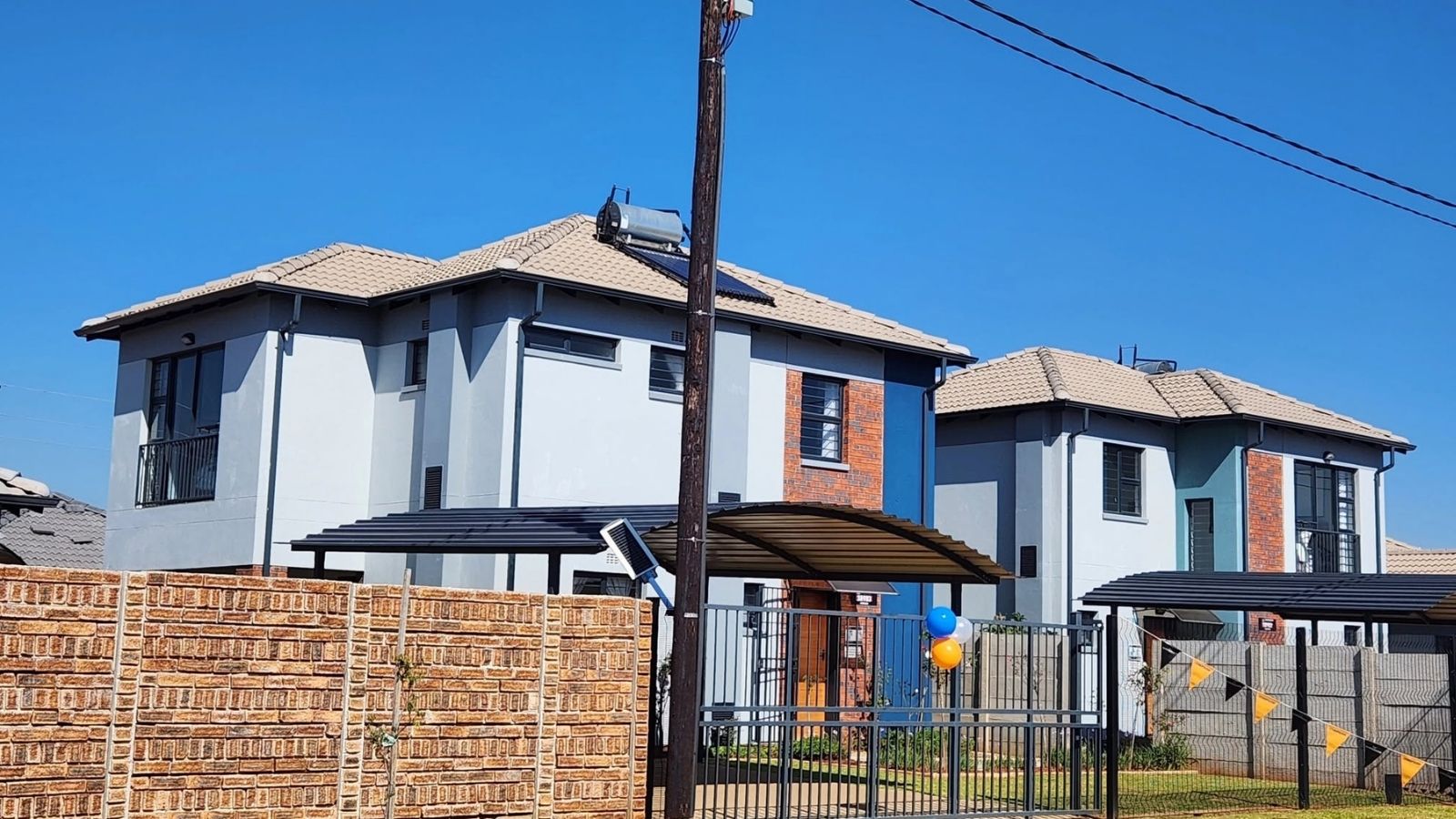
However, luxury developments and larger family homes in areas such as Diepkloof Extension and Orlando West can reach prices of between R1.8 million and R2.2 million.
Sibiya said affordability remains an important attraction for buyers, particularly as living costs continue to put pressure on household budgets.
Purchases below R1.21 million may also qualify for transfer duty exemption, reducing the upfront costs for eligible buyers.
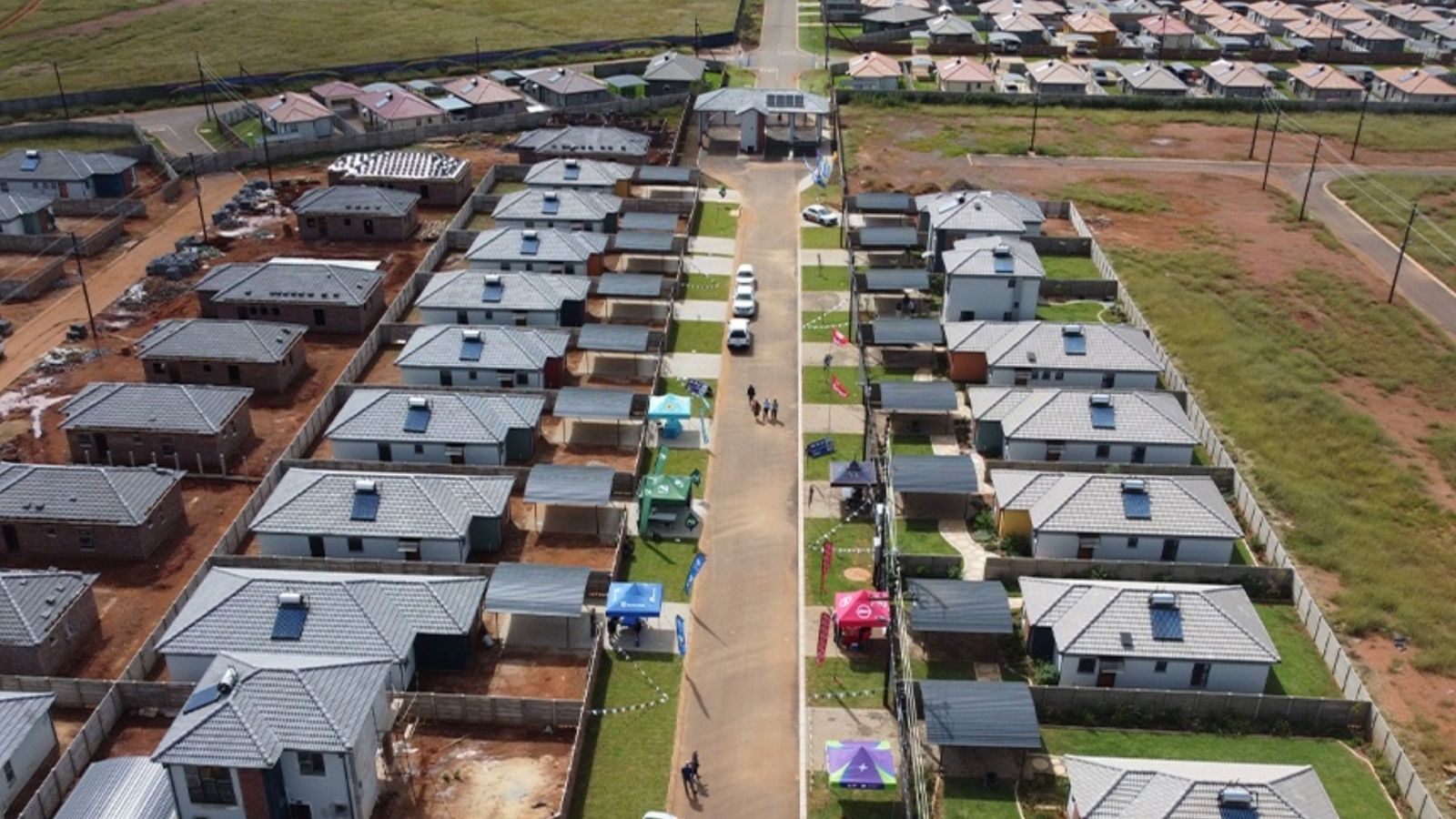
Demand is also being driven by young professionals and smaller families seeking modern homes close to shopping centres, schools and transport routes.
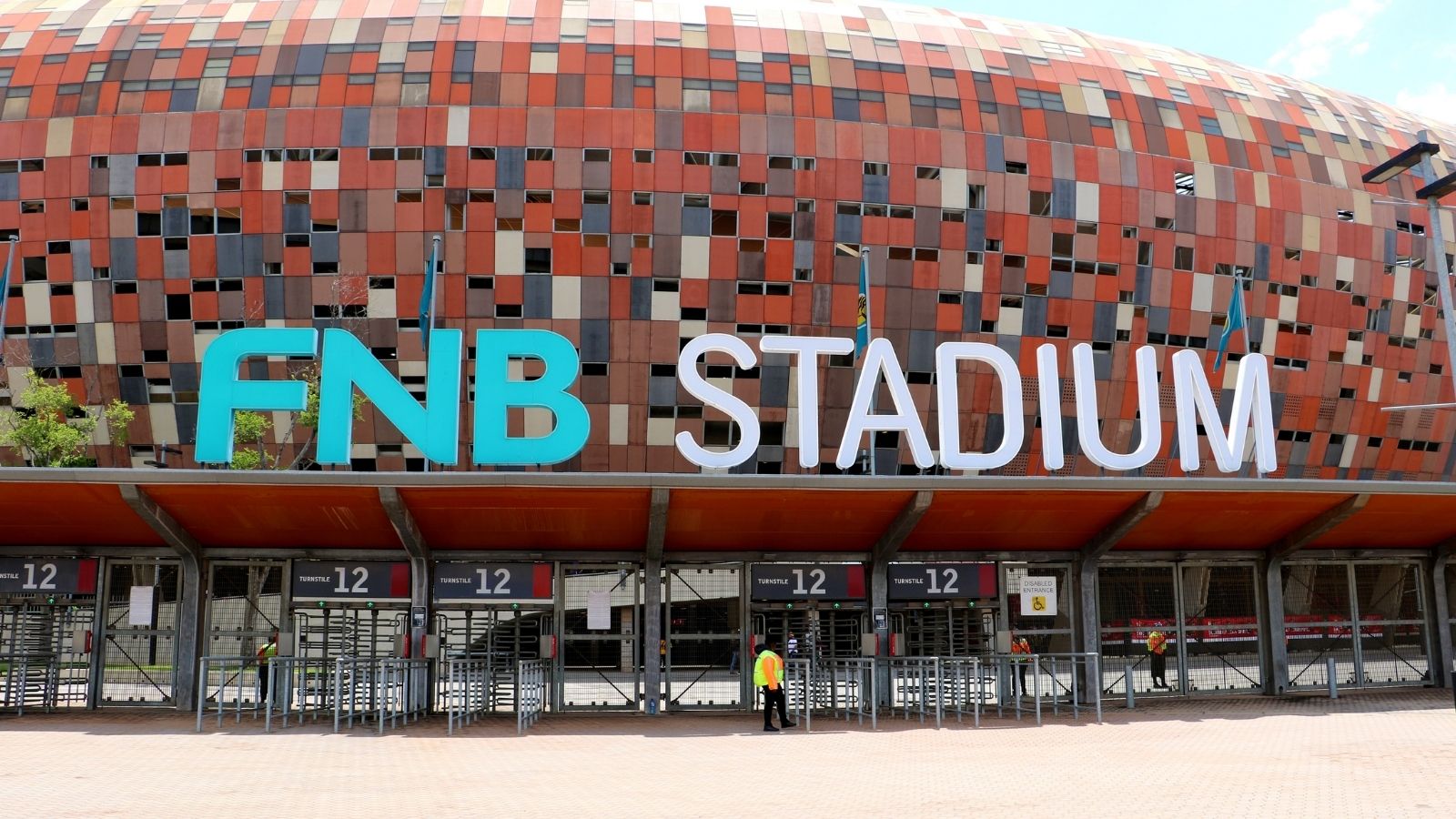
Maponya Mall and Jabulani Mall are among the major retail hubs serving the area.
Sibiya added that in neighbourhoods such as Protea Glen and Jabulani, demand for secure, good-quality housing is outstripping available supply.
The rental market is benefiting from population growth across Johannesburg, rising property prices, and the arrival of people seeking more affordable accommodation.
According to Seeff, one-bedroom cottages in Soweto generally rent for between R2,500 and R3,500 per month. Two-bedroom houses, one of the market’s most active segments, typically fetch between R4,500 and R5,500.
Three-bedroom homes command rentals of between R5,500 and R7,500, while family homes in established neighbourhoods such as Moroka and Diepkloof can reach approximately R8,000 and R9,000 per month, respectively.
Buy-to-rent is booming

Sibiya said homeowners are increasingly adding flatlets and back rooms to their properties to generate additional income.
The rental proceeds can help cover home loan repayments, while the extra accommodation provides options for tenants priced out of more expensive areas.
For buy-to-let investors, properties priced between R450,000 and R750,000, particularly two- and three-bedroom units, represent an attractive entry point, according to Sibiya.
These properties can generate monthly rentals of between R4,500 and R6,500, translating into gross rental yields of around 10% to 12%.
Annual rental increases typically range from 5% to 7%, although actual returns depend on maintenance, financing costs, vacancies and other expenses.
Soweto was established in 1904 when Black residents were relocated to Klipspruit during an outbreak of bubonic plague.
Its collective name, derived from South Western Townships, was officially adopted in 1963. The township became a defining centre of the struggle against apartheid.
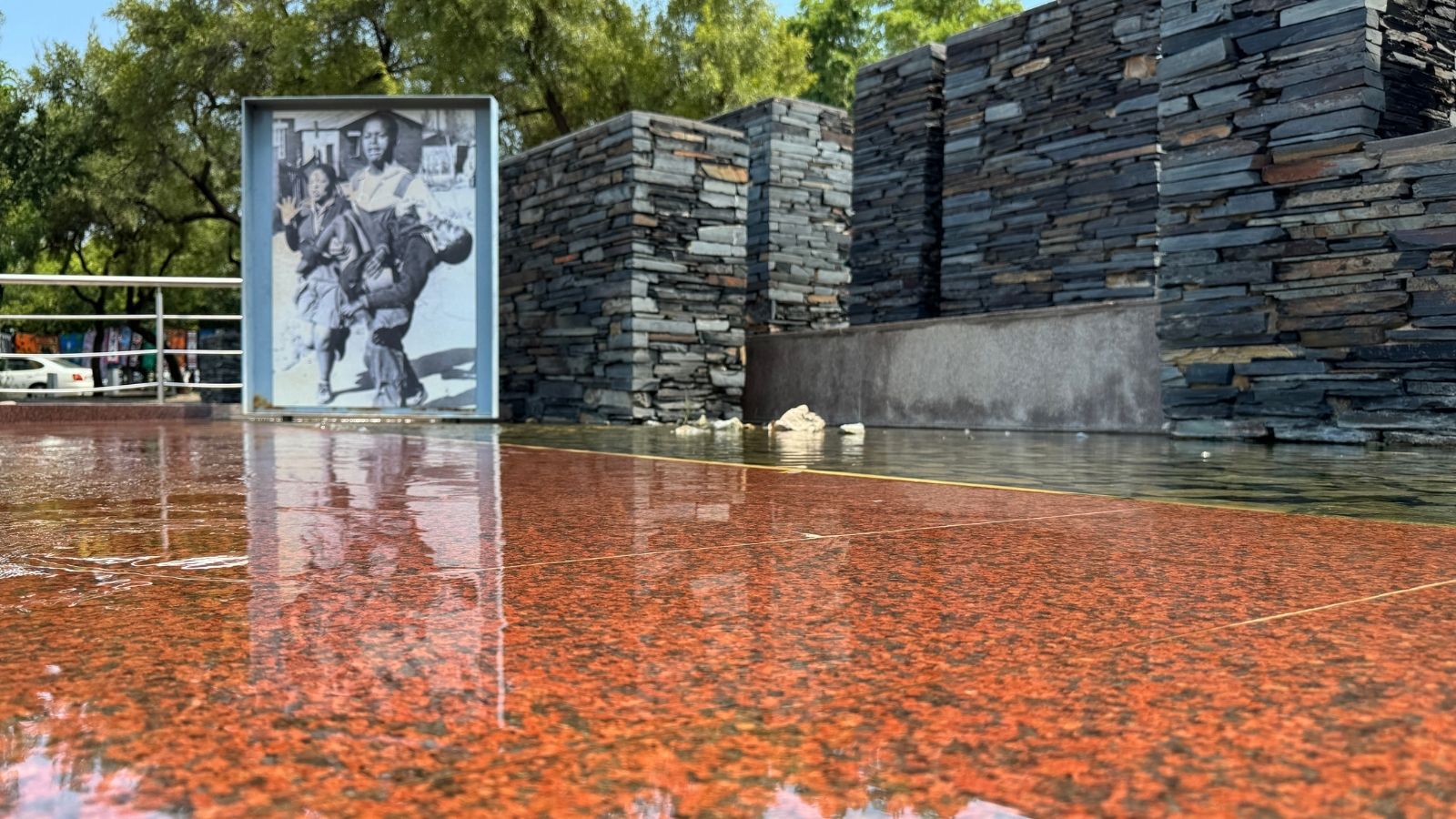
The student uprising of 16 June 1976, sparked by resistance to the compulsory use of Afrikaans in schools, drew international attention to the regime’s repression. The date is now commemorated as Youth Day.
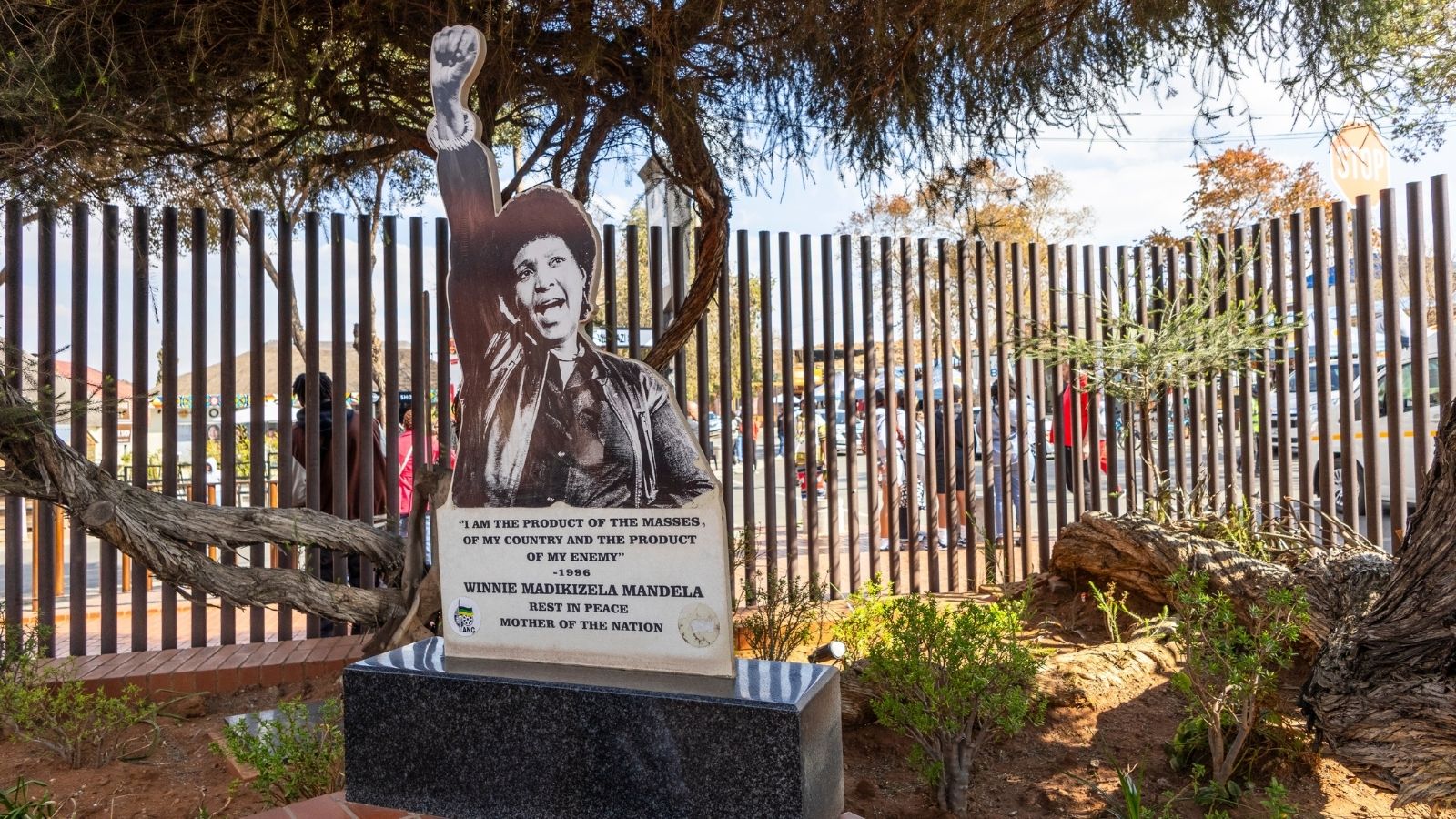
Kliptown was the site of the 1955 Congress of the People, where the Freedom Charter was adopted, while Vilakazi Street in Orlando West is internationally recognised as the home of Nobel Peace Prize winners Nelson Mandela and Desmond Tutu.
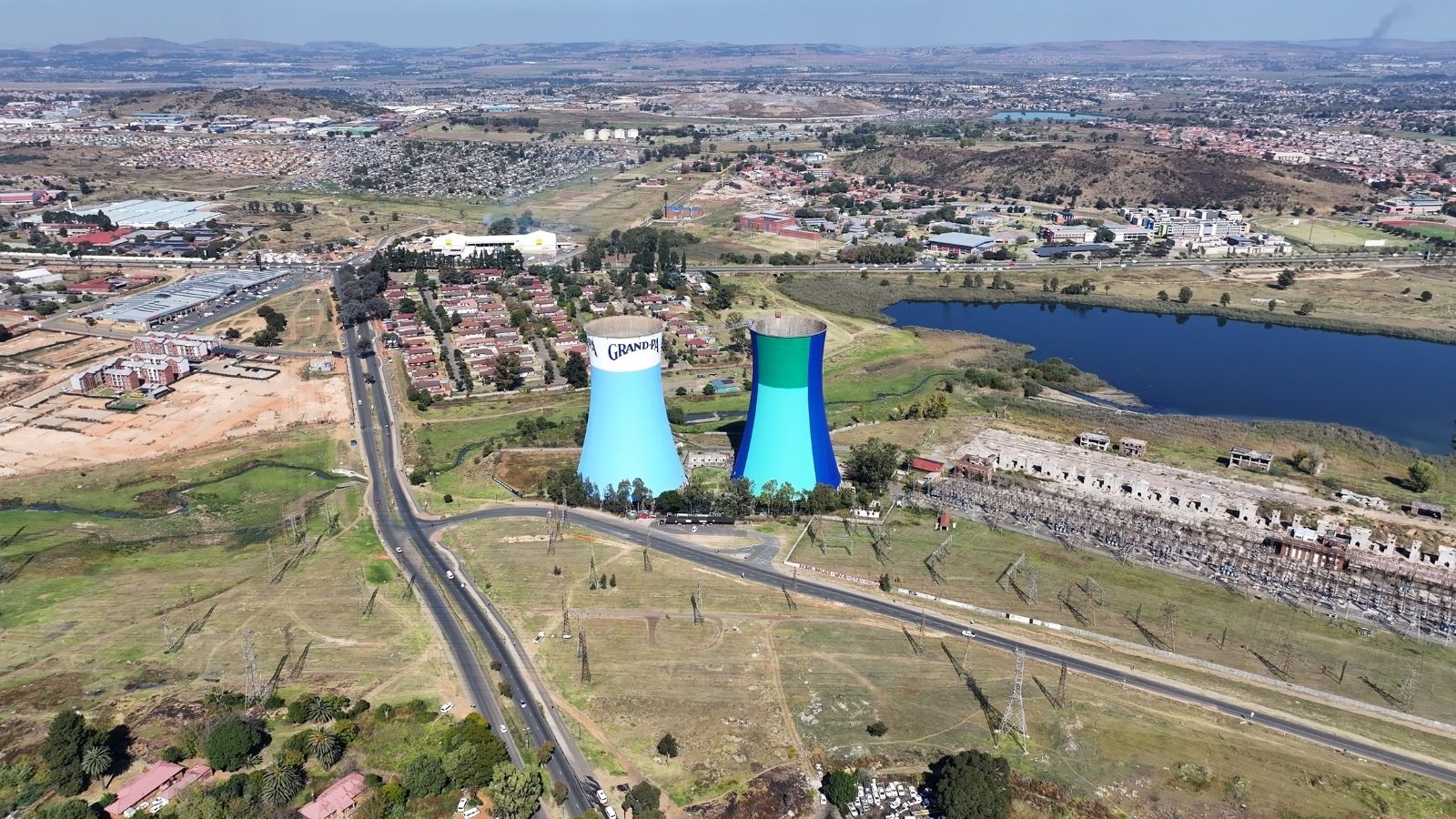
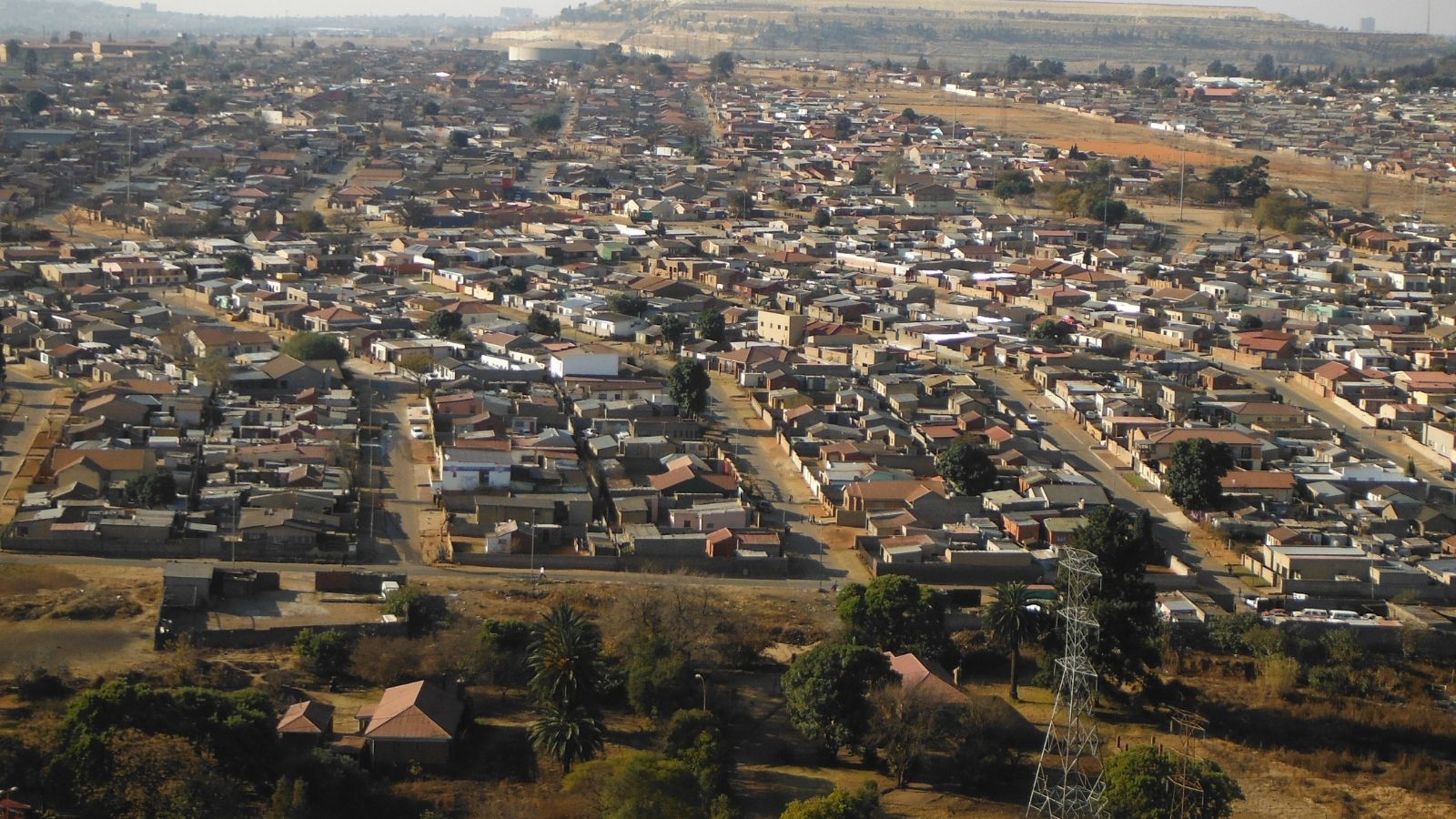
More photos of Soweto


















 Loading ...