

For many South Africans, home ownership just isn’t an option anymore


The rental market in South Africa showed a year-on-year decrease in vacancy rates for the first quarter of 2023 as homeownership became unaffordable for many.
According to the latest TPN Vacancy Survey, the national vacancy rate – the number of vacant properties – dropped 2.07 percentage points YoY from 8.26% in Q1 2022 to 6.19% in Q1 2023.
While this is an encouraging sign for landlords in the country, the credit bureau said the performance of the rental market is partly because home ownership has become unaffordable for many South Africans.
“Given rampant inflation, another interest rate hike, and the cost of mitigating the effects of load shedding – the latter which is potentially the most taxing of all – and it’s clear that consumers are buckling under increased financial pressure,” said the report.
An uncertain economic and political landscape, coupled with severe financial constraints, means that owning new residential property is not a priority in 2023.
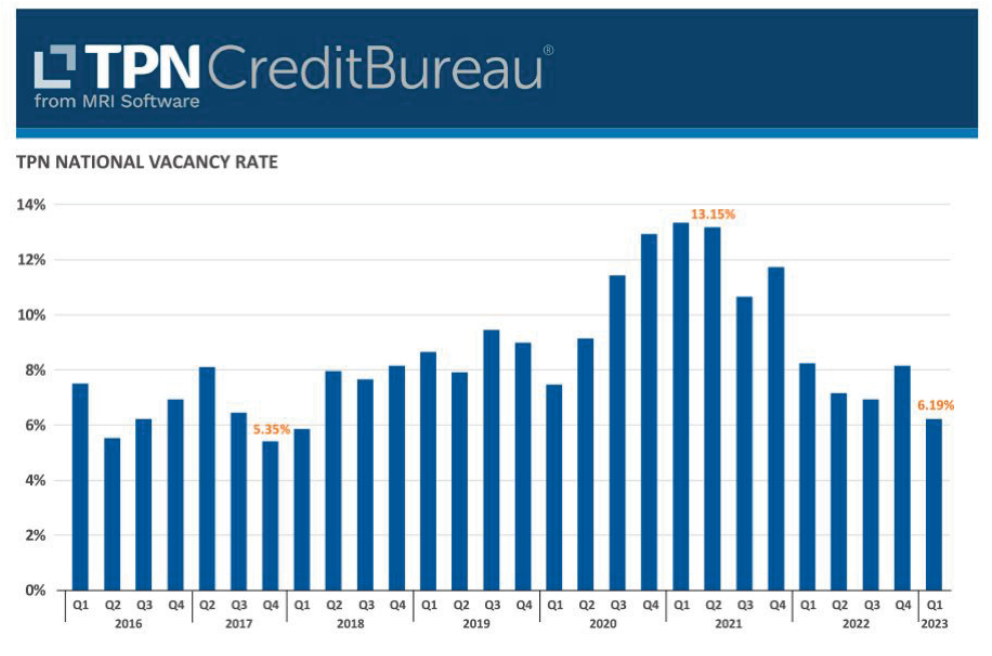
In fact, TPN noted that the previously strong demand for property ownership has now shifted to increased demand for residential rental properties as the rising cost-of-living crisis erodes disposable income.
Consequently, the annual average vacancy rate is declining as consumers opt for more predictable accommodation expenditures. The cost of renting with set escalations, limitations in terms of repair and maintenance costs and protection against interest rate fluctuations provide some sense of predictability.
The credit bureau noted that this observation is evident in the drop in new building plans being submitted for approval to the larger municipalities.
In Q4 2022, the value of submitted plans equated to just under R16 billion, and in Q1 2023, this valuation dropped to just over R12 billion across South Africa.
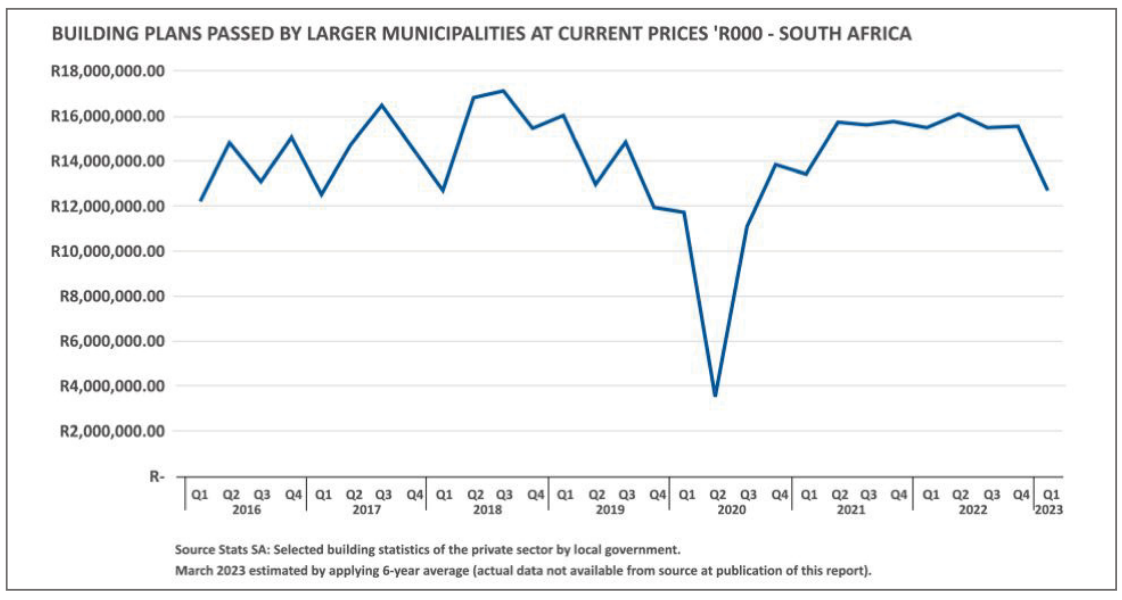
With ever-rising interest rates and stagnant salaries, more and more consumers inevitably turn to rental properties than home ownership in uncertain economic times, said TPN.
This trend is shown by the shifts in the residential rental Market Strength Index, which remains positive at 59.14 as demand outstrips supply.
The demand rating increased from 71.38 points in Q4 2022 to 75.07 in Q1 2023. At the same time, however, the supply rating decreased from 58.47 in Q4 2022 to 56.80 in the first quarter of 2023 – showing demand is sitting close to 20 points higher than available supply in the country.

The report noted that this is expected to get worse, as further decreases in the vacancy rate can be expected as demand remains strong and new stock is slow to enter the market. It added that the average annual vacancies should stay below the 6% to 7% mark for most of the year.
A warning to landlords
Although demand for residential rental property is expected to remain high as consumers choose rental accommodation instead of buying, landlords are warned to stay price sensitive as consumer spending remains constrained.
“The risk for property owners has increased regarding rental collections as consumers battle with juggling the increased cost of living and stagnant income growth.
“Landlords are cautioned against imposing aggressive rental hikes and need to be aware of the potential rise in the risk of delinquent tenants,” said TPN.
The credit bureau added that meeting tenants’ need for predictability will help to attract and retain quality tenants. Landlords who provide a small UPS to keep the internet on during power cuts, inverters or solar energy will position their properties more competitively, it added.
It is vital in this environment that landlords vet every applicant thoroughly for affordability and fraud prevention. In addition, they should keep communication channels open if a tenant’s situation changes, given these unpredictable economic and political times, said TPN.


















 Loading ...