

Inside the Afrikaner-only town close to Pretoria


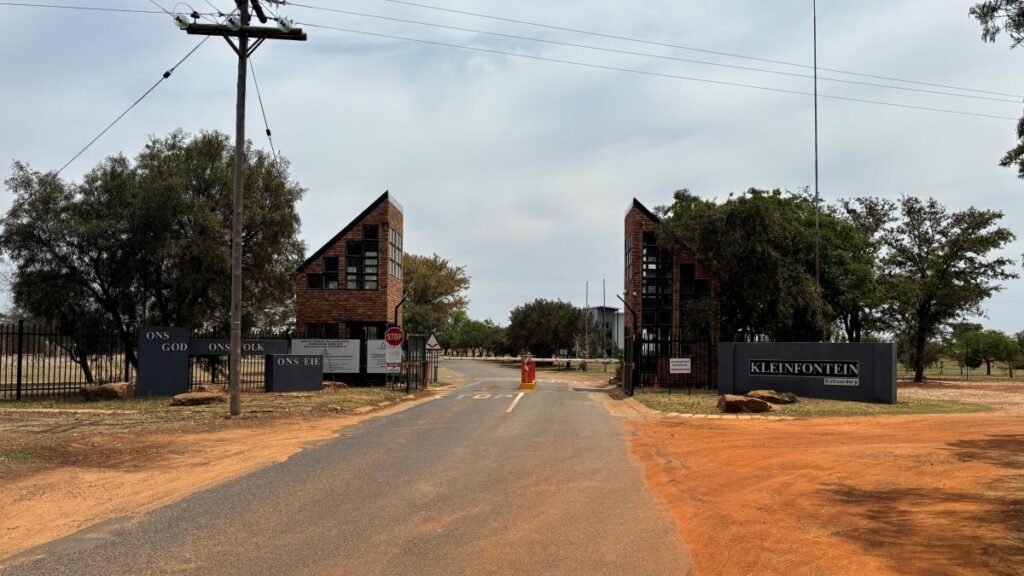
BusinessTech visited the controversial Afrikaner-only settlement, Kleinfontein. What we saw was a safe, clean, friendly, and peaceful town.
Kleinfontein is a privately established settlement near Rayton, about 30 km east of Pretoria. It’s best known as an Afrikaner-only community similar to Orania.
The Kleinfontein farm was bought in 1992 by the Boer Freedom Movement and developed as an enclave to preserve Afrikaner culture and heritage.
It was established after the end of apartheid in response to perceived threats to their culture and rising crime rates.
Residents adhere to specific cultural and religious beliefs as part of the town’s aim to preserve their Afrikaner heritage.
It was initially a cooperative with houses on the Kleinfontein farm. By 2017, the community had grown to 1,200 residents with its own primary school.
In March 2018, after a nine-month process, Kleinfontein was converted from a cooperative into a share-block scheme.
Participation occurs through contracts outlining members’ obligations and inheritable usage rights.
This effectively amounts to residential rights in a farming area under a share-block form of ownership.
The community’s goal is to develop its property into a living space for freedom-minded Boer-Afrikaners. The core values of the community include their Christian faith, Afrikaans language, and cultural heritage.
A prosperous local economy is pursued, based on the labour of their own people. All gardening, domestic, and construction work is carried out only by Afrikaners.
The residents do not regard themselves as racists, but rather as people who, for safety and other reasons, wish to live in a separate rather than a mixed system.
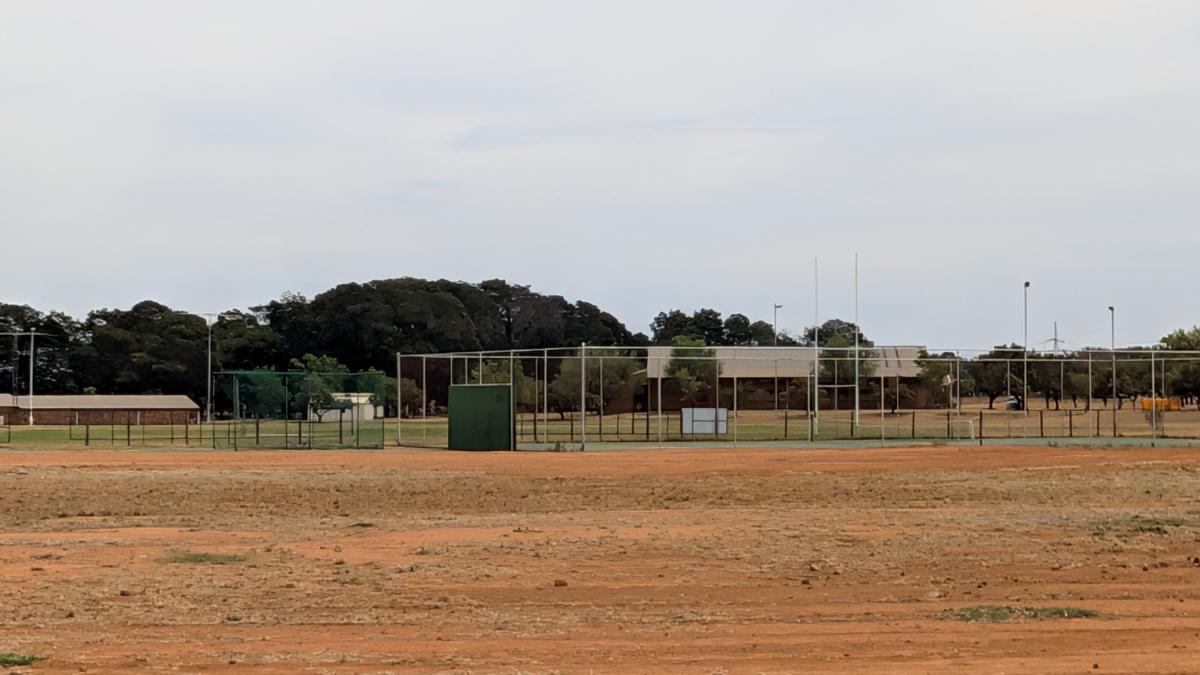
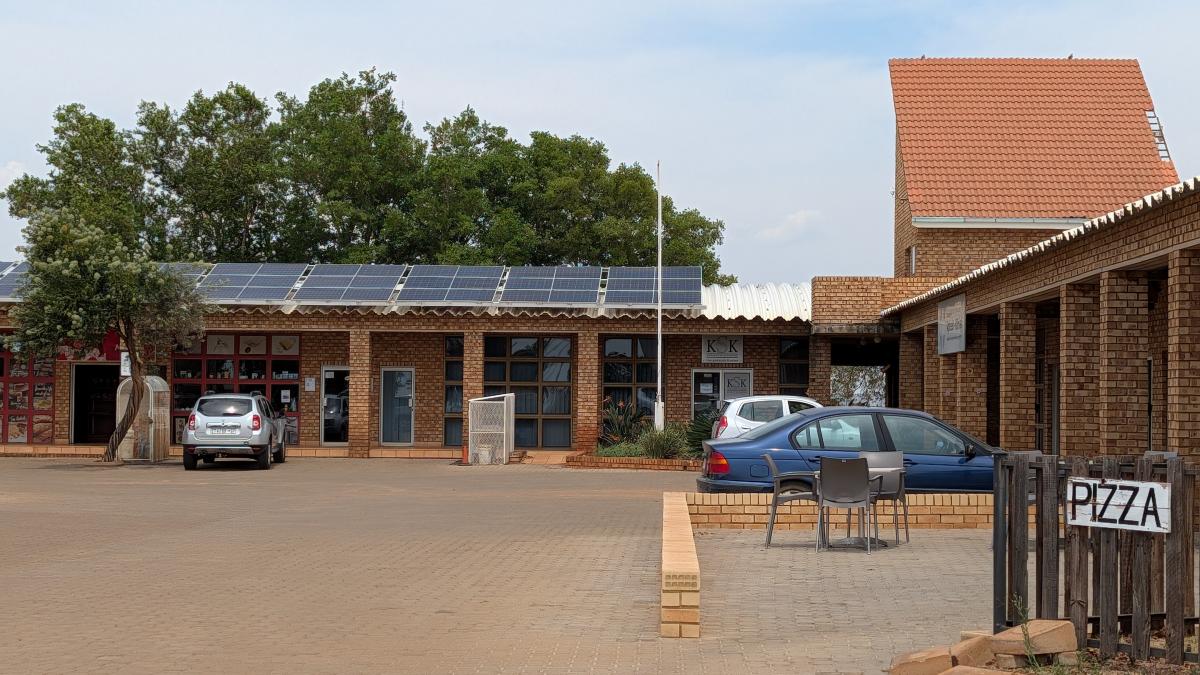
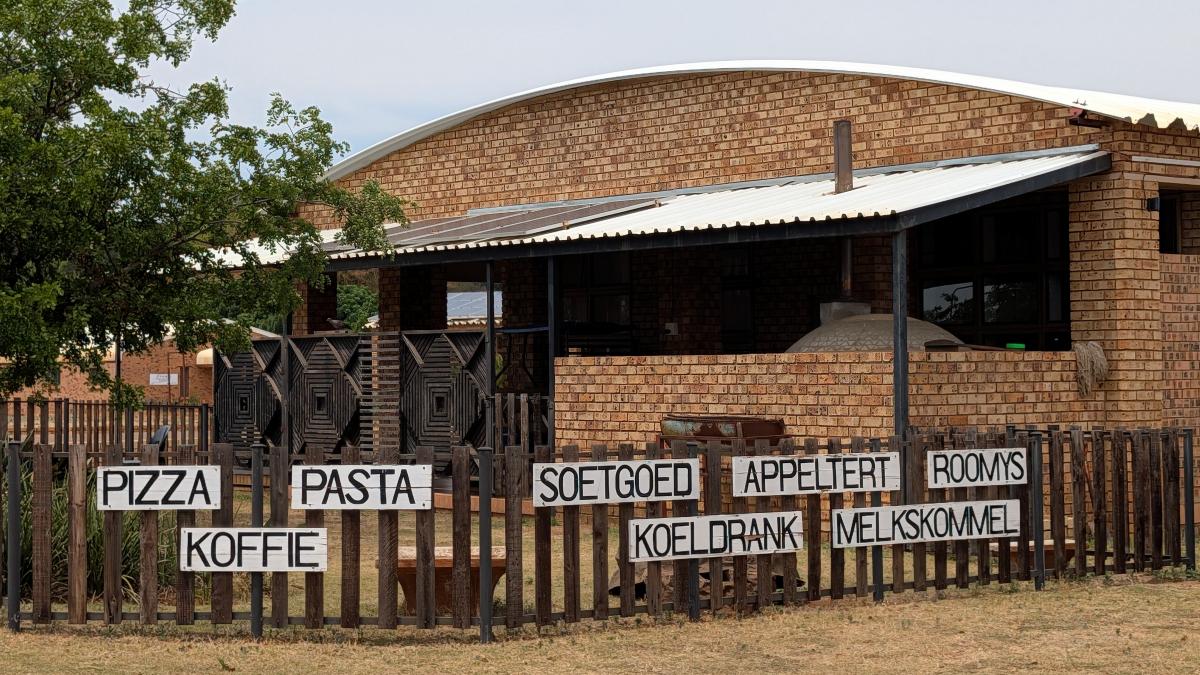
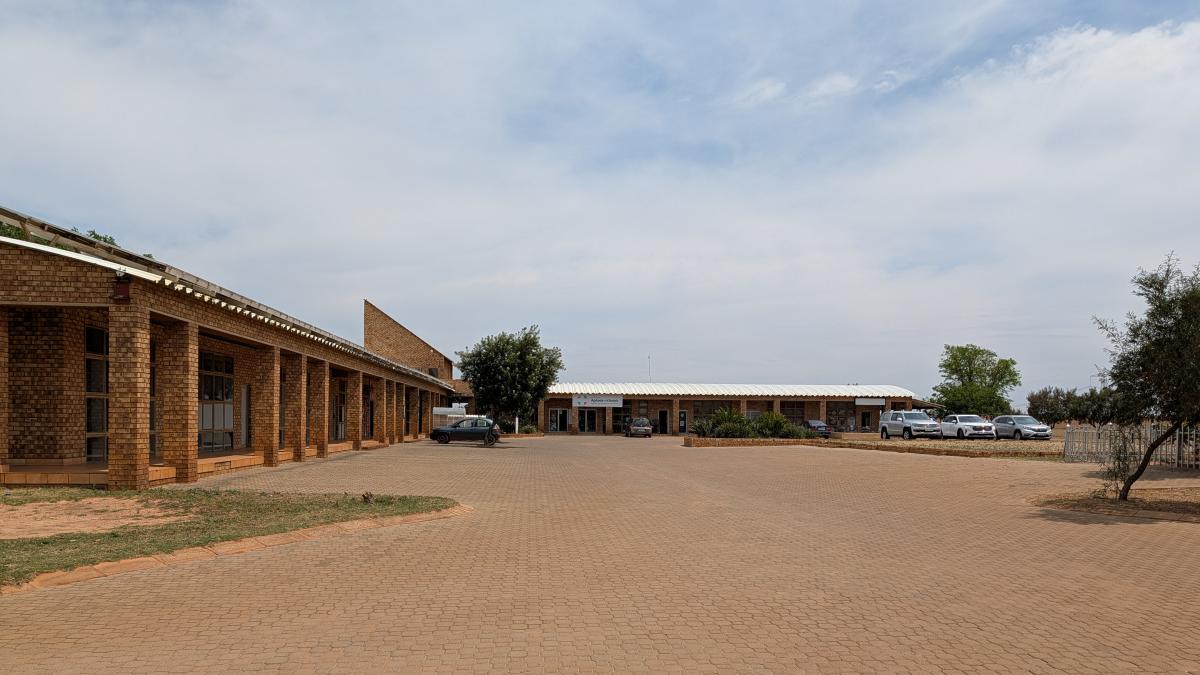
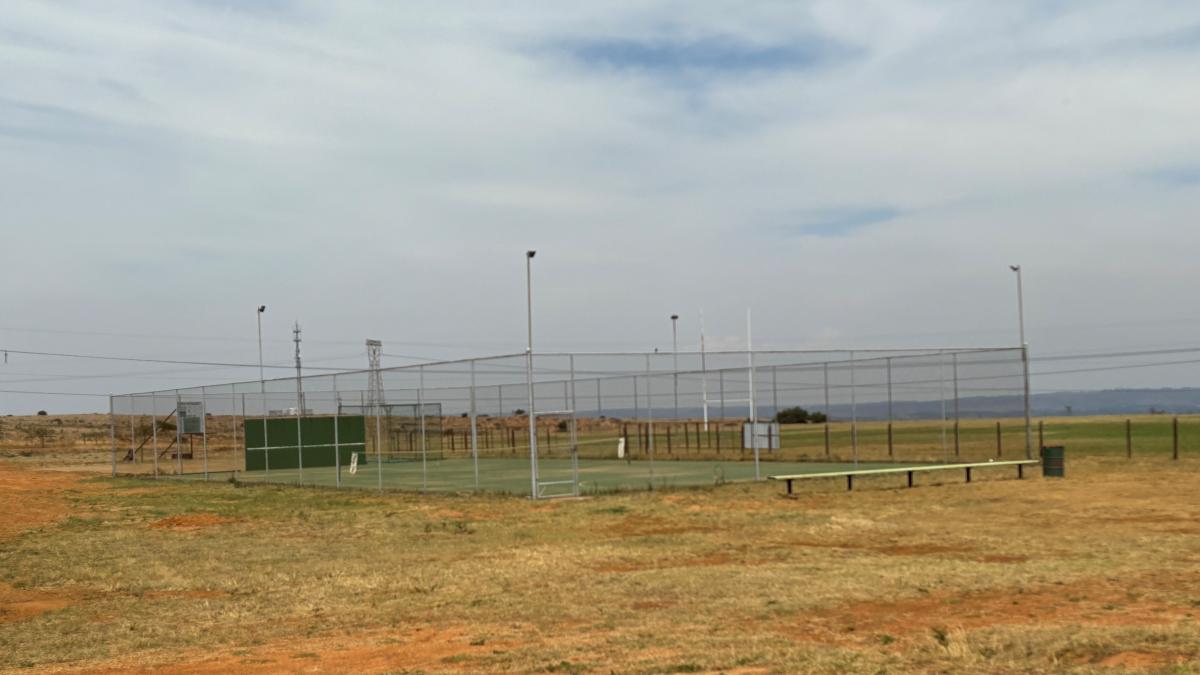
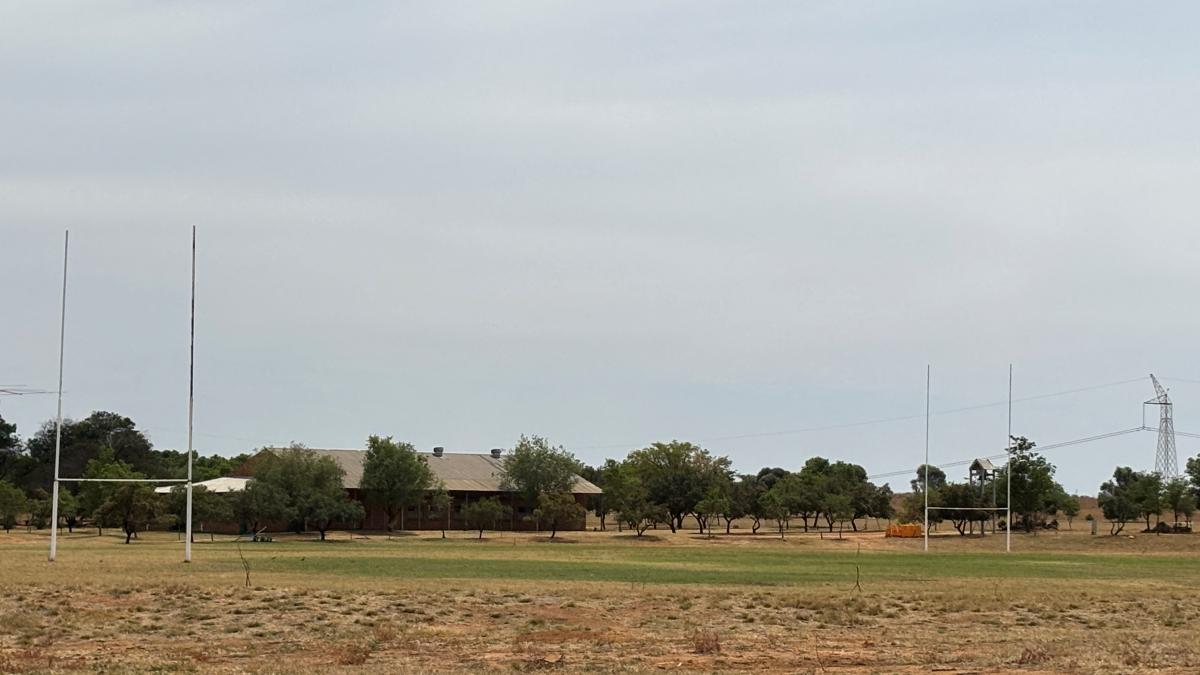
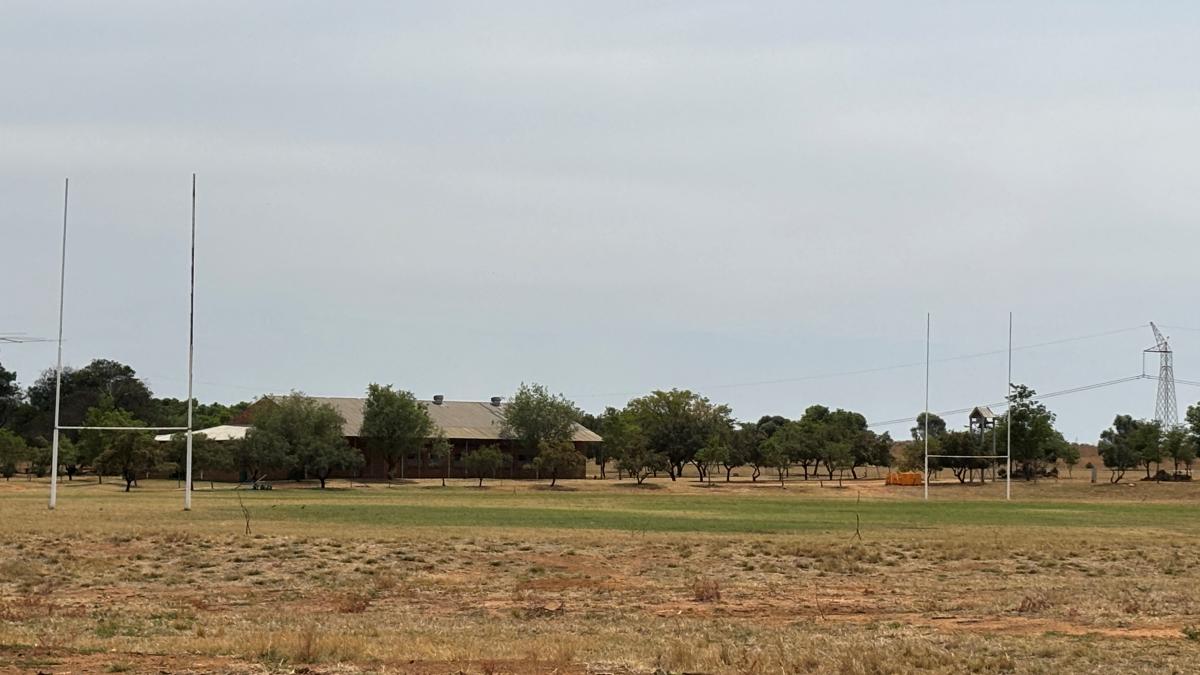
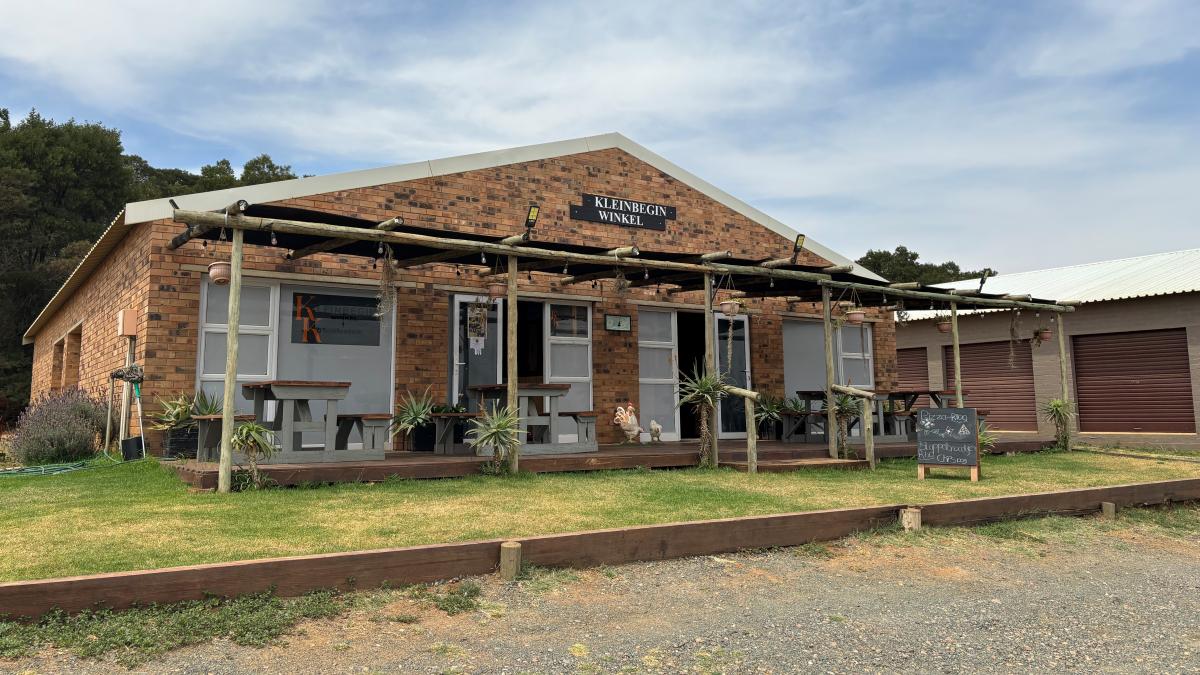
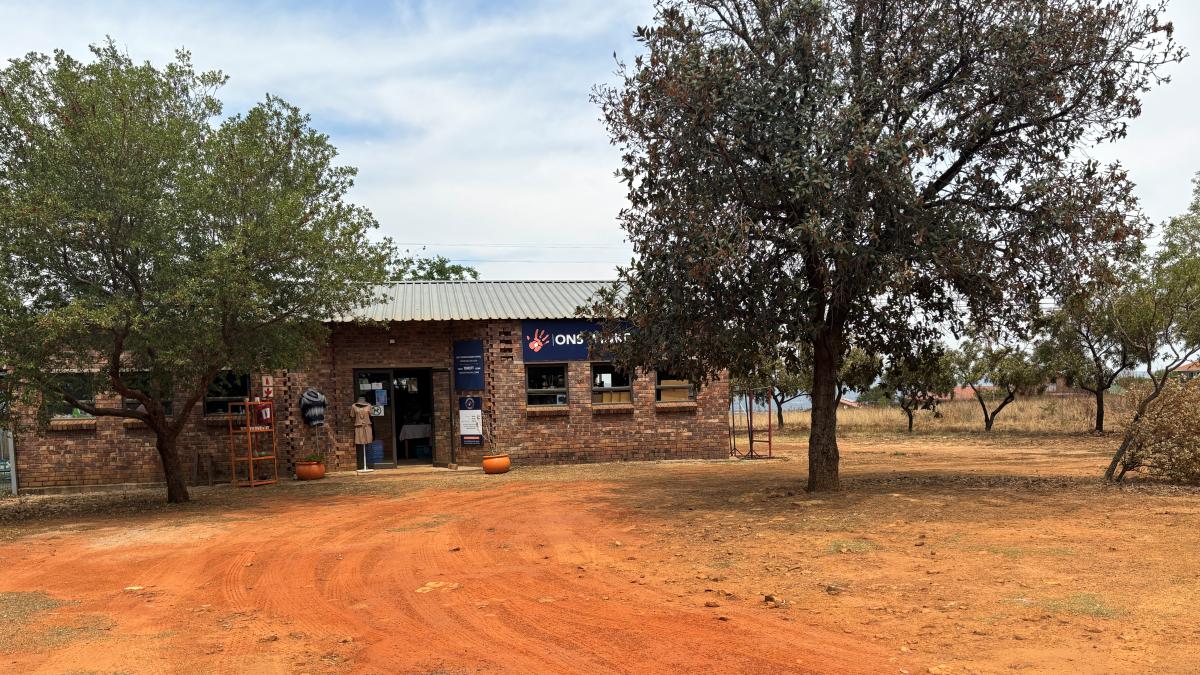
Today, Kleinfontein boasts multiple neighbourhoods and retirement villages, a shopping centre, sports grounds, and commercial endeavours.
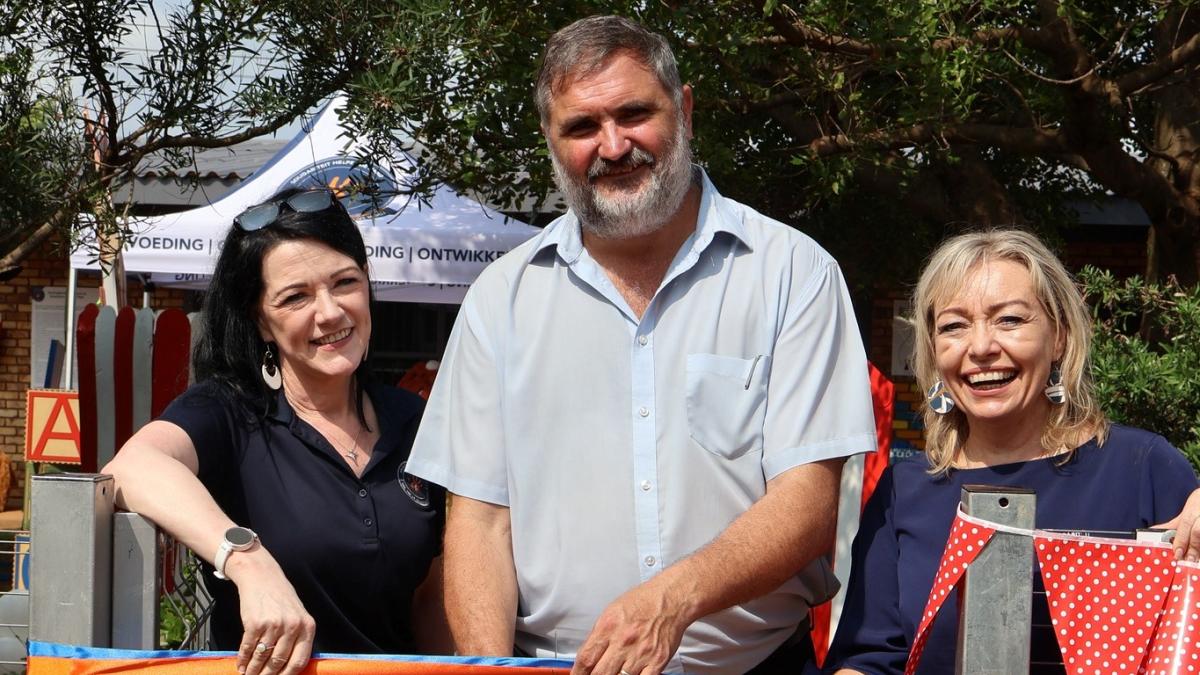
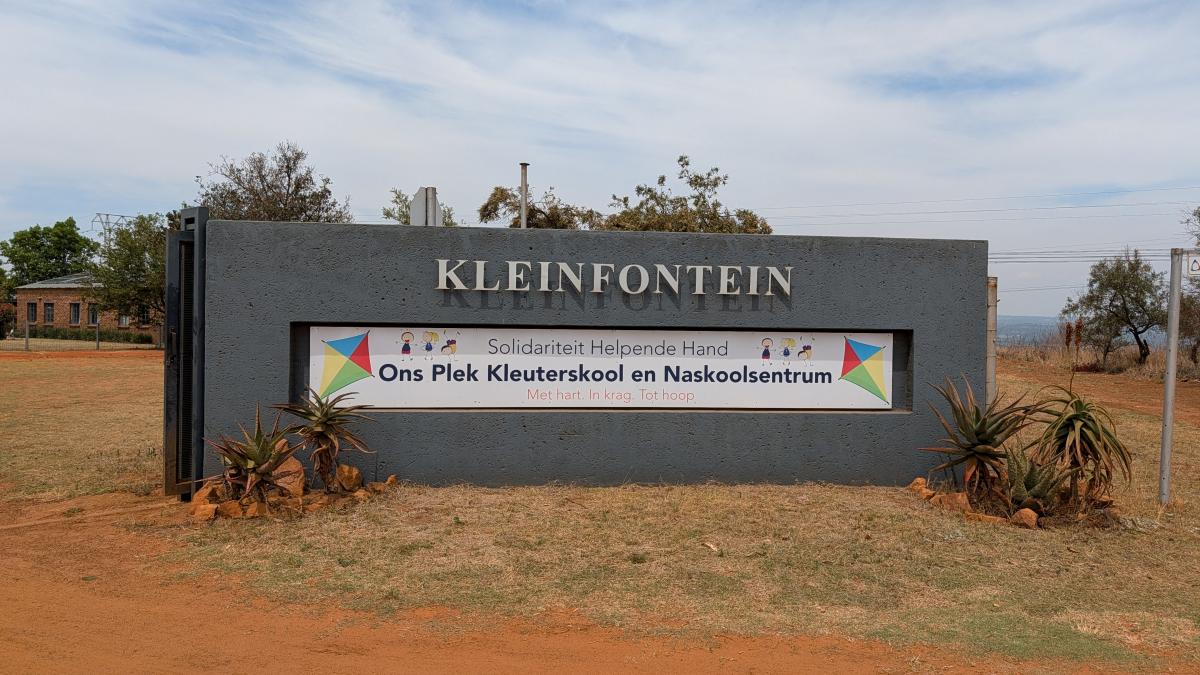
In March 2025, Solidariteit Helpende Hand’s Ons Plek officially opened a preschool and aftercare centre in Kleinfontein.
This initiative aims to provide quality Afrikaans education and care to children from all economic backgrounds.
Solidariteit Helpende Hand said the centre addressed the community’s need for quality education, child safety, and the transfer of Christian values and Afrikaner culture.
Political fight around Kleinfontein
Kleinfontein has been the target of numerous protests and attacks, with some groups vying to end its existence.
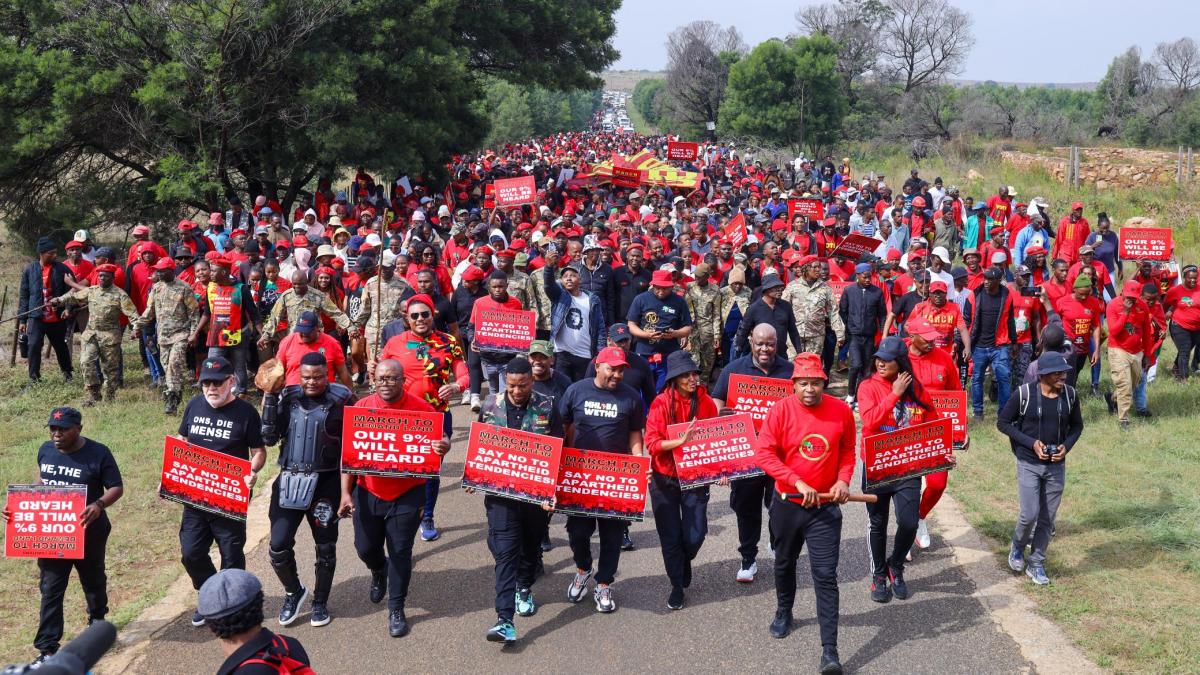
Earlier this year, the Economic Freedom Fighters (EFF) led a protest at Kleinfontein, saying they want the Afrikaner-only community abolished immediately.
EFF MP Carl Niehaus said enclaves like Orania and Kleinfontein in post-apartheid South Africa are a threat to nation-building, nonracialism and social cohesion.
“These are not mere settlements. They are strongholds for racial segregation meticulously designed to fracture our nation,” he said.
“Their mortal intent is to sabotage non-racialism and to shred the fragile threads of social cohesion and the very soul of our nation-building endeavours.”
The EFF called for such enclaves to be eradicated and the ideologies on which they are based to be eliminated permanently.
ANC MP David Kgabo agreed, saying his party believes such settlements represent a direct challenge to the post-1994 democratic transition.
“Their presence represents the persistent right-wing and neo-liberal forces that seek to maintain racist and exclusionary legacies of apartheid,” he said.
MK Party MP Nathi Nxumalo argued that settlements of this kind are far from innocent cultural symbols.
“Instead, they fortify white supremacy and racism, and we should take steps to confront this festering wound,” he said.
Action SA MP Lerato Ngobeni said that these “race-based and racist settlements” are proof that Verwoerd is alive and well in post-apartheid South Africa.
Freedom Front Plus MP Petrus Mulder hit back, saying South Africa’s Constitution enshrined the rights to culture, religious practices, self-determination, and territorial determination.
He also questioned which posed the bigger threat to South African society: the allegedly racist communities or political parties that sow dissent.
Battle with the Tshwane Metro Council
Last year, the Gauteng High Court found that the residents of Kleinfontein were living there illegally as the land is not zoned for residential purposes.
The court ordered the City of Tshwane to take appropriate steps to enforce all relevant planning and building regulations laws.
Kleinfontein’s leaders accused the City of Tshwane of delaying the rezoning process, despite the community’s long-standing presence on land initially zoned for agriculture.
Rian Genis, chairperson of the board of directors, said the City of Tshwane has made numerous promises to address its application, without any results.
“Every single mayor before the DA mayor promised us that they would assist us in formalising the settlement,” he said.
“We have a formalisation application that is pending, and that formalisation application has been pending since 2011.”
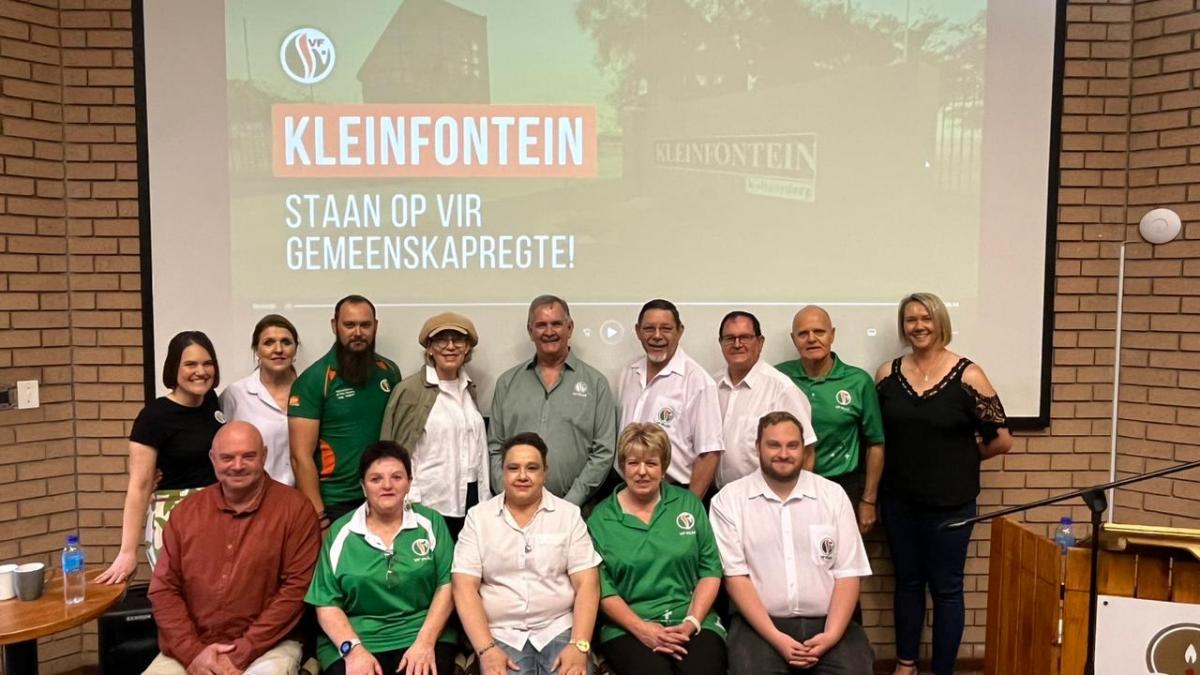
The Freedom Front Plus (VF Plus) argued that a hostile Tshwane Metro Council and other political parties target Kleinfontein.
“The Tshwane Metro recently increased the community’s property taxes from between R6,000 and R7,000 per month to an unrealistic R2 million per month,” the VF Plus said.
The political party said that with a revenue totalling R1.5 million, Kleinfontein cannot afford the taxes.
“Kleinfontein is entirely independent and does not require the Metro’s municipal services,” FF Plus councillor Grandi Theunissen said.
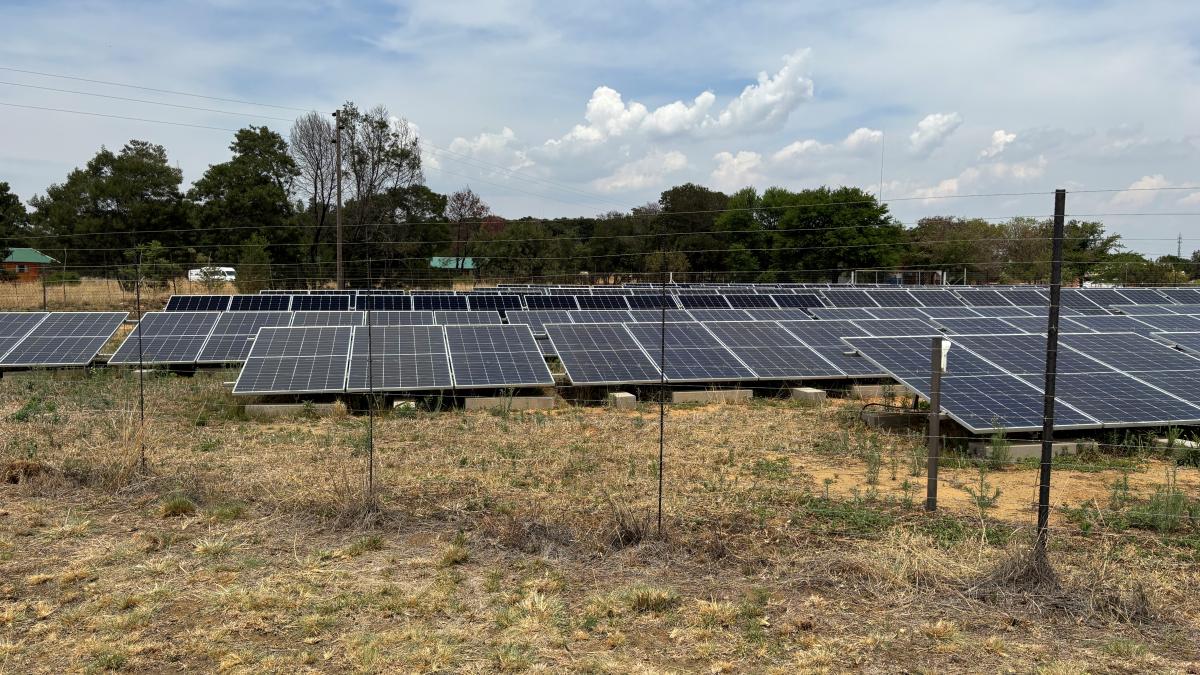
It manages its own water supply through 34 boreholes, supplies its own electricity via a solar power system and direct purchases from Eskom, and maintains its own sewage treatment plant.
“This self-sufficiency saves the Metro thousands, yet the community is still burdened with unfair rates that do not correspond to service delivery,” Theunissen said.
Dannie de Beer, spokesperson for Kleinfontein, states that the settlement’s self-governance model could serve as an example for South Africa.
Kleinfontein even provides services beyond its borders and deserves compensation, not criticism, for this contribution.
BusinessTech visits Kleinfontein to see what the town is like
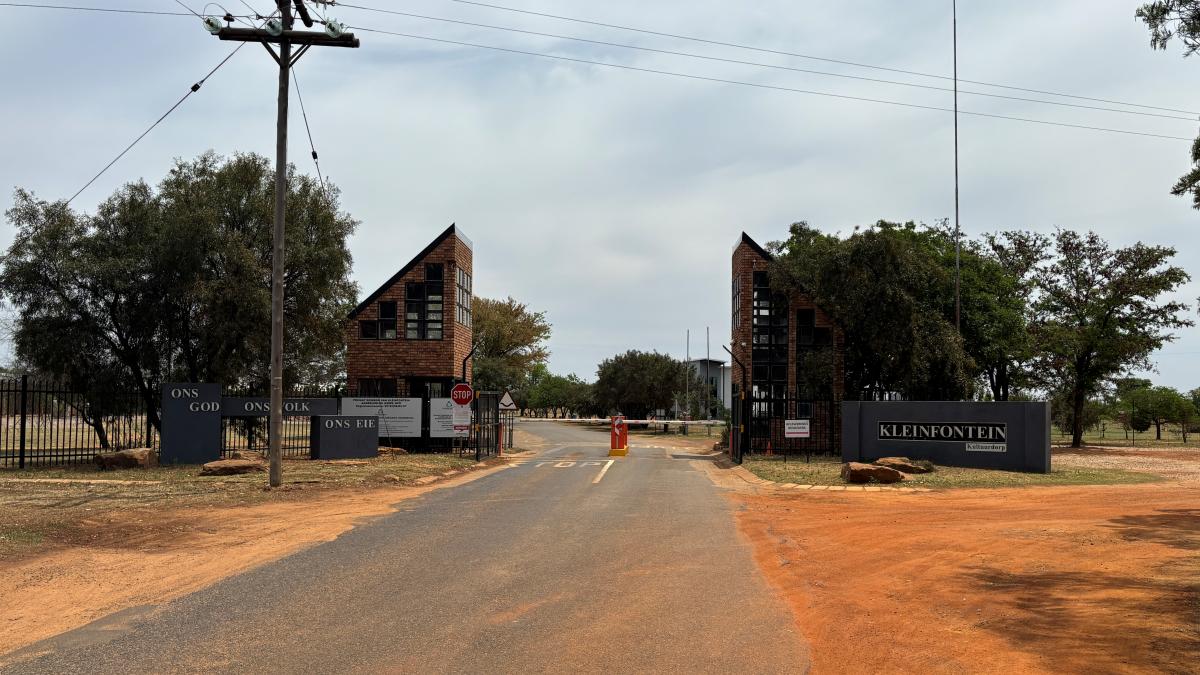
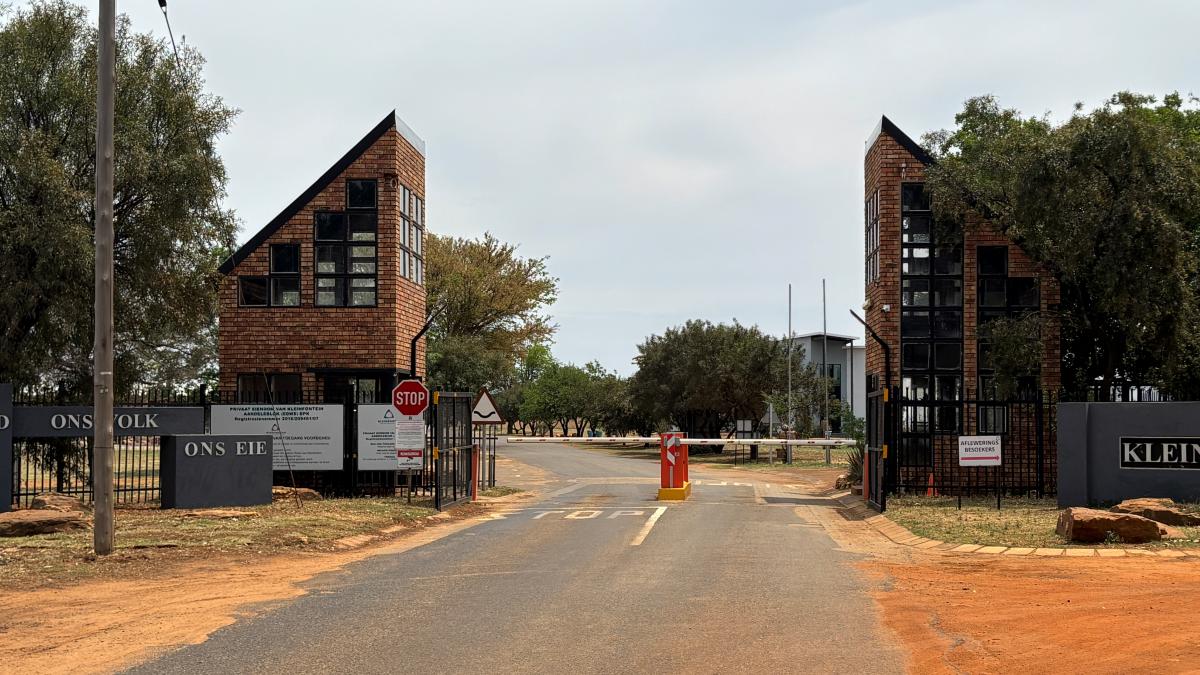
BusinessTech visited Kleinfontein to see for itself what the Afrikaner-only town is like. This was an unannounced visit to experience the town without any interference.
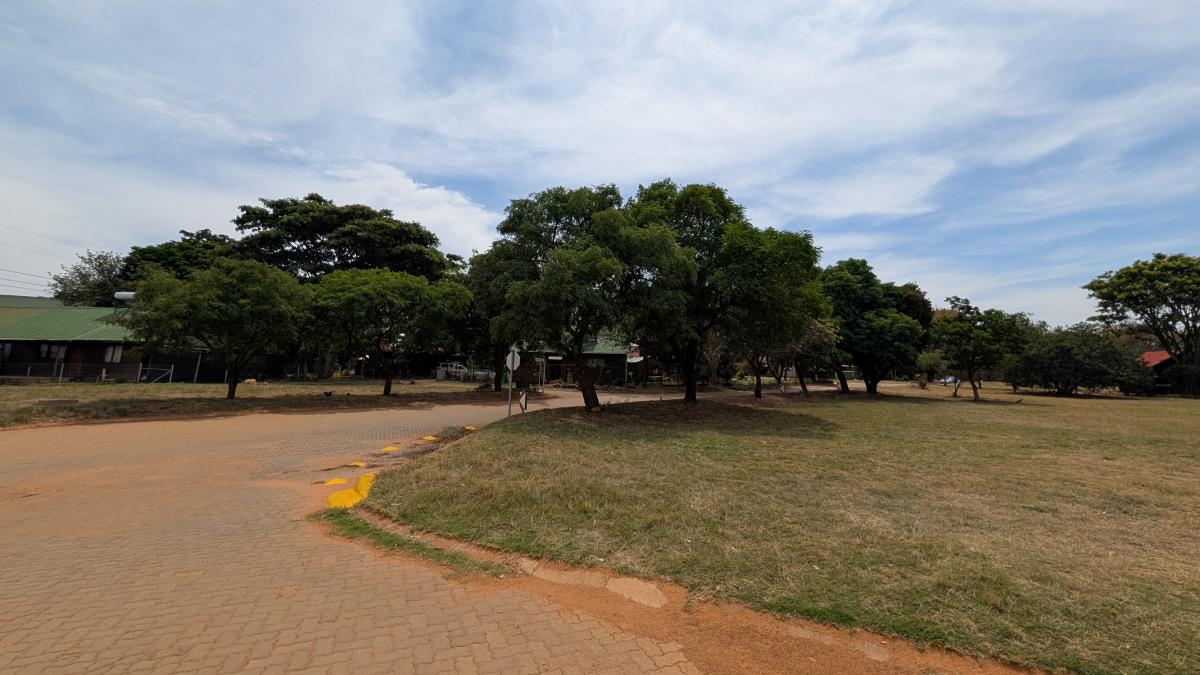
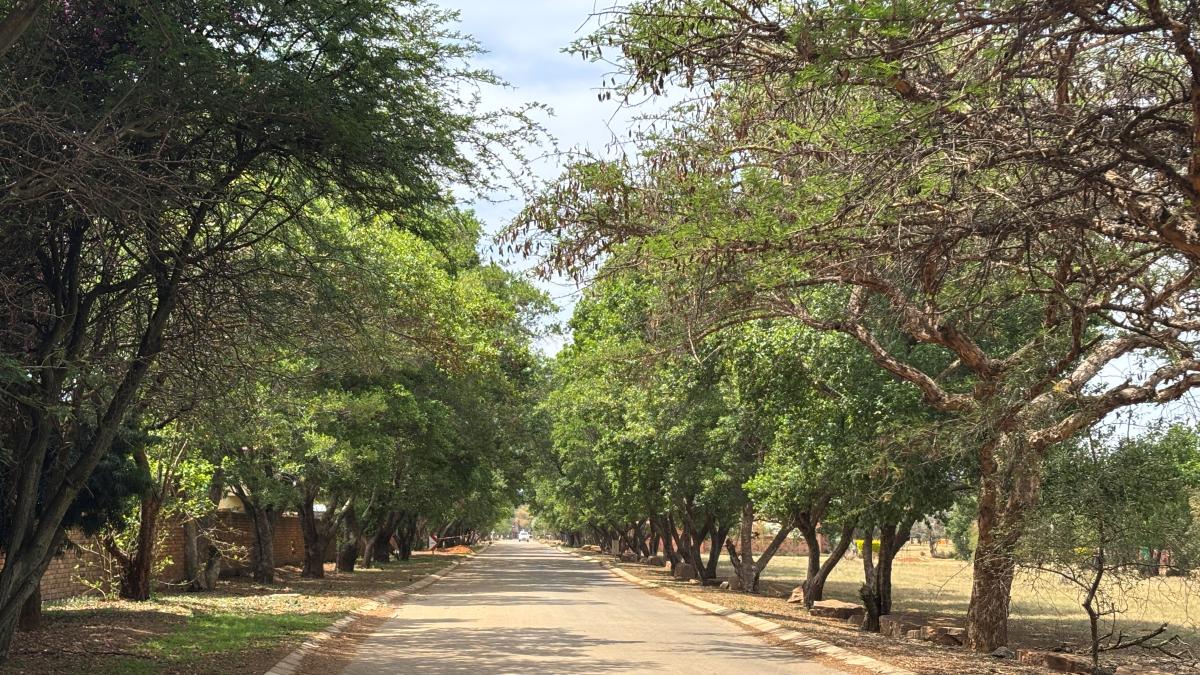
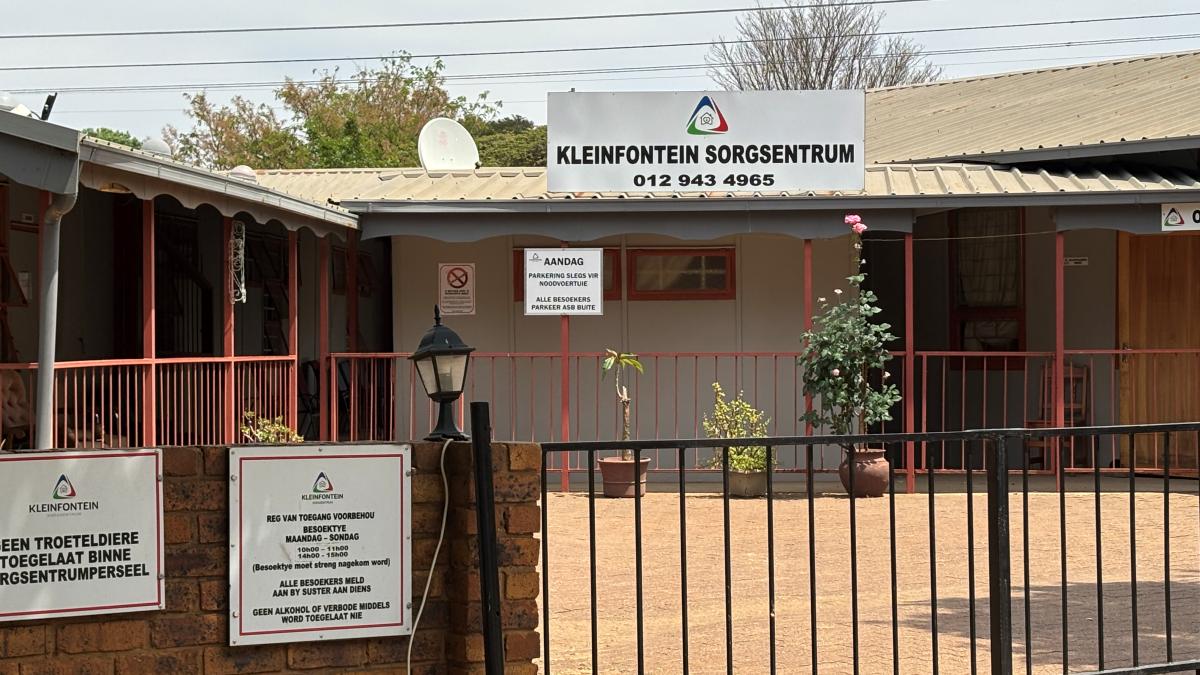
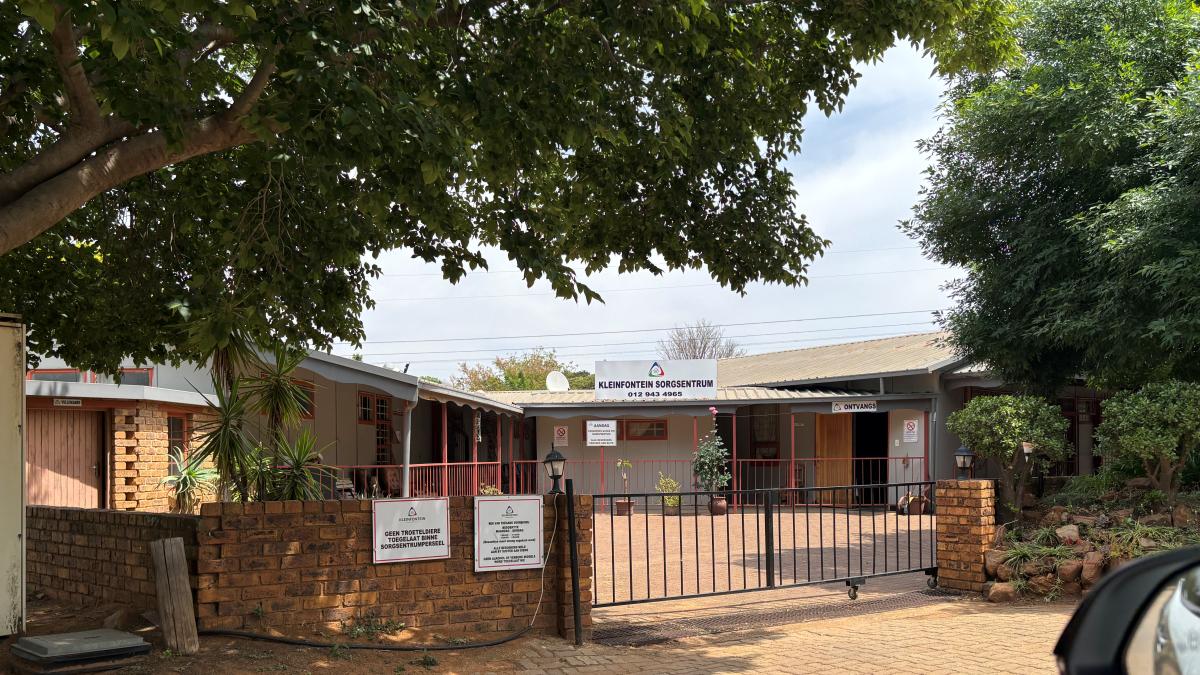
What we found was a clean and safe town with friendly people. It was particularly striking how peaceful it was.
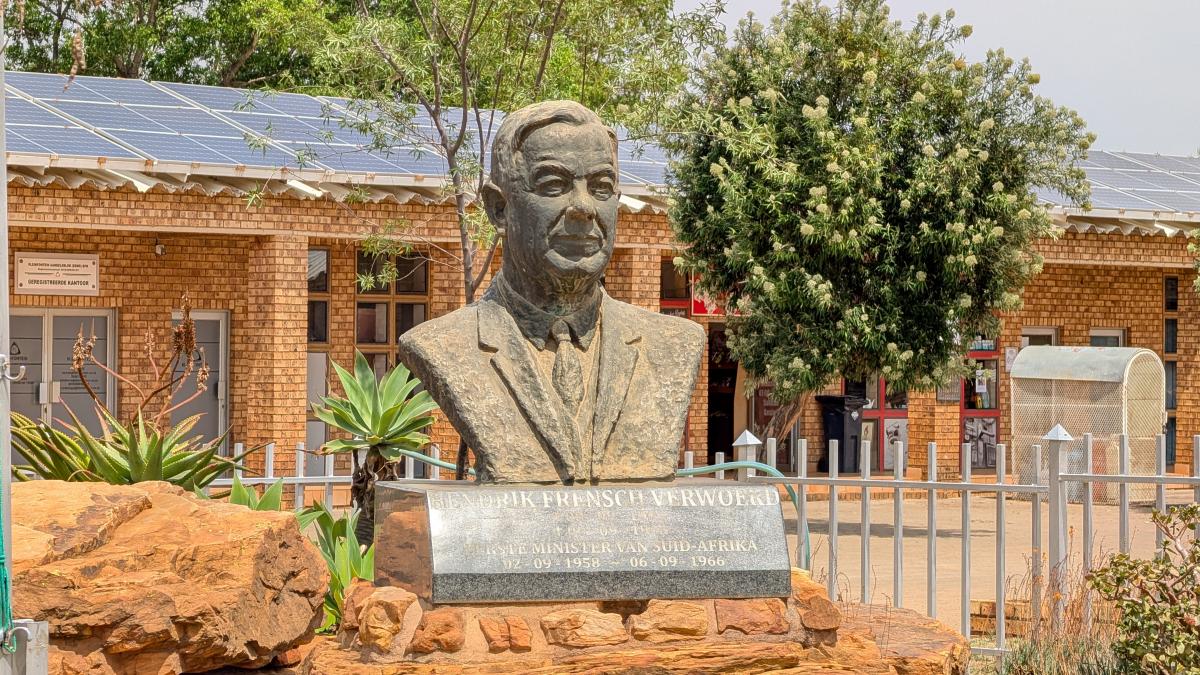
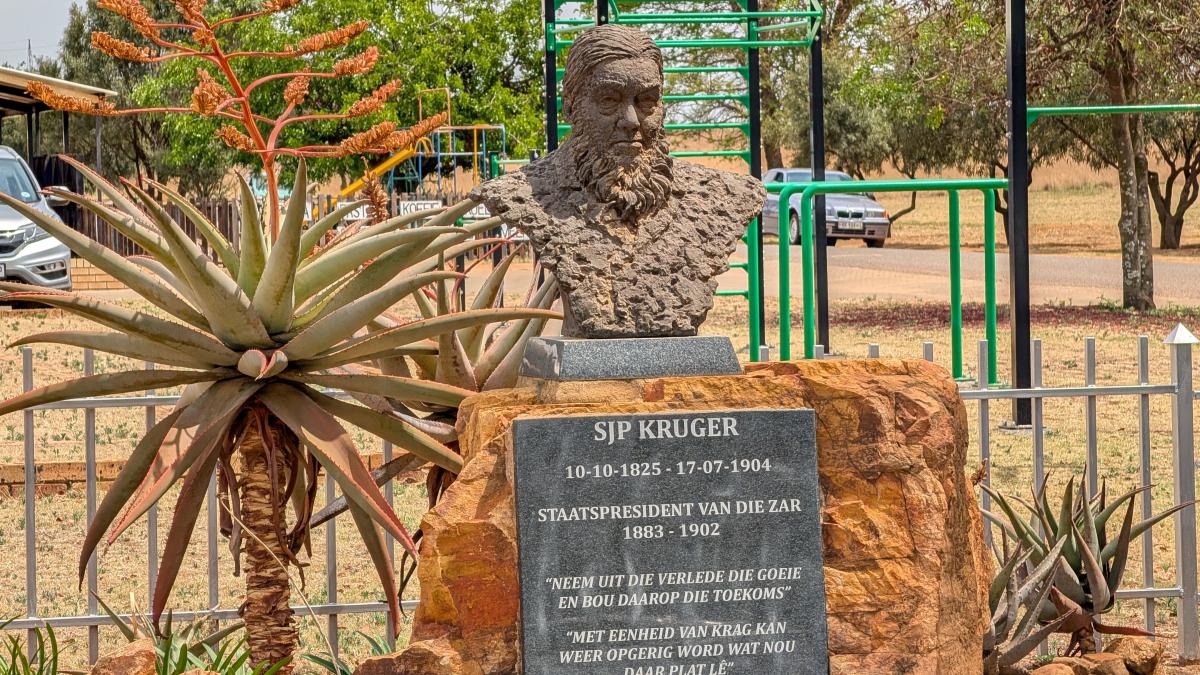
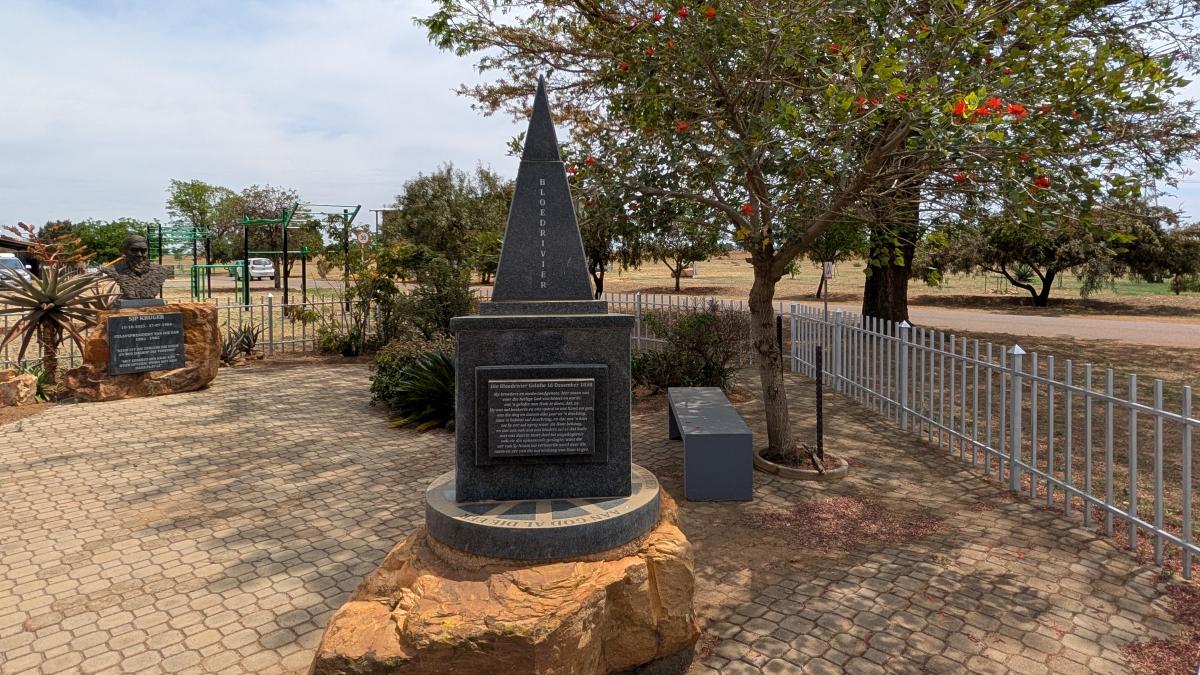
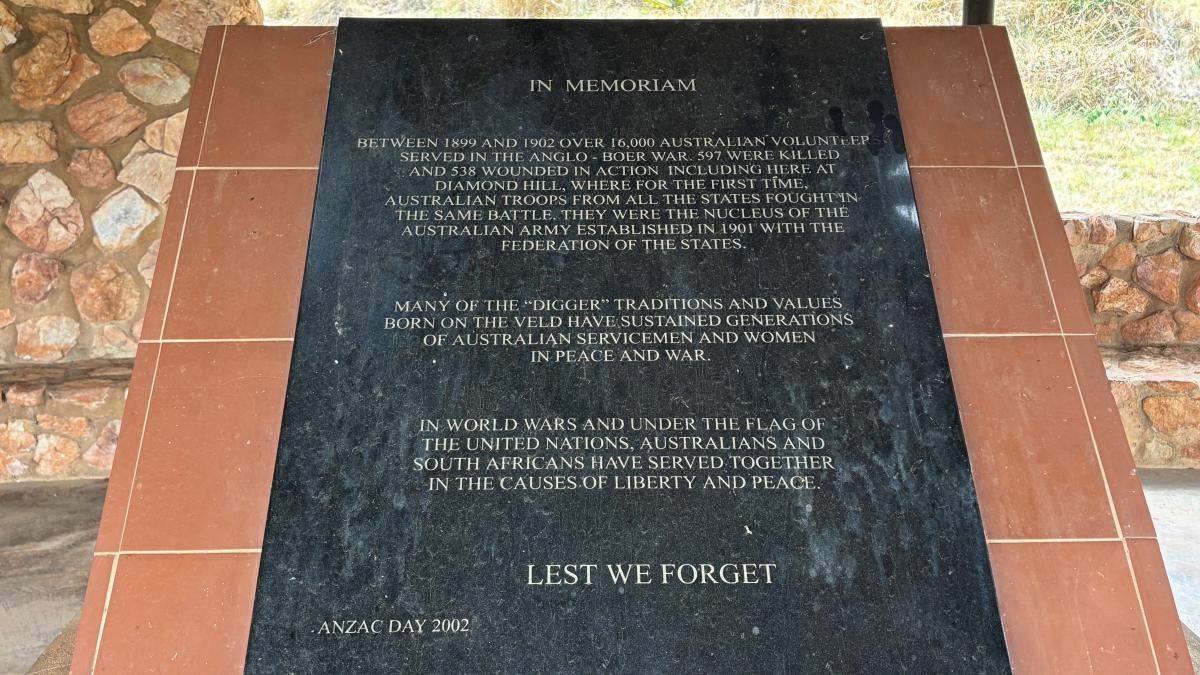
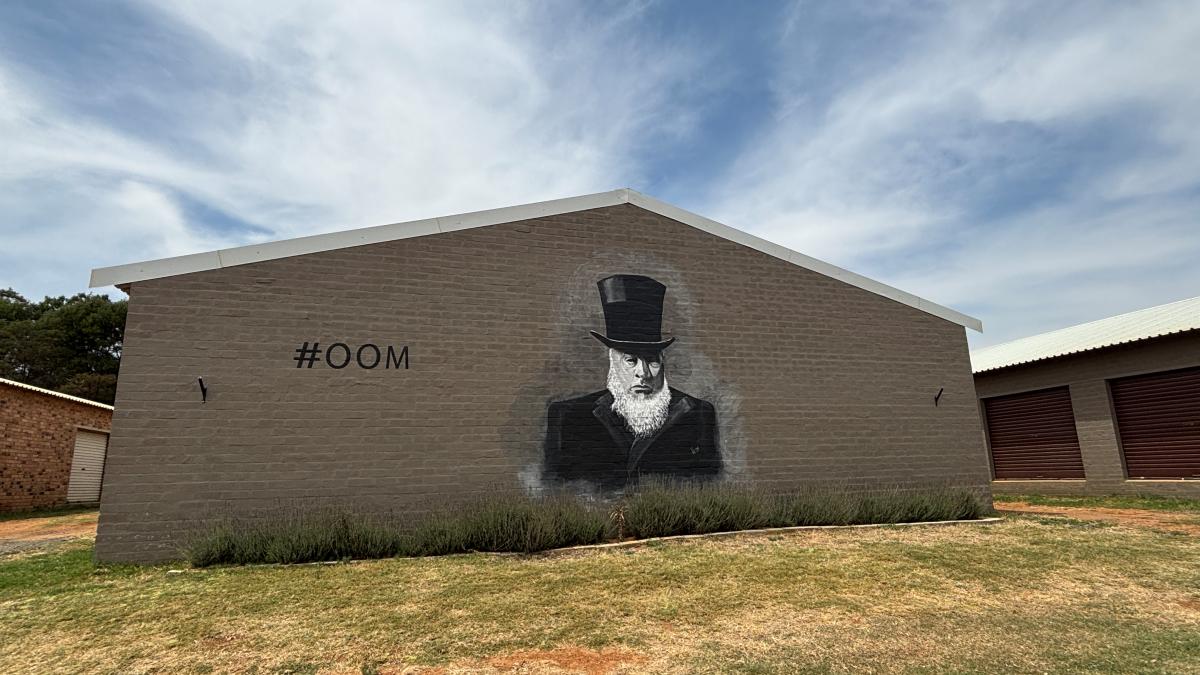
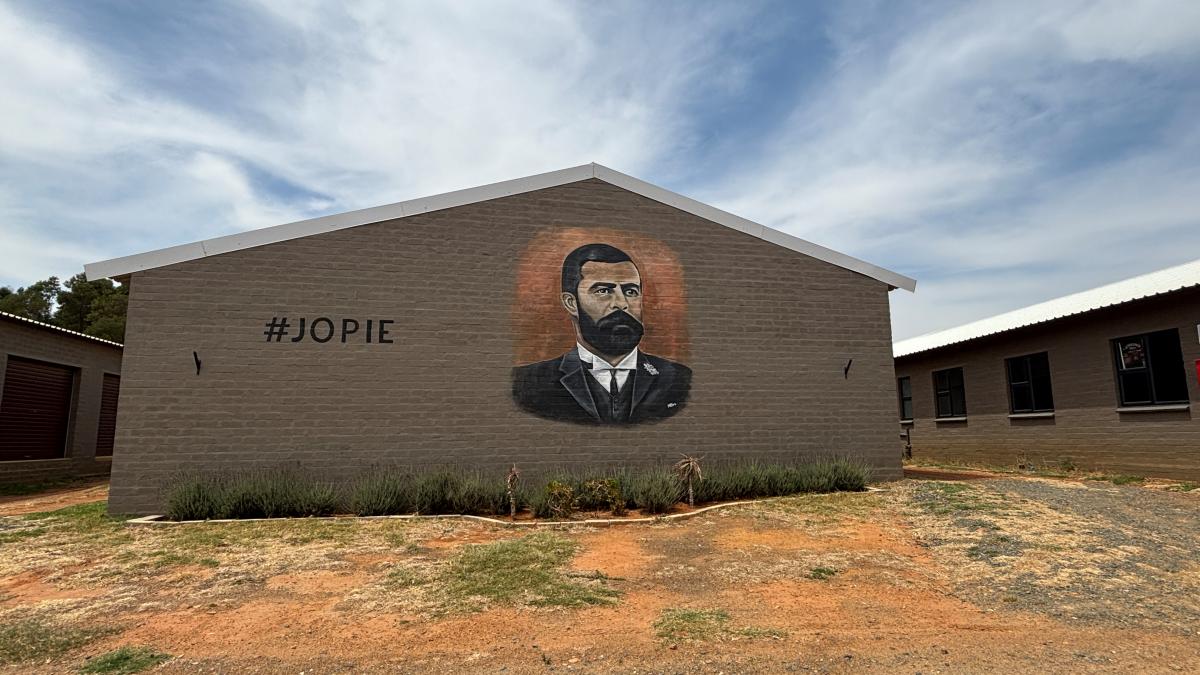
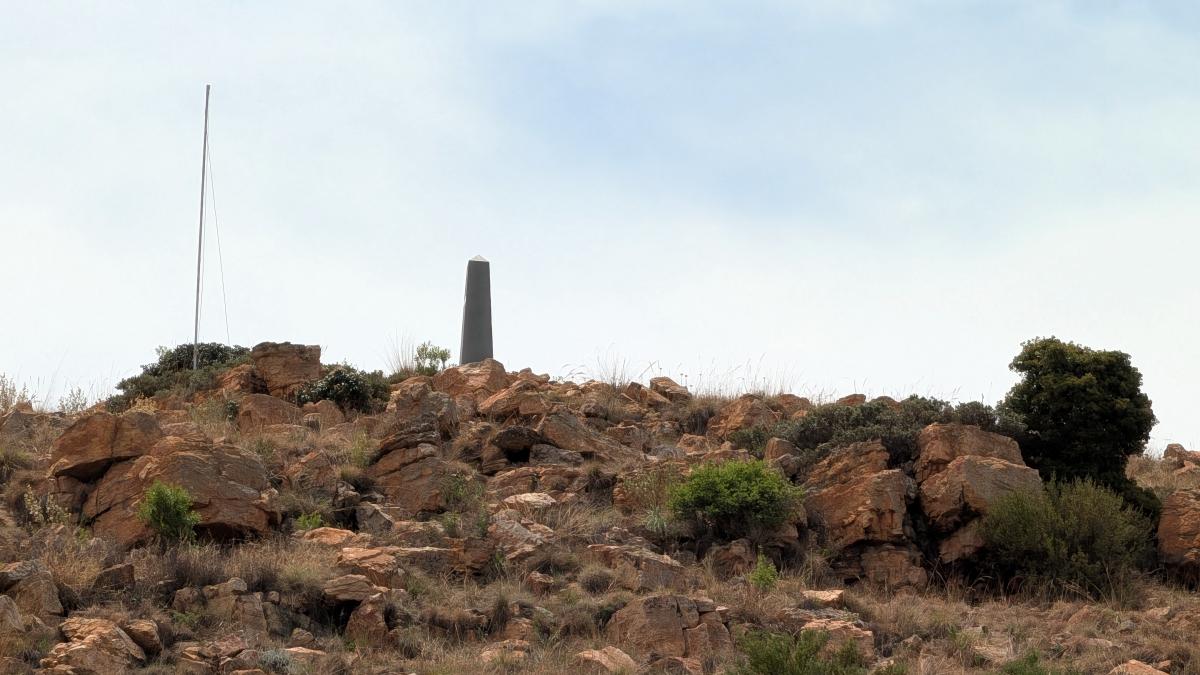
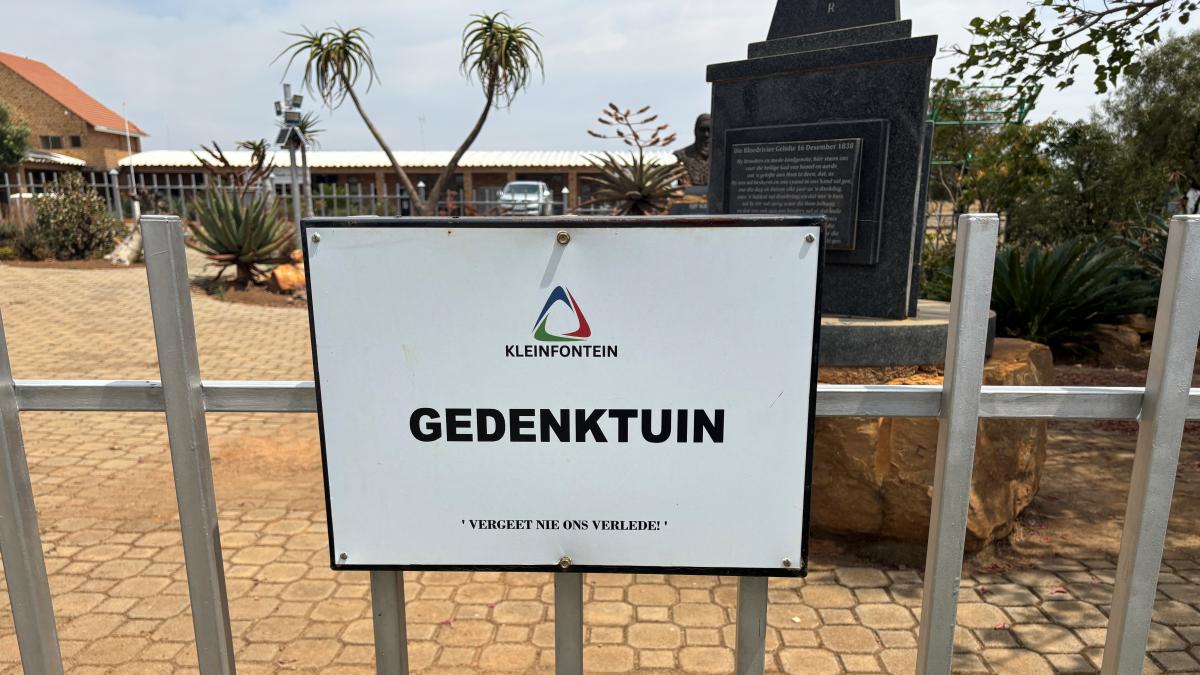
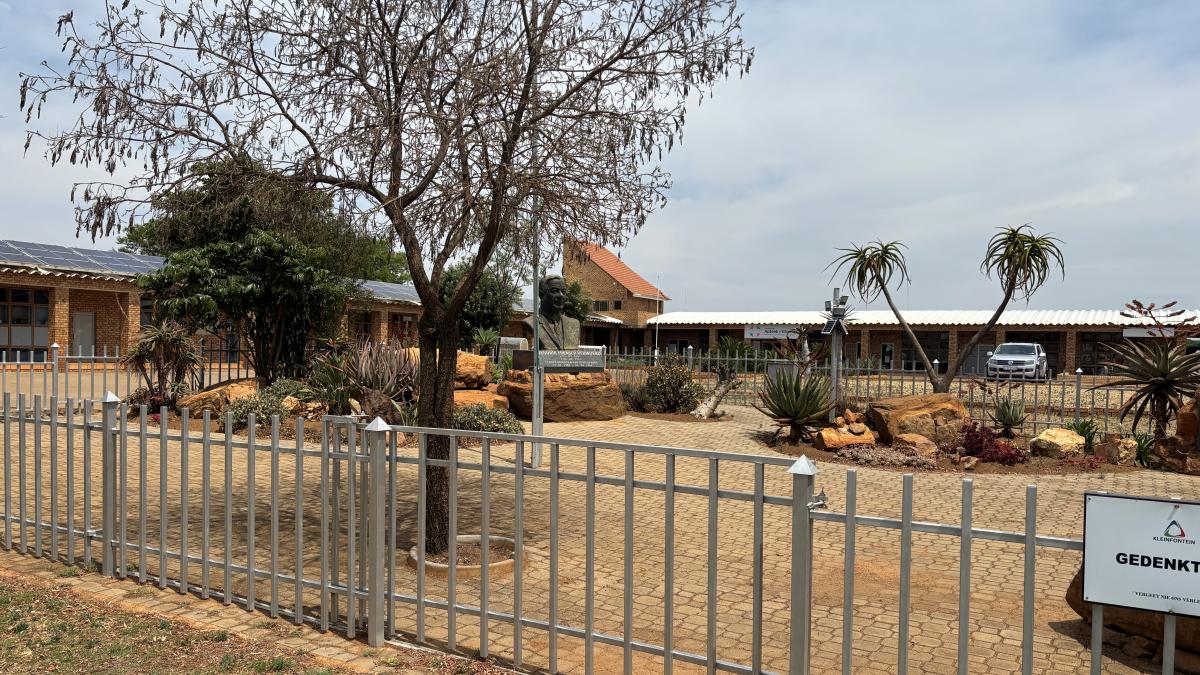
It was clear that Kleinfontein had a strong Afrikaner heritage. Upon entering the town, there is a memorial site with statues of Hendrik Verwoerd and Paul Kruger.
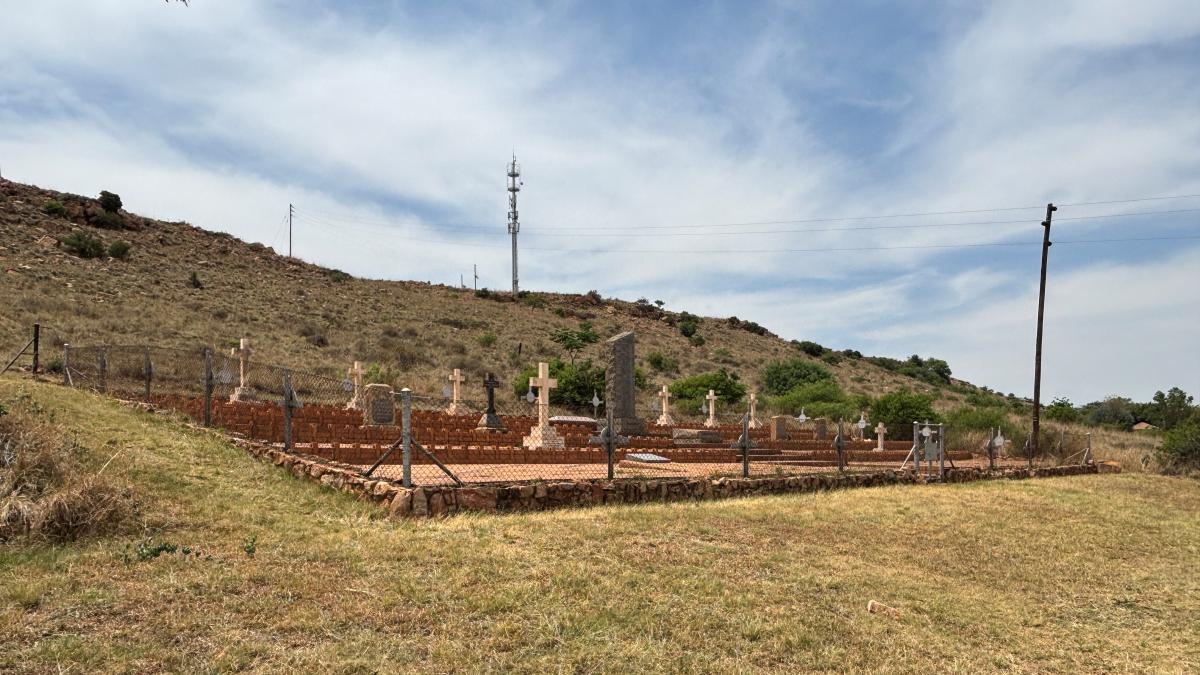
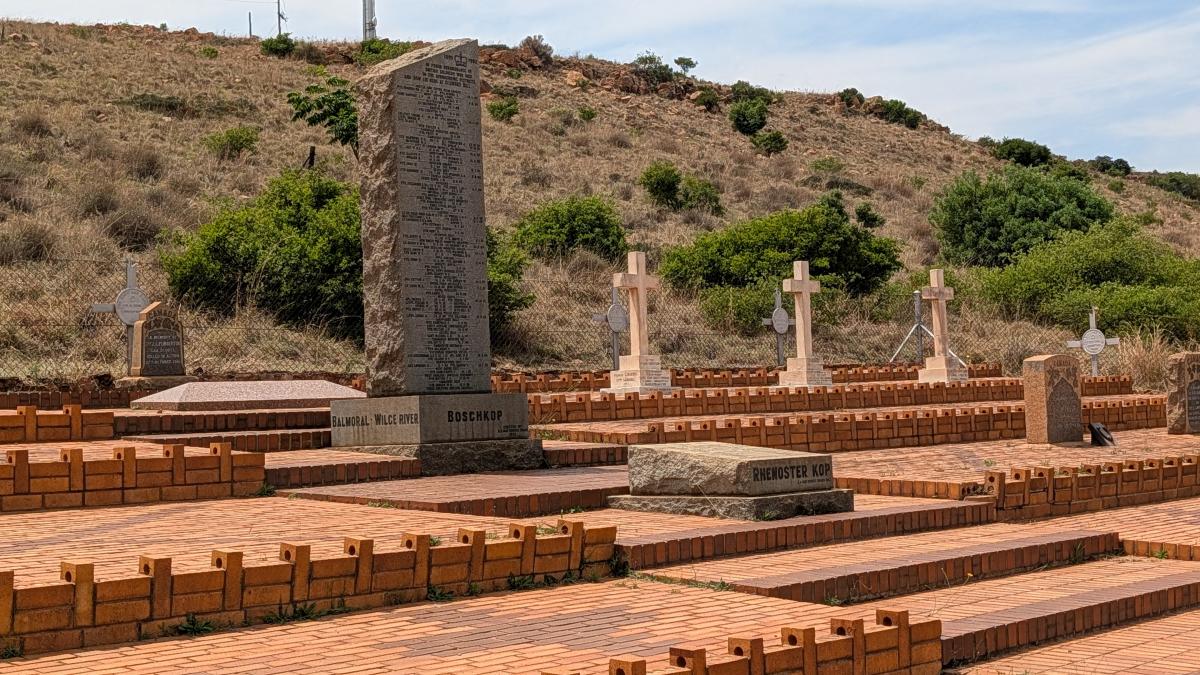
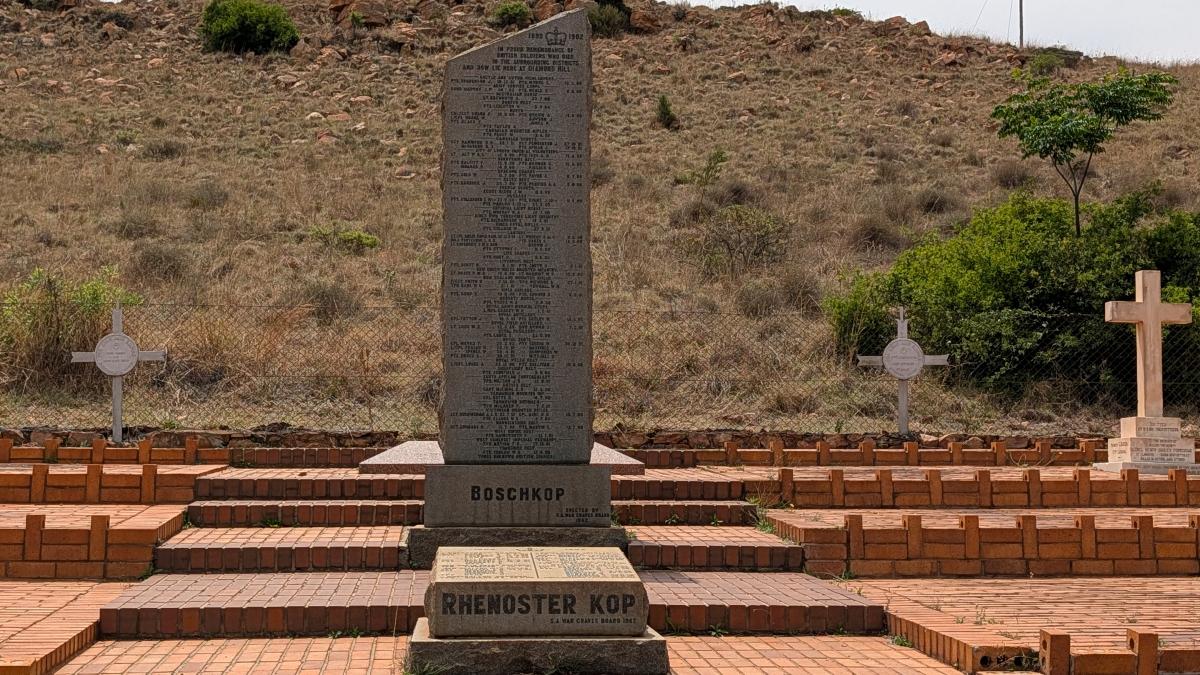
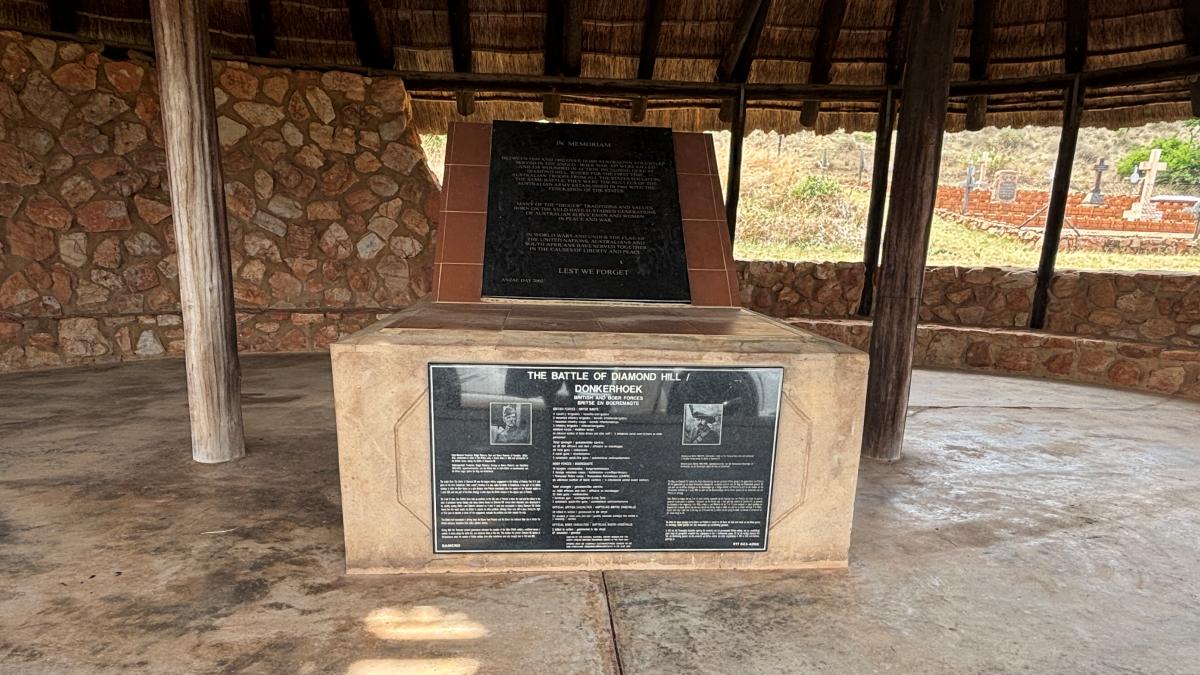
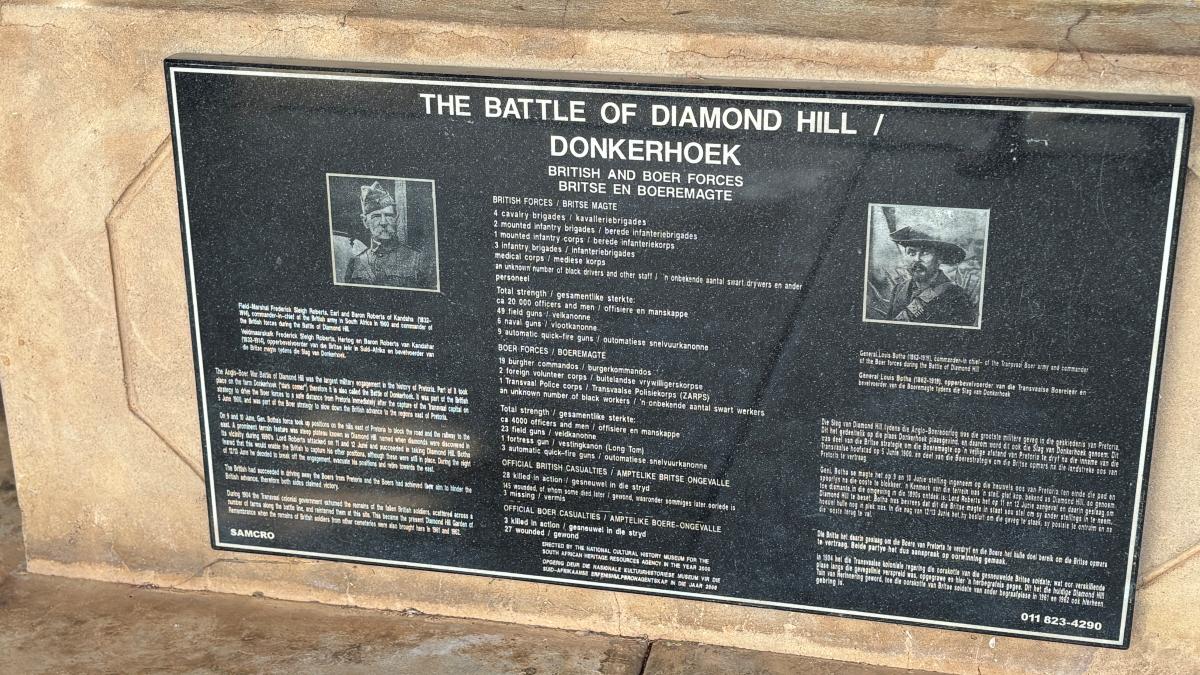
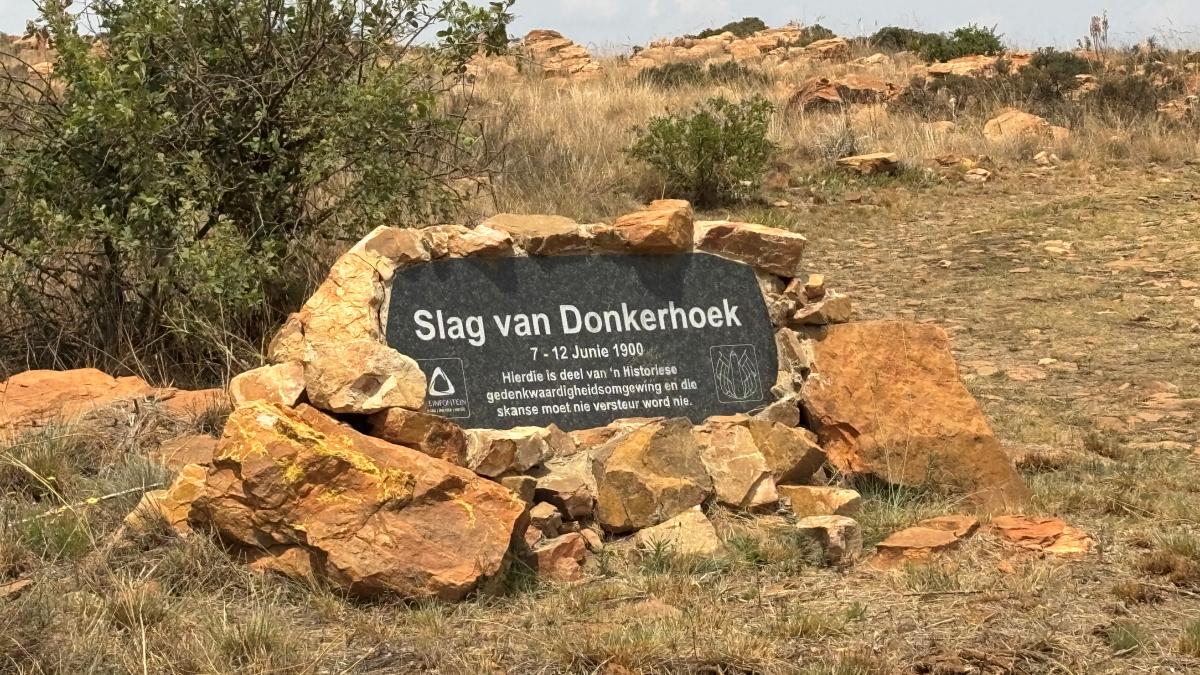
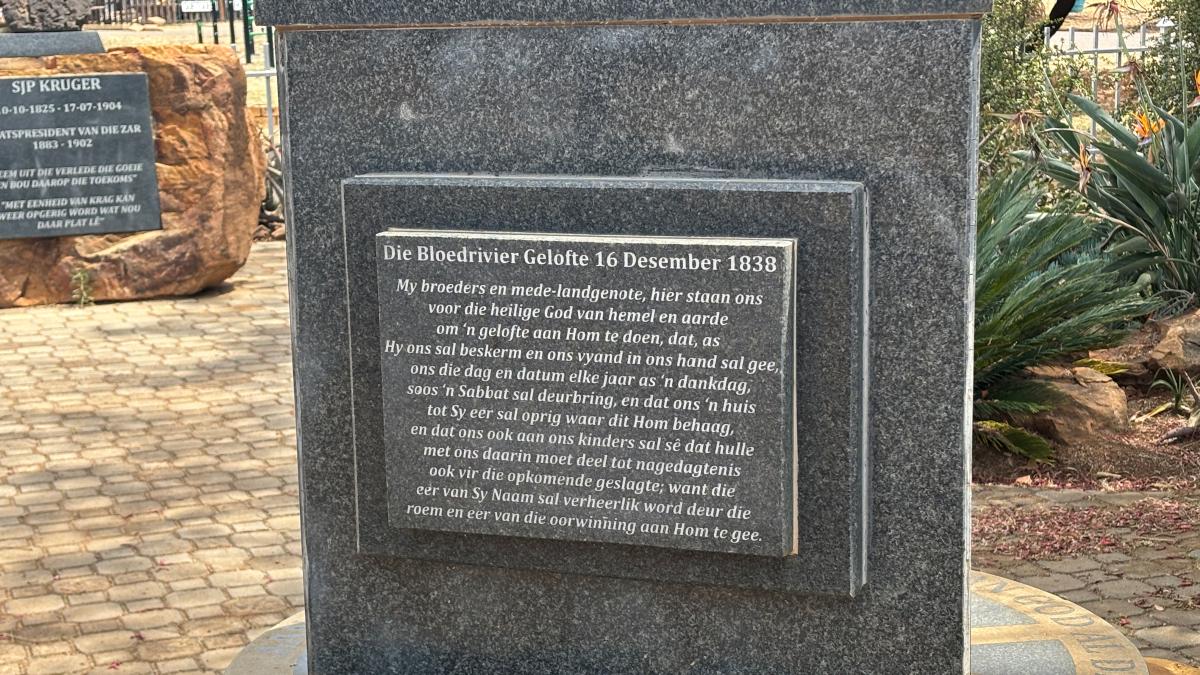
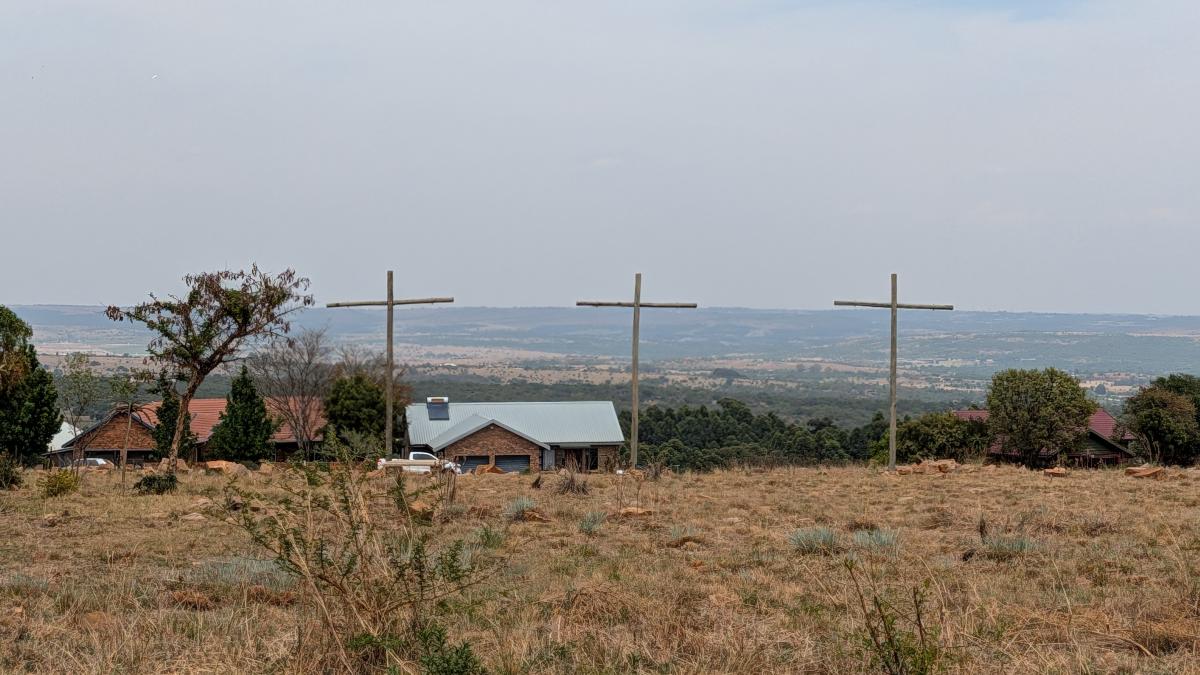
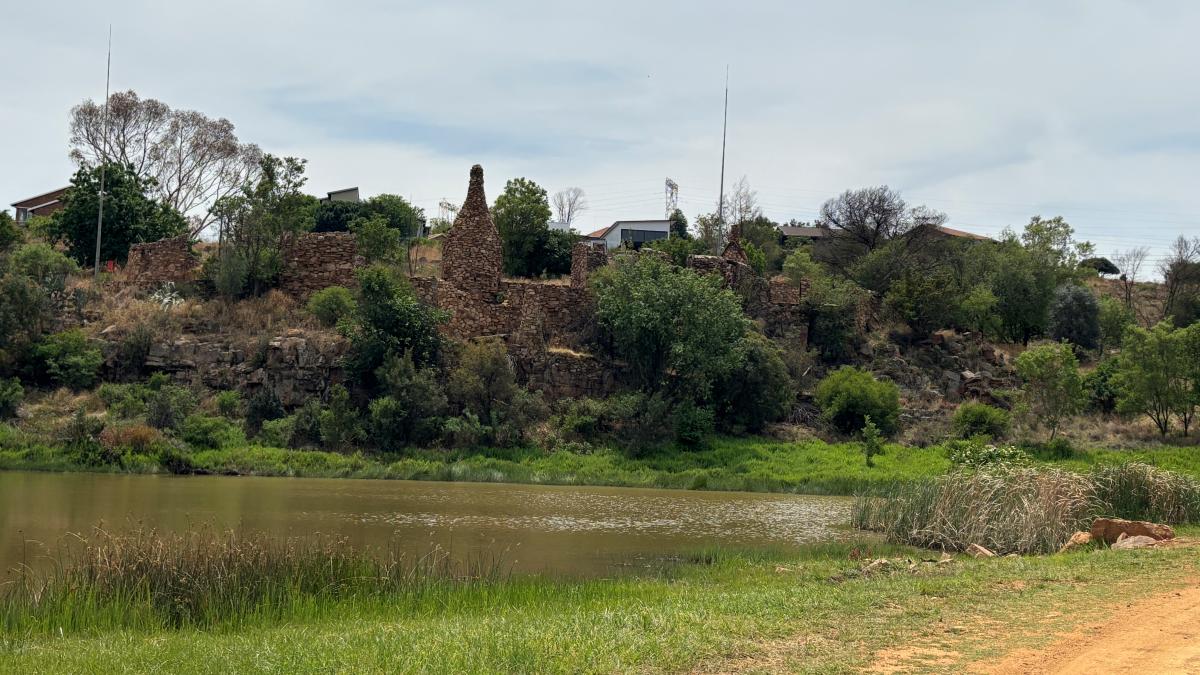
Throughout the town, there are numerous memorial sites linked to significant Afrikaner events and heroes. This includes the battle of Blood River and Slag van Donkerhoek.
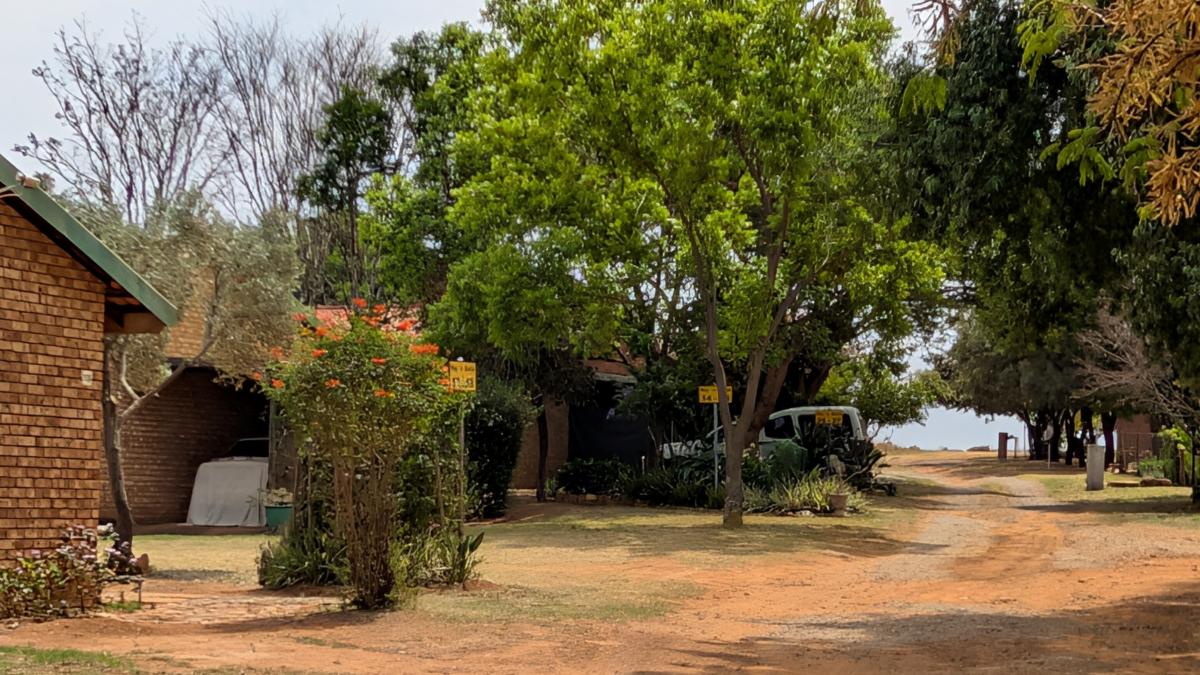
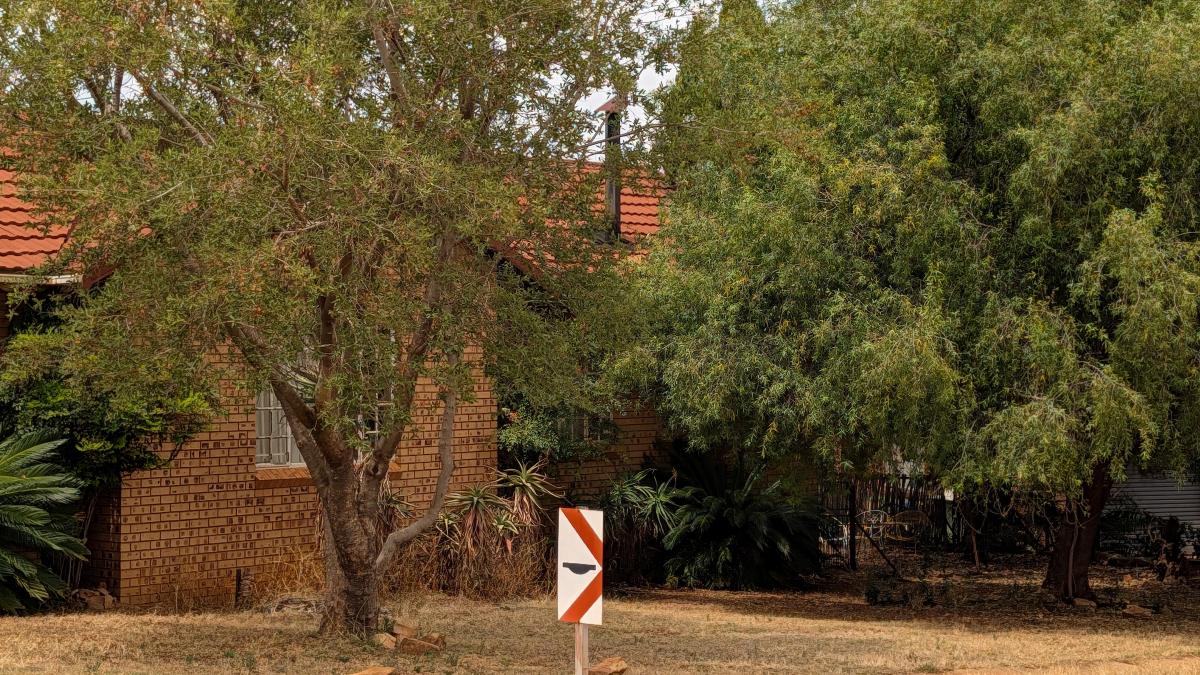
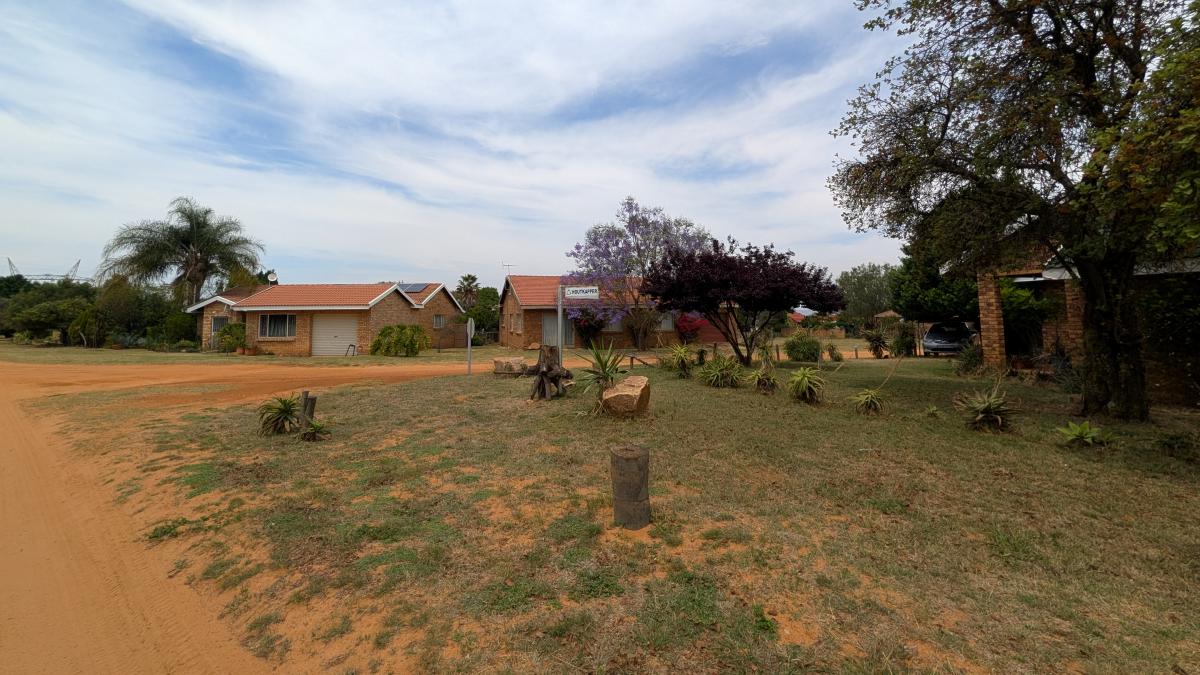
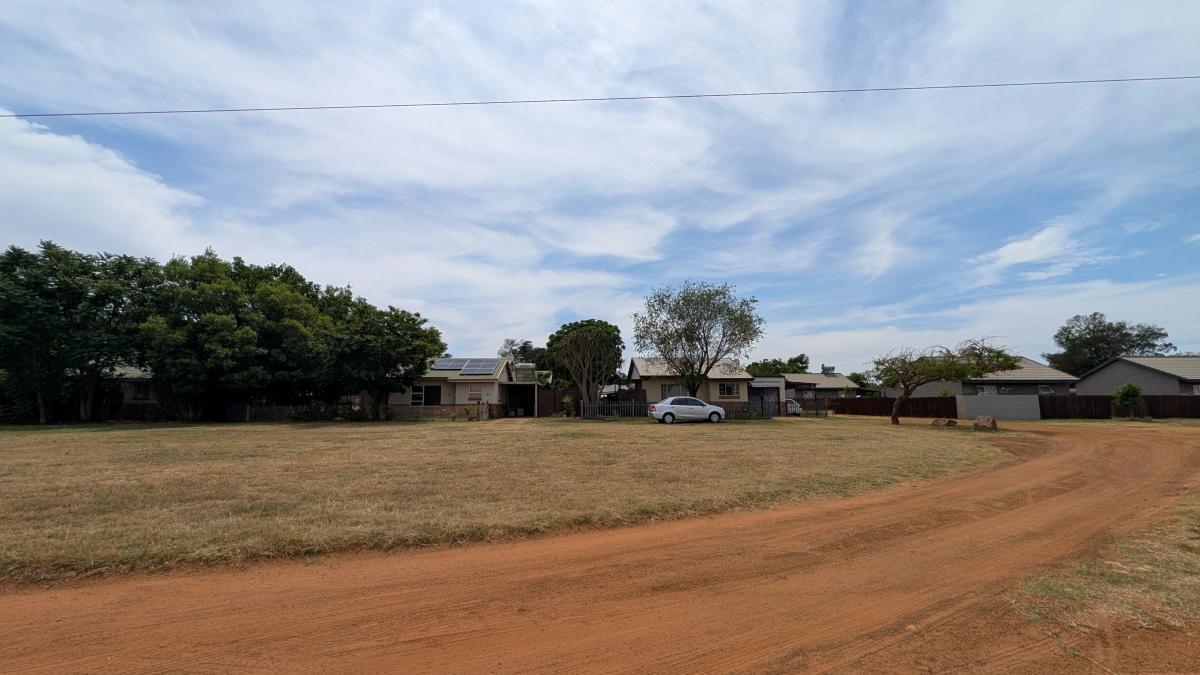
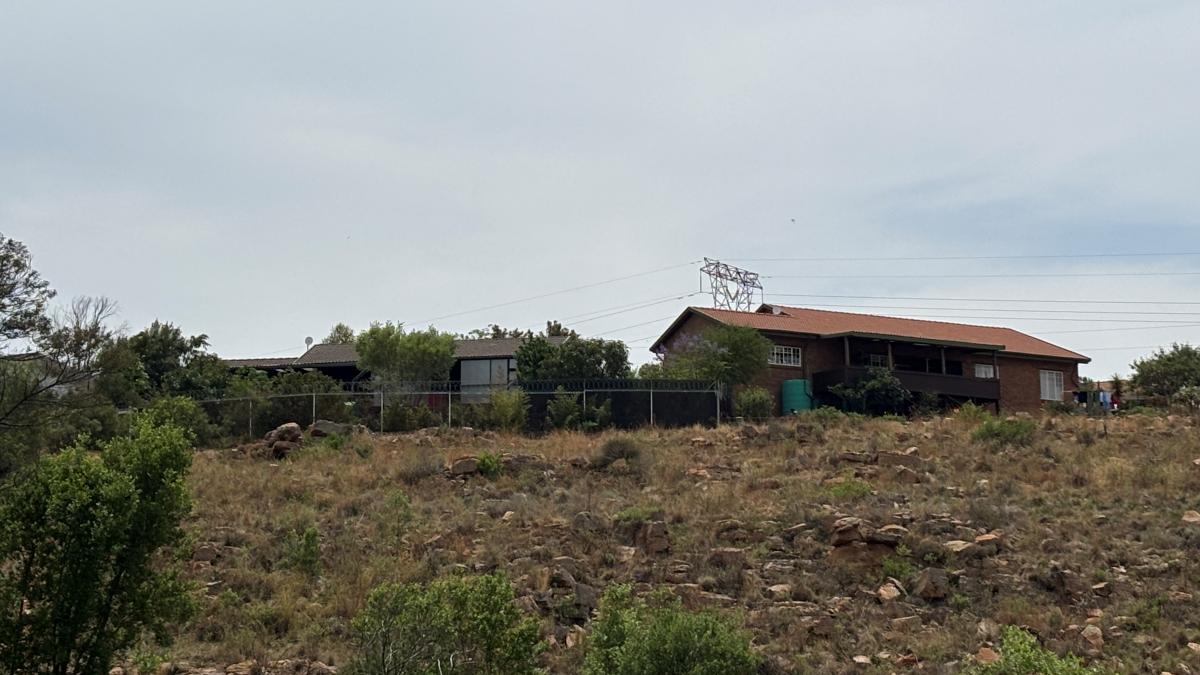
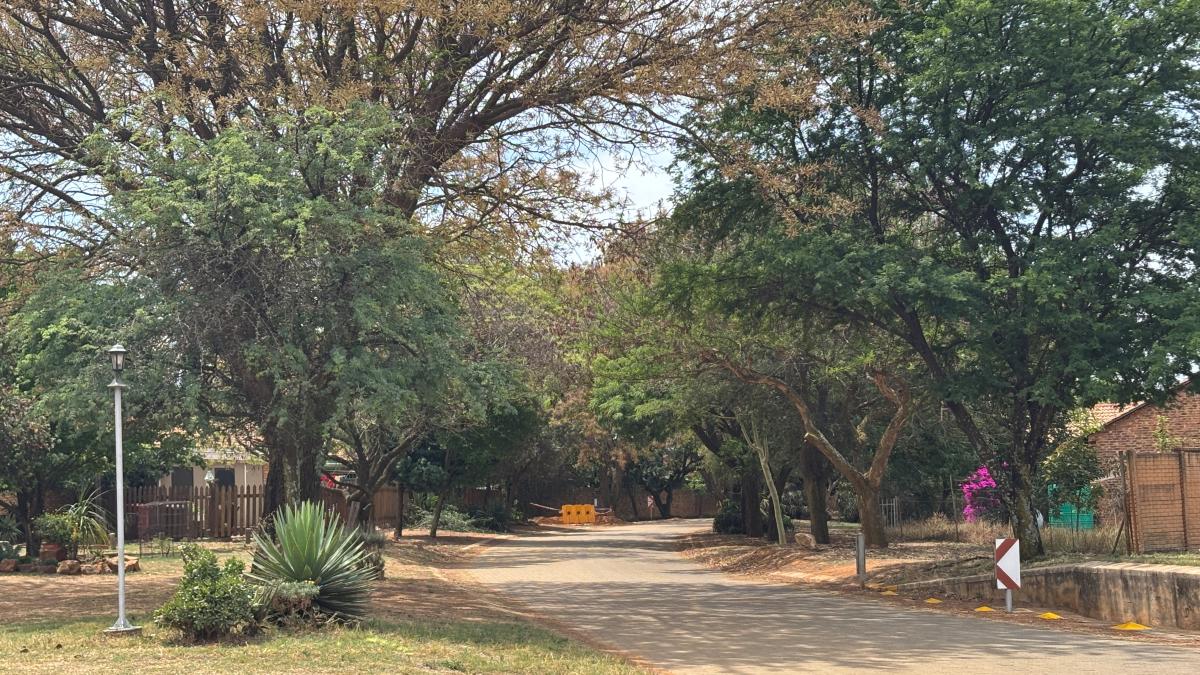
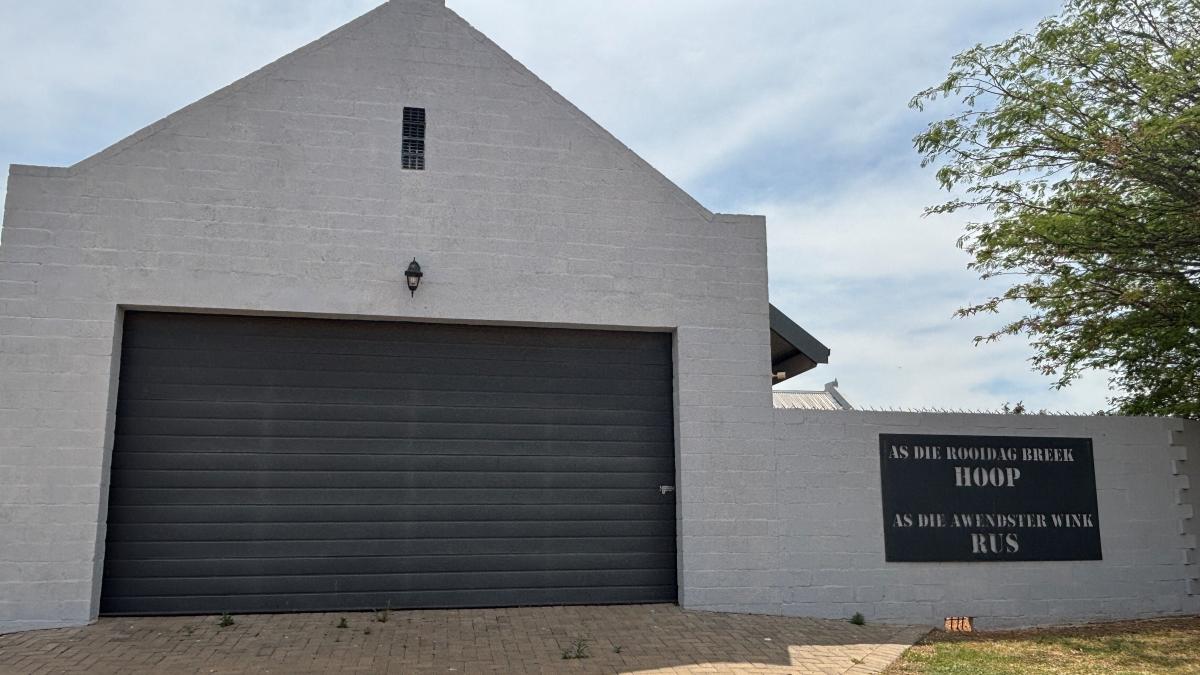
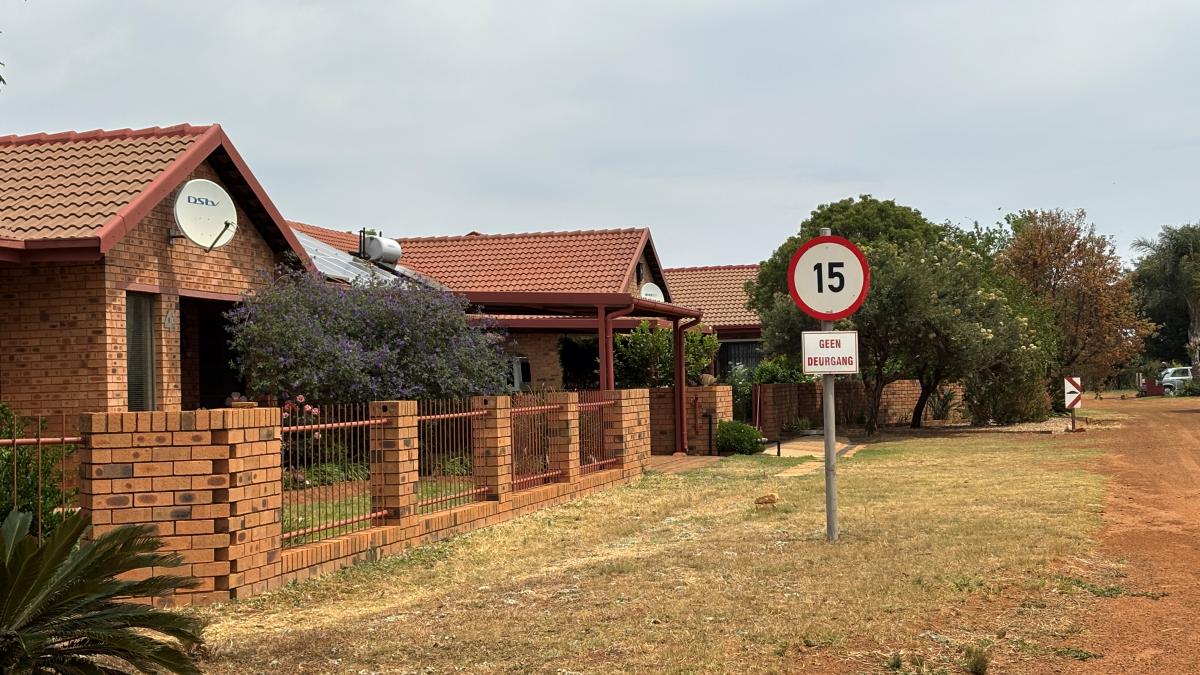
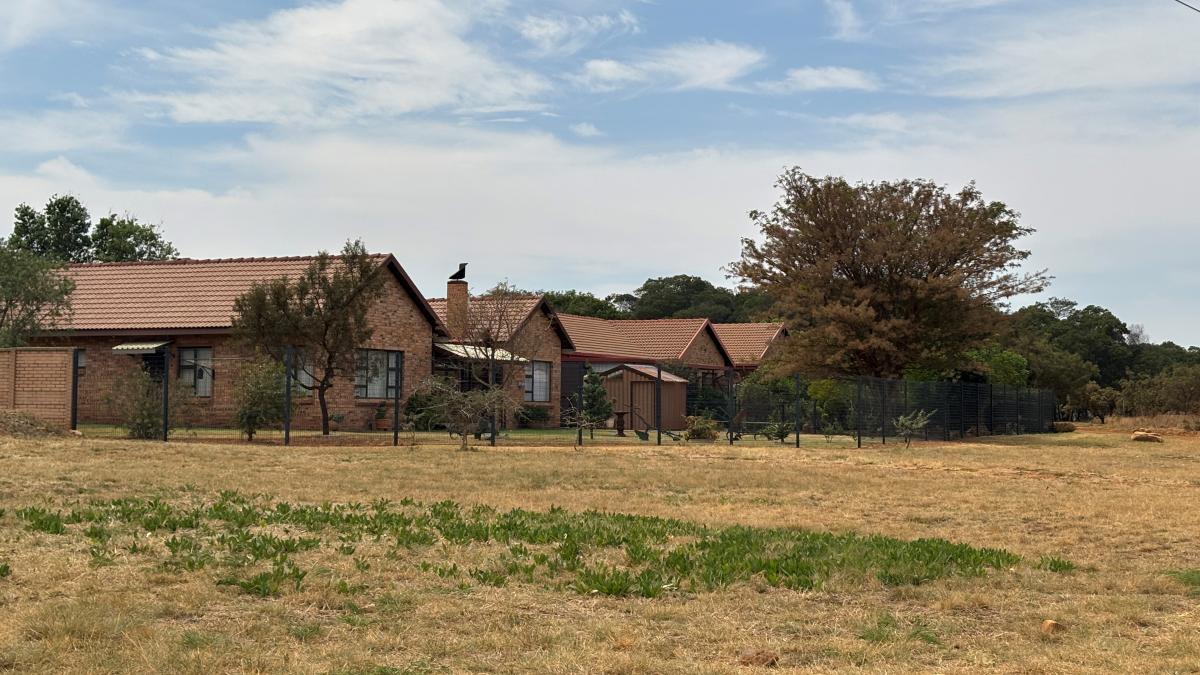
The houses in Kleinfontein varied from large and beautiful to small and humble. It is clear that the community has very wealthy and very poor residents.
What stood out was how friendly everyone was. Although we were strangers, everyone greeted us and were accommodating.
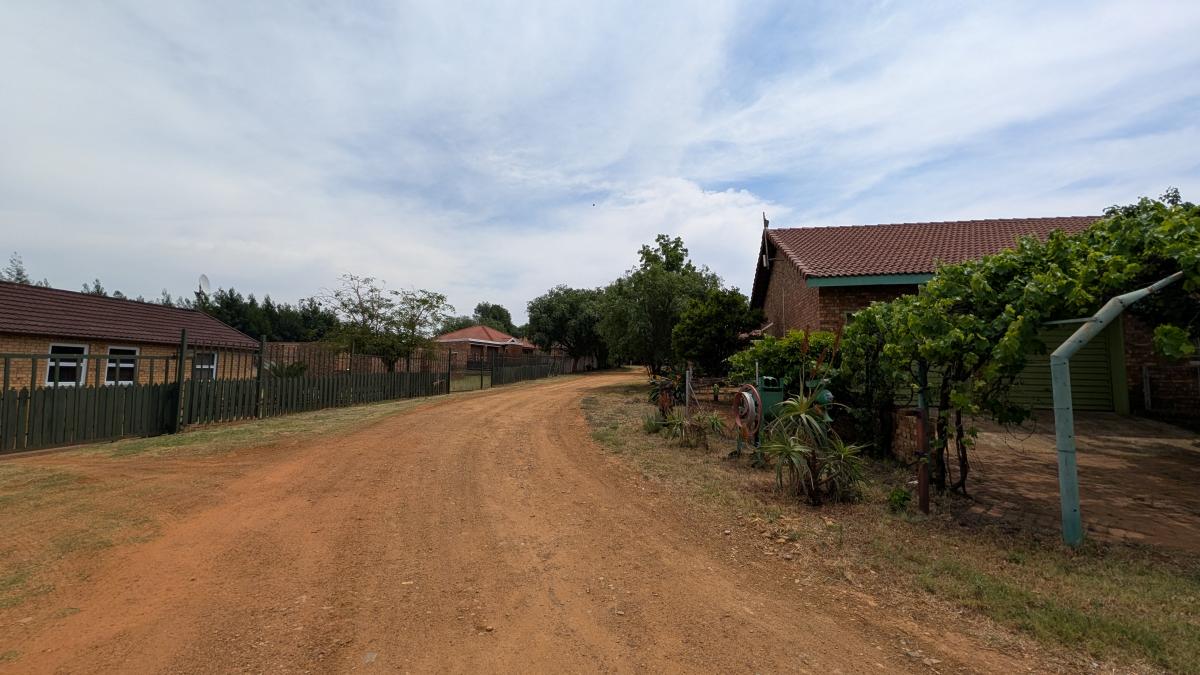
Another striking feature was how clean Kleinfontein was. There was not a single piece of litter throughout the town.
Although most of the roads were dirt roads, they were well-maintained. There were even speed bumps on the dirt roads to limit speeding.
Kleinfontein is a unique and beautiful settlement. Driving through it was peaceful and interesting.
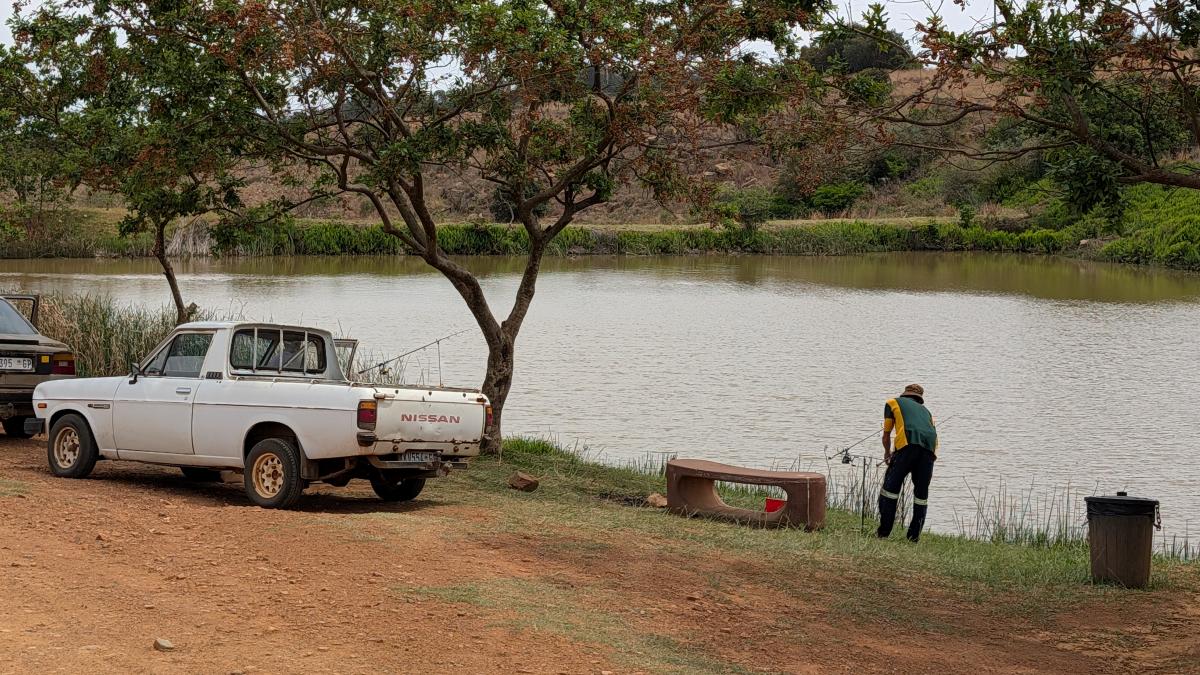
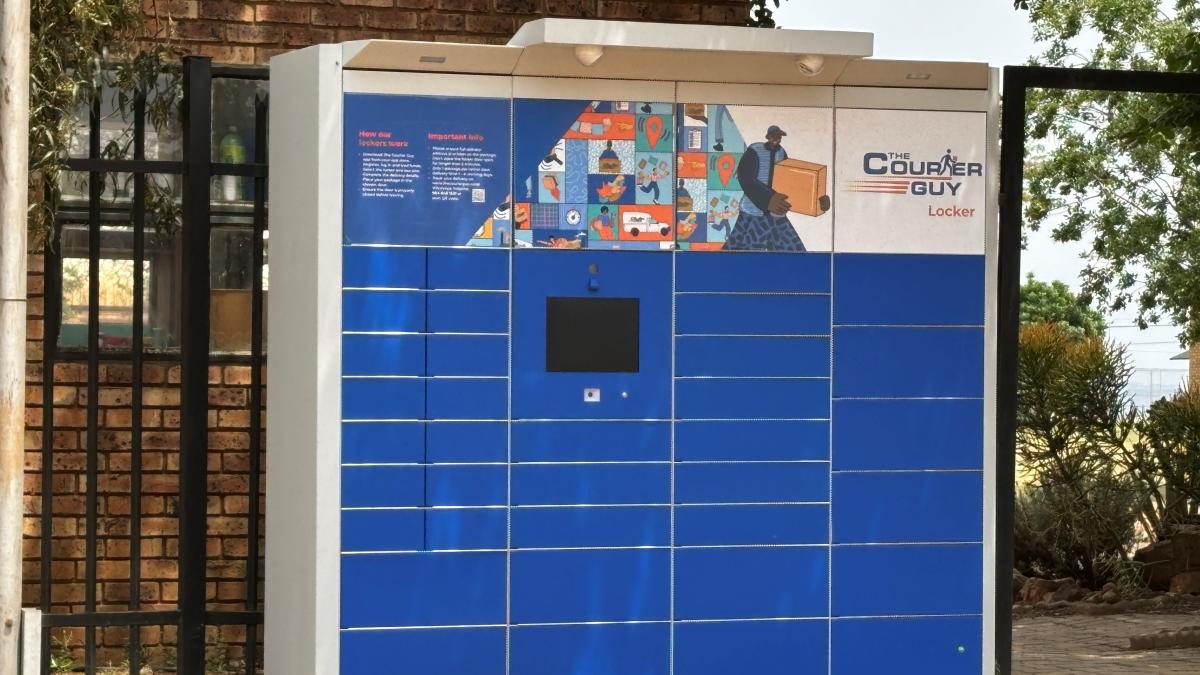
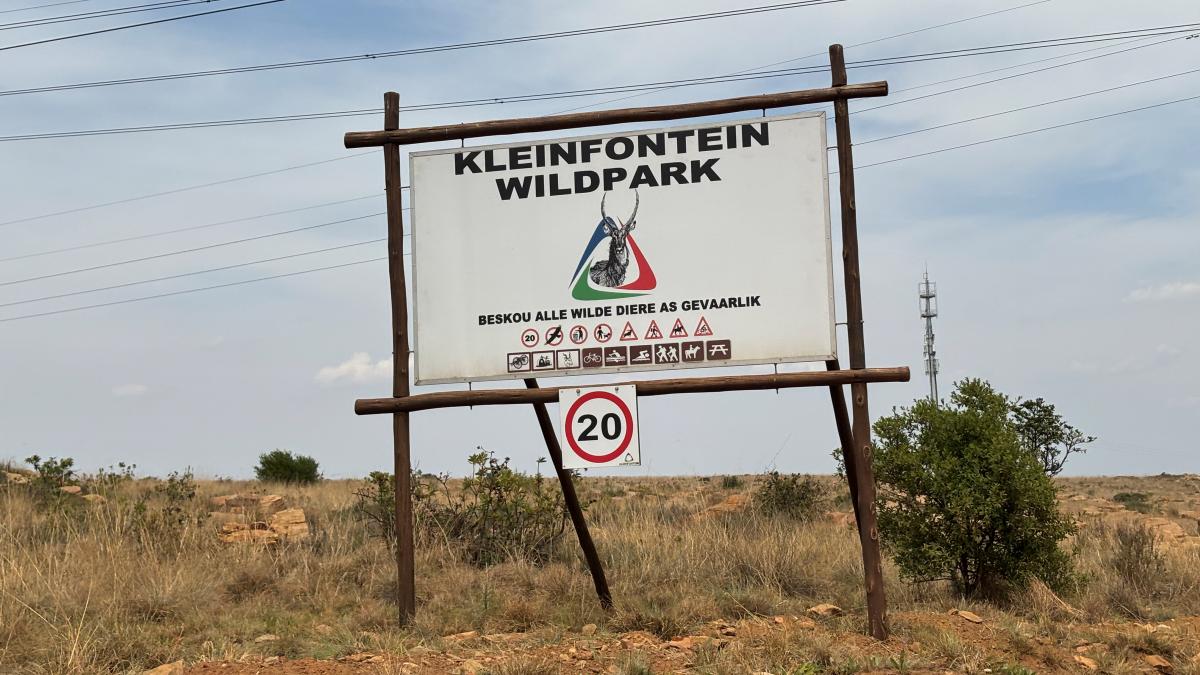
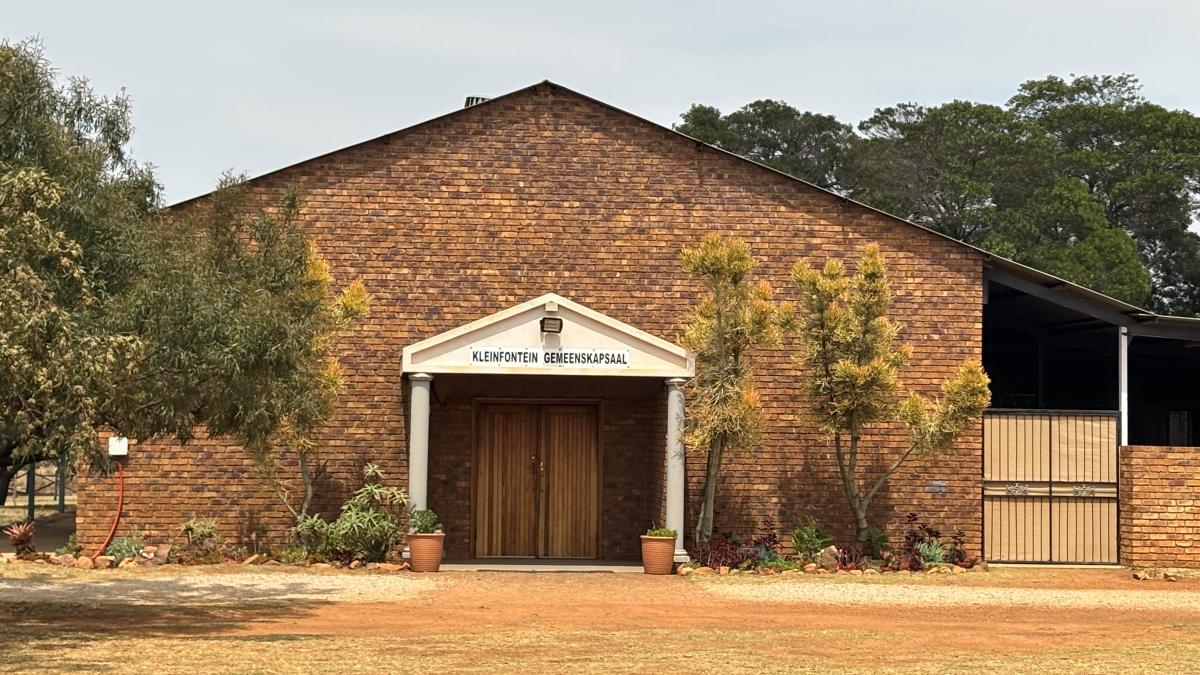
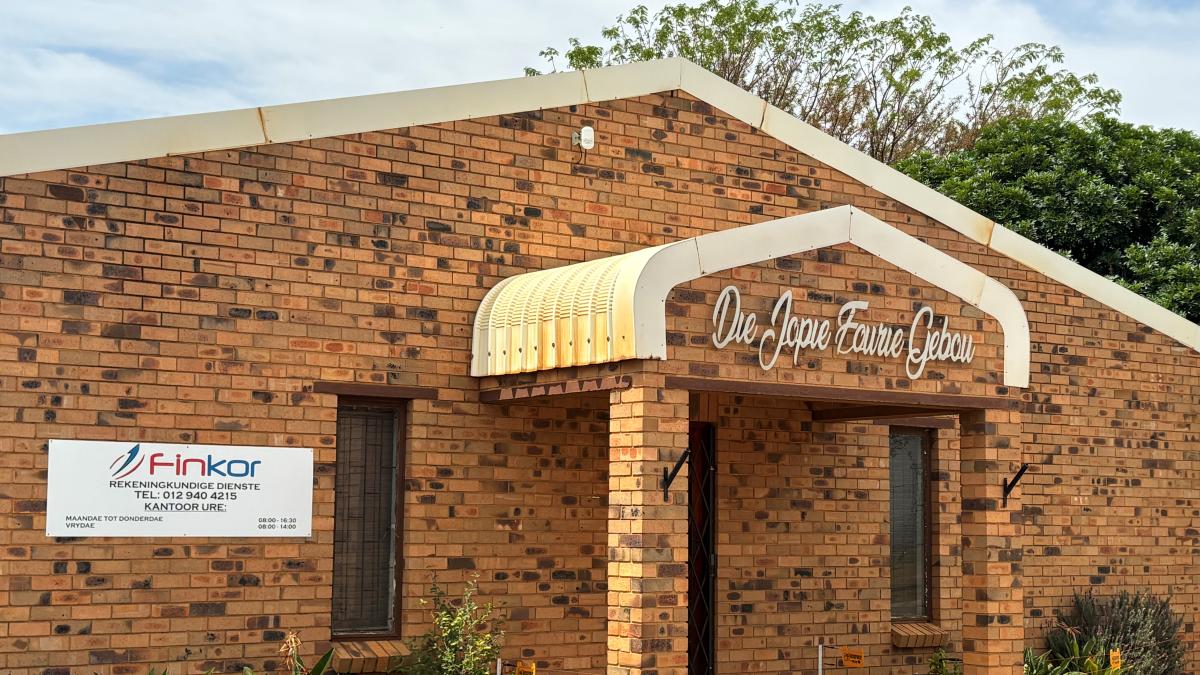
The photos below show what Kleinfontein really looks like and include some of the cultural heritage sites in the town.
Kleinfontein cultural heritage
Kleinfontein town photos












 Loading ...