

Crackdown coming for estates and complexes that scan visitor car and drivers licences in South Africa


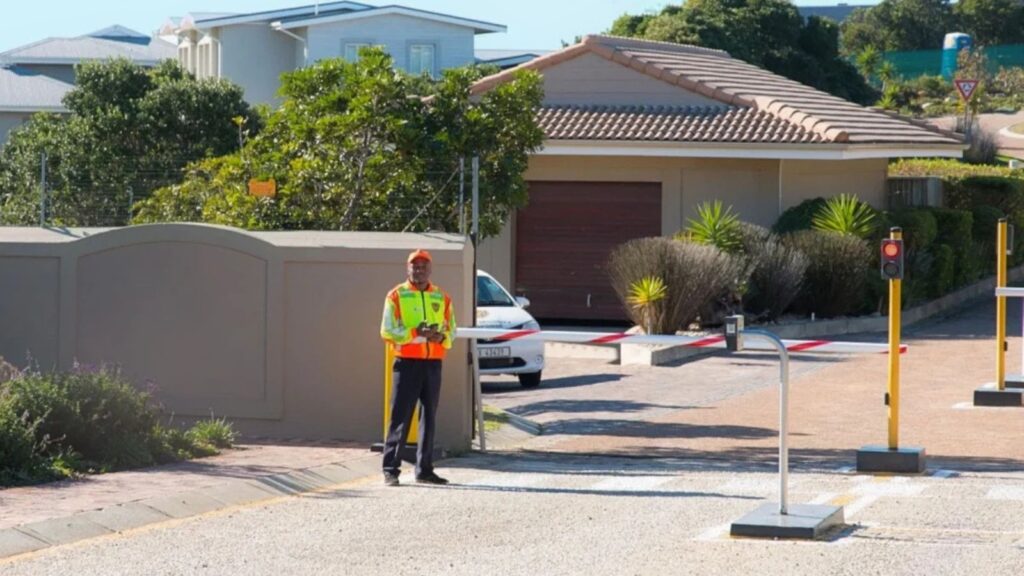
South Africans living in estates, office parks, and gated communities could soon see significant changes in how their personal information is collected and stored when entering these properties.
The Information Regulator has now published a draft “Own-Initiative Code of Conduct for Gated Access Areas”, aimed at bringing estates, complexes, and office parks in line with the requirements of the Protection of Personal Information Act (POPIA).
The proposed code applies to both residential and commercial properties with access control systems.
The regulator said it received complaints from members of the public who believe security practices at gated access points have become excessively intrusive.
According to the draft code, investigations into CCTV surveillance and access control practices revealed concerns over the use of facial recognition systems and biometric data collection.
These concerns also centred around the capturing of facial images without the knowledge or consent of visitors.
The regulator warned that these practices could amount to excessive processing of personal information, particularly where the information collected is not relevant or necessary for security purposes.
Under the proposed rules, visitor books may no longer be left openly visible to people standing in queues and digital visitor management systems would need to encrypt personal data.
Additionally, estates would be prohibited from indiscriminately copying IDs and driver’s licences or storing CCTV footage indefinitely.
The draft code also identified several practices that could be considered excessive. These include collecting full names, contact numbers, vehicle registration details, ID numbers, and driver’s licence information.
Photographs and biometric data such as fingerprints from visitors or contractors purely for access control purposes were also listed, and the regulator added that there are alternative methods available.
The regulator suggested less intrusive approaches, such as requiring visitors to provide only their names for comparison against an ID, passport, or driver’s licence.
The regulator also suggested issuing temporary vehicle permits and detachable stickers that can be checked on entry and exit.
Gated communities advised to read up on the proposed rule changes
In an interview with 702 Drive, data privacy expert Ahmore Burger-Smidt said the regulator is effectively warning estates and office parks that stricter compliance measures are on the horizon.
Burger-Smidt explained that the regulator is not seeking to ban the collection of personal information entirely, but rather to ensure it is handled responsibly and proportionately.
The regulator is also inviting public comment on the draft code, giving security firms, estate managers, residents, and the broader public an opportunity to weigh in on whether the proposals strike the right balance between security and privacy.
Burger-Smidt noted that many South Africans support extensive data collection because of concerns about crime and personal safety.
However, she stressed that the constitutional right to privacy still applies, meaning estates and security companies must carefully consider whether the information they collect is truly necessary.
She questioned both the amount of information being collected and what happens to that information after it is gathered.
“You’ve got that dirty book that you have to fill in your details,” she said, referring to traditional paper logbooks still used at some security gates.
“I always wonder who’s got access to it, what happens to it, where is it left, and what can someone do with it.”
Burger-Smidt warned that the bigger concern may lie in how long personal information is retained and whether it is properly protected against cybercrime and data breaches.
“If we think about data breaches in this country, it is absolutely shocking how many data breaches occur.”
While Burger-Smidt acknowledged that ordinary CCTV footage remains an important security tool, she said biometric facial recognition systems raise separate privacy concerns.
















 Loading ...