

Another R8 billion spent with nothing to show, and Ramaphosa does damage control


The South African rand was largely flat after the central bank kept interest rates unchanged as it cautiously monitored the effect of previous cuts.
The rand traded at R17.41 against the dollar, near Wednesday’s closing level. On Friday, it started the day slightly stronger at R17.36/$.
South Africa’s central bank kept its key interest rate unchanged at 7%, in line with economists polled by Reuters.
“Since September last year, we have reduced rates by 125 basis points, and we want to see how this is affecting the economy, how expectations evolve, and how inflation risks are resolved,” Governor Lesetja Kganyago said on Thursday.
“The rand has been surprisingly weak post the SARB rates decision,” said Shaun Murison, senior analyst at Rand Swiss, adding that the SARB’s upward revision to its growth forecast for this year from 0.9% to 1.2% would be welcomed.
Some analysts had thought that the central bank would cut rates after headline inflation unexpectedly slowed in August due to softer fuel and food prices.
On the Johannesburg Stock Exchange, the Top-40 index was also little moved. South Africa’s benchmark 2035 government bond was flat as the yield rose half a basis point to 9.175%.
On Friday the rand was trading at R17.36 to the dollar, R23.53 to the pound and R20.45 to the Euro.
Here are five important things happening in and affecting South Africa today:
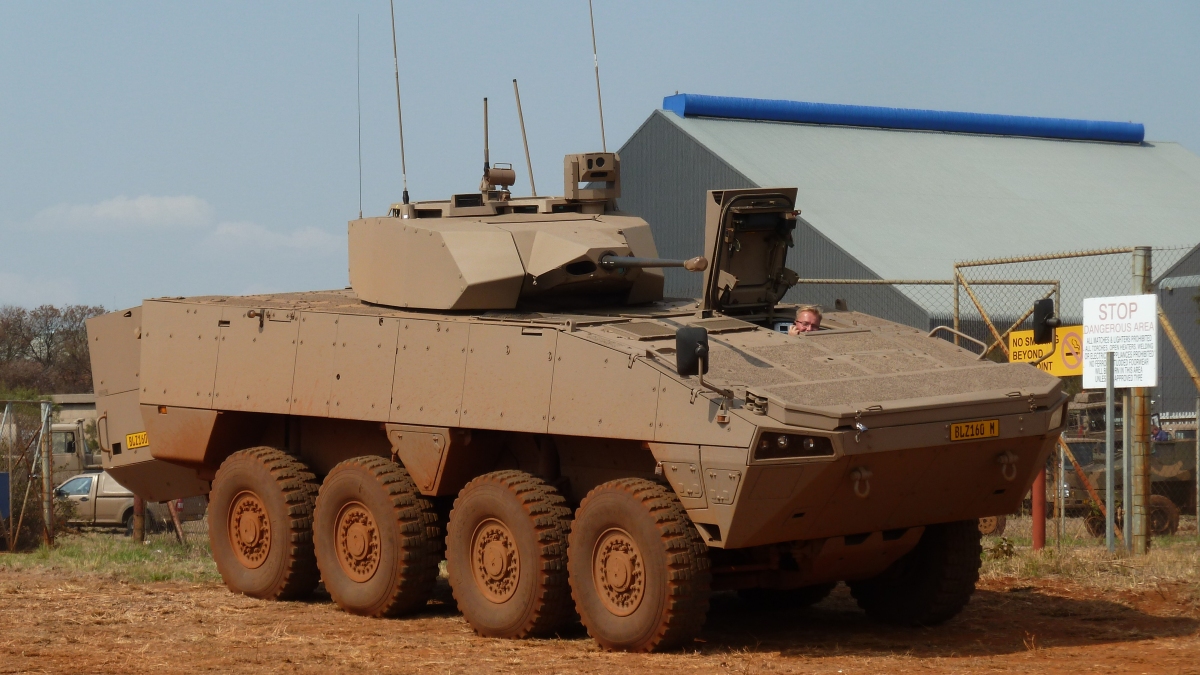
Billions more down the drain: South Africa’s Department of Defence has still not received any Badger Infantry Fighting Vehicles, despite first signing a contract with Denel in 2007 and paying almost R8 billion so far. Denel was selected to design the vehicles, of which 264 were supposed to be delivered. The contract was supposed to be fulfilled by November 2023, but not a single Badger had been delivered by that point. [Newsday]
New visas for South Africa: Home Affairs has unveiled a digital visa system aimed at speeding up travel authorisation for people visiting South Africa and announced a timeline for a phased rollout of the system. The Electronic Travel Authorisation (ETA) system will start user acceptance testing at the end of September 2025, before the first phase of the rollout in mid-October. [MyBroadband]
Eskom killing businesses: Important South African businesses, especially in the manufacturing and mining sectors, are facing closure due to the country’s unsustainable electricity price increases. Years of rising tariffs, load shedding, and Eskom’s instability have pushed companies to the edge, with some already shutting down operations and cutting jobs. The latest example comes from Glencore, one of the world’s largest commodity producers. [BusinessTech]
Ramaphosa does damage control: President Cyril Ramaphosa has attempted to “clarify” his praise of DA-run municipalities. The remarks have caused a backlash within the ANC, with some members even calling for the president’s resignation. Ramaphosa chastised thousands of ANC councillors and suggested they follow the DA’s example in running municipalities. However, the president “clarified” that he meant it as a suggestion to engage in “mutual learning”. He will not retract the statement. [News24]
Tshwane cleaning levy: The City of Tshwane has again defended its new “City Cleaning Levy” and will appeal the court ruling blocking the city from implementing it. The levy came into effect from July, with Tshwane charging a fixed fee on bills where residents do not use the city’s waste management services. The High Court blocked the levy, ruling that it was unlawful. Opponents to the levy have called it a double tax. [Citizen]










 Loading ...