

Cape Town sets record infrastructure budget – including R2.3 billion to end load shedding


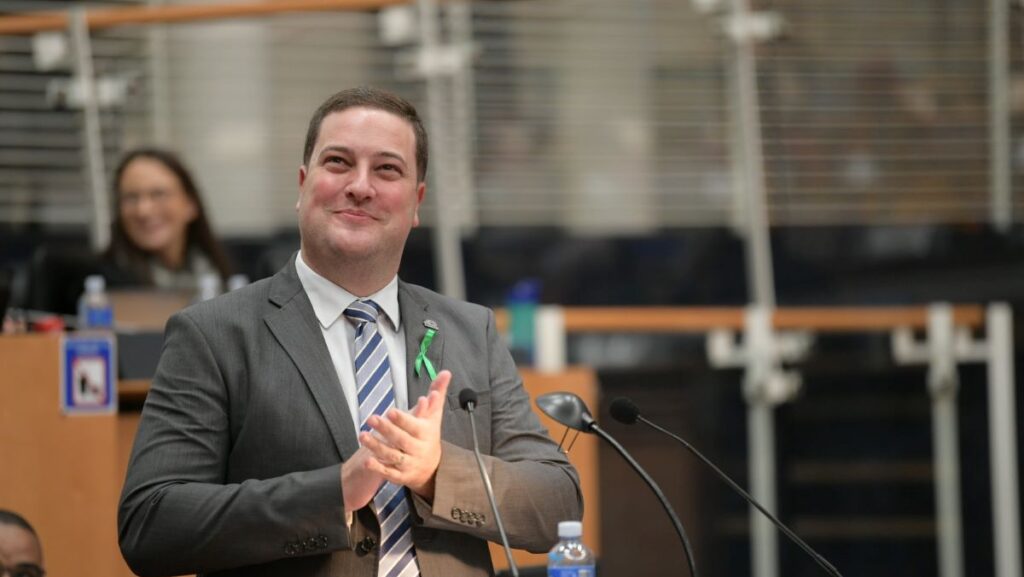
The City of Cape Town’s Council has passed the ‘Building Hope’ Budget for 2023/24, with the city passing a record infrastructure budget of R43 billion over the next three years – more than Johannesburg and Durban combined.
“Our budget team managed to strike a perfect balance between ambitious forward planning, the immediate needs of the city’s most vulnerable residents, and respect and understanding for the increasing pressures felt by ratepayers,” said Mayor Hill-Lewis.
“While many other metros and municipalities are struggling to keep up with service delivery demand and the substantial investment in infrastructure that this requires, we have just tabled a record R11 billion capital expenditure budget, and we have clear plans and targets to stay ahead of the rate of population growth and urbanisation in Cape Town.”
The budget will include a comprehensive social package linking indigent relief to property value, with a 100% rebate for properties valued under R450,000, 15kl of free water, and up to 60 free electricity units per month.
Ratepayers with properties valued under R5 million will also receive the first R450,000 rates-free.
In addition, lifeline electricity customers will also pay 50% less in the 350 – 450 unit usage band, with the city also able to reduce Eskom’s 18.49% tariff hike to 17.6% for all customers.
The city added that the budget would allow pensioners and social grant recipients to receive rate rebates by increasing the qualifying threshold to R22,000 monthly income.
The budget also includes:
- A R2.3 billion ‘end load-shedding’ plan;
- 40% bigger infrastructure budget, surpassing even the World Cup investment at a record R11 billion;
- Big increases of 100% or more for better sanitation networks to meet the needs of a growing city;
- R2.2 billion for new water sources, R2.6 billion for better roads; and
- R860 million in technology to make Cape Town safer, including CCTV, drones, and dashcams.
The city added that it is spending more than Johannesburg and Durban combined on infrastructure over the next three years.
When adjusted per capita, the city said that it is spending 105% more on infrastructure in 2023/24 than Johannesburg.
It added that approximately 73% (R8 billion) of its R11 billion capital expenditure budget would go towards critical infrastructure for lower-income communities.
When it comes to indigent support, residents with the following criteria may apply for support:
- Are a homeowner
- Earn R,500 or less per month
- Own only one property
- Are the full-time occupant of the home
- Use the home mainly for residential purposes
- Are a child who lives in the home of a parent who has passed away
- Received the house in a divorce settlement
- Depend on a pension or a social grant for their livelihood
Read: Solar boom for Cape Town
















 Loading ...