

Day of reckoning coming for South Africa


Max Meizlish, senior research analyst for the Centre on Economic and Financial Power, warns that a reckoning is coming for South Africa.
He wrote in a Wall Street Journal column that markets are dangerously mispricing South Africa’s growing sanctions and compliance risk.
Meizlish is well-positioned to comment on these matters as he was previously with the U.S. Department of the Treasury’s Office of Foreign Assets Control (OFAC).
He also previously supported several principals at a premier lobbying firm in Washington, DC, on matters involving foreign assistance, defence, and public relations.
In his current role at the Centre on Economic and Financial Power, he focuses on sanctions designations, tools of economic statecraft, and Treasury-related policy and research.
In his Wall Street Journal column, he said a reckoning is coming for South Africa, and that the Trump administration and Congress are aware of it.
However, financial markets underestimate the risks associated with South Africa, which Meizlish described as a problem.
He said most finance houses price in South Africa’s deteriorating conditions, including high unemployment, power and water outages, and failing state-owned enterprises.
However, they underestimate the impact of the government’s alignment with rogue nations and deteriorating relationship with the United States.
“Amid South Africa’s alignment with China, Russia and Iran, its anti-Israel lawfare and systemic corruption, the Trump administration has taken steps to isolate Pretoria,” he said.
It includes suspending financial assistance in February, expelling SA’s US ambassador Ebrahim Rasool, and potentially kicking SA out of the African Growth and Opportunity Act (AGOA).
A clear sign of the deteriorating relationship between South Africa and the United States was in full display earlier this year.
In March 2025, the United States Treasury Secretary Scott Bessent skipped the first Group of 20 (G20) finance ministers’ meeting in Cape Town, South Africa.
Last week, he sent Michael Kaplan, Under Secretary for International Affairs at the Treasury, to attend in his place.
“These moves reflect South Africa’s pariah-like status in Washington,” Meizlish wrote in his Wall Street Journal column.
He added that the next phase from the United States will likely involve harsher economic penalties, including tariffs and sanctions against some individuals.
Problems with the special envoy to the United States
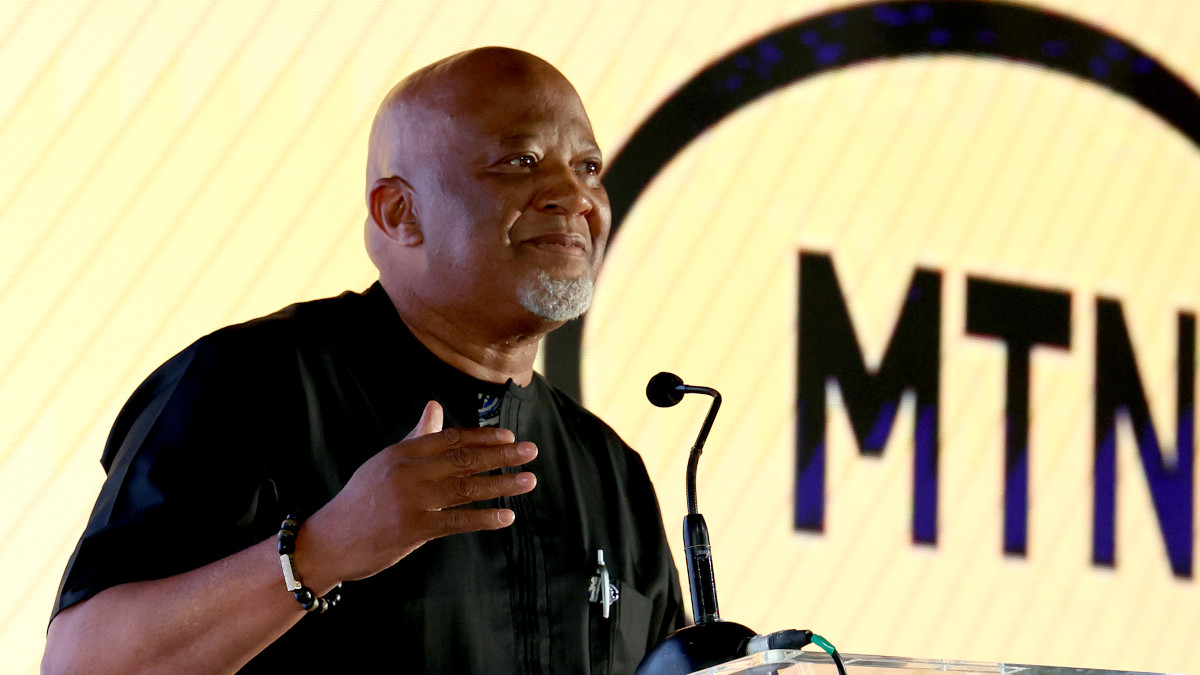
On 14 April 2025, President Cyril Ramaphosa appointed Mcebisi Jonas as a ‘special envoy’ to the United States after Washington booted Rasool in March 2025.
“In this capacity, Jonas is entrusted with the responsibility to advance South Africa’s diplomatic, trade and bilateral priorities,” Ramaphosa said.
“He will lead negotiations, foster strategic partnerships and engage with U.S. government officials and private-sector leaders to promote our nation’s interests.”
However, soon after Jonas was named as the person to lead the restoration of relations between South Africa and the US, a five-year-old video of Jonas surfaced online.
In the video, the former deputy finance minister called Trump a racist homophobe, placing doubt over his suitability for the role.
Despite the bubbling controversy, Ramaphosa defended his appointment of Jonas and has reassured South Africa that he would be able to do the job.
Not much has transpired since this appointment, and President Trump recently announced 30% tariffs on all South African products exported to the United States from 1 August 2025.
The Democratic Alliance (DA) claimed that Jonas was rejected by Washington months ago and that Ramaphosa knew for months that Jonas was not welcome in the United States.
The DA said that the United States denied Jonas’ application for a diplomatic visa in May 2025, and that the US government formally rejected his credentials.
The South African Presidency hit back, accusing the DA of disinformation on matters of international relations and diplomacy.
“They have no business in the appointment or work of envoys, including that of Jonas,” said presidential spokesperson, Vincent Magwenya.
Spokesperson for the Minister of International Relations and Co-Operation, Chrispin Phiri, accused the DA of acting against South Africa’s interests.
He added that the tariff issue was not unique to South Africa, and is being handled by the Department of Trade, Industry, and Competition.
However, Rapport reported that a US official said it was challenging to negotiate with South Africa as it had virtually no presence in Washington.
Another person in Washington, who deals with South African organisations, also said the United States government has not had anyone to speak to from the South African government.
The market underprices South Africa’s growing risk profile
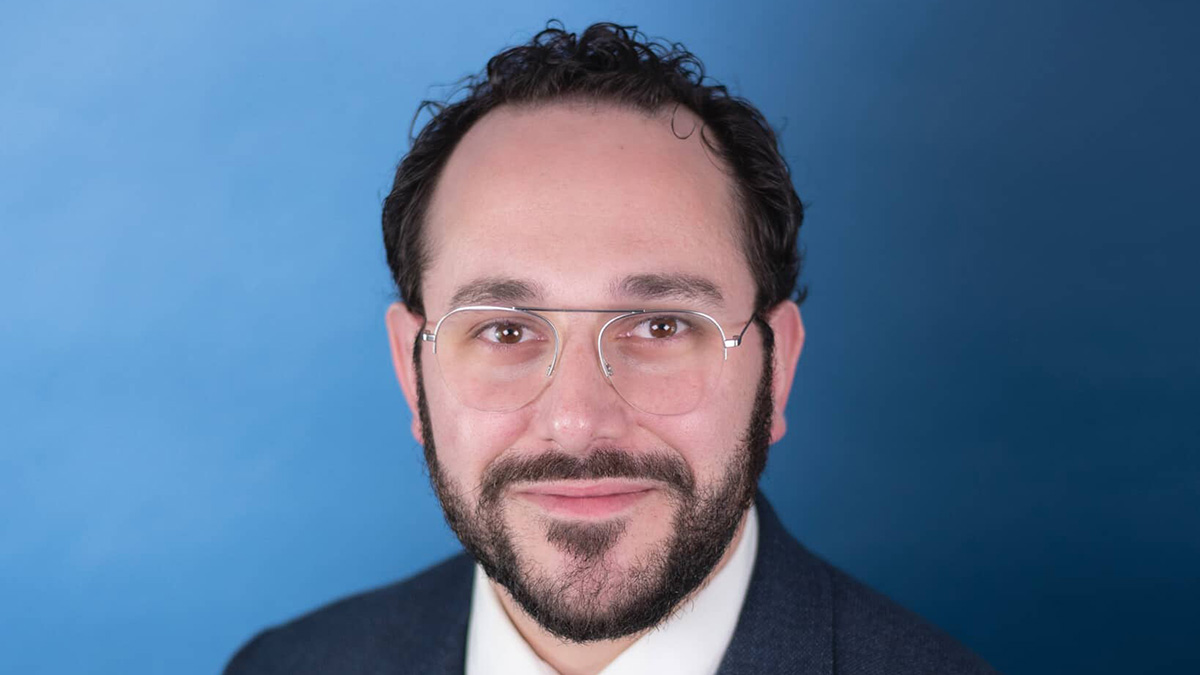
Meizlish said, considering all these factors, markets around the world continue to underprice South Africa’s growing risk profile.
“Companies, investors and compliance teams still treat it like a typical emerging market: a little unstable and volatile but ultimately manageable. That assumption is wrong,” he said.
He highlighted that the changing view of South Africa in Washington is bigger than any one official.
“As the ANC drifts closer to authoritarian powers, the entire system becomes exposed,” Meizlish wrote.
He warned that state-owned enterprises, large energy and telecommunications companies, and the broader financial sector could face sanctions.
“South African banks risk losing access to the dollar. Chinese and European firms could face secondary sanctions. Seemingly safe supply chains could be caught in the crossfire,” he said.
He warned business leaders against taking the South African government’s reassurances at face value, as they will only be misinformed.
“They will be mispricing risks with serious reputational, regulatory and financial consequences,” he said.
He pointed to increased corruption and political instability, with numerous top officials implicated in various forms of malfeasance.
“No serious investor can ignore what that portends for the rule of law and institutional risk,” he said.
“The risk is real. Wall Street is still pricing in business as usual while South Africa edges toward collapse.”















 Loading ...