

Social unrest storm erupts over high electricity prices in South Africa


Electricity users in the City of Ekurhuleni scored a victory against the municipality this week, with mayor Nkosindiphile Xhakaza announcing the temporary suspension of a R126 fixed electricity surcharge.
Xhakaza announced the suspension following widespread protests against the fixed fee, which was introduced from 1 July 2025.
Residents took to the streets this week to protest the rising cost of electricity after the municipality implemented an 11% increase.
Since April, Eskom customers have been paying about 13% more.
In addition to the increase, residents were charged a “basic fixed fee” or between R110 and R205 (excluding VAT), depending on consumption.
This basic fee is charged regardless of whether any electricity was consumed.
Xhakaza said that the suspension only applies to tariff block A, which is the low consumption tariff that drew the R110 (R126 with VAT) fixed fee.
He said that this applies across the city, not just in townships, because low and high consumption users exist in all areas, and the city is working mainly to protect the low-end.
High-end consumers and businesses will still be expected to pay the fee, with the mayor saying this is not out of the ordinary.
Xhakaza said that the implementation of the fee hikes and charges followed due process and were approved by the council.
He also stressed that it was not a situation unique to Ekurhuleni, as the city’s fees were in response to the Nersa-approved increases granted to Eskom.
Similar capacity and service fees are being charged in metros across South Africa, with similar complaints being heard from residents.
The City of Joburg introduced a R200 capacity charge in 2024, which also drew the ire of residents who found themselves getting fewer units for the same price they had been paying.
Current Mayor and then MMC for Finance Dada Morero had promised to review the fee in 2025, but this did not happen, and residents continue to pay the fee.
Eskom has itself added new network and capacity charges for its direct customers, which have seen some electricity bills shoot up between 30% and 80% in 2025.
These new set tariffs have emerged as Eskom and municipalities look for ways to stem the bleeding of electricity revenues and try to find sources of money to reinvest and maintain networks.
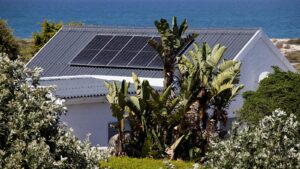
Eskom’s restructured tariffs in particular are aimed at forcing users to pay up just for being connected to the grid, as the past few years have seen a mass migration to alternative energy sources like solar.
Something is going to break

Energy experts and government leaders, like Electricity Minister Kgosientsho Ramokgopa, have been warning for the past few years that rising electricity prices are threatening national security.
Following multiple years of double-digit hikes to electricity prices, and now the addition of fixed service fees — not only on electricity but also for things like “city cleaning” — residents are being pushed to their limit.
Ramokgopa said that for many, the situation has become so dire that it is a choice between having electricity and having food. He warned that it could lead to mass protest and social unrest—a warning that is now becoming reality.
While metros have attempted to cushion the blow for poor and indigent residents, like the City of Johannesburg, by making them exempt from these fees, Ekurhuleni missed the mark.
Xhakaza said the city had engaged with communities over the weekend to try to calm the situation, but failed. This resulted in the mobilisation and protest action seen on Monday.
But it’s not just poor residents who are pushing back. Middle-class and higher-income residents are also not sitting idle, launching legal challenges against metros that are trying to impose increased fees.
In terms of electricity, experts have warned that higher income households typically have the means to either circumvent city services completely, or may even uproot themselves and relocate to other areas.
For a national utility like Eskom, the stakes are even higher, where revolt among residents would impact its direct and municipal revenue, at a time it is already owed billions of rands in debt.
Previous leadership at the utility warned that this could lead to a situation where the only customers left on the network are those who do not pay for services, while paying customers move elsewhere.











 Loading ...