

Think twice before just fencing off your property in South Africa


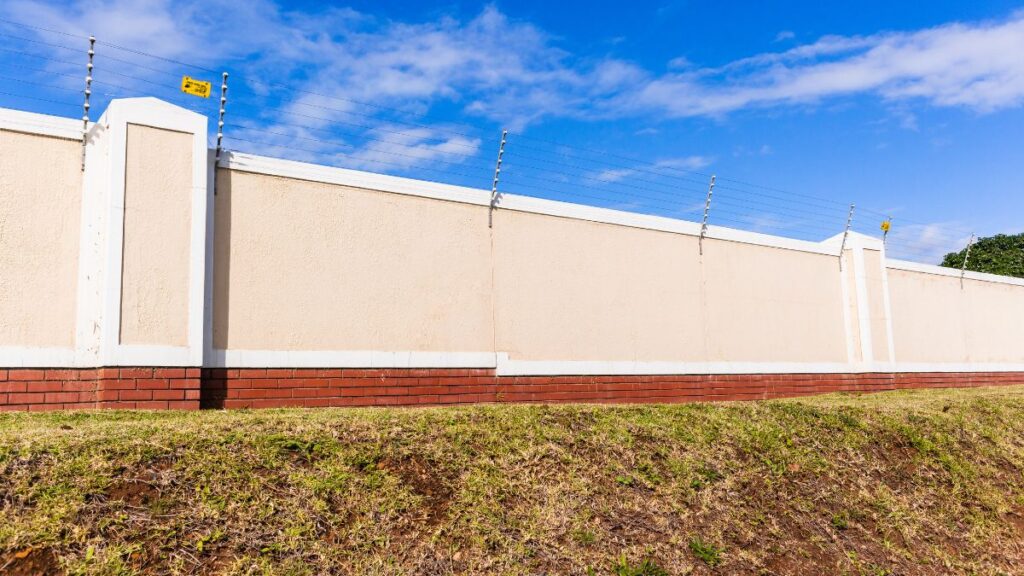
South African homeowners are urged to think twice before putting up a wall or planting a tree near their boundary, which can easily cause problems if they don’t follow the rules.
Legal experts warn that disputes over fences, walls, and messy trees are among the most common issues between neighbours, and they can quickly become costly.
Cor van Deventer, Director at VDM Incorporated, said that as properties get smaller, boundary problems are becoming more frequent.
He explained that the law tries to balance two rights: your right to enjoy your property, and your neighbour’s right to health, comfort, and safety.
This means you cannot let your trees, fences, or walls cause a nuisance next door. “Owners have to ensure that overhanging branches, encroaching roots, or falling leaves don’t create an unreasonable nuisance to the adjoining property,” he said.
He added that Autumn is when many disputes flare up, with leaves blowing into swimming pools and gardens. But the law doesn’t just look at leaves.
Roots can damage drains, crack walls, and even cause serious accidents. Van Deventer said many homeowners don’t realise that planting a tree near a boundary may become a big problem five years later.
If the tree is within the no-go zone specified in your Title Deeds, usually between 1.5 and 5 metres from the boundary, it’s your responsibility to fix the problem, not the municipality’s.
Boundary walls are another common source of disputes. Van Deventer explained that neighbours share the duty to maintain a boundary wall, even if it doesn’t seem dangerous yet.
It is understandable that people are reluctant to spend R30,000 on repairs if they don’t believe the wall is in immediate danger of collapsing.
However, the potential consequences of inaction could be severe. If the wall does fall and causes injury or death, the liable party could face serious repercussions.
He pointed to the tornado in Tongaat in June 2024, where a wall collapsed and killed a woman. Ignoring maintenance can have tragic results and lead to lawsuits.
Know exactly where your property begins and ends
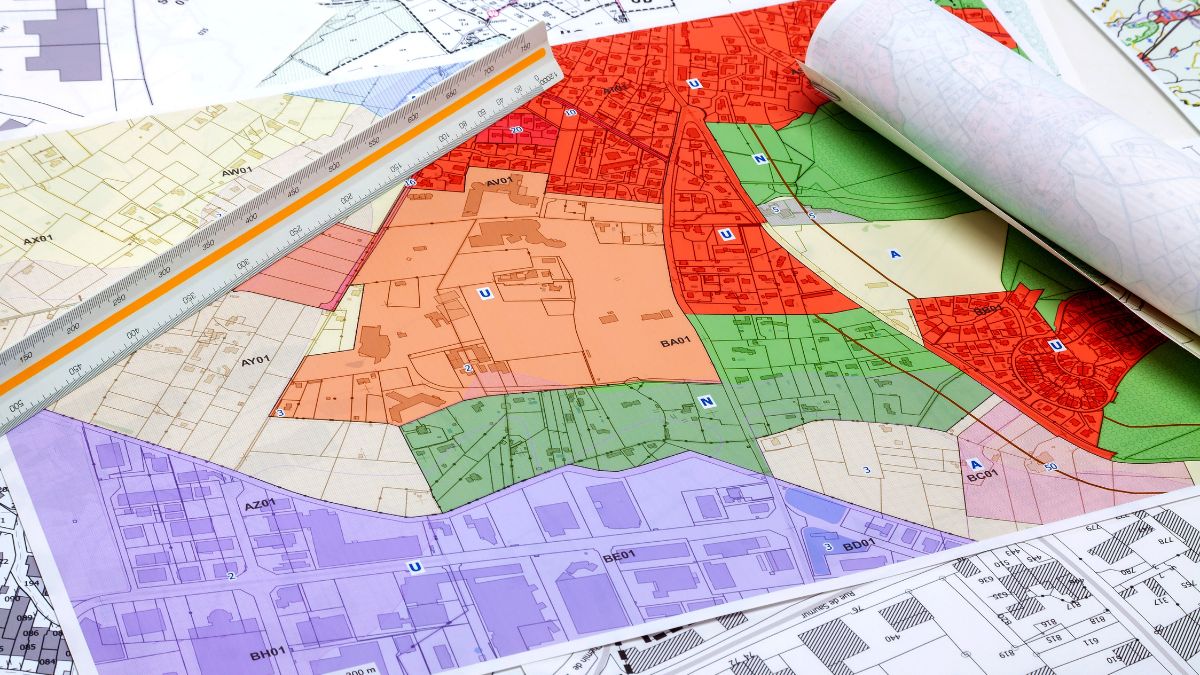
Title Deeds also contain rules about servitudes and wayleaves. These give municipalities and utility providers the right to access parts of your property for things like pipes, power boxes, or cables. If your fence or wall blocks access, you could face legal trouble.
Van Deventer also strongly recommends trying to resolve issues with your neighbour before doing anything drastic.
“Agree on pruning schedules, costs, and how branches will be disposed of. A cooperative approach will usually reduce the risk of disputes and expenses escalating,” he said.
Real estate law expert Alex de Wet from Cliffe Dekker Hofmeyr added earlier this year that anyone wanting to build a wall or fence must follow municipal procedures.
“You need to submit building plans and get approval before starting work. If you skip this step, the municipality may order you to tear it down at your own cost,” he said.
It’s also vital to know exactly where your property begins and ends. This is shown in your Deed of Transfer, which links to an SG diagram from the Surveyor General’s office.
If you’re unsure, a land surveyor can confirm the boundaries. Even by mistake, building on your neighbour’s land can lead to expensive legal battles. A town planner can also help you understand zoning laws before you build.
If you build over a servitude or onto someone else’s land, your neighbour or the municipality could take you to court.
“You may be forced to remove the wall and pay for the damage, demolition, and legal fees. These costs can add up quickly and far exceed the price of doing things properly in the first place,” he said.


















 Loading ...