

Name change for Kruger National Park shot down


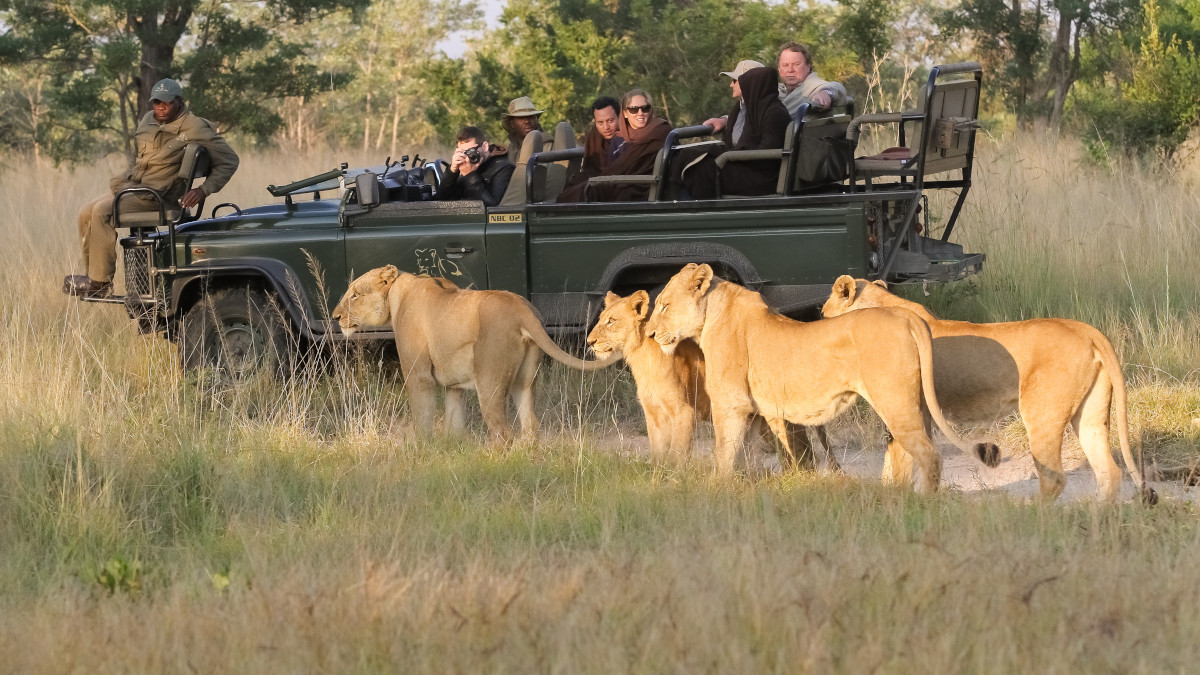
A proposal in the Mpumalanga legislature to change the name of the Kruger National Park to the Skukuza National Park has no legal bearing and amounts to nothing more than an opinion, says the DA.
The change was proposed in a motion by the EFF in Mpumalanga, supported by the MK Party and the ANC, seeking to move away from features named after Paul Kruger.
However, the motion has no legal bearing or effect, as it falls outside of the administrative process that goes into changing names in South Africa.
According to the Democratic Alliance, “the motion is nothing more than an opinion and has no legal force or effect”.
“No Provincial Legislature can do so, or could even start such a process,” it added.
The DA said it is a good thing that the political parties proposing the change exhibited a fundamental misunderstanding of the laws and the processes to change names of geographic features, as doing so would have been detrimental to tourism in the country.
“Changing the name of South Africa’s most attractive and defining tourism drawcard would wipe out decades of tourism goodwill, and tourist name-recognition for the National Park,” it said.
“This international reputation is what makes the Park a defining attraction for tourists into South Africa who bring with them millions of dollars, euros, yen, yuan, pounds, among hundreds of others to grow our economy and create more jobs.”
The party flagged the operational costs of such a name change on local, provincial, and national governments, which it said would run into the millions of rands.
“Every change from road signs, to rebranding, to maps, websites, uniforms, and vehicles – all come at enormous cost from taxpayer money that South Africa cannot afford,” it said.
The Kruger National Park has an almost 100-year history in South Africa. It became the first national park in South Africa in 1926, with areas falling under government protection as early as 1898, falling under the Sabi Game Reserve.
How name changes happen in South Africa
Name changes in South Africa follow a highly consultative process—at least in theory—through the South African Geographical Names Council (SAGNC).
The process typically starts through proposals for a name change at a community level, where individuals, communities, or institutions propose a name change to the relevant Provincial Geographical Names Committee (PGNC).
Public consultations are then facilitated by the PGNC in the affected area, ensuring compliance with the Promotion of Administrative Justice Act (PAJA).
Following consultations, the SAGNC initiates its verification and recommendations after assessing historical relevance, community support, and technical accuracy related to the change.
Once the processes have been followed, the changes then go for final approval by the Minister of Sport, Arts and Culture, followed by gazetting of the approved name.
The SAGNC is a competency under the Department of Sports, Arts and Culture, but depending on what feature is being named, the process may fall under a different department.
For example, the naming of streets and municipalities does not fall under the jurisdiction of the SAGNC, and is instead managed by local municipalities.
In the case of the Kruger National Park, it is South African National Parks (SANParks) that is responsible for naming the country’s national parks.
This is a competency under the Department of Forestry, Fisheries and the Environment, which the DA pointed out is currently under the stewardship of one of its ministers, Dion George.
“Even if such a name change made its way to the final approval by the minister, it is very fortunate that the Minister of Environment, Forestry and Fisheries is a DA Minister,” the party said.
Regardless, the party added that the Kurger National Park spans more than just Mpumalanga, so the legislature for that province does not have jurisdiction to consider the change.
















 Loading ...