

R268 billion ‘hidden’ giant coming after Checkers, Pick n Pay, and Woolworths


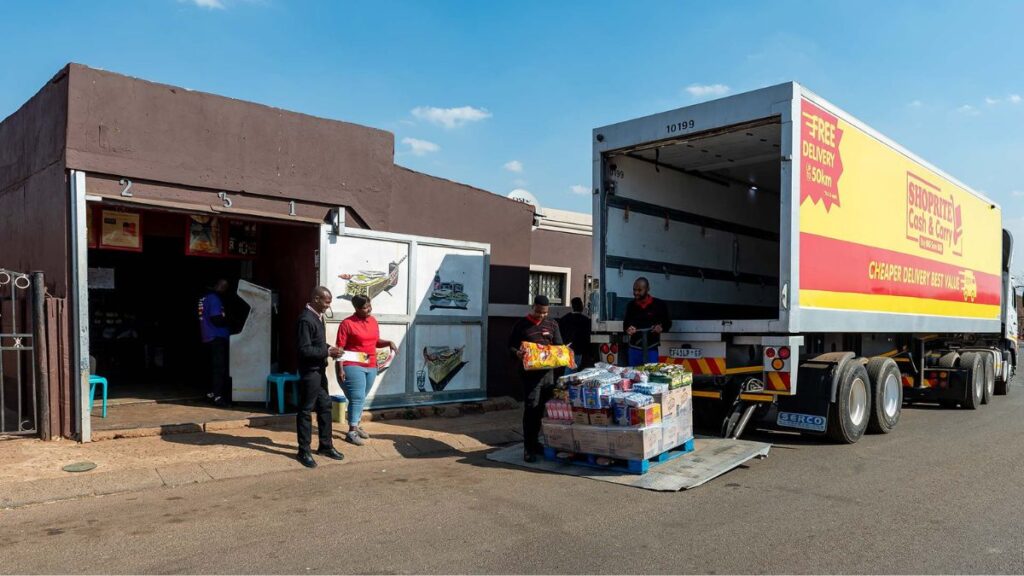
South Africa’s formal independent retail and wholesale sector is a R268 billion powerhouse, increasingly competing with South Africa’s traditional retail giants.
According to the latest Trade Intelligence Formal Independent Channel Report, this sector now accounts for nearly a third of the country’s fast-moving consumer goods (FMCG) market.
Historically, independent wholesalers focused on supplying informal traders, particularly spaza shop owners, selling products in bulk through the traditional cash-and-carry model.
However, over the past few years, shopping habits in South Africa have shifted, with more households visiting these outlets to stretch their budgets.
The sector’s appeal lies in its value, as wholesalers often offer lower prices for bulk purchases, attracting cost-conscious consumers who want to get more for their money.
“Most people know the big retail chains, but a big part of FMCG is independent wholesale and retail,” said Andrea Slabber, Insights Lead at Trade Intelligence.
“Cash-and-carry stores supply spaza shops, tuck shops, and small businesses, and now households are increasingly shopping there too.”
Slabber explained that these outlets have evolved significantly. “Wholesale used to be just about supplying traders, but households, looking for lower prices, started shopping there as well. That pushed wholesalers to adapt their stores for everyday consumers.”
Today, most cash-and-carry outlets cater to both households and businesses, with around 90% offering separate checkouts and smaller trolleys for shoppers who don’t want to buy in bulk.
Single items are now available at competitive prices, making these stores more accessible and appealing to everyday shoppers.
Trade Intelligence data showed that 11% of South African households shop in the sector, which is the same reach as Clicks, nearly four times that of Woolworths, and not far off Checkers at 18%.
The sector is also a lifeline for small businesses. “It’s crucial for spaza shops and other small stores. Wholesalers often offer credit and free delivery, which helps businesses survive when cash flow is tight,” Slabber noted.
Responding to South African households’ needs

These services, combined with local knowledge, give independent traders an edge. “Community focus is key. Independent traders know their customers, stock what they need, and build trust,” she said.
“Spaza owners even offer credit to families, which keeps the whole supply chain connected—from wholesaler to trader to shopper.”
The growing influence of independent wholesalers has also pushed larger chains to adapt. Many independents have upgraded their stores to resemble modern supermarkets, complete with full fresh departments, bakeries, and butcheries.
In response, corporate retailers like Shoprite have introduced Cash & Carry and Usave formats to reach communities that previously relied on independent outlets.
“Many independents are evolving into true one-stop destinations, which makes them attractive not only to traders but also to everyday households,” Slabber said.
This sector’s impact extends beyond consumers and small businesses. Independent stores provide opportunities for small local suppliers to enter the market, offering the first shelf space to products that might otherwise struggle to break into big retail chains.
Additionally, the sector creates jobs along established distribution networks and has seen the rise of ‘midi wholesalers,’ groups of small store owners pooling resources to buy in bulk and distribute products further.
Economic pressures have also fuelled the sector’s growth. With households facing tighter budgets, shoppers are increasingly turning to independent wholesalers and hybrid retailers for value.
Popular value-oriented brands, such as Shoprite’s Usave, Boxer, and Best Before, reflect this trend. Hybrid wholesalers—stores that combine bulk and supermarket-style formats—now make up 92% of the wholesale and hypermarket footprint.
Looking ahead, the independent retail and wholesale sector is expected to maintain its momentum.
“Independents are part of the community, create opportunities, and respond to the needs of both traders and households. That’s why they will continue to be a major force in the sector,” Slabber said.


















 Loading ...