

Major Chinese carmaker building new SUV in South Africa


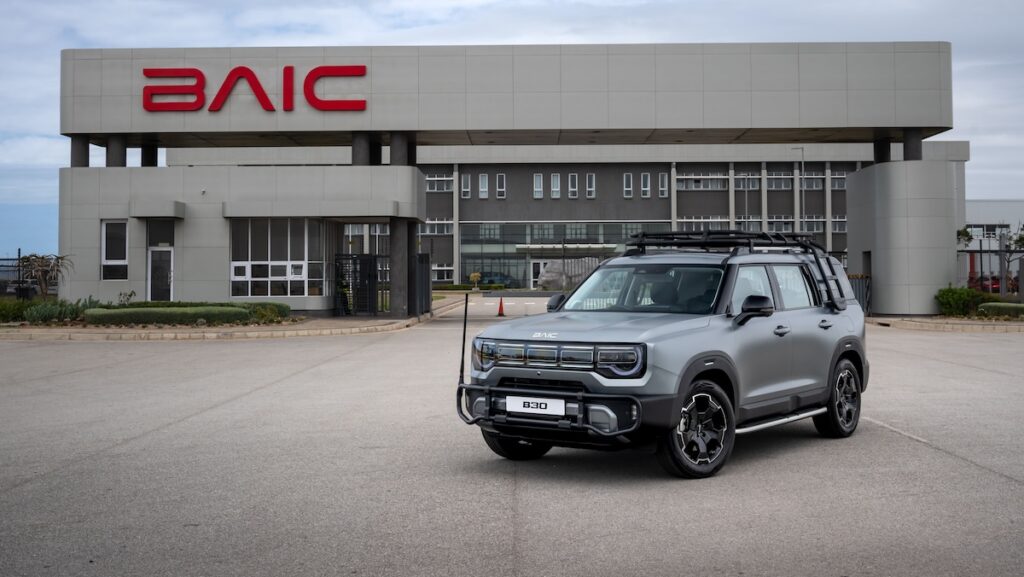
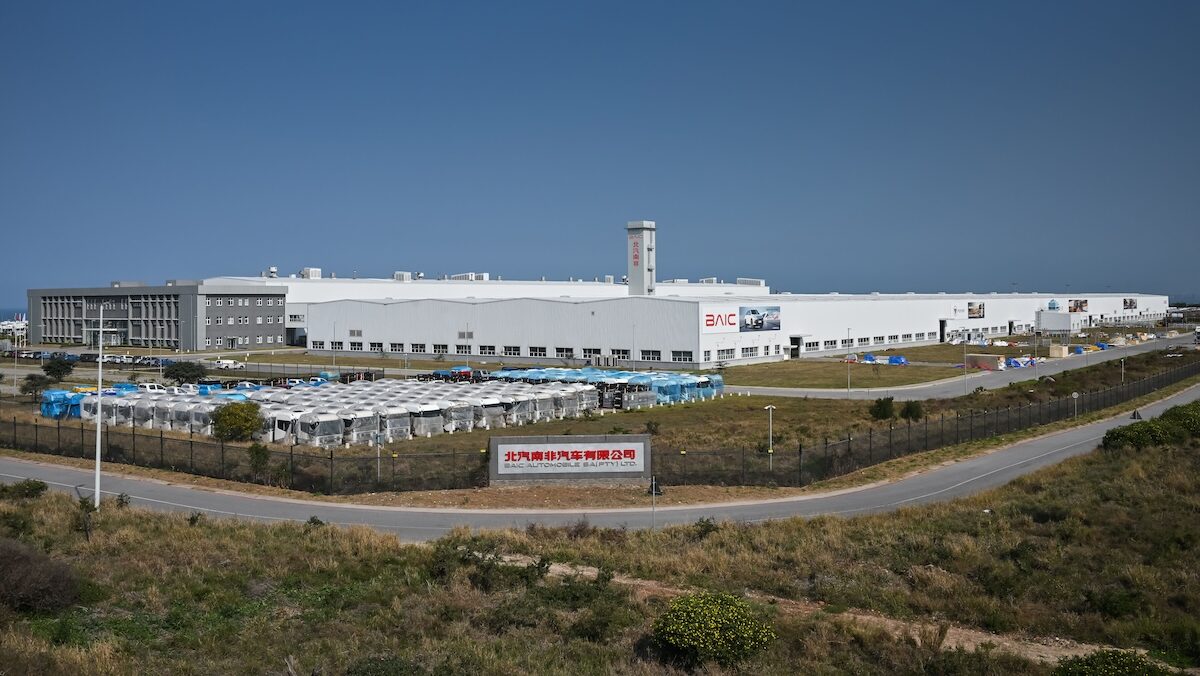
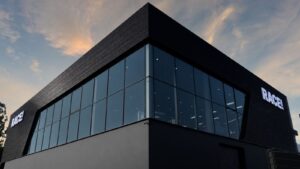
BAIC says its new B30 SUV will be assembled locally at the company’s Coega facility in Gqeberha.
The Chinese car brand said that the manufacturing marks a major step in the brand’s long-term commitment to the South African market.
The B30 will officially launch in November 2025, with local assembly starting shortly after launch.
The company said that the local manufacturing reinforces BAIC’s strategy to build key models on South African soil and expand the plant’s production facility.
“Localising the B30 is about more than manufacturing – it’s about investing in people, skills, and a sustainable automotive future for South Africa,” said Ameena Hassan, Brand & PR Manager at BAIC South Africa. “
“Our Coega facility was built to support long-term growth, and the addition of the B30 underscores our confidence in this market and our intention to become a truly local brand.”
The R11 billion Coega plan, which was one of the largest industrial investments in South Africa’s automotive sector, currently assembles the BAIC B40 Plus and X55 Plus models.
The company said that the new B30 SUV is set to expand capacity and sustain hundreds of local jobs across production, logistics, and dealership networks.
The localisation of the B30 strengthens its supply-chain resilience and reduces import dependency.
It will also open opportunities for future component sourcing through South African suppliers.
“We see South Africa as the gateway to the continent,” Hassan added.
“Building the B30 locally allows us to deliver vehicles faster, tailor them to local conditions, and invest directly in the communities that support us.”
BAIC’s push into its existing facility comes amid serious challenges facing its European and American competitors in South Africa.
Ford Motors is scaling back in South Africa, with close to 500 workers across its plants in Pretoria and Gqeberha being retrenched.
Ford’s decision follows a decline in European demand for its vehicles, especially the Ranger pickup, as well as changes in international tax policy that have disrupted its export strategy.
BMW is looking to move its locally manufactured vehicles to new markets, particularly Canada, due to the tariffs from the United States.
Chinese companies pushing into Africa
BAIC is not the only major Chinese automaker increasingly focusing on South Africa.
Chery and Haval continue to make a mark in the passenger market due to their affordable prices compared to competitors.
Meanwhile, BYD, the world’s largest automaker of new energy vehicles, recently announced a massive infrastructure push in South Africa.
Speaking with BusinessTech earlier this month, BYD Vice President Stella Li said the company invests in 300 electric chargers in South Africa, including 1MW chargers.
The new stations will start off by being expanded in the group’s dealerships, then expand to the nation’s highways, and finally, to congested downtwon areas.
BYD is also looking to expand its solar coverage across South Africa on top of its massive charging expansion.
However, Li admitted that BYD is a new player in South Africa, and needs more time before thinking of building a factory in South Africa.













 Loading ...