

New hijacking hotspot identified in South Africa


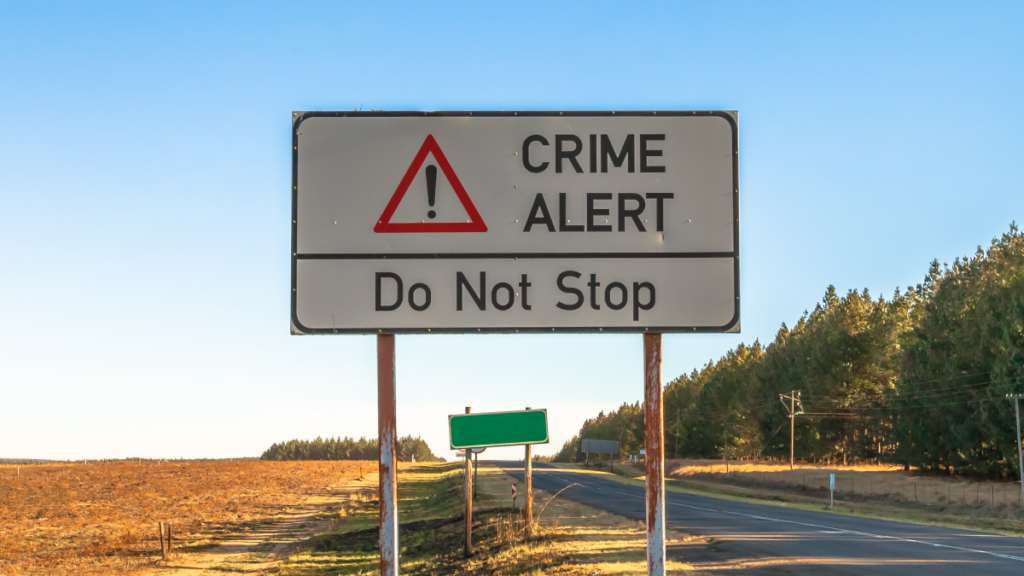
Business-owned vehicles now significantly more at risk of being hijacked than private ones, and Mpumalanga has emerged as a newly identified hotspot.
This is according to Tracker South Africa’s latest vehicle crime data, which shows a notable shift in hijacking patterns across the country.
The data, captured from more than 1.1 million Tracker subscriptions between January and June 2025, indicated that vehicles owned by businesses are 48% more likely to be targeted than those owned by individuals.
This increased targeting is driven mainly by hijackings rather than traditional vehicle theft, revealing how criminal behaviour continues to adapt to new conditions and opportunities.
Business-owned vehicles are disproportionately affected when compared to privately-owned vehicles.
While these vehicles make up a certain share of the Tracker customer base, the recorded crime involving them is 32% higher than would be expected.
Gauteng remains the province where the majority of vehicle crime occurs, accounting for 57% of all cases.
However, the newly highlighted trend is the change in where and when hijackings are taking place.
Mpumalanga, which has not featured as prominently in previous years, now stands among the country’s hijacking hotspots alongside the Western Cape and Eastern Cape.
There has also been an increase in incidents taking place during the week rather than over weekends, reflecting how criminals are adjusting their operations to follow business and delivery traffic patterns.
The breakdown between hijacking and theft further illustrates this shift. Nationally, business vehicles are hijacked nearly twice as often as they are stolen.
In the Western Cape, a business-owned vehicle is five times more likely to be hijacked than stolen, while in the Eastern Cape the ratio is four times higher.
Mpumalanga records hijackings at three times the rate of theft involving business-owned vehicles.
For privately-owned cars, the national split between hijacking and theft is even, but there are strong regional variations.
Over 50 hijackings reported per day
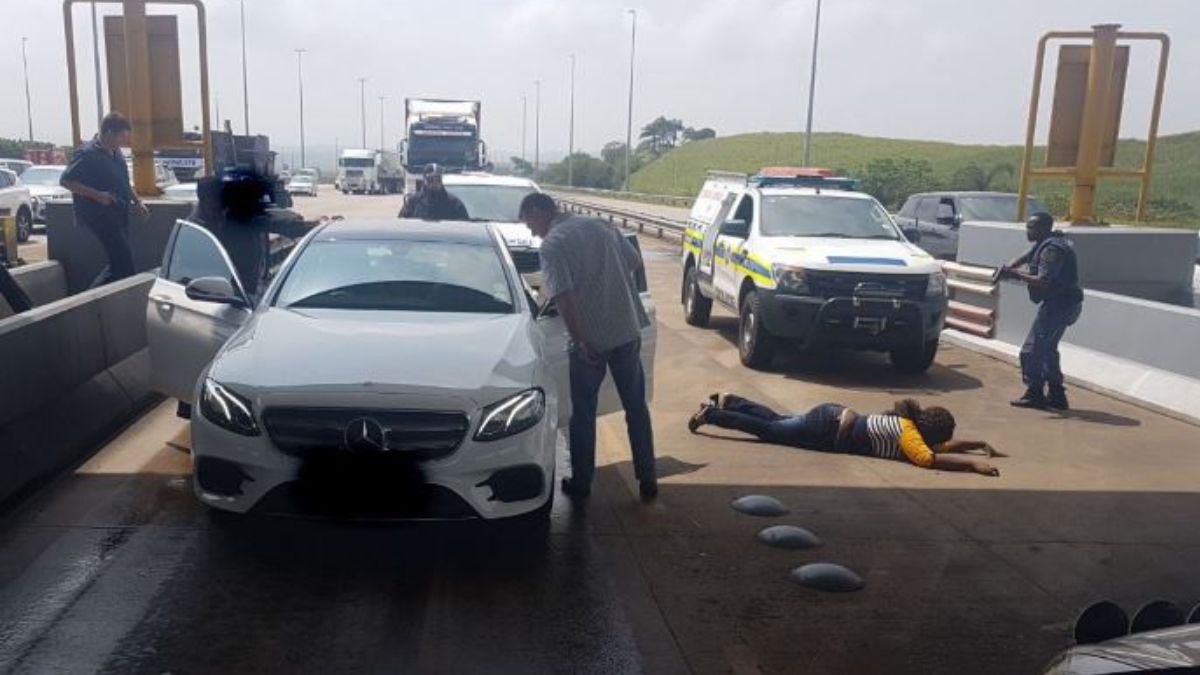
In the Eastern Cape, a personal vehicle is five times more likely to be hijacked than stolen, and in Mpumalanga and Limpopo, hijacking occurs at double the rate of theft.
Tracker’s Chief Operating Officer, Duma Ngcobo, noted that these shifting patterns reinforce the importance of situational awareness.
Criminals adjust their focus as conditions change, particularly when there is high demand for specific vehicle types or parts.
Ngcobo advised that businesses operating fleets should consider proactive security measures.
These range from AI-powered fleet dashcams with facial recognition and 360-degree monitoring, to safe zone management tools, cargo door sensors, and emergency assistance alert systems for drivers.
Rapid response armed support services can also reduce harm during incidents by ensuring help reaches drivers quickly.
The figures from the South African Police Service (SAPS) provide additional context. SAPS recorded 4,533 hijackings in the latest three-month reporting period, which reflects a year-on-year decline of 15.1%.
However, this still translates to roughly 50 vehicles being hijacked per day. Meanwhile, the Victims of Crime survey, which captures unreported incidents, suggests that the true number is much higher.
According to the survey, hijackings fell from 114,000 to 81,000 year-on-year, a decline of nearly 29%.
Even so, the country recorded an average of 222 hijackings a day, underscoring the extent to which the crime remains entrenched.
Security experts advised that one of the most effective defences remains simple awareness.
Individuals are often targeted when distracted or unaware of their surroundings. Drivers are encouraged to pay attention to unusual behaviour near driveways, intersections, and traffic slowdowns.
Those who drive high-demand vehicles or operate business fleets should consider layered security, combining vigilance with technology.
















 Loading ...