

Bad news for South Africans who love red meat


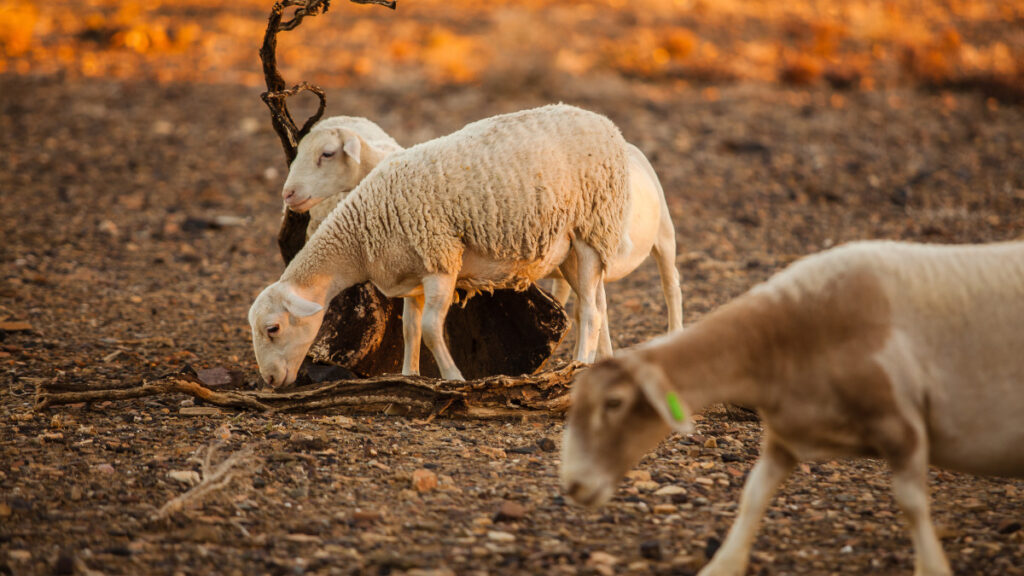
As South Africa works to contain and treat various outbreaks of Foot and Mouth Disease (FMD) in the country, the Red Meat Industry Services body (RMIS) has reported that another disease, Rift Valley Fever, has been diagnosed in sheep.
The group’s latest FMD update noted that RVF has been diagnosed in sheep in the Augrabies area in the Northern Cape.
Rift Valley Fever is a viral zoonosis, affecting primarily domestic livestock; it causes abortion and death of the animals.
Notably, the disease can be spread to humans by infected animals, usually through contact with the blood or body fluids of infected animals or by bites from infected mosquitoes.
However, there has been no documented case of human-to-human transmission.
The virus was first identified in 1931 during an investigation into an epidemic among sheep in the Rift Valley of Kenya—the area from which it derives its name.
The disease is spread by the bite of infected mosquitoes to susceptible animals.
The virus affects younger animals more severely. More than 90% of lambs infected with RVF die, whereas mortality among adult sheep can be as low as 10%.
Other symptoms in cattle include slow movement and lack of energy, high fever and rapid breathing, and vomiting.
According to the National Institute for Communicable Diseases (NICD), there have been several isolated outbreaks of the disease; however, a widespread RVF epidemic occurred in South Africa in 2010-2011.
During this outbreak, more than 14,000 animal cases were recorded in all but one province. During this period, the NICD confirmed a total of 278 human cases, of which 25 were fatal.
The majority of humans infected during the 2010-2011 outbreak were farm workers and animal health personnel exposed through direct contact with infected animals.
It added that there is no specific approved treatment available for RVF, and clinical management comprises general supportive therapy.
Prevention of RVF outbreaks primarily relies on the prevention of infection in livestock through vaccination.
The RMIS said that, to prevent further spread of the fever, “vaccination of at-risk animals is strongly advocated.”
It added that it has contacted vaccine producer, Onderstepoort Biological Products (OBP), to determine current vaccine stock levels and will assist in coordinating the allocation of available vaccine to high-risk areas as a priority.
“In addition, RMIS is working with local veterinary authorities to monitor the situation closely and ensure that all necessary biosecurity measures are implemented to protect livestock and support affected farmers.”
Foot and Mouth Disease still being dealt with

The RMIS noted that some progress has been made in dealing with the Foot and Mouth Disease outbreak in the country.
South Africa was hit with a devastating outbreak of FMD this year when South Africa’s largest feedlot, Karan Beef, reported an outbreak at its Heidelberg facility.
The outbreak was first reported in May 2025 and has since spread to other provinces.
This led to a concerted containment and vaccination drive, with exports closed off and local meat prices rising sharply as a result of lost stocks.
The RMIS stressed that the outbreak has not yet been declared endemic and efforts are still focused on containment and vaccination.
The group added that imports of new vaccines from Türkiye are currently being tested at Onderstepoort’s TAD labs, with regulatory processes to import the medication to follow, based on the results of these tests.
Containment efforts are focused on the six provinces where outbreaks have been recorded.
Active outbreaks are occurring in the Free State, Gauteng and Mpumalanga, while cases are under observation in North West.
Vaccination efforts are progressing in Kwa-Zulu Natal, while there is no evidence of further spread in the Western Cape.
The RMIS noted exceptional response from veterinary services, farming communities, police and metro officers in the province.

















 Loading ...