

Unique South African suburb under siege


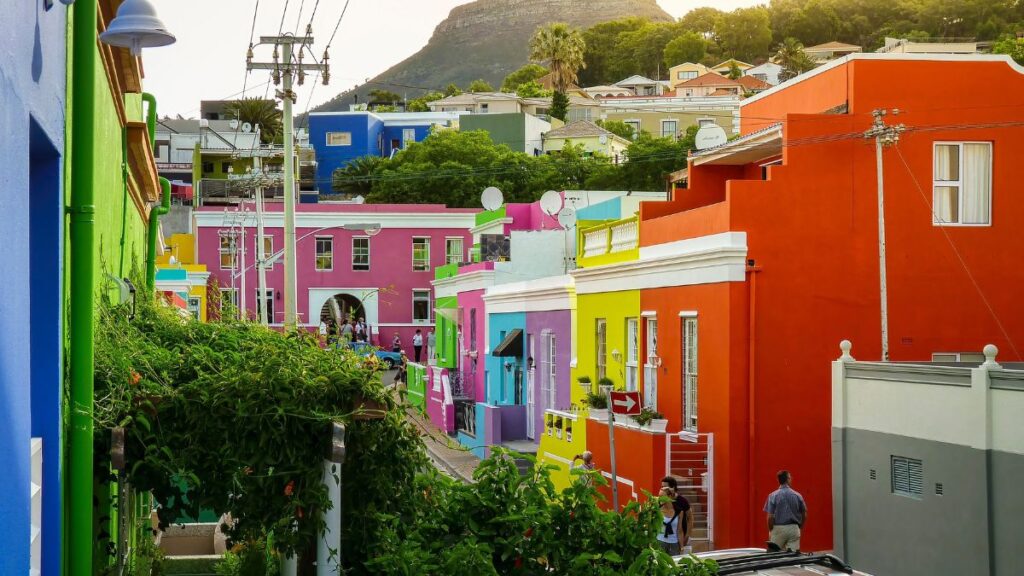
Bo-Kaap, one of Cape Town’s most historic neighbourhoods, is facing growing pressure from a rapid increase in Airbnb-style short-term rentals.
Residents argue this trend is weakening the community, disrupting daily life, and threatening the suburb’s cultural heritage.
The Bo-Kaap Civic and Ratepayers Association (BKCRA) is now urging the City of Cape Town to step in and regulate short-term rentals before the area changes beyond recognition.
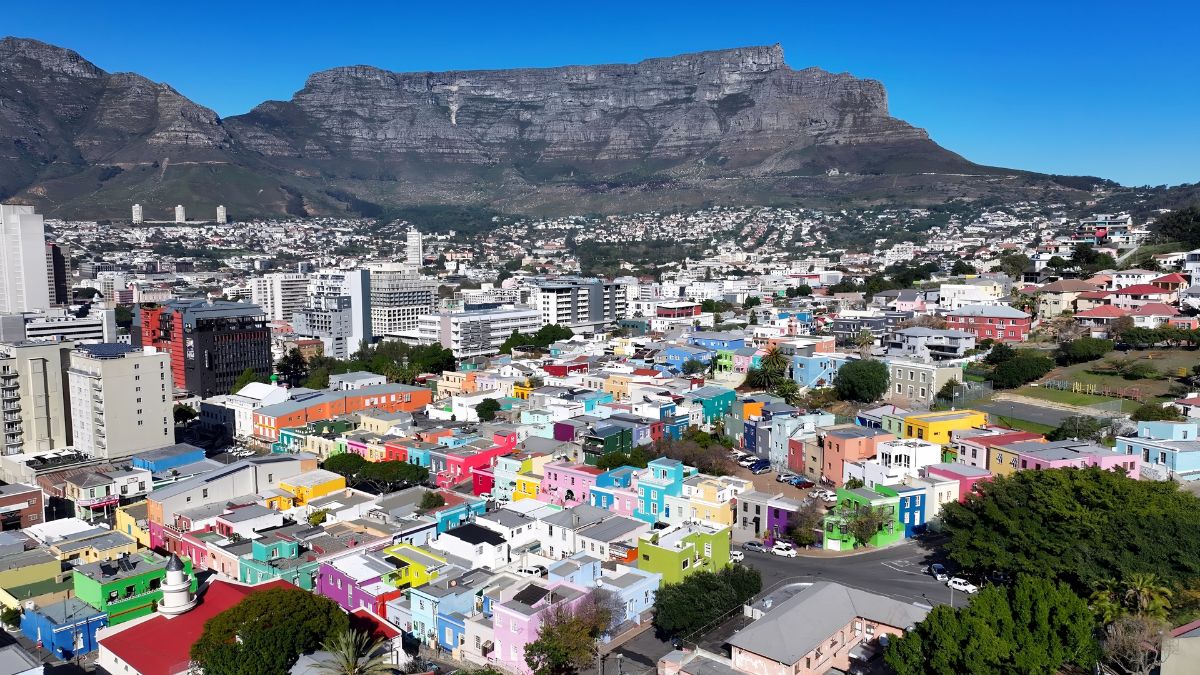
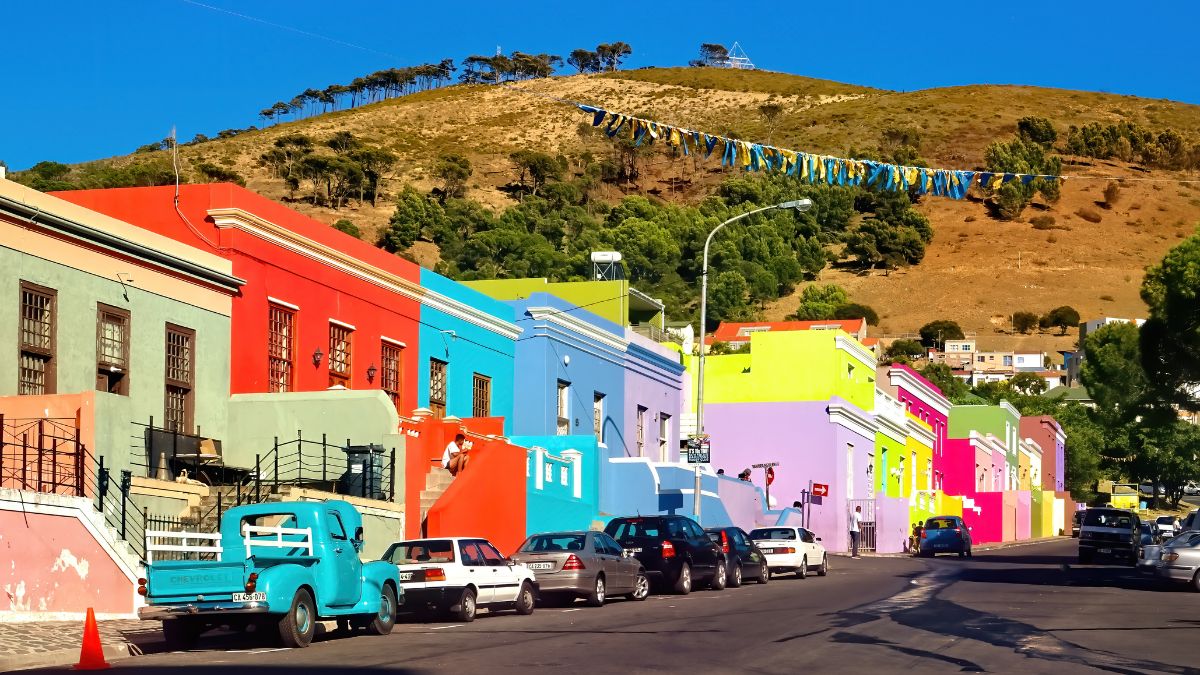
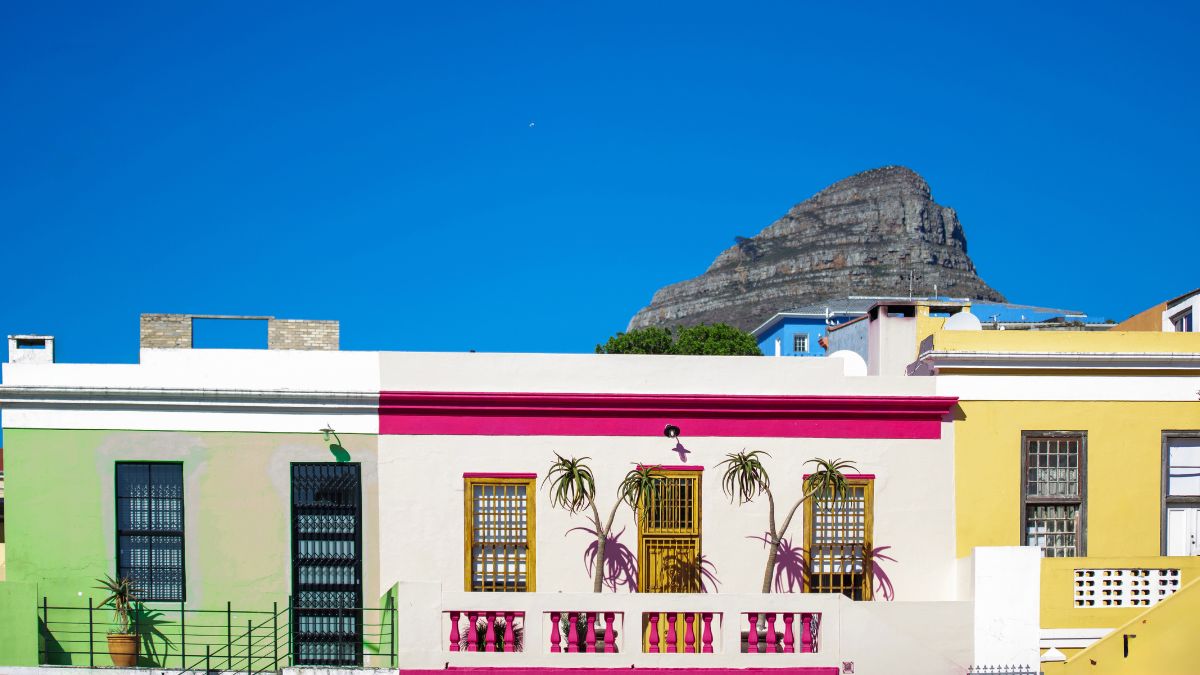
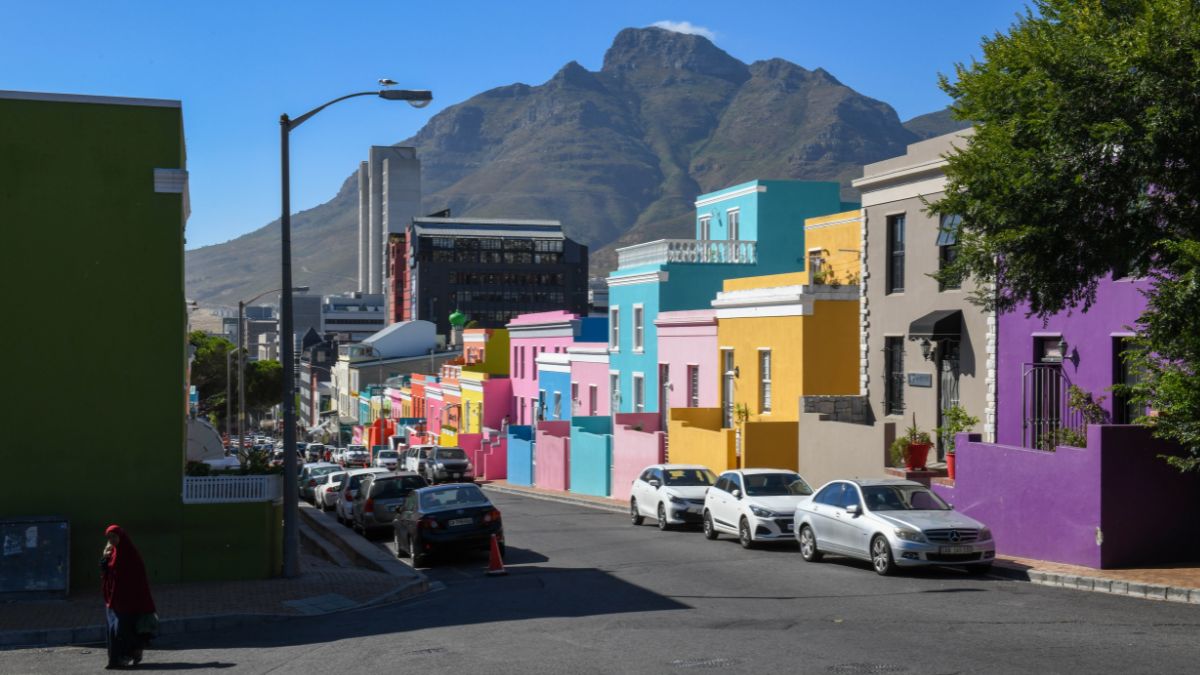
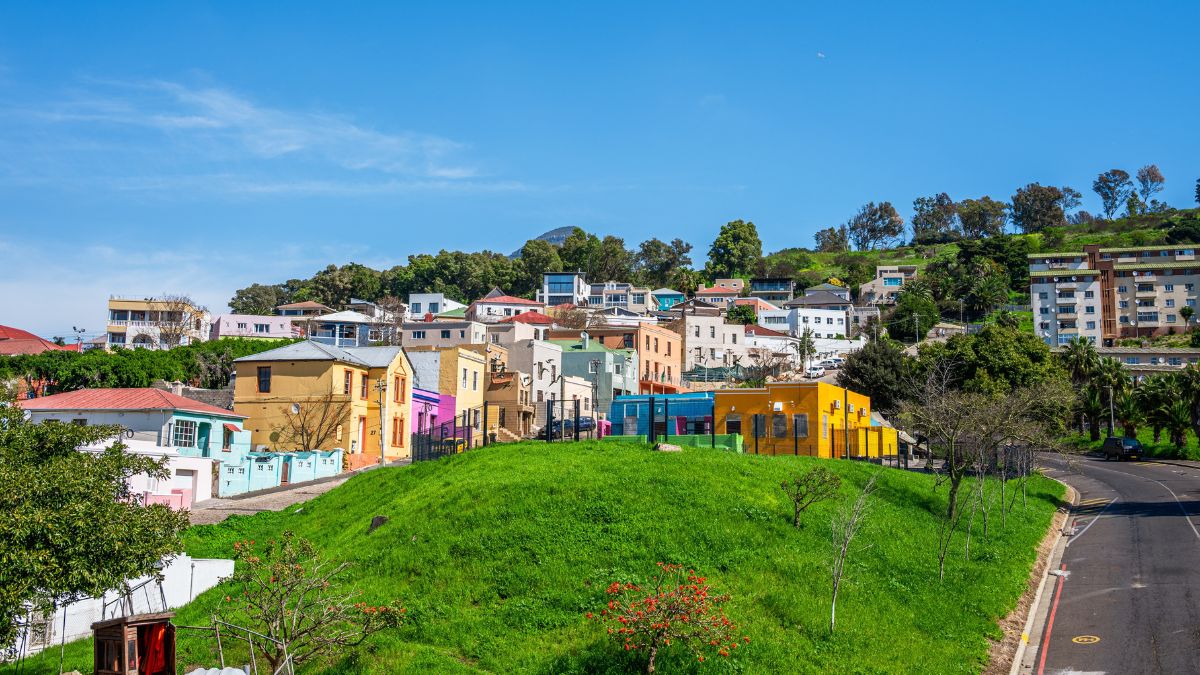
Bo-Kaap sits on the slopes of Signal Hill and is famous for its brightly coloured homes, cobblestone streets, and deep Cape Malay and Muslim heritage.
It is the oldest surviving residential neighbourhood in Cape Town and home to the country’s oldest urban Muslim community.
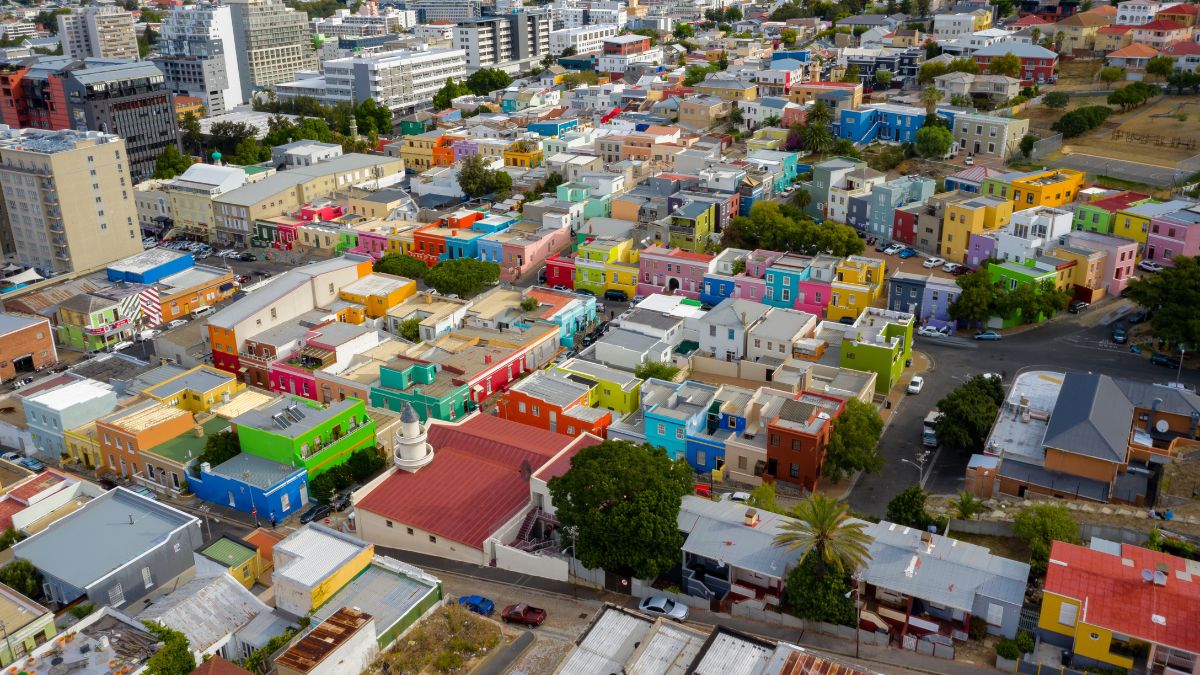
More than half of its residents identify as Muslim, and the area contains significant cultural sites, including the 1844 Nurul Islam Mosque and the most extensive collection of pre-1850 buildings in South Africa.
However, Residents have said this unique heritage is increasingly at risk. The BKCRA warned that more and more family homes are being turned into tourist accommodation, undermining the neighbourhood’s social fabric.
In a recent statement, the association said the rise of commercial short-term rentals is rapidly eroding community cohesion in the area.
GroundUp reported that 70% of residential units in the wider inner city are now listed as short-term rentals, according to the City of Cape Town’s new spatial development framework.
While Bo-Kaap is just outside the study area, residents say the same pattern is becoming visible in their streets.
BKCRA chair and local imam, Sheikh Dawood Terblanche, said Bo-Kaap cannot be compared to other parts of Cape Town facing similar trends.
“It’s the oldest living urban Muslim community in South Africa. It is the birthplace of Islam,” he said.
Within its small boundaries, the suburb hosts 19 heritage sites, making it highly sensitive to the impacts of commercialisation and heavy tourism.
Visitors do not respect the history and local residents
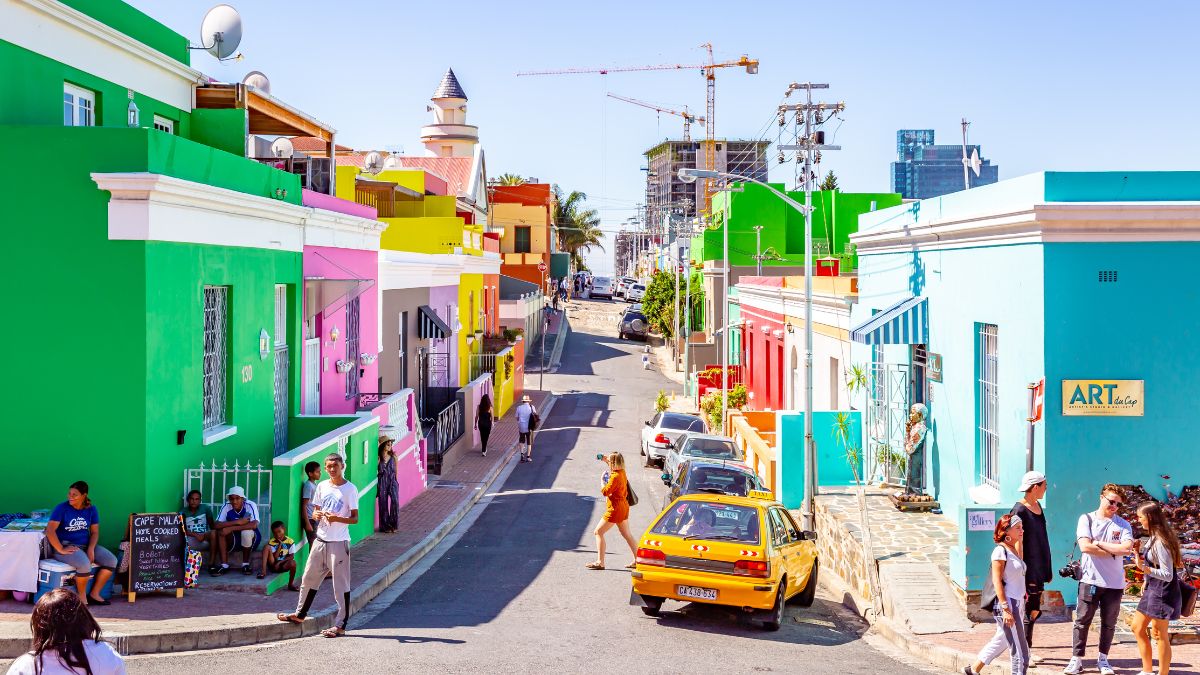
Terblanche noted that rising property prices and the shift from long-term to short-term rentals are pushing families out of homes they have occupied for generations.
“Now, rising property prices and short-term rentals are displacing long-term residents, including the elderly,” he said.
He believes the national government’s forthcoming guidelines for short-term letting are not enough on their own—Bo-Kaap needs stronger, specific protections.
The BKCRA wants the City to enforce existing zoning bylaws so that homes cannot be used for short-term rentals unless properly approved.
The association is also calling for compulsory registration, limits on how many units can operate in the area, and a rule requiring owners to live on the property for most of the year.
Terblanche said this is crucial to maintaining order and respecting local customs. He added that when owners are absent, problems escalate.
“The owners unfortunately are not on the premises for most of these Airbnb’s, and this creates the biggest problem for us.”
He added that Bo-Kaap’s infrastructure is not built to handle the tourism volumes brought in by short-term rentals.
The area already struggles with congestion from tour buses, which drop off large groups daily.
“We’re not only talking about 100 tourists within the area on a daily basis. We’re looking at possibly more than 1,000,” he said.
Despite these numbers, local tour guides and businesses often do not benefit from the influx. Even short stays can cause tension.
Terblanche highlighted that many visitors are simply unaware of the area’s culture and religious practices.
“Some—not all—do not understand the culture. They do not understand the history of the area,” he explained.
This often leads to behaviour that clashes with local norms. “We see people drinking openly on the balconies, on the stoops. We are seeing loud music being played.”
“We’re seeing a disruption in the early parts of the morning.” These disturbances have become common and, for many residents, really unbearable.
Bo-Kaap


















 Loading ...