

Driving growth and efficiency in South African fashion through digital innovation


In South Africa, where water scarcity is a growing concern, inefficient textile production poses environmental, financial and reputational risks for fashion businesses.
The global textile industry is a major consumer of water and contributes significantly to industrial water pollution worldwide.
Textile wet processing, including dyeing, printing and finishing, consumes substantial volumes of water, with research showing that dyeing alone can use around 100–125 litres of water per kilogram of fabric, much of which becomes wastewater.
Along with this, much of this water re-enters the environment as contaminated wastewater, carrying leftover dyes and harmful chemicals.
These inefficiencies translate directly into higher production costs and increased exposure to sustainability-related scrutiny for local businesses.
Operational efficiency through digital printing
Digital textile printing is transforming how designs come to life on fabric.
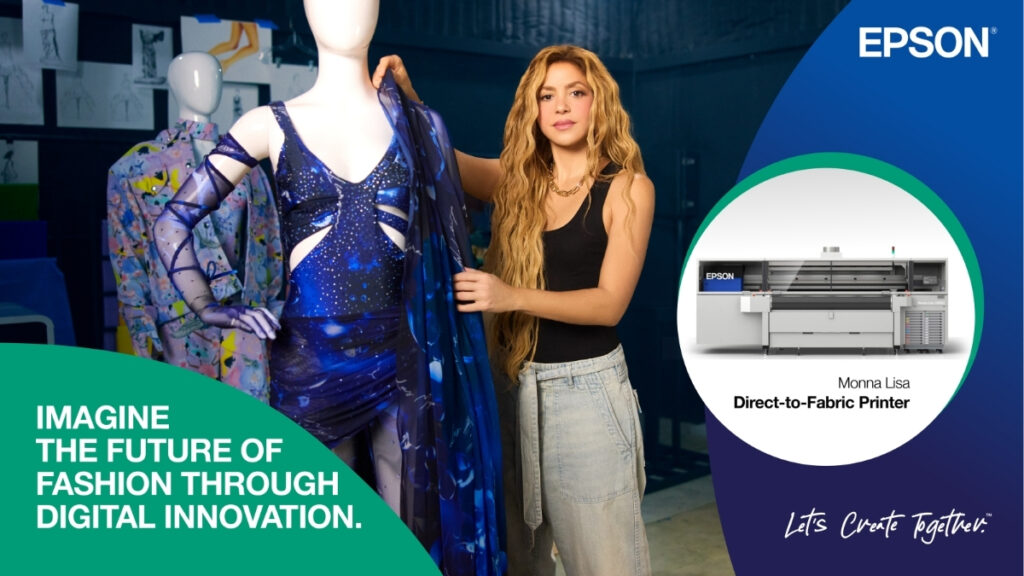
Unlike traditional dye-based processes, which involve multiple stages of washing and rinsing, Epson’s Monna Lisa ML-13000 printer uses advanced pigment inks that can reduce water use by up to 97%.
It eliminates the need for pre-treatment and constant rinsing, while maintaining colour vibrancy and detail.
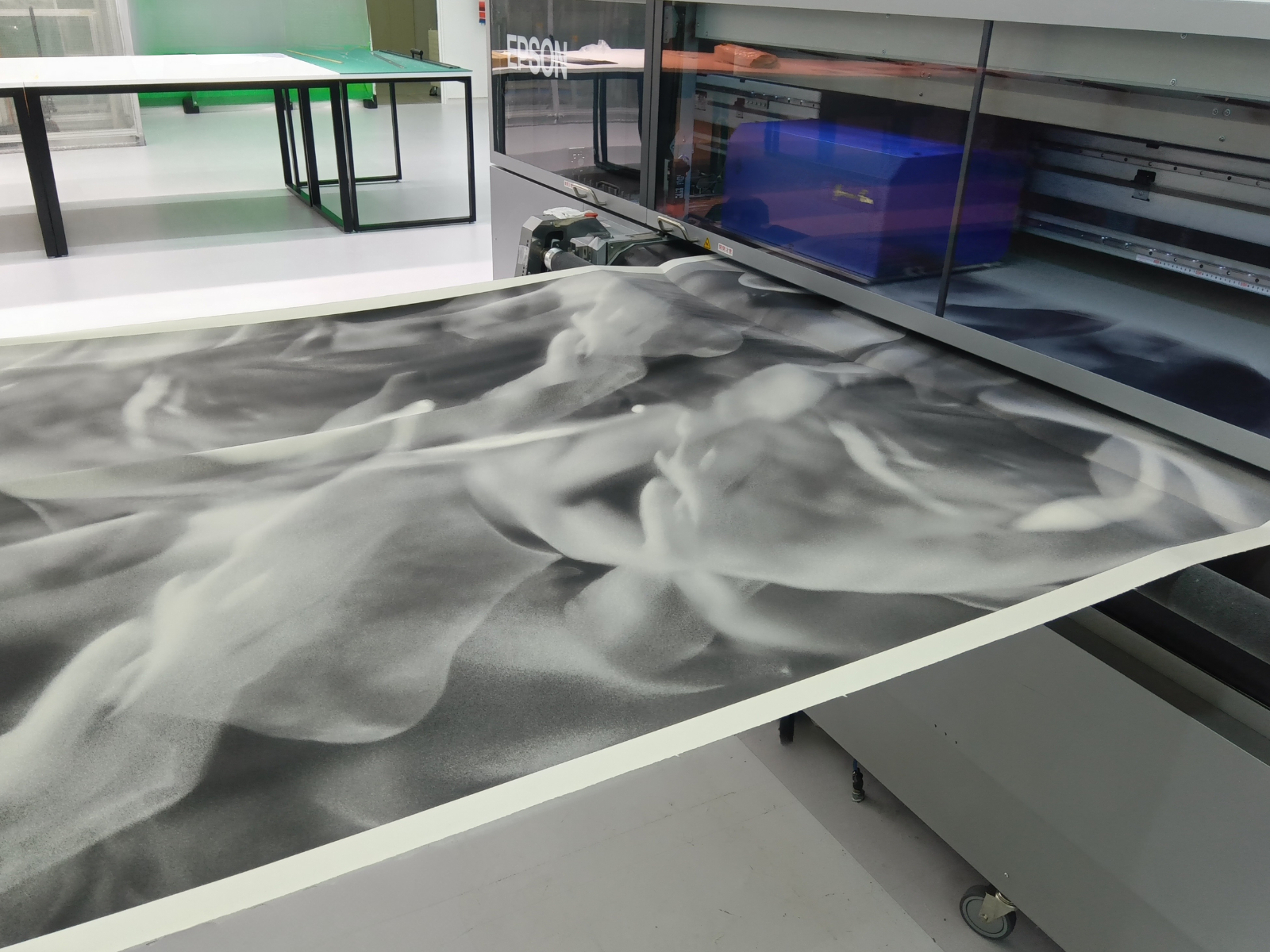
This shift from analogue to digital enables designers to print shorter runs while customising designs and producing only what’s needed, cutting down on overproduction and waste.
Businesses can now align production volumes with market demand, reducing unsold inventory and maximising profitability.
Because Epson’s printers are compact and adaptable, local studios can print high-quality fabrics on demand, respond faster to seasonal trends and avoid the environmental toll of long supply chains.
This approach aligns with the growing sustainable fashion movement in South Africa, from small ateliers reworking fabric off-cuts to designers creating limited collections inspired by heritage prints.
Technology now allows businesses to integrate sustainability into their operations without compromising design or commercial agility.
Circular economy
Epson’s research extends beyond printing.
Its Dry Fiber Technology prototype defibrates used textiles into reusable fibres, which can then be transformed into non-woven fabrics without using water, requiring only moderate humidity for the transformation.
Applied at scale, it could help solve two challenges that plague fashion globally: the low rate of textile-to-textile recycling, which is currently only around 1% of materials made into new fabrics, and excessive water consumption.
Japanese designer Yuima Nakazato showcased garments made from non-woven fabric produced with this method in a past collection, sourced from second-hand clothing collected in Africa, and proving that circular fashion can still be couture.

Created by Yuima Nakazato
©Gio Staiano
The fabric was printed and incorporated into his insightful works presented at Haute Couture Week in Paris.
The Dry Fiber Technology enables Nakazato to pursue a production process with a lower environmental impact and that benefits from material’s circularity as well as delivering high-quality custom clothing.
South African fashion businesses can reduce operational costs, improve production efficiency and meet growing sustainability expectations from both regulators and consumers by embracing digital textile printing and innovative recycling methods.
Technology, in this way, can be a driver of growth, competitiveness and long-term resilience.
Click here to learn more about Epson’s innovation for the textile industry.


















 Loading ...