

Dark times ahead for an important South African industry


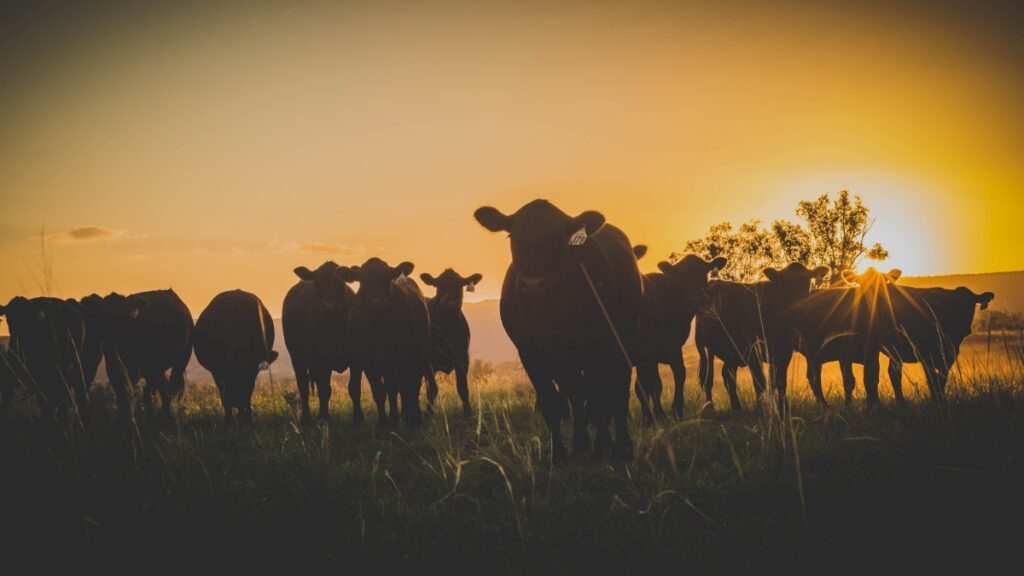
Many experts have warned that foot-and-mouth disease is out of control in South Africa and poses an existential threat to many livestock farmers.
The disease was present in South Africa for a few years. However, it exploded into a national disaster in early 2025.
Infected cattle from KwaZulu-Natal were sold at an auction, and the virus was transported by unsuspecting buyers into Mpumalanga and Gauteng.
The government failed to contain the foot-and-mouth disease outbreak, and it is currently active in seven provinces.
Farmers in KwaZulu-Natal, Gauteng, Free State, Mpumalanga, North West, Limpopo, and Western Cape are battling the disease.
The livestock industry is under extreme pressure. Export markets are restricted, and local meat and dairy prices are expected to rise sharply due to decreased production.
In September 2025, Agriculture Minister John Steenhuisen rejected claims from the Red Meat Producers Organisation that the disease was out of control.
However, he soon changed his tune after experts described the outbreak as one of the most severe in South Africa’s history.
In November 2025, Steenhuisen admitted there were serious problems despite vaccinating 931,200 animals with vaccines purchased from Botswana.
“We must be honest with the public and with our farming sector. This is a battle we are currently not winning,” he said.
Steenhuisen announced plans to vaccinate all the cattle in South Africa from Foot and Mouth Disease (FMD) starting in February 2026.
Despite these plans, many experts said that this ambitious vaccination project is unlikely to work as planned, and a more urgent response is needed.
The problem for farmers is that they are prohibited from buying vaccines and vaccinating their livestock.
Foot-and-mouth disease is classified as a state-controlled disease, which means only the government may procure and distribute vaccines.
Therefore, farmers are prohibited from sourcing or administering vaccines themselves, even if they can afford them.
This means that even when animals are dying in front of their eyes, they must wait for the government to stop the crisis.
Dark times ahead for livestock farmers
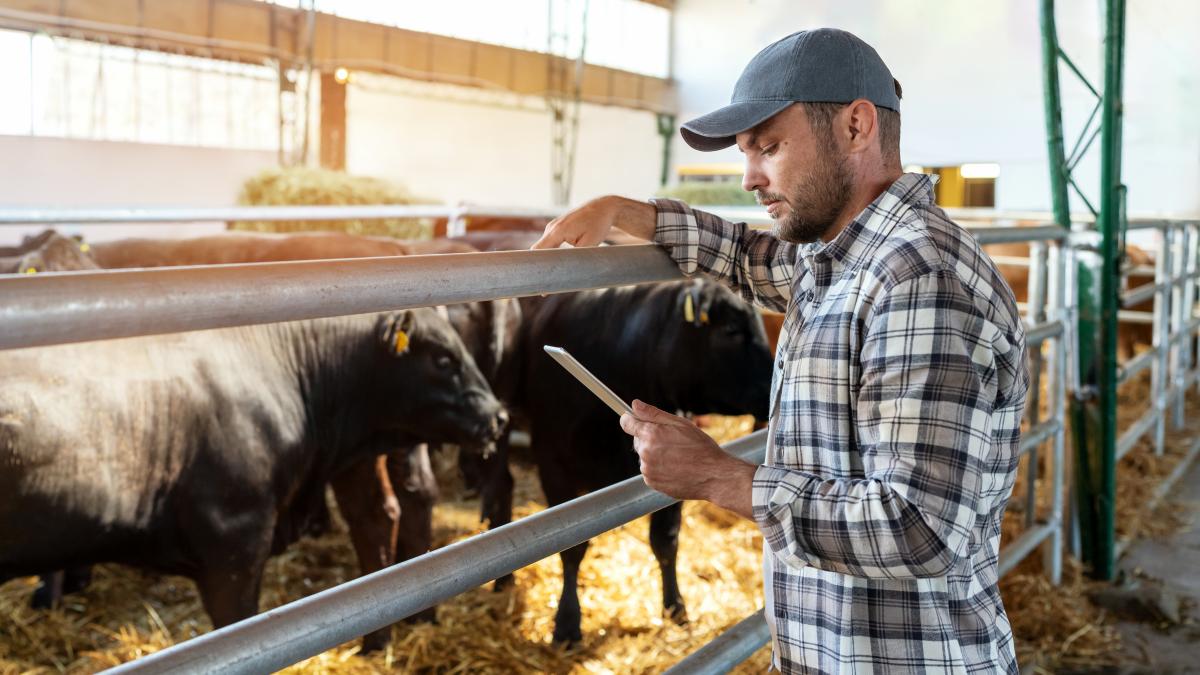
Dr Wynand Boshoff, Freedom Front Plus MP and chief spokesperson for agriculture, warned that this is a serious crisis for livestock farmers.
He accused the Department of Agriculture of dragging its feet in enforcing legislation while more and more farmers struggle to keep their heads above water.
It is the Department’s responsibility to enable farmers to quickly confirm whether sick animals have foot-and-mouth disease and support vaccination.
Currently, however, the waiting period for test results is two weeks or longer. By then, the animals in question have already recovered.
Surrounding herds that have to be quarantined after a positive result could also be legally moved during the waiting period, allowing the disease to spread further.
“It is the government’s duty to ensure all farmers who wish to vaccinate are able to do so,” Boshoff said.
“Onderstepoort Biological Products, the state institution that produced sufficient vaccines for decades, can no longer meet demand due to poor management.”
One solution to the problem would be to license existing and privately owned biological facilities, but it is not happening.
“The Department of Agriculture’s most recent policy is to vaccinate the entire South African cattle population,” he said.
However, he said there are serious questions from experts about the viability of this ambitious project.
A calculation by the Department of Science, Technology and Innovation showed vaccinating the national herd would cost around R5.4 billion.
“Traceability of cattle on communal and municipal commonage poses an additional practical problem,” he said.
The Freedom Front Plus (VF Plus) insisted that existing regulations be enforced stringently, with a focus on traceability of transported animals.
Foot-and-mouth disease is a national disaster in South Africa

Farmers are calling for the foot-and-mouth disease (FMD) outbreak to be declared a national disaster in terms of South Africa’s Disaster Management Act.
The Southern Africa Agri Initiative (Saai) said this would bring critical benefits to struggling farmers and accelerate the containment of the outbreak.
Saai added that the financial survival of family farmers must be placed at the centre of all efforts to combat the disease and to limit its severe economic impact.
Saai CEO Francois Rossouw explained that declaring the FMD outbreak a national disaster would enable faster mobilisation of national resources.
A declaration would enable the government to rapidly deploy supplies, equipment, vehicles and facilities to affected areas.
It would also strengthen vaccination campaigns, as well as roadblocks, checkpoints, disinfectants, and the overall response capacity to the outbreak.
National government bodies could release personnel to provide emergency services, placing more people on the ground.
This is needed for animal health interventions, inspections, enforcement of movement controls, awareness campaigns, and support for laboratories and field operations.
The national disaster will enhance powers to regulate the movement of people, goods, livestock, animal products, transport vehicles, auctions and informal movements.
The relevant minister would be empowered to activate appropriate national disaster management plans.
This would allow the issuing of rapid directives or regulations, promoting a coordinated, government-wide response rather than fragmented provincial approaches.
The Act provides for the effective dissemination of essential information, ensuring clearer and more uniform messaging to farmers.
Special procedures would speed up the procurement of essential supplies such as vaccines, diagnostic tests, and personal protective equipment (PPE).
“A national disaster declaration would primarily unlock faster access to resources, personnel, procurement processes and stricter movement control,” Saai said.
These are the most important tools to slow and contain the spread of FMD in South Africa.















 Loading ...