

Lifeline for important South African employer collapsing in front of everyone’s eyes


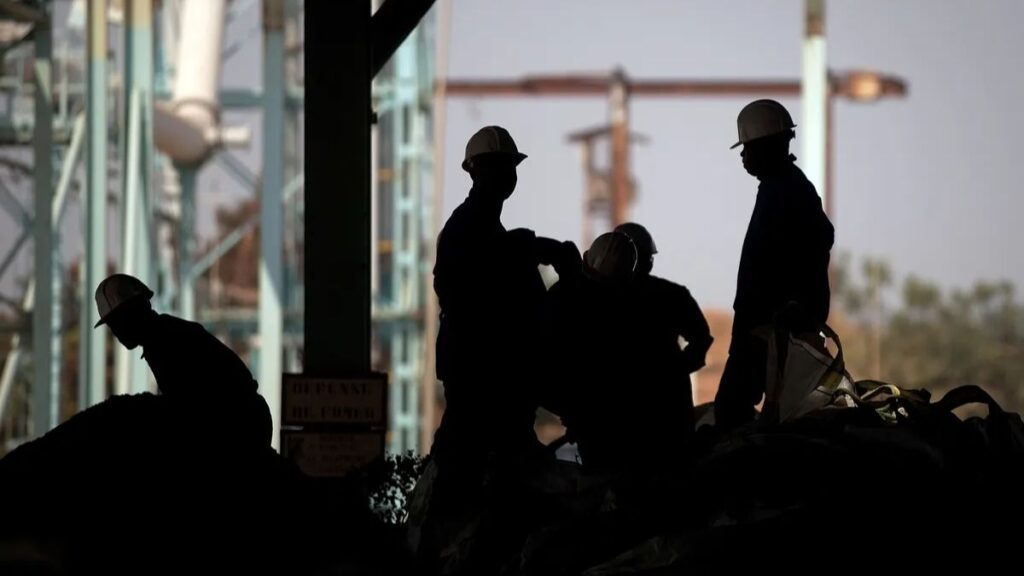
A lifeline for some of South Africa’s most important employers is in the pipeline, as the government steps in to help critical smelters that are buckling under current electricity prices.
Last week, the Department of Trade, Industry and Competition (DTIC) gazetted block exemptions aimed at allowing firms in “industries in distress” to collectively negotiate lower electricity prices with Eskom.
The exemptions allow firms in distressed industries to collectively plan and enter into a negotiated pricing agreement (NPA) with Eskom without breaching the Competition Act.
Kaamil Alli, spokesperson for Trade, Industry and Competition Minister Parks Tau, told Sunday Times that the move was triggered by widespread job losses and the closure of smelters driven largely by high energy costs.
Alli said the exemption aligns with broader government efforts to preserve industrial capacity and employment.
He acknowledged that deindustrialisation is increasingly visible in the ferrochrome sector and that electricity prices are a key factor behind the decline.
The exemption opens the door for companies to collectively purchase energy, secure alternative or backup supply, optimise energy use, and reduce costs.
Under the proposed NPA framework, large energy-intensive customers could access discounted electricity tariffs to remain globally competitive and avoid closure.
However, industry leaders warn that time is running out. Nellis Bester, chair of the Ferroalloy Producers Association, said smelters are facing imminent retrenchments if a competitive energy deal is not finalised urgently.
“At this stage, nothing is in writing, and we hope that something will materialise before the end of February,” Bester said.
“All smelters will be contemplating retrenchments from March to April in the absence of this. Regulation changes give us options for competitive prices, but these options require government support.”
This is intended to keep smelters operating and prevent further job losses in energy-intensive sectors that are already on the brink of collapse.
An essential industry under serious threat
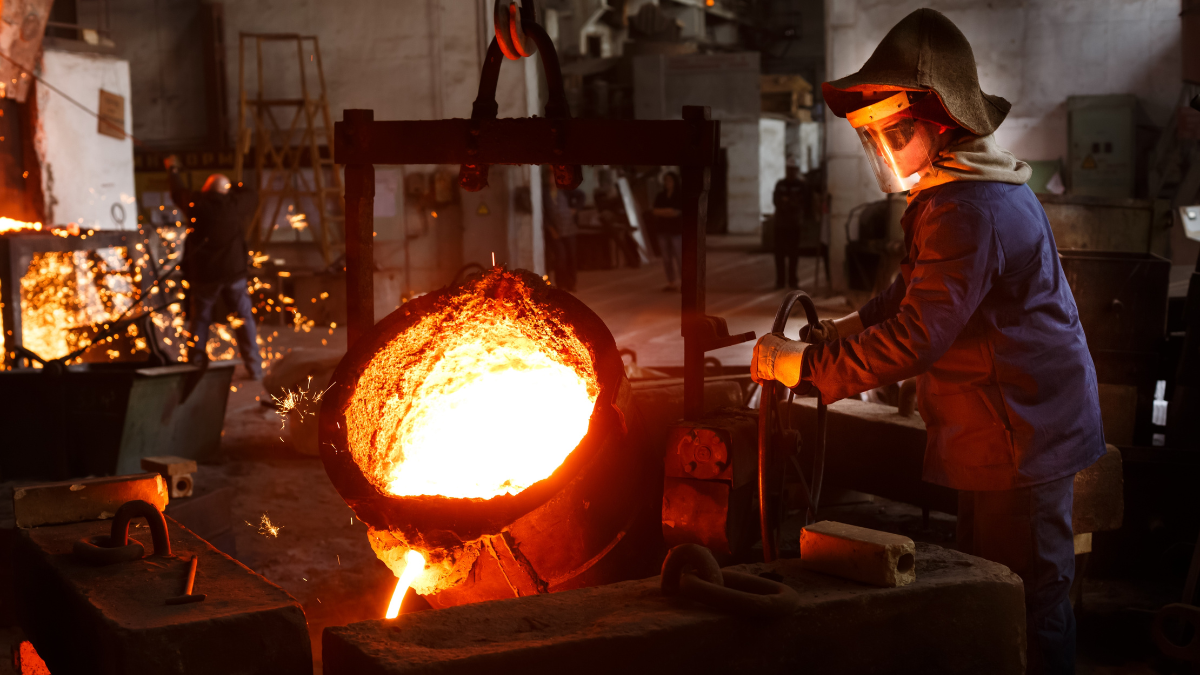
South Africa’s history with ferrochrome goes back more than 80 years, with the first industrial-scale production taking place in 1942 using small electric furnaces in Vereeniging.
For decades, the industry has been a cornerstone of South Africa’s industrial development, supporting mining, manufacturing, and thousands of downstream jobs.
However, this important industry is now under serious threat. Rising electricity prices, persistent load shedding, and policy uncertainty have combined to place immense strain on the entire sector.
Several smelters have already shut their doors, while others are fighting to survive in an environment that has become increasingly hostile to energy-intensive manufacturing.
Donald MacKay, CEO of XA Global Trade Advisors, said last year that the difficulties facing companies such as Glencore and Samancor reflect a broader crisis across heavy industry.
While households and smaller businesses can turn to rooftop solar or generators, large industrial users do not have the same flexibility.
Smelters and other energy-intensive operations depend on stable, affordable grid power, making them particularly vulnerable to Eskom’s escalating tariffs.
In some cases, electricity now accounts for as much as 40% of total production costs.
The Energy Intensive Users Group of Southern Africa (EIUG) has warned that continued tariff hikes and pricing uncertainty have already forced some operations to close and discouraged new investment.
Between 2007 and 2024, Eskom’s tariffs increased by a staggering 937%, far outstripping inflation, which rose by 155% over the same period.
The consequences have been severe. Government data show that around 14 smelters have shut down in recent years, resulting in significant job losses.
In KwaZulu-Natal alone, more than 30 anthracite mining operations have stopped production as demand from smelters has collapsed.
Ruan Nothnagel, chief commercial officer at Menar, said these companies have issued Section 189 notices, estimating that more than 30,000 jobs have been affected.
Over one million tonnes of anthracite now sit in stockpiles, unable to find buyers. Across the wider industry, the damage is even greater.
Experts have estimated that between 300,000 and 400,000 jobs have already been lost as energy-intensive sectors contract or shut down entirely.
















 Loading ...