

South Africa’s biggest retailer kissing Eskom goodbye


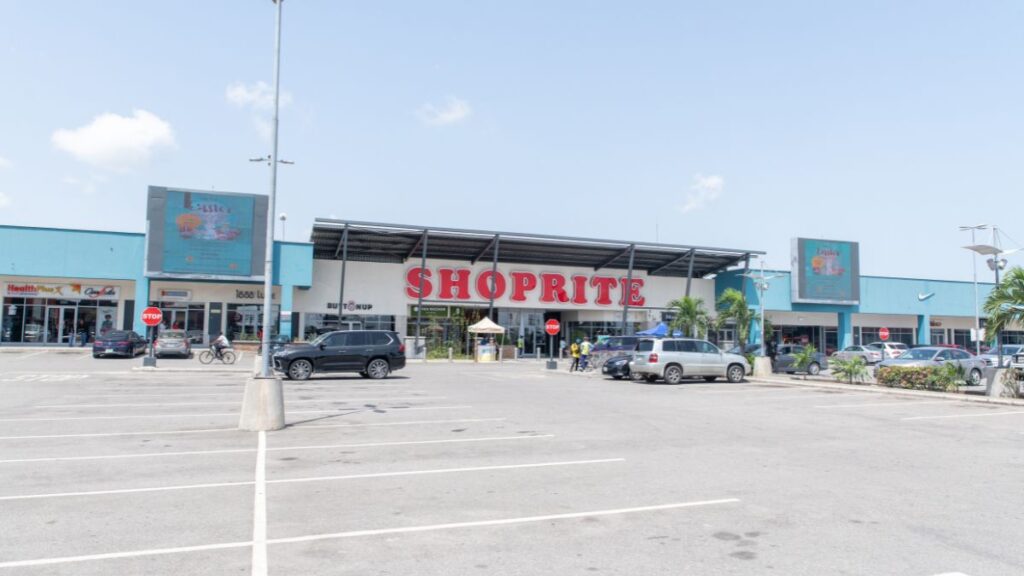
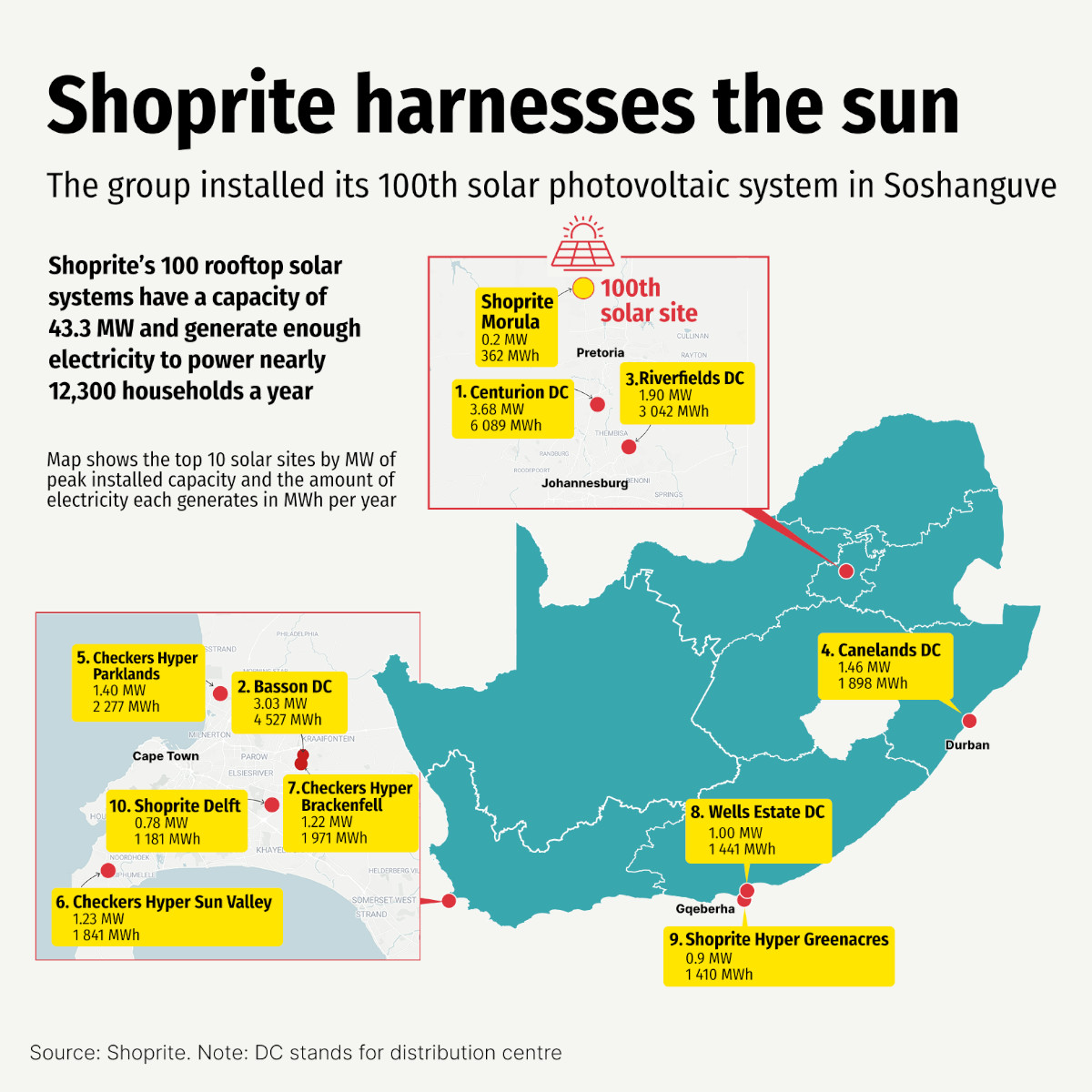
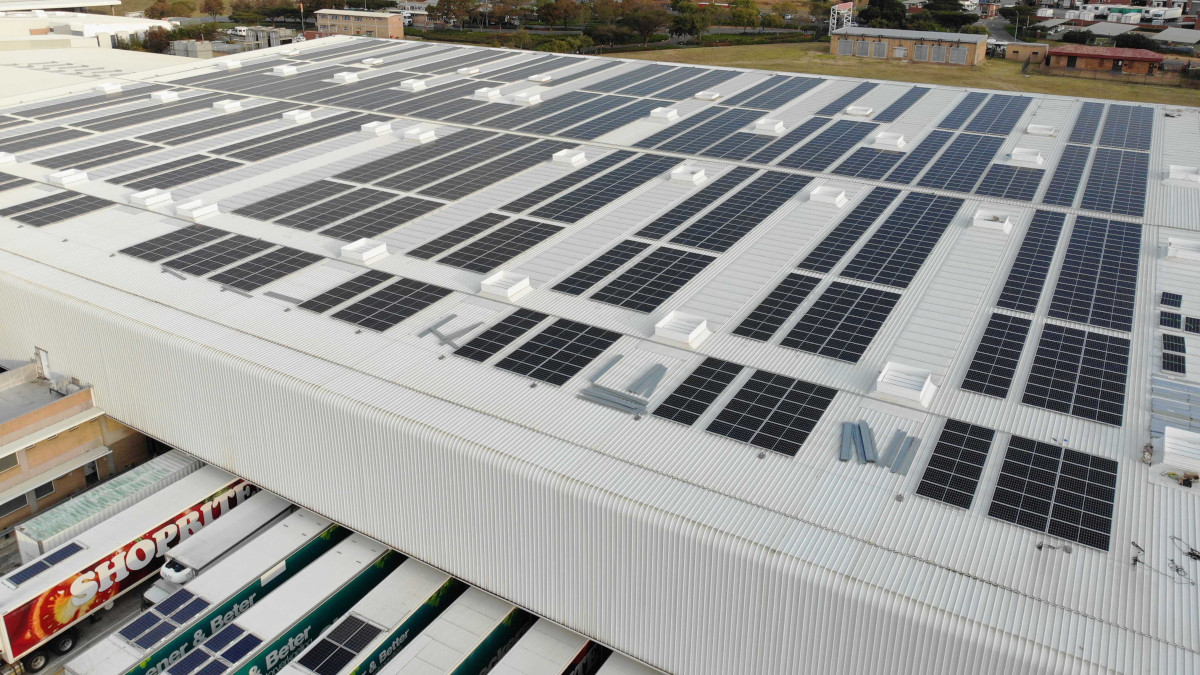
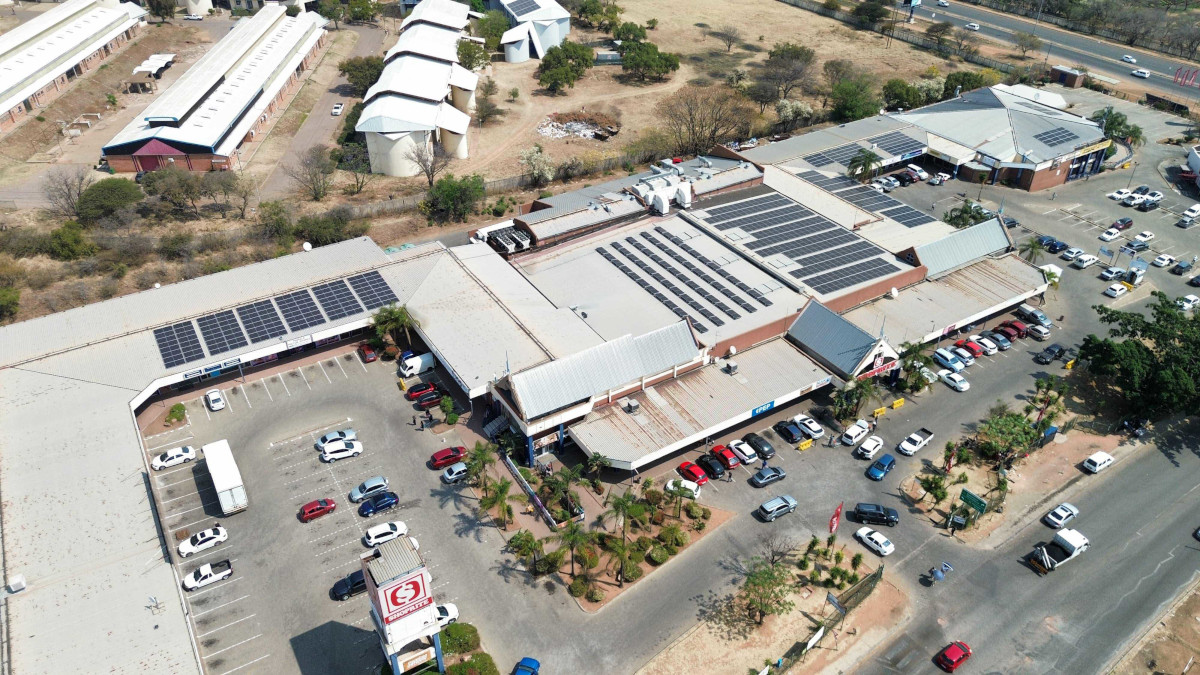
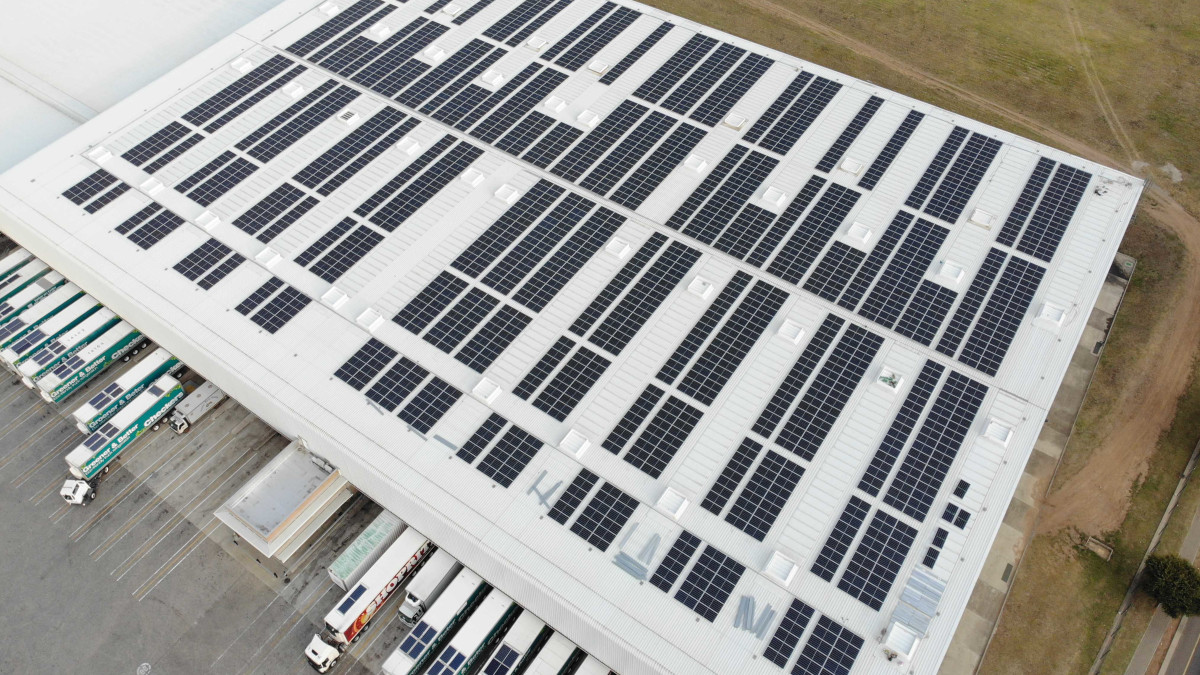
South Africa’s largest retailer, Shoprite Group, has installed its 100th solar photovoltaic (PV) system, making it one of the largest private-sector installations in the country.
The retailer can now generate enough clean electricity to power nearly 12,300 households annually, which is an increase of 7,746 households compared to its capacity in 2023.
In 2024, the group also became one of the first companies to transmit renewable electricity through the City of Cape Town’s grid.
It currently supplies electricity to 11 locations, including its Home Office in Brackenfell, and is actively seeking additional wheeling partners.
Shoprite’s Chief Sustainability Officer, Sanjeev Raghubir, said the company’s shift to solar energy is part of a strategy to reduce its carbon footprint and address the challenges facing South Africa’s energy system.
“Our accelerated efforts to meet science-based targets for reducing greenhouse gas emissions and expanding renewable energy are crucial steps on the path to achieving net-zero emissions by 2050,” he said.
In 2023, Shoprite and other major retailers in South Africa faced high costs due to load shedding, with Shoprite in particular reporting over half a billion rand spent on diesel to maintain operations.
In the last few months of 2022 alone, two of the country’s largest supermarket chains – Shoprite and Pick n Pay – together spent a staggering R906 million on diesel for generators at their stores.
Additionally, Woolworths contributed another R90 million, bringing the total to nearly R1 billion at the time.
While load shedding has effectively ended in South Africa due to improved Eskom operations, a huge reduction in demand driven by private supply, such as solar, has also been a major contributor.
Aside from reducing dependence on Eskom, Shoprite’s solar and green energy push has also delivered operational savings.
In the 2025 financial year, 7.2% of the group’s electricity was sourced from renewable energy, an increase from 6.5% in the 2024 financial year, surpassing the group’s internal target.
The retailer utilised 151,243 MWh of renewable energy, resulting in a reduction in carbon emissions of 137,026 tCO₂e – equivalent to nearly 137,000 tons.
The group has also equipped 1,397 refrigerated trailers in its fleet with solar panels. This saved 3.2 litres of diesel per trailer each day and further reduced emissions by an additional 6,000 tCO₂e.
South Africa’s shift to solar
As of August 2025, rooftop photovoltaic (PV) solar energy installed in South Africa had surpassed the total installed capacity of renewable energy from independent power producers contracted to Eskom.
The estimated capacity of rooftop solar PV in the country reached 7,345 MW (or 7.3 GW peak), compared to the 7,172 MW generated from various renewable sources.
These sources include energy from solar, wind, and hybrid producers.
The shift to solar by many South Africans means less demand on the country’s only electricity supplier– Eskom.
By 2023, Eskom had already lost a third of its market share, as fewer South Africans remained reliant on it for their electricity needs.
High installation costs had originally held the country back, but lower solar installation prices and higher municipal electricity costs have created an attractive self-generation package for many South Africans.
According to a recent MyBroadband analysis, the cost of installing solar power in 2025 was significantly lower than it had been four years earlier, when load shedding was on the rise.
Solar installation costs in 2025 were almost 40% cheaper than in 2021, while Eskom’s electricity tariff had increased by 65% from R1.28 to R2.12.
In the past, most households had to pay a premium for a solar power system, with a loan lasting seven to ten years before the savings would cover the cost of the system.
However, as the costs of solar components decreased and grid electricity prices increased, the payback period shortened.
Eventually, larger households began to see immediate cost savings, even after accounting for loan payments for the solar power system and reduced grid electricity bills.
This year, many households in major municipalities with low to moderate energy usage are predicted to experience savings from the very first month of their loan payments.
Shoprite solar


















 Loading ...