

South Africa’s top airport getting a R10 billion upgrade


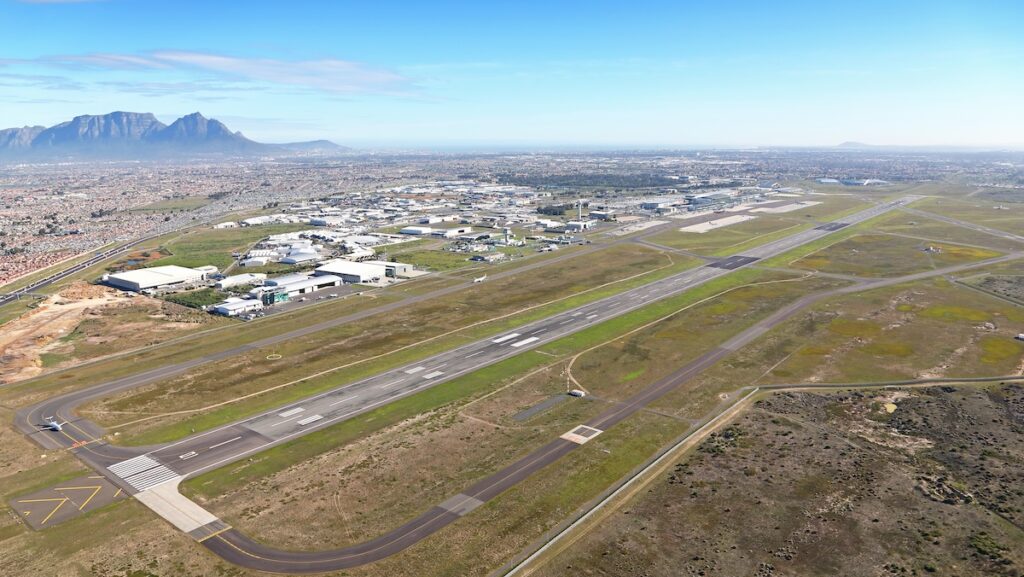
Cape Town International Airport is undergoing a massive R10.1 billion revamp, as part of Airport Company South Africa’s broader R21.7 billion infrastructure investment program.
ACSA said that the revamp is one of the most strategic infrastructure investments in the airport’s continued growth trajectory.
A significant part of the Cape Town International Airport (CTIA) upgrade programme is the airport’s new, realigned main runway.
The runway is estimated to cost roughly R6.39 billion, with contractor appointment planned for December 2026.
The major infrastructure project aims to increase runway capacity, optimise aircraft movement patterns, and strengthen operational resilience.
ACSA said that the new 3,500-metre by 60-metre runway will also be realigned eastward by 11.5 degrees to improve air traffic.
It will also unlock critical development space for passenger terminal capacity within the airport precinct.
The project will also include rapid exit taxiways and a partial parallel taxiway, which will reduce runway occupancy time and improve aircraft turnaround efficiency.
These upgrades are expected to improve on-time performance during peak travel periods, while increasing scheduling flexibility and overall reliability.
“The runway will be fully Code F compliant, enabling the accommodation of next-generation aircraft and reinforcing Cape Town International Airport’s position within the global aviation network,” said ACSA.
“Complementing the runway project is the expansion of the Domestic Terminal Building, which is anticipated to commence in April 2027, subject to final regulatory approvals and procurement processes.”
Cape Town International Airport is regarded as the best airport in South Africa, having received three accolades in the 2025 Skytrax Airport awards.
The airport won Best Airport in Africa, Best Airport Staff Service in Africa, and Cleanest Airport in Africa.
Internal improvements

The domestic arrivals terminal upgrade is estimated at R2.39 billion, while the Domestic Departures Extension is estimated at R500 million.
“The expansion will significantly enhance passenger processing capacity, improve circulation, and modernise the overall terminal environment in line with projected demand growth,” said ACSA.
“The programme also provides for additional domestic contact gates and airbridges, as well as expanded apron capacity to support increased aircraft parking and improved aircraft movement flow.”
The airport will also embark on phased developments within the International Terminal Building, which are currently estimated at R863 million.
The improvements include new apron stands with expanded commercial and lounge offerings, as well as improvements to immigration processing and bussing gates.
The planned enhancements include terminal circulation areas, more security screening capacity, improved baggage reclaim, prayer and family spaces and upgraded bathrooms.
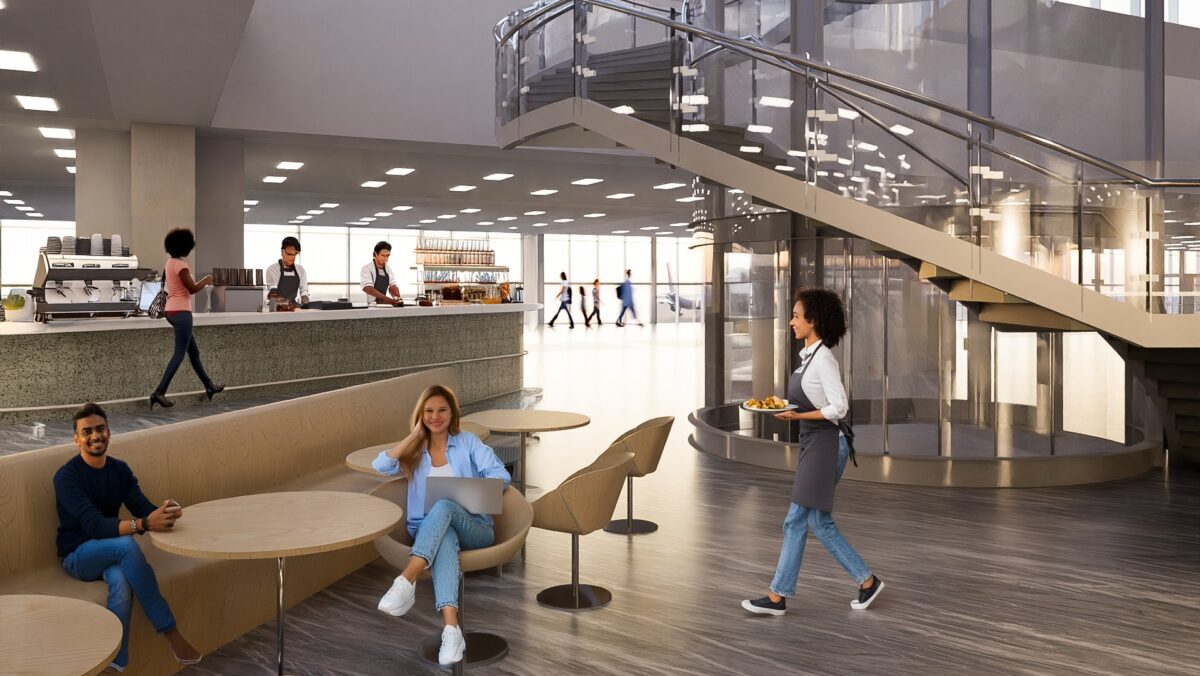
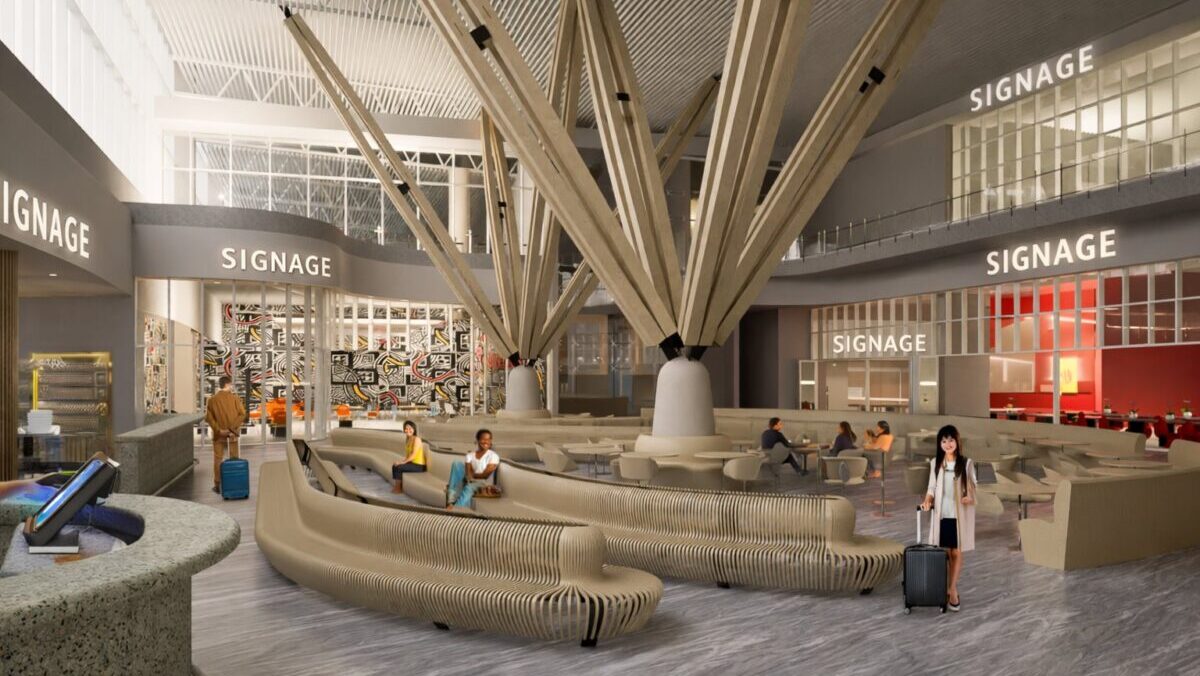
Other improvements include increased aircraft contact gates to reduce bussing and modernised retail and food environments.
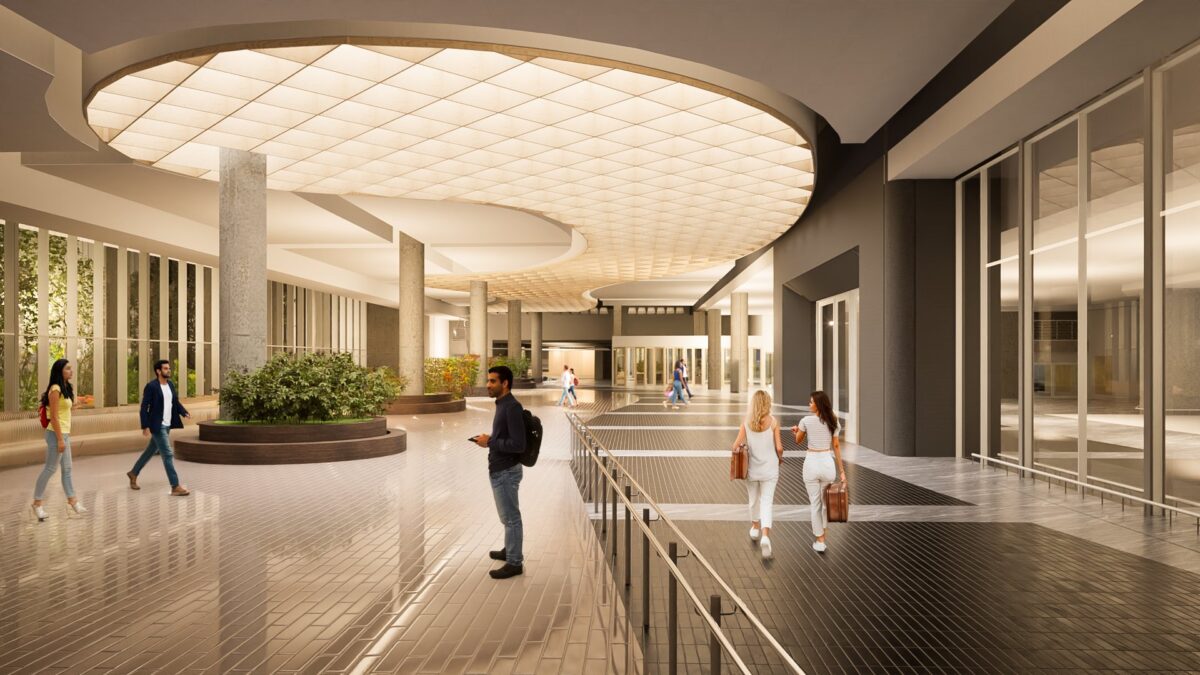
ACSA said that the design of the terminal will prioritise natural light, intuitive wayfinding and improved passenger flow.
The unidentified capacity development projects at the airport are estimated at roughly R10.143 billion.
“These planned developments represent a significant step in strengthening Cape Town International Airport’s role as a critical economic gateway for the Western Cape and South Africa,” said the airport’s Acting Regional General Manager, Thabo Phateng.
“By expanding capacity and enhancing operational resilience, we are positioning the airport to support sustained passenger growth, tourism expansion, trade facilitation and long-term regional economic development.”
All projects are being phased to ensure that the airport’s operations continue with minimal disruption to passengers and airline partners.
ACSA said that detailed mitigation planning will be undertaken in close coordination with airlines, commercial partners, and regulatory authorities to ensure operational continuity during construction.
Renderings of the upgrade
















 Loading ...