

Ramaphosa knows why companies in South Africa are in crisis


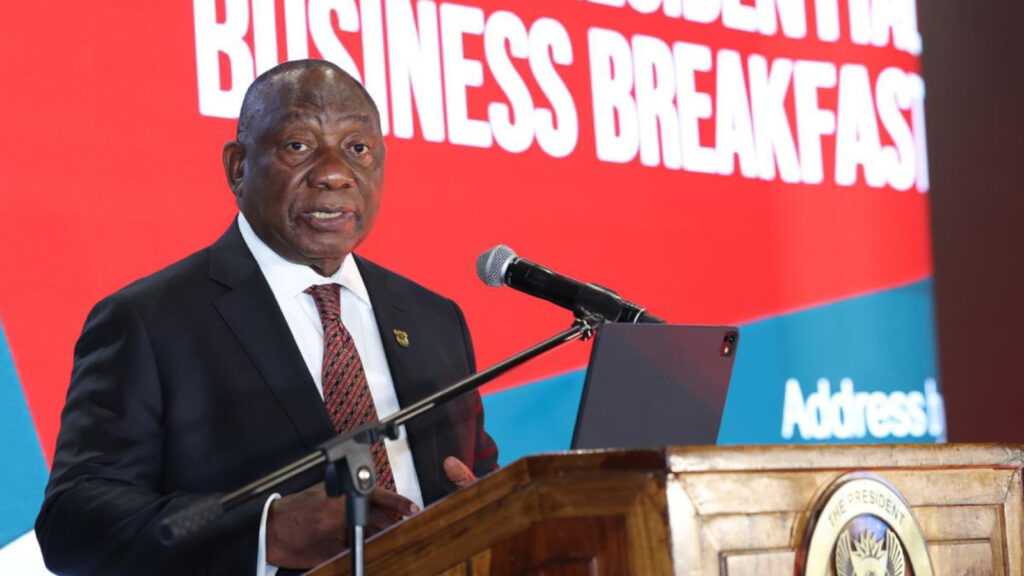
President Cyril Ramaphosa says that South Africa’s key industries are in an existential crisis due to high electricity prices, causing the country’s industrial base to erode and collapse.
Speaking at the Steel and Engineering Industries Federation of Southern Africa Presidential Business Breakfast this week, the president said that manufacturers have shown resilience in the current environment.
Despite the uncertainty posed by geopolitical conflicts, supply chain disruptions, and volatility in energy prices, the metals and engineering sector has demonstrated extraordinary resilience, he said.
However, companies in South Africa continue to face weak domestic demand, logistics constraints, high electricity costs, infrastructure bottlenecks and growing import competition.
“South African companies feel these pressures directly,” he said.
“Investment decisions are delayed. Margins are squeezed. Factories operate below capacity, and ultimately, jobs are placed at risk.”
Ramaphosa noted that the manufacturing sector in South Africa is fundamental to the country’s growth, directly sustaining thousands of businesses throughout the economy.
Yet this vital sector has eroded over the years, bleeding jobs and investment, due to structural constraints in the economy.
Chief among these was load shedding, which tore a hole in South Africa’s economic growth for years.
While load shedding has largely been eradicated—load reduction notwithstanding—the president said that grid stability alone is not enough.
“[Grid] reliability alone is not enough—electricity must also be affordable. For energy-intensive industries, electricity prices have become an existential challenge,” the president said.
He noted that, over the past two decades, electricity tariffs have increased far faster than inflation.
This has led to a number of smelters and other energy-intensive operations either closing, reducing production, or facing the prospect of closure.
“These are not industries that can simply be switched off today and restarted tomorrow. Once a smelter closes, we lose productive capacity. We lose skills. We lose export earnings,” he said.
“We weaken entire industrial value chains, and we lose jobs that are extremely difficult to recreate.”
The latest employment data from Stats SA’s Quarterly Labour Force Survey underlined this point.
In the second quarter of the year, the manufacturing sector was one of the biggest losers, having shed a further 15,000 jobs quarter-on-quarter.
Year-on-year, the sector had lost 100,000 jobs, a 6% decline and second only to the 101,000 jobs shed in Community Services, which includes government.
Ending Eskom’s monopoly
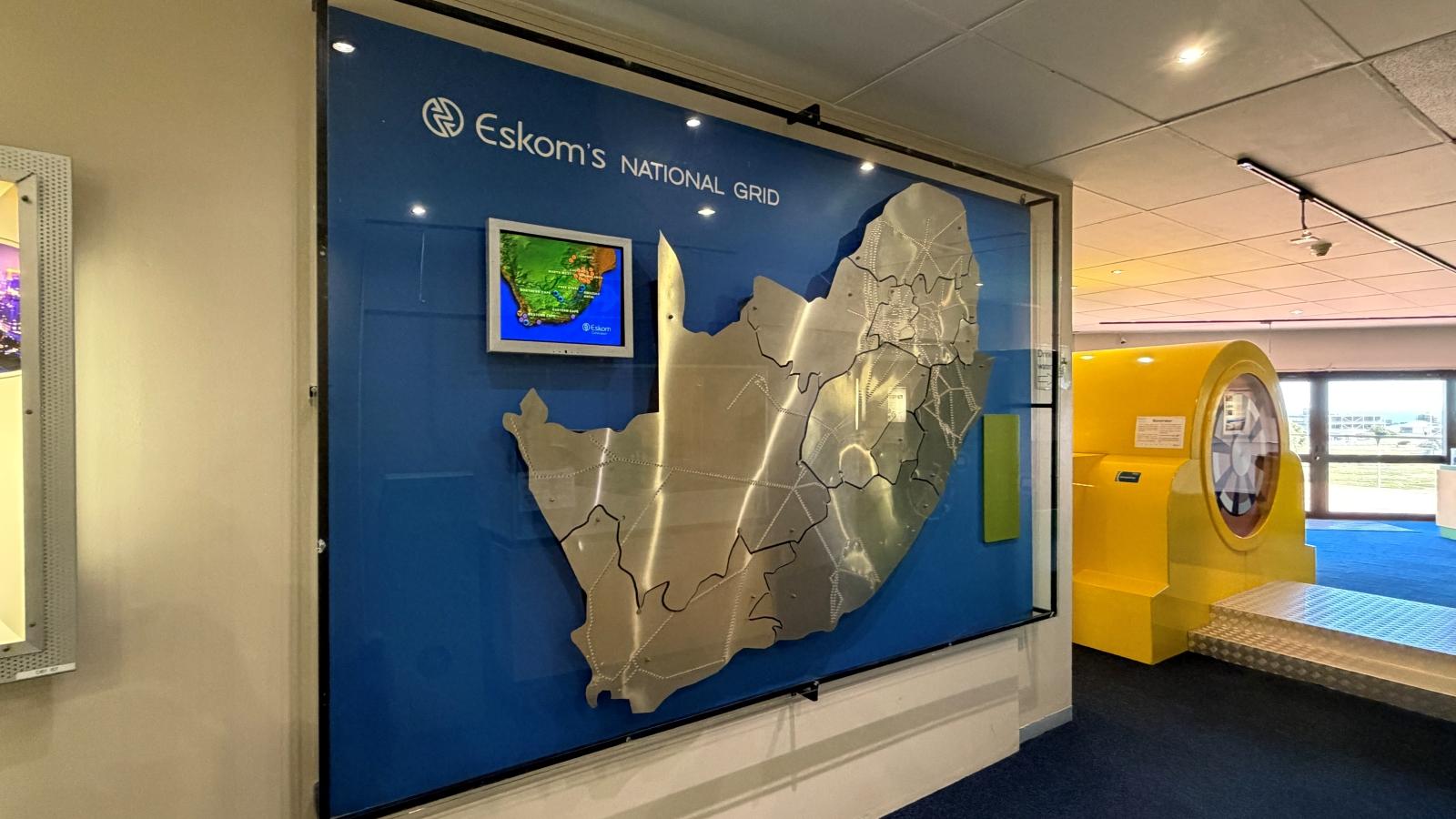
Ramaphosa said it is imperative for the government to transform the electricity market and unbundle Eskom to reduce electricity costs.
He reiterated that South Africa is moving toward a competitive electricity market, ending the monopoly Eskom has held for decades.
“We are moving towards a competitive electricity market in which multiple generators will compete to supply electricity,” he said.
The plan has faced pushback from Eskom itself, which has shown strong reluctance to part with its transmission assets.
This has spilt into public discourse, with Eskom and the presidency openly butting heads over the plan.
Despite this, Ramaphosa has doubled and tripled down on the direction, insisting that a competitive market will save the day.
“Countries across the world have restructured their electricity industries to introduce competition while maintaining public ownership of critical infrastructure. South Africa can do the same,” he said.
Beyond electricity reform, the president said that the government’s R1 trillion infrastructure investment programme will underpin the revitalisation of South Africa’s manufacturing industry.
This will see industries build out transmission lines and railways, modernise ports and secure water infrastructure, he said.
“Let us produce more in South Africa. Let us export more from South Africa. And let us create the jobs, industries and capabilities that will sustain our economy for generations to come.”















 Loading ...