

Gauteng Department of Economic Development strengthens Township Automotive Sector through High-Impact Partnership Delivery Model


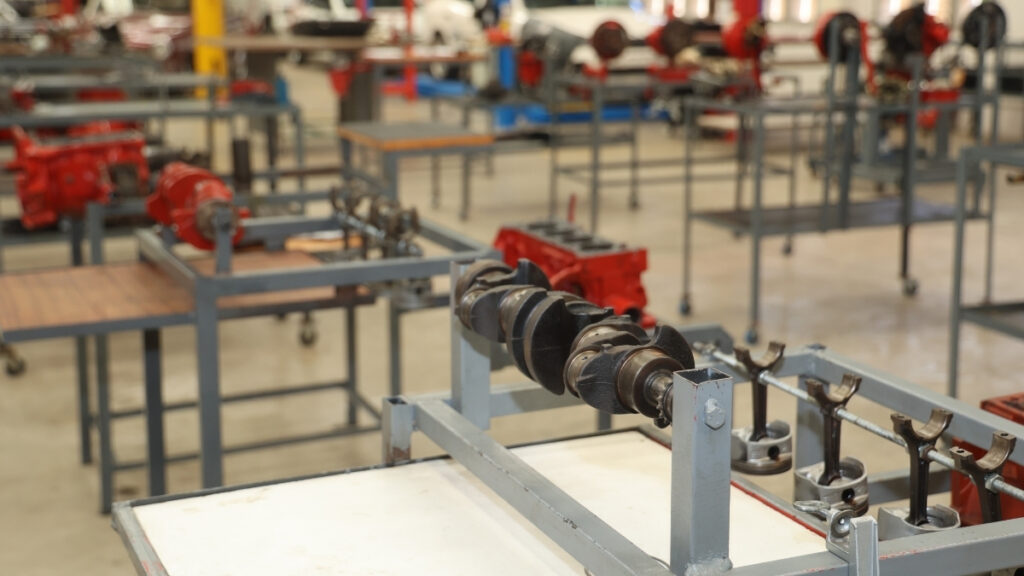
The Gauteng Department of Economic Development (GDED) continues to advance inclusive economic transformation through a focused implementation framework that drives measurable impact in priority sectors of the provincial economy.
Among the sectors strategically selected under this model is the automotive industry, recognised for its strong contribution to Gauteng’s industrial base and its deep roots within township economies.
Through the Automotive Skills Development Programme, one of the flagship interventions under the High Impact Partnership Delivery Model, GDED is formalising informal mechanics, strengthening small automotive enterprises and positioning township businesses to participate meaningfully in the broader automotive value chain.
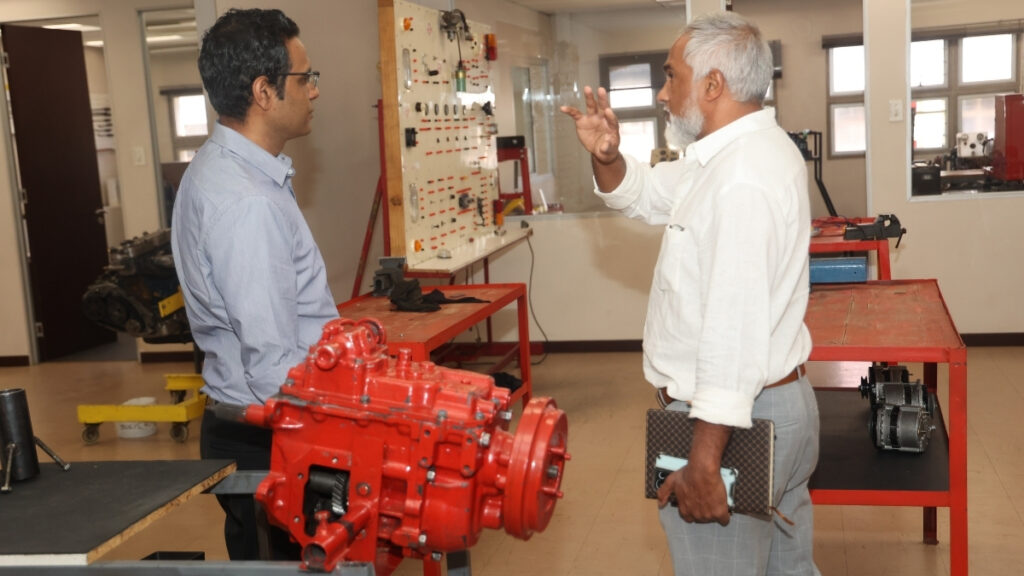
The High Impact Partnership Delivery Model is built on structured collaboration between government and capable implementing partners, ensuring interventions move beyond planning to deliver practical, measurable outcomes.
By selecting the automotive sector under this model, the Department acknowledged both its economic significance and the structural challenges facing township-based mechanics.
To date, the programme has supported 78 individuals, many of whom were operating informal backyard workshops without formal accreditation.
Of these, 22 beneficiaries were enrolled in MNPC’s structured business development support programme, receiving targeted assistance to formalise and strengthen their enterprises.
The initiative is implemented in partnership with MNPC as the implementing partner and Qualitas Training as the accredited training partner.
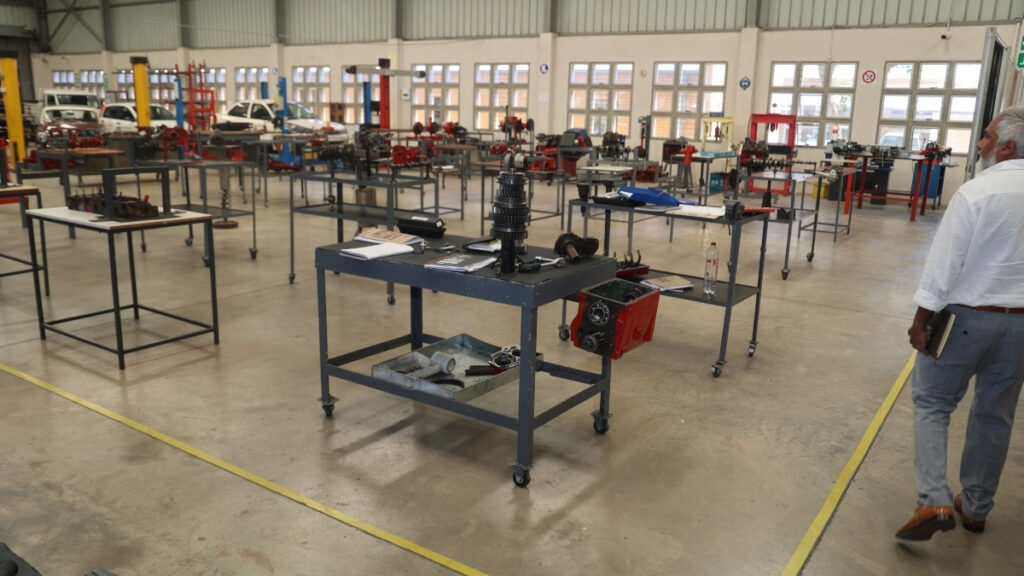
A key component of the programme is Recognition of Prior Learning (RPL), which acknowledges the extensive practical experience mechanics have gained over the years of informal work.
Through structured assessments, gap training, and trade test preparation, beneficiaries were supported in obtaining formal qualifications, including Red Seal certification, a critical requirement for recognition and competitiveness in the automotive sector.
Director of Qualitas Training, Saalim Adamgee, emphasised that the programme is designed to build competence beyond certification.
“Training should go beyond attaining a qualification. It must equip people with understanding, logic, ability and implementation. Our training is both theoretical and practical to ensure learners understand not just how to perform a task, but why it is done that way,” Adamgee said.
He further highlighted the importance of professionalising technical trades to address national skills shortages.
“If young people gain proper insight into what the technical industry offers, they will choose it as a first option. Our role is to ensure candidates are fully prepared for the workplace.”
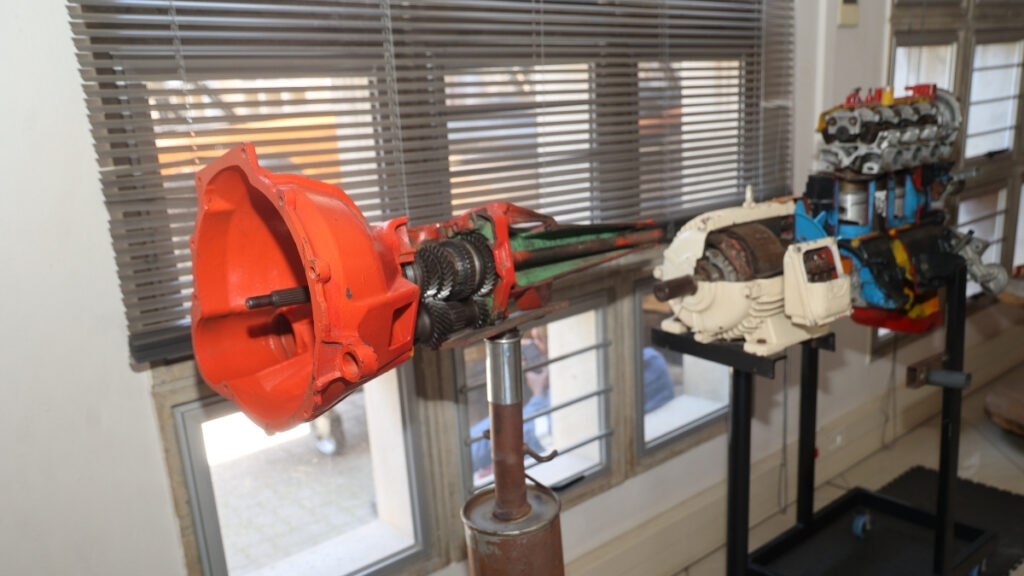
Through this structured pathway, informal expertise is converted into nationally recognised credentials, enhancing employability, credibility and competitiveness.
Under the High Impact Partnership Delivery Model, interventions are intentionally holistic. GDED recognised that technical accreditation alone would not guarantee sustainability.
As a result, MNPC expanded support to include business development services.
Beneficiaries received assistance with:
- Business registration and compliance
- Basic financial management
- Guidance on accessing funding
- Market access linkages
- Engagement with accreditation bodies
Although business development support was not initially part of the core deliverables, it was incorporated to maximise impact and ensure enterprises are positioned for long-term growth.
The primary measurable improvement to date has been an increase in the number of informal MSMEs successfully registered within the formal economy.
Data relating to revenue growth and job creation is currently being consolidated.
During implementation, delays in issuing trade test serial numbers due to national backlogs within SETAs posed challenges.
GDED worked closely with industry stakeholders and accreditation bodies to expedite processes and remove bottlenecks, reinforcing the Department’s proactive and solution-oriented approach under the High Impact Partnership Delivery Model.
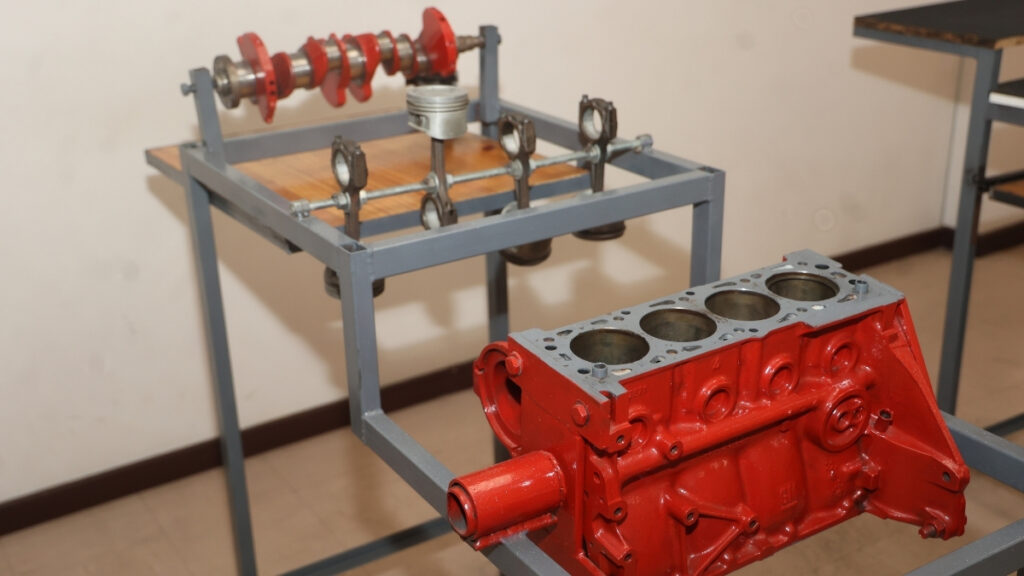
For Tshenolo Selete, owner of Tshekzeez Auto in Klipspruit, Soweto, the programme marked a significant milestone.
“This programme was one of the key things I needed to formalise my business. Now that I am a qualified motor mechanic, I can register with insurance companies and obtain RMI accreditation. That opens more opportunities for me,” Selete said.
Specialising in Audi and VW vehicles, Selete believes the qualification strengthens his credibility and positions his workshop for higher-value opportunities.
His journey reflects the broader objective of the High Impact Partnership Delivery Model, enabling township enterprises to transition from informal survivalist operations to sustainable, competitive businesses.
According to Bulumko Nelana, Deputy Director General for Economic Planning at GDED, the Automotive Skills Development Programme is a deliberate intervention aligned with the Department’s broader transformation agenda.
“The informal automotive sector plays a vital role in Gauteng’s economy. Through the High Impact Partnership Delivery Model, we selected the automotive sector as a priority to address structural barriers, equip mechanics with accredited skills, improve compliance and link them to sustainable market opportunities. We are building a stronger and more inclusive automotive value chain,” Nelana said.
The township automotive ecosystem has historically faced barriers, including limited access to funding, accreditation, tools, infrastructure and formal value chains.
By addressing these constraints through structured partnerships, GDED is strengthening both individual enterprises and the province’s industrial capacity.
Phase One focused on motor mechanics in the southern, western and central corridors of Gauteng.
Building on its early success, Phase Two will expand to include automotive electricians and diesel mechanics in the province’s northern and eastern corridors.
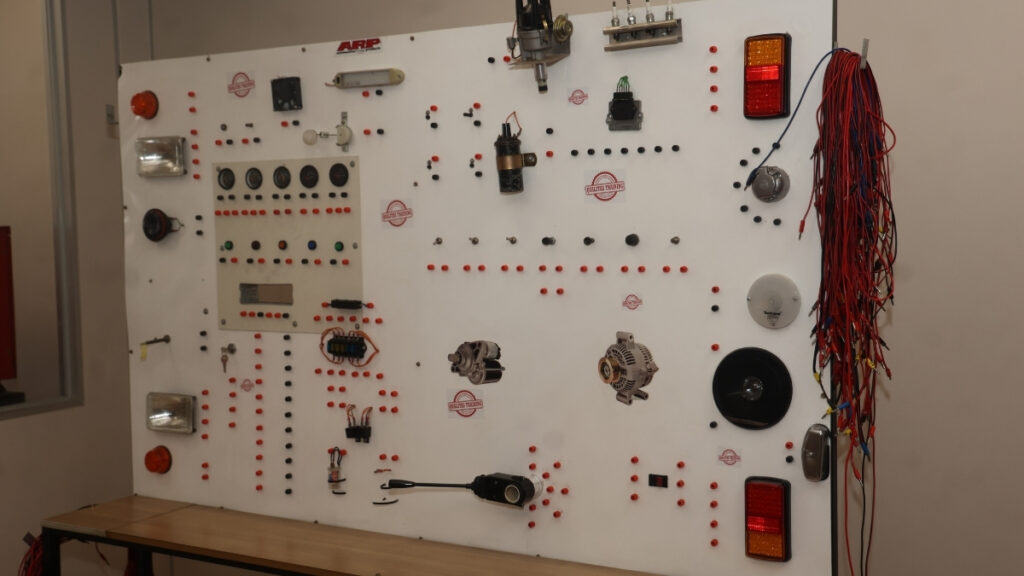
The next phase will also:
- Facilitate participation in the G-Fleet value chain
- Support engagement with OEM supply chains
- Assist MSMEs in applying for funding through institutions such as the Gauteng Enterprise Propeller Propeller
- Strengthen market access in both public and private sectors
Importantly, Phase One beneficiaries will continue receiving support to consolidate and scale their enterprises.
The Automotive Skills Development Programme demonstrates how the High Impact Partnership Delivery Model translates policy into tangible outcomes.
By selecting priority sectors such as automotive and implementing structured, partnership-driven interventions, GDED is ensuring that township enterprises are not left on the margins of economic activity.
As the programme expands, the Department remains committed to building a competitive, formalised and inclusive automotive sector, one where township mechanics are recognised as qualified artisans and resilient business owners contributing meaningfully to Gauteng’s economic growth.
Through focused delivery, strong partnerships and strategic expansion, the High Impact Partnership Delivery Model continues to unlock opportunity where it is needed most.
Click here to learn more about the Gauteng Department of Economic Development High Impact project.















 Loading ...