

Cash isn’t king in South Africa


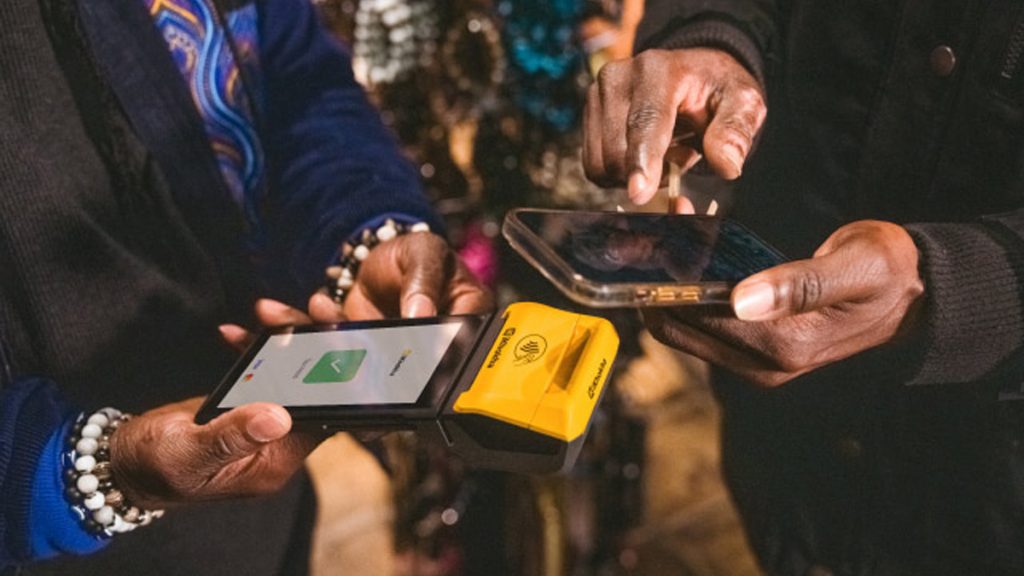
The South African payments industry is undergoing a massive transformation, with many financial institutions making multi-billion-dollar deals to increase digital payments and move away from cash
Over the last year, several acquisitions have taken place in the payments industry, including Nedbank’s R1.65 billion acquisition of iKhokha and Capitec’s acquisition of Walletfoc for up to R400 million.
Payment providers are also in the process of acquiring banks, with Lesaka Technologies acquiring Bank Zero in a deal worth R1.1 billion.
Speaking to BusinessTech, Nedbank CFO Mike Davis said that South Africa’s payment industry is seeing a greater shift towards digital payments.
This has recently been seen through the introduction of the rapid payment system, Payshap, by the South African Reserve Bank (SARB).
In reference to Nedbank’s acquisition of iKhokha, Davis said payments are the most important touchpoint, especially for small and medium enterprises (SMEs).
He also noted that the deal marks a broader push from banks to move away from cash, which is extremely expensive.
Davis said that cash is the most expensive form of payment for banks due to the extensive processing and logistics required.
Banks also spend heavily on security, as cash-in-transit heists and ATM attacks are common in South Africa.
For banks, Davis said it is better to facilitate transactions digitally, which is why billions of rand are being spent on deals.
The untapped gold mine

Another reason for the increased interest in payment providers is that banks are trying to push into the informal economy, where 80% of these businesses operate informally.
These businesses are often outside of formal regulatory frameworks, such as VAT registration, labour regulations, and tax compliance.
These businesses are also cash-heavy, which makes them hard to obtain data on. However, estimates place the value of the informal economy at R900 billion, or 12.3% of total GDP.
The informal economy also accounts for close to 20% of South Africa’s total employment.
Former Capitec CEO Gerrie Fourie controversially said that South Africa’s total unemployment rate is actually around 10%, rather than the reported 32%, when the informal economy is considered.
Given its scope, many banks are targeting the informal economy as a growth area. This comes amid weak economic growth and struggles of formal businesses and households.
When it comes to payments, Nedbank believes that the acquisition of iKhokha will help expand its horizons.
“We believe that empowering entrepreneurs is essential to building a thriving and inclusive economy,” said Jason Quinn, CEO of Nedbank, last year.
“iKhokha’s mission and technology align perfectly with our vision for digital transformation in the SME sector. Together, we will unlock new opportunities for growth and financial inclusion in South Africa and potentially abroad.”
Another key element of digital payments is simply increasing access to simplified processes for all parties involved.
Following the acquisition of Walletdoc, Graham Lee, CEO of Capitec, said that the company believes in the power of innovative technology to deliver smart, seamless payment solutions that benefit both merchants and clients.”
“We are committed to making financial services more accessible and affordable for all South Africans, and we see this acquisition as an important step in building a more inclusive and competitive payments ecosystem.”















 Loading ...