

Most expensive place in South Africa to buy groceries right now


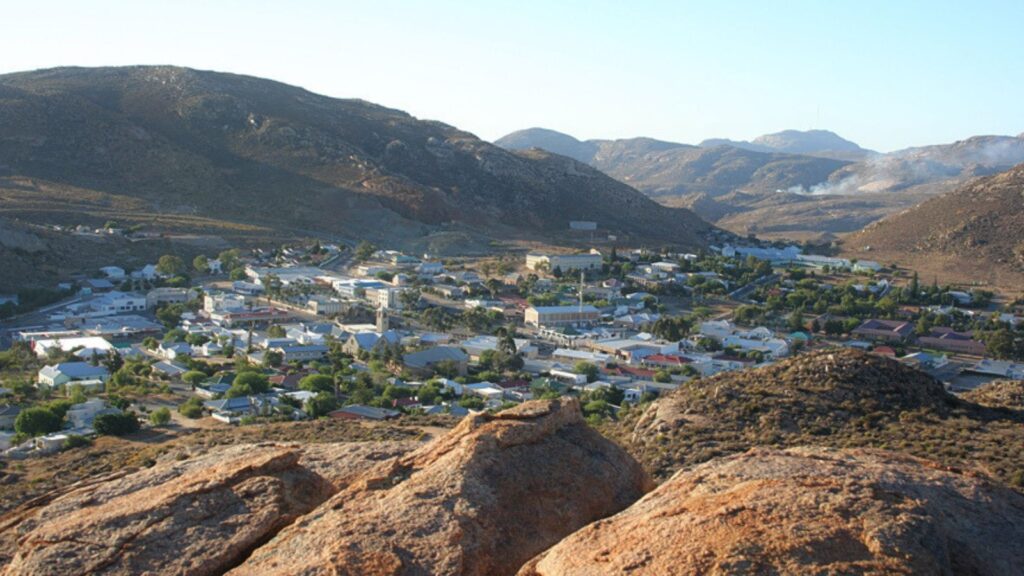
In March 2026, Springbok in the Northern Cape is the most expensive place among South Africa’s major towns and cities for groceries.
However, this is closely followed by Johannesburg, Mtubatuba, and Durban in KwaZulu-Natal, which have overtaken Cape Town in the Western Cape as the second- and third-most-expensive places.
This is according to data from the Pietermaritzburg Economic Justice and Dignity (PMBEJD) group, which tracks the cost of a household food basket across six towns and cities across South Africa.
The data is based on “on-the-ground” pricing for products across a variety of retailers in major cities, which serve as proxies for the provinces in question.
The PMBEJD report found that while 18 of the 44 tracked food items became cheaper or saw no increases year-on-year, the other 26 experienced price hikes, with five items seeing double-digit inflation.
South Africa’s consumer inflation has dipped to 3.5% in January 2026, down from the 3.6% recorded in December.
According to the latest data from Stats SA, the CPI declined to 3% in February, driven by lower housing and utilities.
“The delayed implementation of medical aid increases in February had a notable impact on the headline rate. If the outstanding medical scheme contributions are implemented later in the year, these changes will most likely affect the headline rates.”
Food inflation—one of the biggest drivers of inflation—remained above the headline figure at 3.7%3.7%, while insurance and financial services recorded 4.7%.
Beef prices have again risen by double digits, marking 16.5% y/y, following significant increases of 20.5% y/y and 19.3% y/y in February and January, respectively.
Earlier in the year, economists warned that beef prices were likely to continue rising through April 2026 as the country’s Foot and Mouth Disease outbreak runs its course.
The latest Braai Index for March 2026 shows that year-on-year inflation for the braai basket is continuing to rise, despite month-on-month prices easing.
However, the true battle lies ahead, with a massive R7 per litre hike to diesel prices in April threatening to send food inflation rocketing.
The March index shows that the South African braai basket has increased 1.1% year-on-year, driven by increases for both the meat (beef and chicken) and veggie components.
Most expensive place for groceries
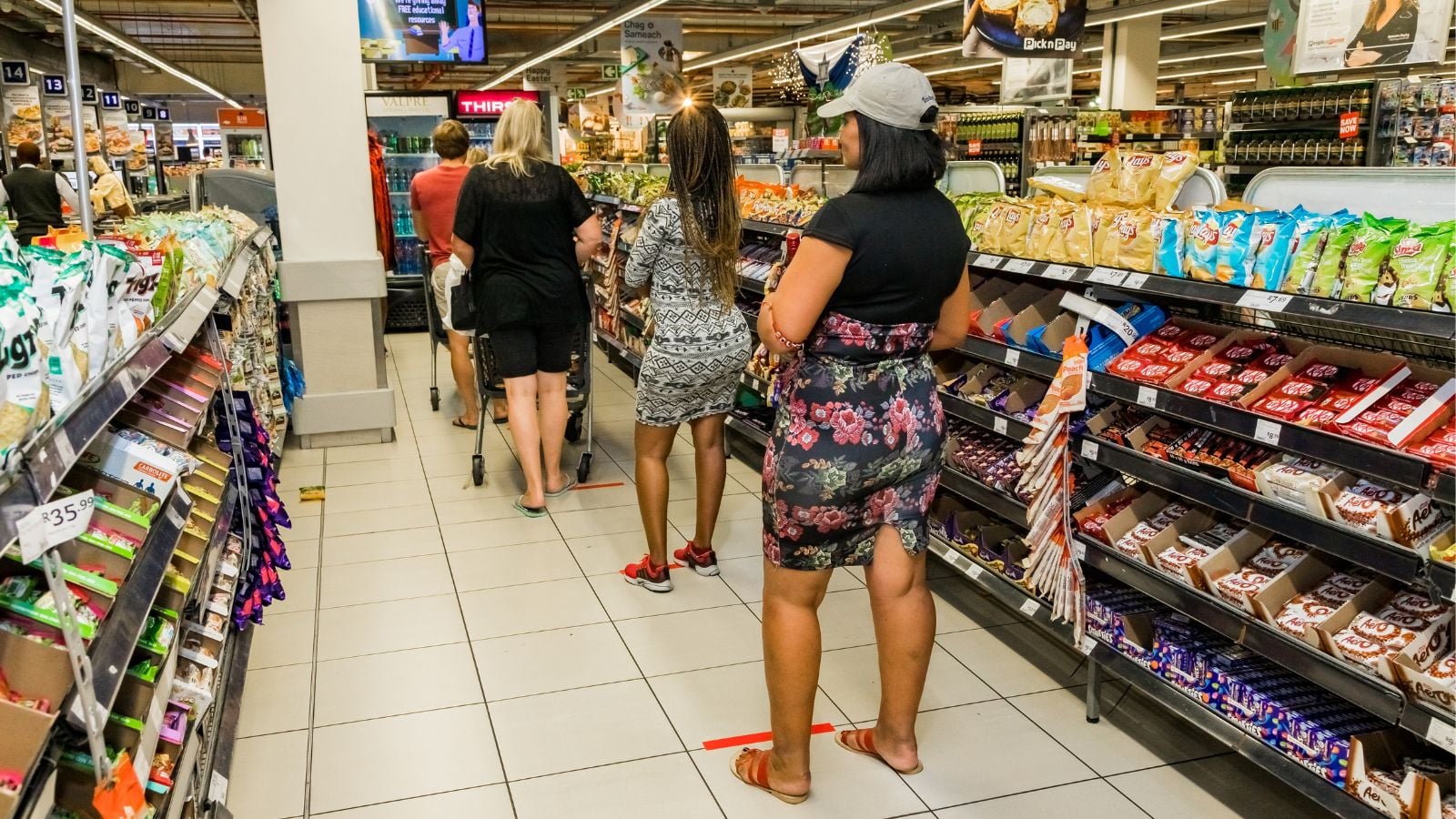
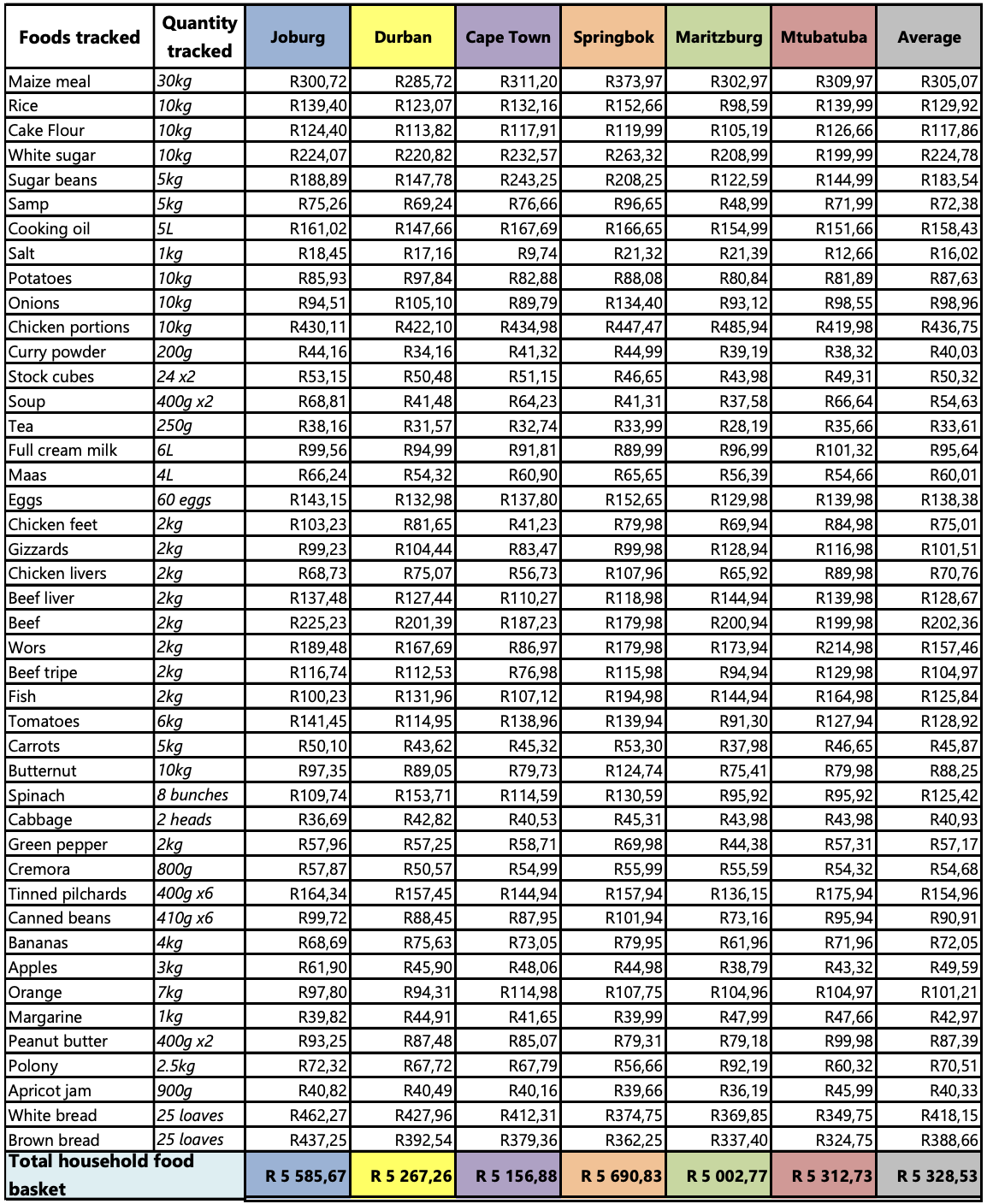
As of March 2026, the average cost of a household food basket in South Africa, comprising 44 essential items that reflect typical purchasing patterns, reached R5,328.53.
There has been no annual increase compared to March 2025. Month-on-month, however, the basket price decreased by R55.28 compared to February 2026.
However, a breakdown of costs in each city shows that the change in food prices is greater in some areas than others.
In March 2026, the household food basket cost R5,690.83 in Springbok, a 0.4% increase of R24.92 from the previous year. However, this is also R28.37 less than the basket price of R5,719.20 in February.
Springbok’s basket price surpassed the national average by R362.30, making it the most expensive place for groceries.
The household food basket cost R5,585.67 in Johannesburg, a notable 1.9% increase of R103.78 from the previous year, making it the second most expensive city.
Maritzburg came in as the cheapest place to buy food, with its basket costing R5,002.77 in March 2026, due to a significant month-on-month decline of R204.74.
Cape Town also overtook Durban to be the second cheapest of the cities for groceries, recording further decreases compared to last month and the year before.
Cape Town’s food basket, recorded at R5,156.88, decreased by R148.43 (2.8%) from R5,305.31 in March 2025. The city also saw a month-on-month decrease of 1.5%, or R75.94, from R5,232.82 in February.
Durban’s household food basket of R5,267.26 decreased by an unnoticeable R0.33 (-0,0%) from R5,267.58 in March 2025 to R5,267.26 in March 2026.
Basket comparison March 2026













 Loading ...