

Three towns in South Africa face power cuts worse than stage 8 load shedding


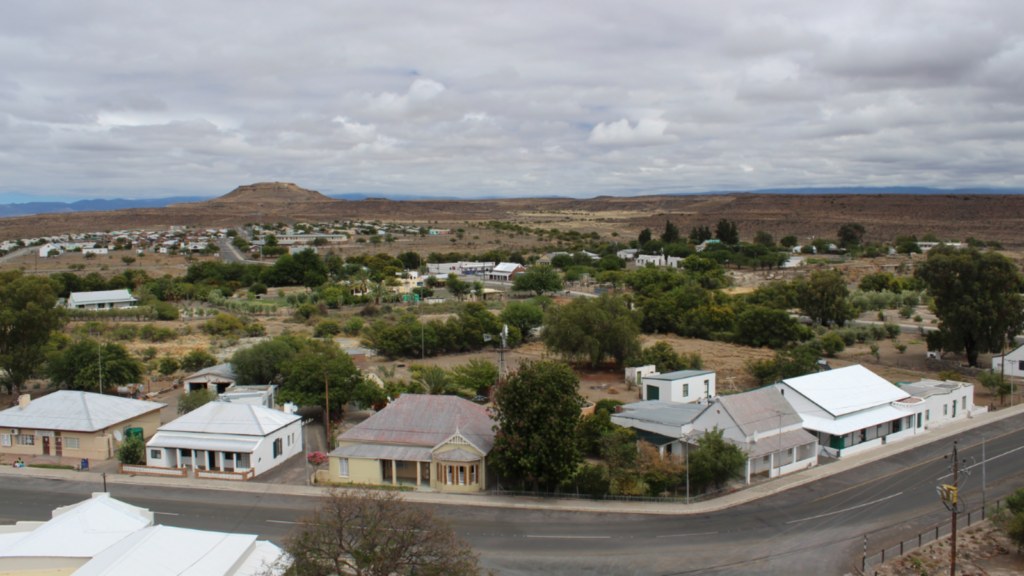
Eskom announced plans to implement drastic electricity cuts of up to 14 hours daily, surpassing stage 8 loadshedding, in three towns in the Karoo region: Steytlerville, Jansenville, and Klipplaat.
This action is a response to the Dr Beyers Naudé Local Municipality’s outstanding debt of R532 million to the power supplier.
Eskom said that these drastic power supply restrictions are aimed at addressing the municipality’s escalating debt.
Eskom claims the municipality has been misusing funds meant for electricity payments to cover salaries and other expenses.
Over the last three years, Eskom provided R588 million worth of electricity but received only R55 million in return.
The utility aims to establish an agreement requiring the municipality to pay for electricity up front. This plan would involve either the municipality collecting tariffs or allowing customers to pay Eskom directly.
The municipality has acknowledged its financial struggles, citing a largely rural and low-income population that results in insufficient tax revenue.
The Makhanda High Court, led by Judge Justin Laing, has provisionally halted Eskom’s plans, allowing them to present further arguments. This decision prevents extended power cuts until the court can review the measures.
Eskom indicated in legal documents that non-payments have hindered its capacity to maintain the national grid.
“The matter is still before the High Court as only a rule nisi was granted, calling upon Eskom to show cause why the interruption of the electricity supply should proceed. Eskom will set the matter down for part B to be ventilated,” Eskom told BusinessTech.
This means Eskom must now return to court for the next phase of the lawsuit (Part B) in order to proceed with the power cuts.
During this upcoming hearing, Eskom will have to formally argue its case and prove it has a valid legal reason to interrupt the power supply.
Laing also emphasised that Eskom’s proposed power cuts could violate the communities’ constitutional rights to essential services like healthcare and clean water.
Initially, the cuts would be a few hours long, but could escalate to 14-hour outages daily.
According to Busisiwe Mavuso, CEO of Business Leadership South Africa (BLSA), it is crucial for South Africa to resolve the municipal debt crisis.
Although Eskom and the country recently celebrated a full year without load shedding, the challenges facing the power utility have shifted beyond scheduled outages.
Mavuso highlighted that the debt owed by municipalities to Eskom has now surpassed R130 billion.
The City of Johannesburg’s debt of R5.2 billion has made headlines recently, exacerbating the situation.
Eskom itself has identified this debt as a significant concern, warning that it could escalate to R300 billion if not addressed, threatening the utility’s recovery efforts.
If the crisis remains unresolved, Eskom may find itself once again approaching the National Treasury for a bailout, ultimately passing the financial burden onto taxpayers.
Major metros also in hot water
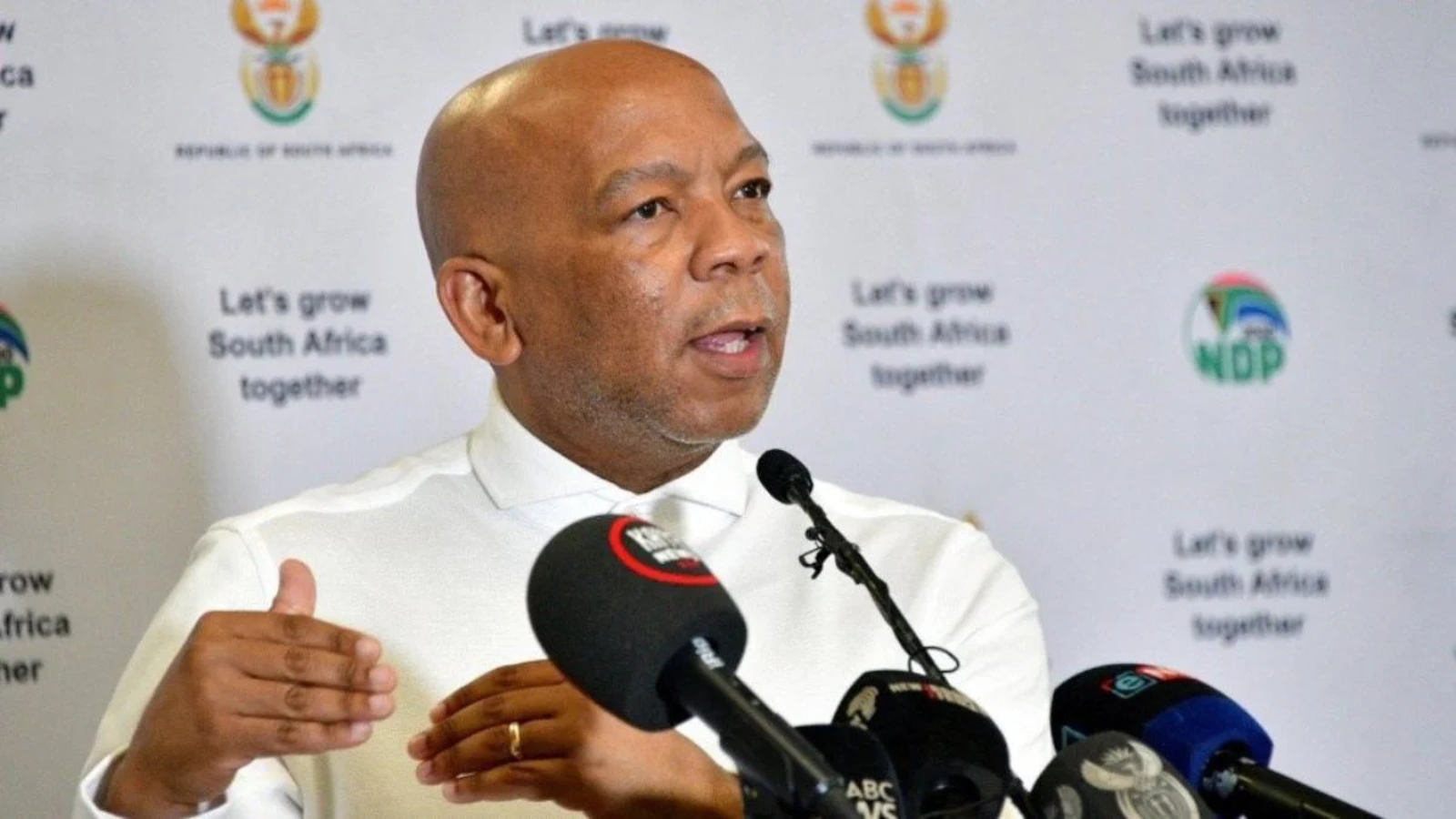
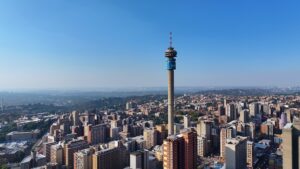
The City of Johannesburg (CoJ) has once again fallen behind on its payments to Eskom. As a result, the city is at risk of potential power cuts and disruptions.
In an update regarding the dispute between Eskom and CoJ over non-payment, Eskom reported that the city now owes over R2.7 billion.
In May, Eskom issued a notice under the Promotion of Administrative Justice Act (PAJA) to both the City of Johannesburg and City Power, warning of potential power cuts if the city did not make the necessary payments.
At that time, Eskom indicated that CoJ had an outstanding debt of R5.2 billion, with an additional R1.6 billion due by 5 June.
Although the city managed to make a payment of R1.2 billion, it failed to meet the deadline for the next R1.6 billion payment, resulting in an overdue current account of R2.7 billion.
As of 11 June, 2026, the total amount owed by the city to Eskom has risen to R5.3 billion. This includes R2.7 billion in overdue current accounts and R2.6 billion as part of the balance from a settled court arrangement.
“Eskom continues to comply with the settlement agreement, which was made an order of the High Court of South Africa on 7 November 2025,” the utility said.
An agreement was negotiated between Eskom and the CoJ, with intervention from the National Department of Electricity and Energy.
Eskom has stated that it will not enter into another payment arrangement with the city, as the current agreement remains enforceable. However, a task team has been established among the CoJ, City Power, and Eskom.
Despite the formation of this team, Eskom has made it clear that the PAJA process is still underway and has not been halted.













 Loading ...