

Trouble coming for homeowners with access to popular dams in South Africa


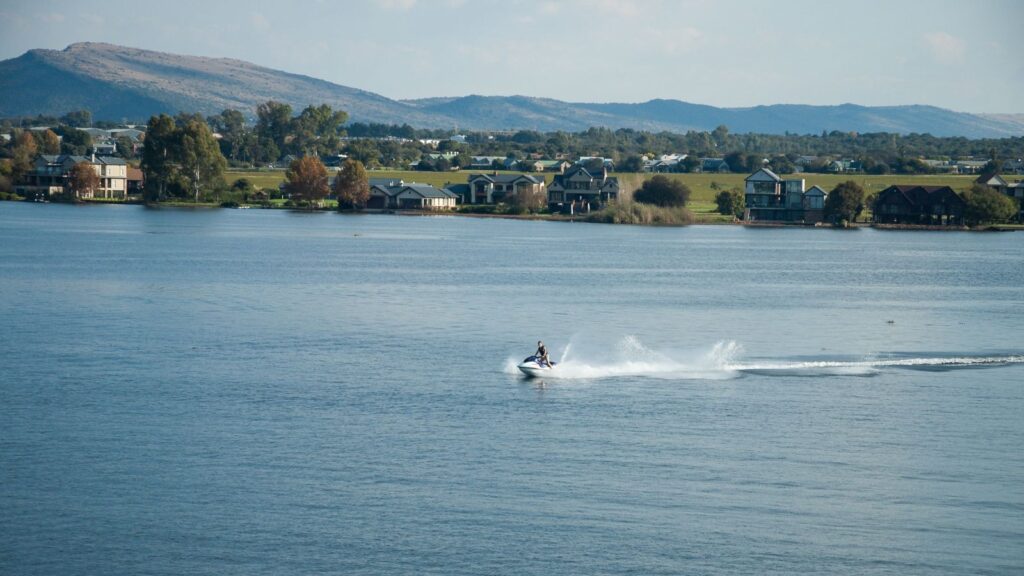
Proposed new regulations on access to South Africa’s public dams have drawn significant criticism, with fears that they could destroy communities and property values.
The new regulations from the Department of Water and Sanitation introduce stricter controls over access to State dams and other waterworks, as well as the surrounding land.
Part of this includes potential lease agreements and new approval requirements for the use of dam surfaces and access infrastructure, such as slipways and jetties.
Chas Everitt International CEO Berry Everitt said the new regulations would have major consequences for property values, lifestyle estates and local economies built around water-based recreation.
“The implications could be particularly severe for properties situated around some of the country’s best-known dams,” he said.
This includes the Gariep Dam, Vaal Dam, Hartbeespoort Dam, Theewaterskloof Dam, Loskop Dam, Sterkfontein Dam and Pongolapoort Dam.
“These dams are not only critical national water assets, but they are also some of SA’s most important lifestyle and tourism destinations,” he said.
“They support boating, fishing, nature tourism, weekend accommodation markets and a wide range of small businesses.”
Everitt, whose parents founded the company, said that demand for waterfront and near-water properties is linked to unrestricted access and lifestyle expectations.
All regulatory changes that can limit access rights, recreational use or the cost of using the water would directly impact buyer sentiment.
If access becomes subject to additional approvals, Everitt said that this can change the investment case for both primary homes and holiday properties.
“Many waterfront properties also command a premium specifically due to their recreational appeal and proximity to tourism activity, which benefits local businesses and communities,” he said.
“Thus, any restrictions could not only affect property values but have a negative ripple effect on entire local economies by reducing the demand for the services they provide.”
Everitt said that industries that could be affected include hospitality, boating, angling, camping and retail.
Although he acknowledged the need for responsible water management, Everitt said that regulation must balance environmental governance with economic sustainability and existing usage rights.
DA’s objection

The DA’s Igor Scheurkogel said that the draft regulations for resource management plans represented a profound shift in policy.
This mainly relates to recognising the public nature of water resources and treating state dams as controlled assets that must be leased for use.
On top of regulations that threaten property rights, Scheurkogel said the proposals ignore the National Water Act’s explicit recognition of recreational use and existing lawful water uses.
The Act already allows people to use water for “reasonable recreational purposes” and explicitly recognises existing lawful uses.
Any person with lawful access may use the water surface for recreation and portage. However, the draft regulations now require approval from a “competent authority.”
Scheurkogel said that the Act also limits the definition of landowners, and prohibits access except through formalised leases or access agreements.
“Resource Management Plans would require every slipway, jetty, and natural access point to be authorised and are now being used to expropriate access via back-door leases,” the DA member said.
“Various Resource Management Plans highlight the potential of dams to create jobs and economic opportunities, yet the proposed regulations impose new bureaucratic layers that will harm tourism.”
He added that thousands of people depend on tourism and recreation around state dams, with the yellowfish angling industry on the Vaal River generating over R133 million per season.
The regulations, which close for public comment on 13 April, can be found below:

















 Loading ...