

Good news for Capitec customers, and pain coming for grocery shoppers in South Africa


The rand weakened on Monday following the breakdown of peace talks between the US and Iran over the weekend.
This development caused oil prices to rise above $100 a barrel, negatively impacting global risk appetite.
The rand was trading at 16.58 against the dollar, approximately 0.9% lower than its previous closing value.
Over the weekend, the United States announced it would enforce a naval blockade on all shipping entering or leaving Iranian ports and coastal waters in the Arabian Gulf and Gulf of Oman, effective Monday, due to the collapse of direct talks in Islamabad.
As oil prices surged above $100 a barrel, emerging-market currencies, particularly those of net oil importers such as South Africa and India, faced significant pressure.
Analysts warned that for South Africa, which is already struggling with high fuel costs and energy security concerns, the crisis could increase import costs, disrupt tanker routes that were previously protected by its friendly status, and further intensify domestic inflationary pressures.
“The rand will come under pressure, and South Africa’s alignment with Iran appears increasingly unhelpful,” analysts noted in a research report.
This situation extends to the broader BRICS+ bloc, which has provided limited support to Iran and is unlikely to offer meaningful backing to South Africa.
On the Johannesburg Stock Exchange, the Top 40 index declined by 1%.
As of Tuesday, 14 April, the rand is trading at R16.42 to the dollar, R22.19 to the pound, and R19.31 to the euro. Gold is currently valued at $4,764.77 per ounce, while oil is trading at $98.46 per barrel.
5 important things happening in South Africa today
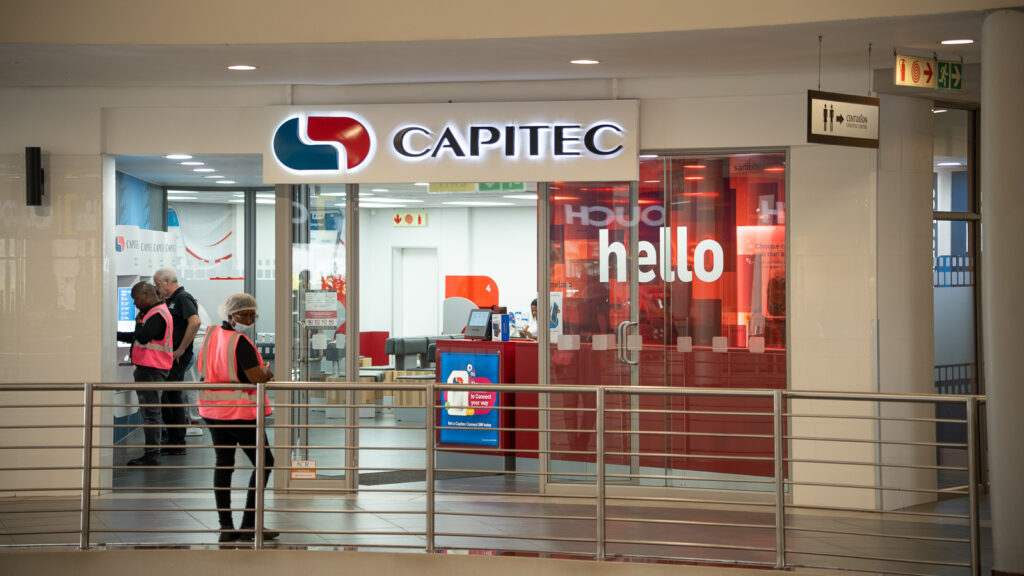
No increase in bank charges for Capitec: Capitec has launched various initiatives to benefit its banking clients, including Smart ID and passport services available in branches, along with a commitment to keep banking fees unchanged for 2026. [MyBroadband]
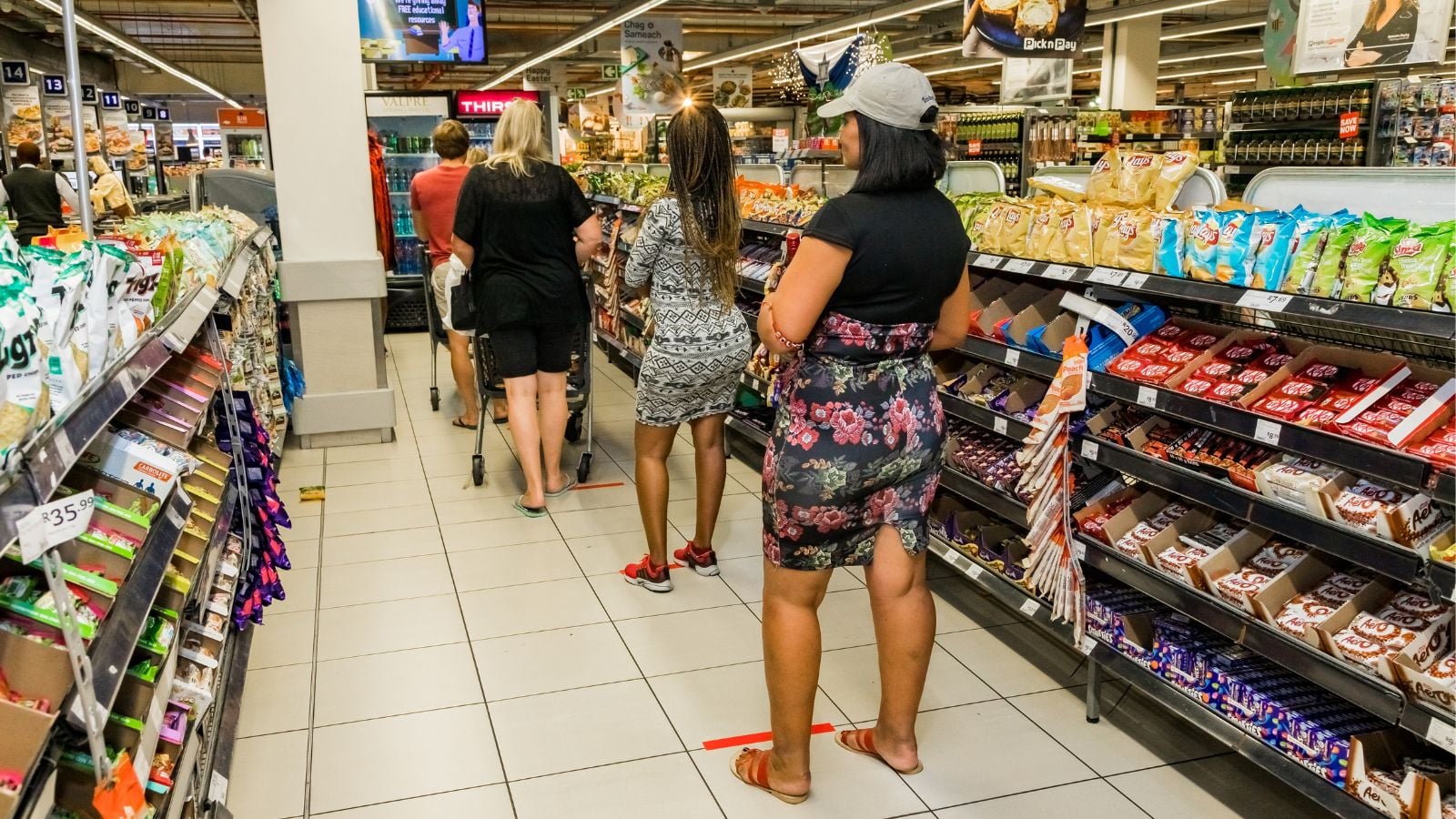
Warning for food prices: Farming groups warn that rising diesel and fertiliser costs may lead to a sharp increase in food prices. These higher expenses will affect the harvesting of summer crops and the planting of winter crops, likely passing through the agricultural value chain. [TimesLive]
New South African ambassador appointed for the US: The director-general of International Relations and Cooperation, Zane Dangor, stated that President Cyril Ramaphosa has appointed an individual who is ideally suited to be South Africa’s next ambassador to the United States. [EWN]
R3.8 billion secured for South Africa: Germany has agreed to provide South Africa with a new €200 million (R3.8 billion) concessional climate loan. The two countries will also strengthen cooperation in areas such as critical minerals, South Africa’s foreign minister said on Monday. [Reuters]
R1.6 billion worth of water lost: The Mangaung Metro, which governs Bloemfontein and surrounding towns, has lost more than R1.6 billion worth of water over the past five financial years. [DailyInvestor]













 Loading ...