

United States bringing more tariff pain for South Africa following investigation


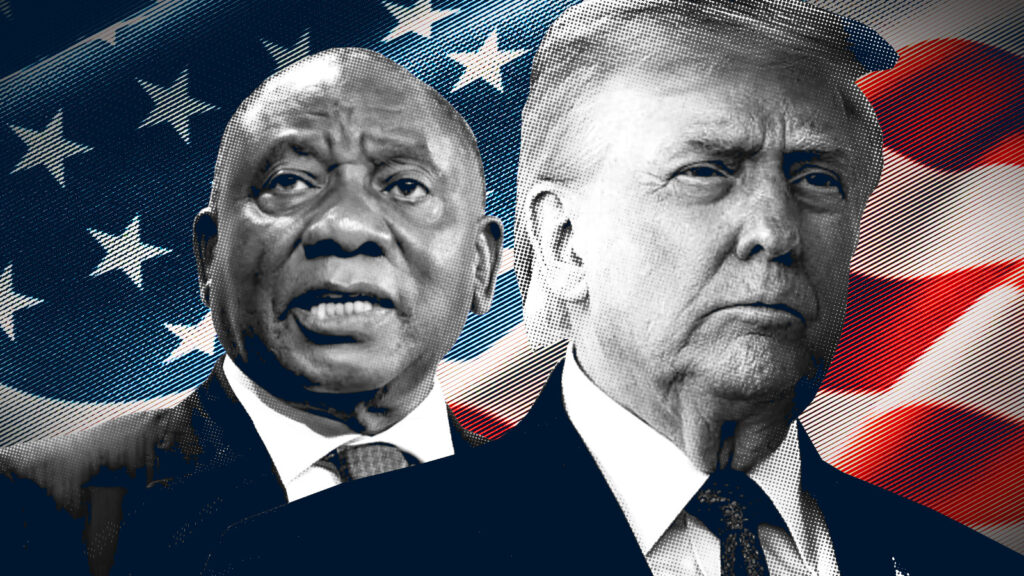
The United States Trade Representative is proposing new tariffs on South Africa and other countries, following a Section 301 investigation launched earlier this year.
Section 301 of the United States Trade Act of 1974 is designed to address unfair foreign practices affecting US commerce.
The section may be used to respond to “unjustifiable, unreasonable, or discriminatory foreign government practices” that burden or restrict US commerce.
In mid-March 2026, the US Trade Representative announced such an investigation would take place, specifically looking at 60 countries, including South Africa.
The office made findings against all 60 countries.
An investigation under Section 301(b) of the Trade Act examines whether the acts, policies, or practices of a foreign country are unreasonable or discriminatory and burden or restrict US commerce.
However, in this case, the administration was specifically looking at trade practices related to forced labour.
According to the representative, the office wanted to determine whether the economies’ acts, policies, and practices failed to impose and enforce effectively a prohibition on the importation of goods produced with forced labour.
“The failure of our most important trading partners to address the importation of goods made with forced labour is unacceptable,” it said.
“This creates a dynamic where American workers are forced to compete globally on an unlevel playing field.”
The office said that the US would no longer tolerate the disparity.
In its findings for South Africa, specifically, the Trade Representative found that South Africa failed to impose and effectively enforce a labour import prohibition.
“We found that the failure to impose and effectively enforce a forced labour import prohibition is unreasonable,” it said.
“We found that the failure to impose and effectively enforce a forced labour import prohibition burdens or restricts US commerce.”
More tariffs are coming

The office said that some comments suggested that South Africa’s existing labour laws, anti-trafficking laws, and customs laws provided a legal framework for South Africa to prohibit the importation of goods produced with forced labour.
However, it insisted that a legal framework that could provide a basis for a forced labour import prohibition was distinct from a legal measure that forbids the importation of goods produced with forced labour.
“For the foregoing reasons, the results of this investigation indicate that the acts, policies and practices of South Africa related to the failure to impose and effectively enforce a forced labour import prohibition are unreasonable and burden or restrict US commerce,” it said.
Following the determinations in its investigations, the US Trade Representative has proposed “responsive action” for public comment in the United States.
The proposed action includes additional duties on all products of the investigated economies, with some products exempted.
Hearings will be held on 7 July 2026.
The full report can be read below:















 Loading ...