

Pesticides found in popular South African foods, and City of Joburg pays R1.44 billion to keep the lights on


The rand was stronger on Friday, remaining stable despite a strengthening global risk appetite that affected emerging-market currencies.
The rand traded at 16.44 against the dollar, representing an approximately 0.3% increase from its previous close.
The dollar index, which measures the strength of the greenback against a basket of six major currencies, was near its highest level since May 2025, as US inflation data continued to influence expectations regarding Federal Reserve interest rates.
Meanwhile, prices for South Africa’s key mineral exports declined, with gold on track to experience its fourth consecutive weekly drop.
“For now, global sentiment remains the dominant driver of USD/ZAR, but local structural risks continue to limit the rand’s upside,” said currency strategists.
South Africa is currently facing a rise in attacks on foreign nationals in certain areas of the country.
Anti-immigrant groups have set a deadline of June 30 for undocumented foreigners to leave, which has created fear among migrant communities.
Next week, domestic investors will focus on data related to the money supply, private sector credit, trade balance, and budget balance figures, as well as the purchasing managers’ index and vehicle sales.
On the Johannesburg Stock Exchange, the Top-40 index recently decreased by 0.6%.
Meanwhile, South Africa’s benchmark 2035 government bond strengthened, with the yield falling by 2.5 basis points to 8.185%.
On Sunday, 28 June 2026, the rand is trading at R16.99 to the dollar, R21.72 to the pound, and R18.74 to the euro. Gold is trading lower at $4,071.95 per ounce, while oil prices are at $71.99 per barrel.
5 important things happening
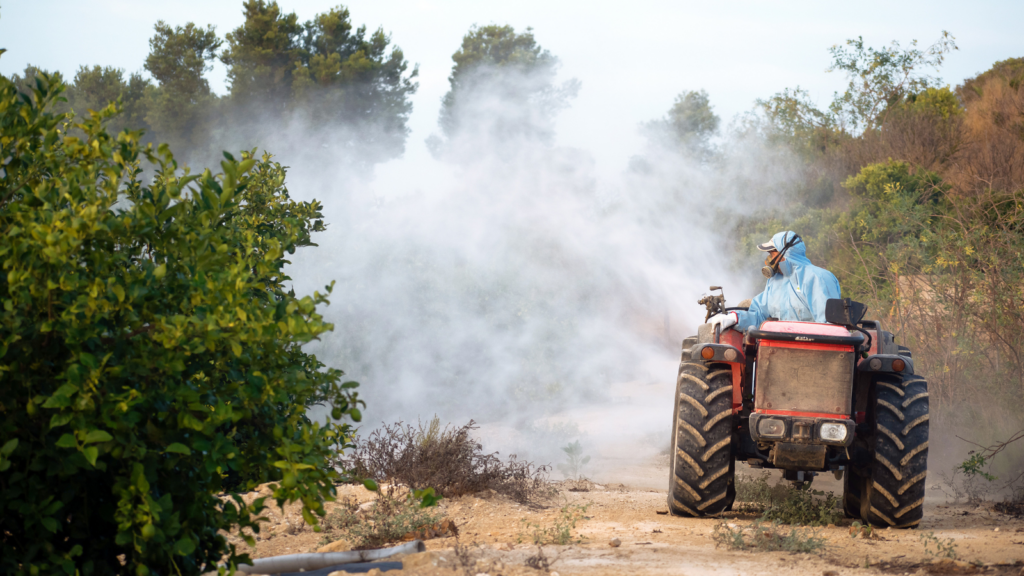
Pesticides found in popular South African foods: Independent testing conducted by the African Centre for Biodiversity (ACB) has discovered pesticide residues in 86% of a sample of frequently consumed foods, including products designed for infants and young children. [Mail&Guardian]
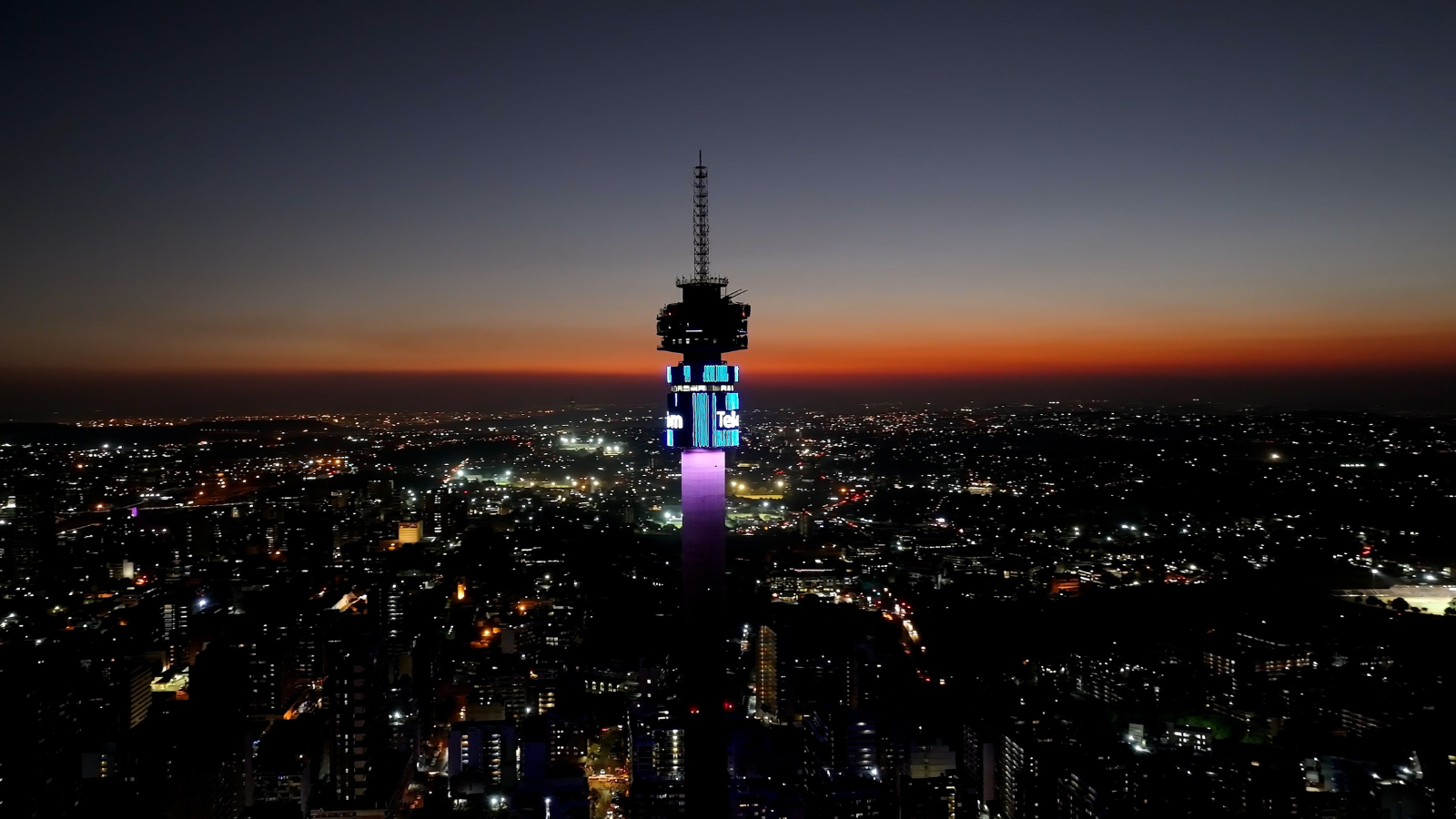
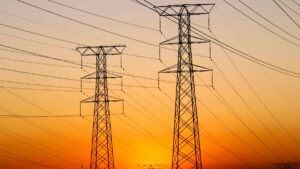
City of Joburg pays R1.44 billion to keep the lights on: The City of Johannesburg, facing financial collapse, prioritised investors by repaying a R1.44 billion bond this week. The city owes hundreds of millions to power and water utilities and risks power cuts due to unpaid bills. [DailyInvestor]
South Africa starts commercial production of rare earth products: The Steenkampskraal Monazite Mine, located in the Western Cape, has successfully collaborated with the national mineral research firm Mintek to produce high-purity mixed rare earth products. [MyBroadband]
One-third of public hospitals in Joburg have no CEO: More than 50 public hospitals in South Africa lack permanent CEOs due to budget cuts and austerity measures. In Gauteng, over a third of hospitals are affected, with one having been without a chief officer for five years. [TimesLive]
Opposition party EFF says the president must step down: Julius Malema, the leader of the EFF, asserted that President Cyril Ramaphosa should step down, as the impeachment commission is likely to expose troubling allegations. [Newsday]






 Loading ...