

Great news for chocolate and coffee lovers in South Africa


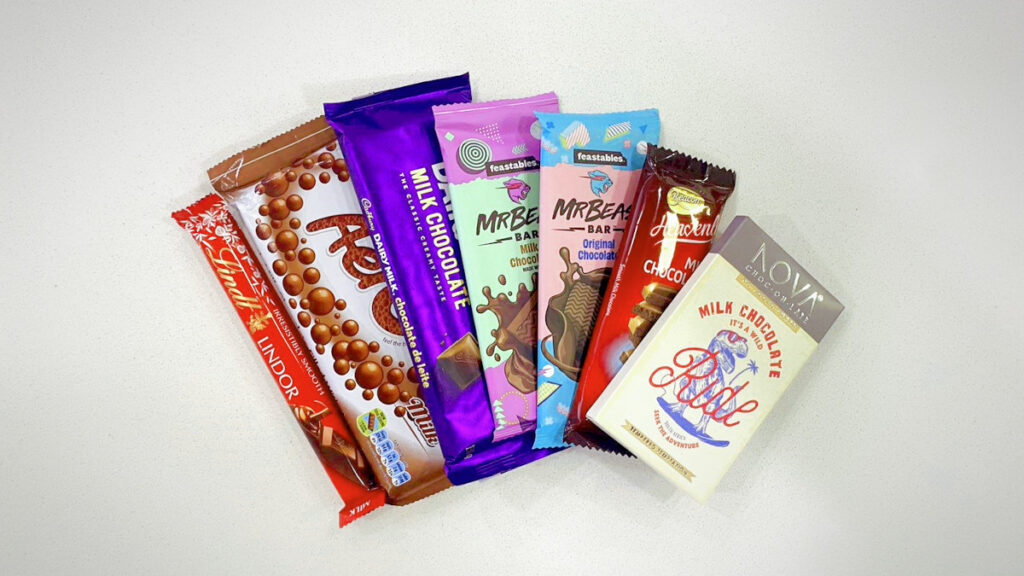
Global coffee and cocoa prices are dropping, which should be good news for any South Africans who have had to cough up more for their caffeine or chocolate fix over the past few years.
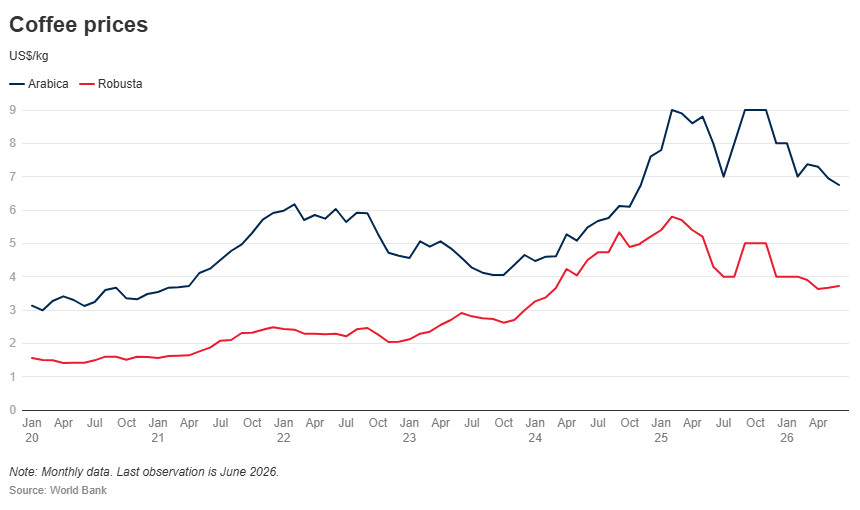
The World Bank Group’s latest beverage price index showed an easing of prices in the second quarter of 2026, to a level about one-third lower than a year ago.
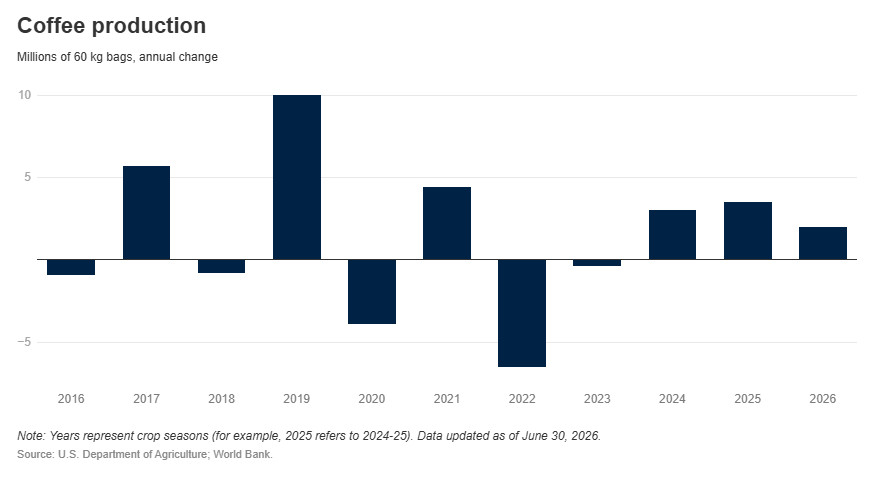
“This reversal of the preceding sharp rise in prices reflects improved supply prospects for both cocoa and coffee,” it noted.
After surging by 18% in 2025, the index is projected to decline by 30% in 2026, before stabilising in 2027, the World Bank said.
Because of this, beverage markets are expected to decline in price, with minimal disruption from the conflict between the United States and Iran in the Middle East.
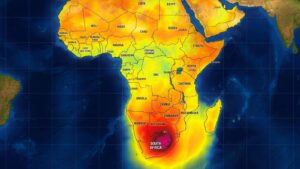
However, the group warned that crops could be affected by a stronger‑than‑expected El Niño developing.
According to Agribiz Chief Economist Wandile Sihlobo, South African coffee drinkers have a cause to celebrate.
He noted that South Africa is a coffee importer, bringing in an average of about 23,921 tonnes per annum over the past five years.
Coffee from Brazil and Vietnam accounts for 54% of South Africa’s coffee imports.
Other coffee suppliers to South Africa include Uganda (8%), Tanzania (7%), Colombia (4%), Guatemala (4%), Ethiopia (3%), and Honduras (3%).
Looking at the World Bank data, crop conditions in these countries are improving as the weather has become more favourable.
“Brazil and Vietnam are major producers of coffee beans, and they faced drought last season, leading to a poor harvest and, subsequently, an increase in coffee prices,” Sihlobo said.
“Right now, Arabica prices are 17% below their level a year ago, and Robusta prices are 25% lower than a year ago. We see the supply improving as the weather conditions have been favourable,” he said.
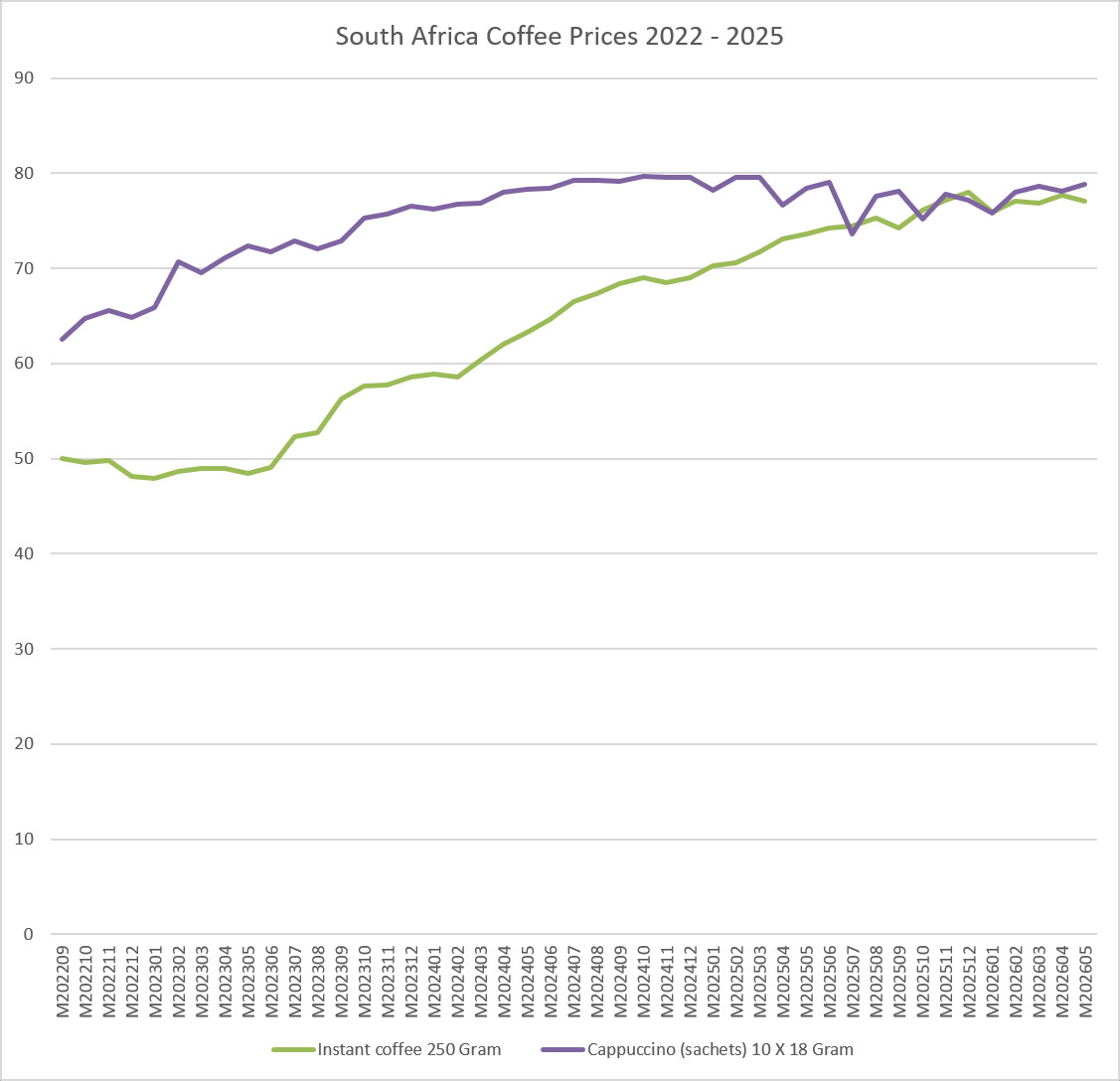
Looking at the latest CPI data from Stats SA, coffee prices have shown a clear upward trajectory, tracking the global rise in prices.
For May 2026, coffee prices were up 4.6% year-on-year, easing from 6.3% y/y in April.
This is down significantly from peaks of over 30% y/y in 2024, and a prolonged string of inflation in excess of 20% from 2023, before easing in 2025.
Chocolate lovers can also celebrate
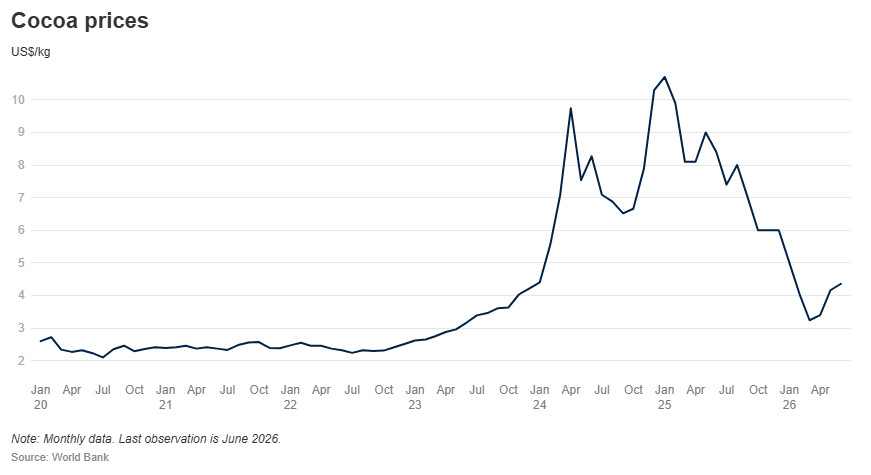
While cocoa prices have inched higher over the past three months—averaging $4.35/kg in June—the World Bank noted that they are still more than 50% lower than a year ago.
“The steep drop from the early‑2025 peak reflects a sharp improvement in supply for the 2025–26 season, along with softer demand,” the group said.
The price drop is also due to more favourable weather in West Africa—especially Côte d’Ivoire and Ghana, which together produce about 60% of the world’s cocoa.
This has fueled a strong production rebound.
The World Bank said output this season is estimated to be more than one‑third higher than last year, pushing the global stock-to-grindings ratio to 43%.
This is slightly above its long‑term average of 41%, it added.
“With supplies recovering, prices are expected to plunge more than 50% in 2026 before stabilising in 2027 as markets rebalance.”
As with the coffee crops, however, the group warned that the outlook remains weather‑sensitive.
“A stronger‑than‑expected El Niño could disrupt the recovery and tighten supplies again,” it said.
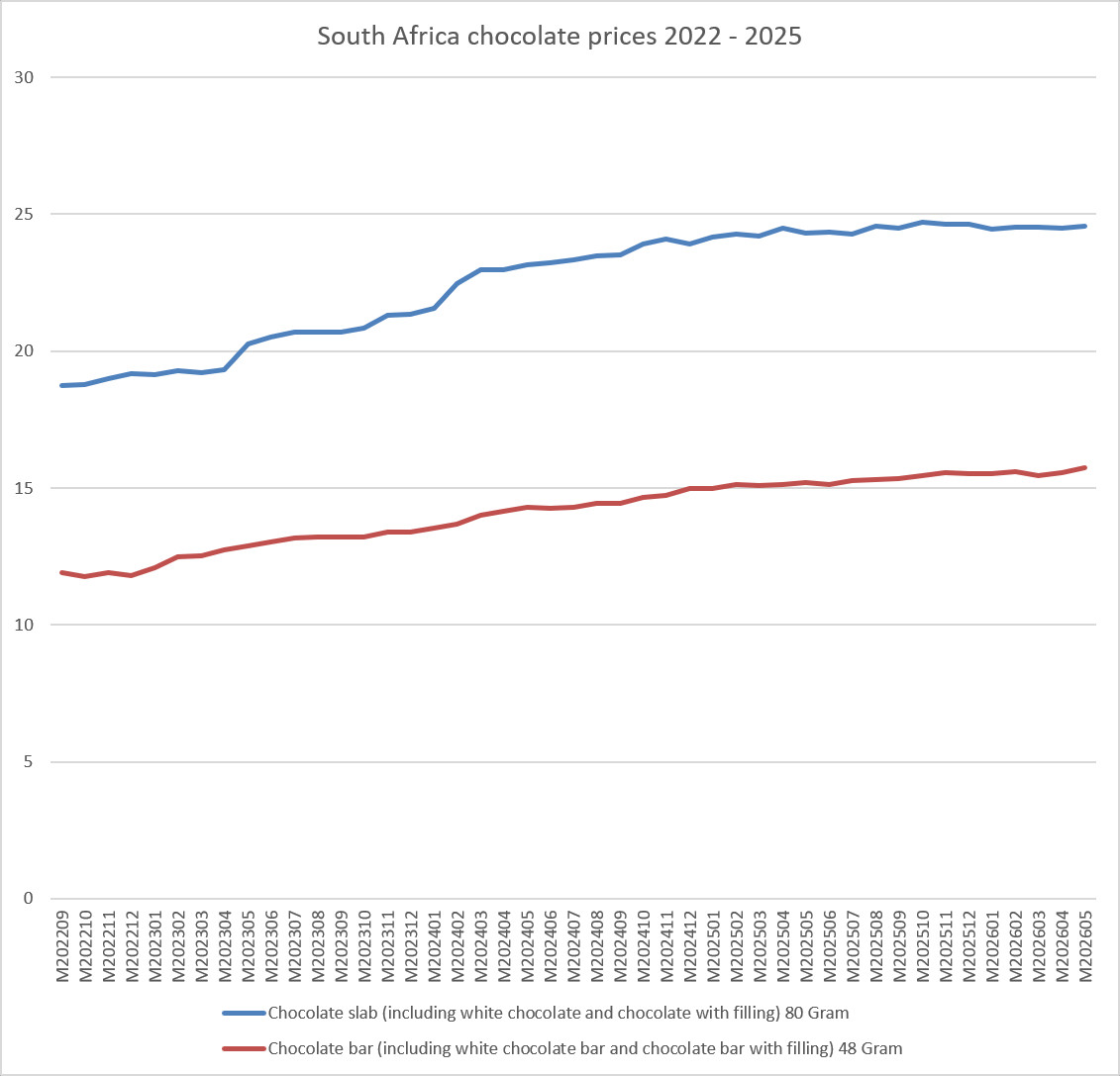
Looking at Stats SA’s data for chocolate prices, similar to the coffee trend, price inflation has eased significantly, up only 1% year-on-year in May 2026.
Price inflation surged in 2023 and 2024, peaking at around 20% y/y, and seeing multiple months with prices rising above 10%.

















 Loading ...