

R1.75 billion mega-bridge in South Africa delayed by three more years


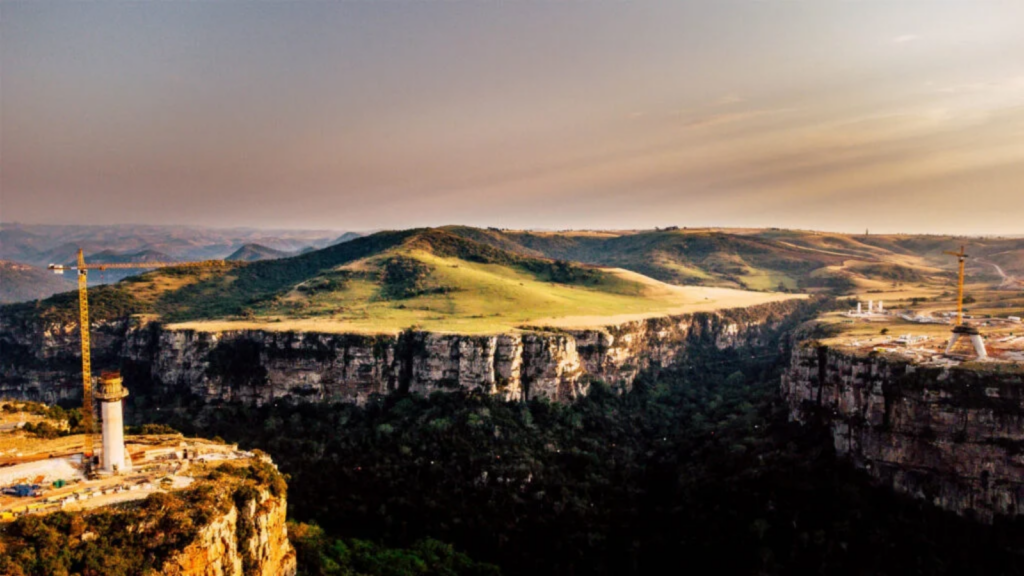
The completion date for the Msikaba Bridge in the Eastern Cape, which was projected for March 2025, has been pushed back to 2029.
The Msikaba Bridge is one of two major projects currently under construction in the Eastern Cape.
Spanning the Msikaba Gorge and River near the town of Lusikisiki, the new bridge aims to significantly reduce travel times for vehicles travelling between the Eastern Cape and KwaZulu-Natal.
The bridge will bypass an 80-kilometre inland diversion that goes through Kokstad, which has steep, winding roads. As a result, it will save motorists between 1.5 and 3 hours of travel time, depending on the vehicle.
This project is part of the South African National Road Agency’s (SANRAL) N2 Wild Coast Project, which aims to create a safer, shorter route for vehicles travelling between the two provinces.
The construction is being carried out in partnership with South Africa’s Concor and the Mota-Engil Construction Company.
The project was announced in 2019, with the bridge originally expected to be completed between 2022 and 2023.
However, it has faced significant delays. Early construction was stalled due to the COVID-19 pandemic and subsequent lockdowns, and the project continues to face various challenges.
The construction of the bridge has faced several challenges, including cash-flow issues and reported confrontations with South Africa’s “construction mafia.”
The construction mafia consists of organised criminal groups demanding a share of funds intended for infrastructure projects across the country.
Recently, production constraints have arisen due to the large segments required for the bridge’s main structure.
In April 2026, Lwando Mahlasela, SANRAL’s Media Relations Manager, stated that the construction had been delayed due to difficulties in South Africa’s steel fabrication sector.
Mahlasela explained to Nova News that the deck segments for the bridge are being manufactured in Highveld, Mpumalanga.
However, the work has been hindered by the partial collapse of several steel producers in the country, including Aveng Steel Fabricators, Genrec Engineering, and Endeto.
As a result of these issues, the bridge’s expected completion date has been postponed to 2029.
Mahlasela said the multi-billion-rand Msikaba Bridge project was previously scheduled for completion in March 2025, but a revised timeline has been submitted following construction delays.
“SANRAL trusts that the public appreciates the complex nature and scale of this infrastructure project, and we hope the public will continue to support the development of critical public infrastructure,” said Mahlasela.
R665.6 million worth of job opportunities
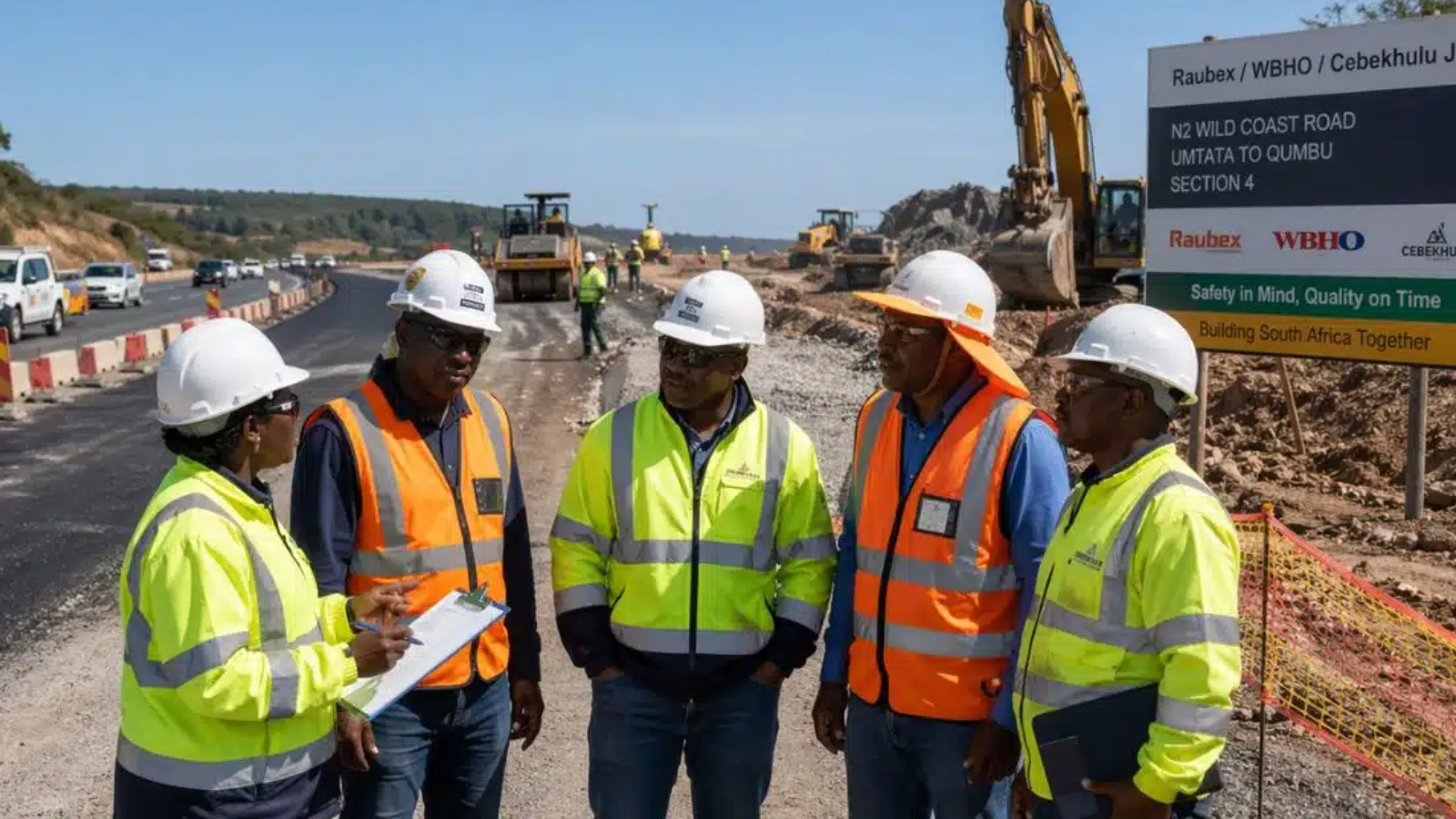
In 2024, Sanral estimated it would create 8,000 to 9,000 full-time equivalent jobs, with 22,000 to 28,000 indirect jobs during bridge construction.
At the end of 2024, the project had created opportunities for 44 local suppliers, 48 service providers and 61 subcontractors, valued at R665.6 million, Sanral said at the time.
Sanral regional manager for the southern region, Mbulelo Peterson, said the bridge will stand 195 metres tall, with 128-metre-high pylons, making it the third-tallest in Africa. It will stretch over 580 metres.
“The bridge forms part of Sanral’s N2 Wild Coast Road programme, which entails upgrading a 410km stretch of road from East London to the Mtamvuna River on the border of the Eastern Cape and KwaZulu-Natal,” he told the Sunday Times.
In 2024, Sanral said the project had been delayed due to the unavailability of cable in the local market, which meant they had to import cable from international suppliers, as well as difficulties related to “the complexity of the engineering.”
TopAuto reported that another obstacle that was delaying the project is the presence of “construction mafias.”
These are criminal groups that extort a significant portion of the project’s funds through threats and intimidation.
TopAuto reported that these groups have hindered multiple infrastructure projects nationwide, prompting the government to deploy the army to safeguard workers.














 Loading ...