

New bank owned by a billionaire royal family coming to South Africa


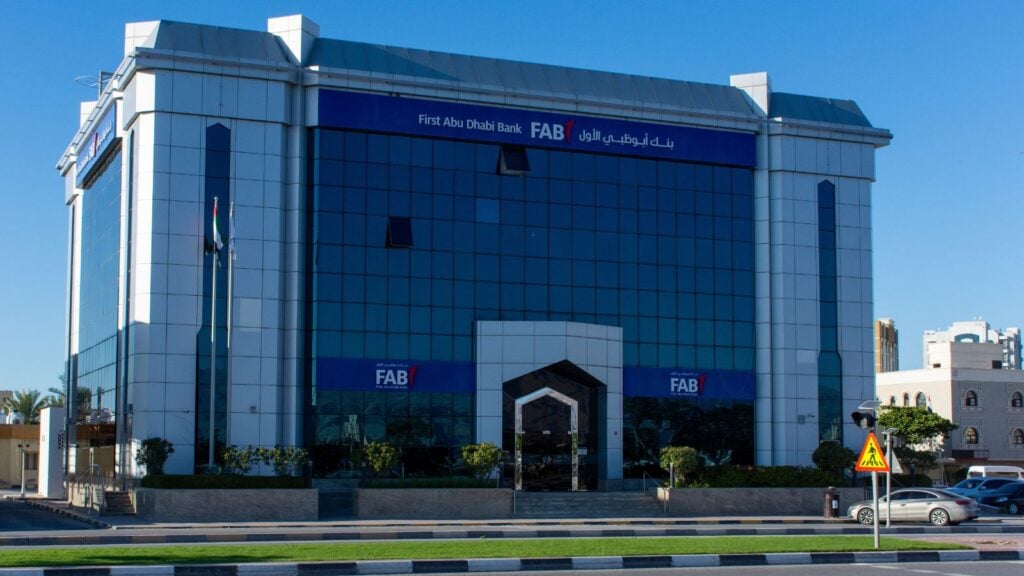
First Abu Dhabi Bank (FAB), the largest bank in the United Arab Emirates, has confirmed that it intends to apply for a South African banking licence.
This comes after winning a trademark battle against FirstRand, clearing an important hurdle in its plans to enter the local market.
The Supreme Court of Appeal’s decision brings an end to a legal dispute that lasted almost a decade over whether FAB’s name was too similar to FirstRand’s retail banking brand, FNB.
In its majority judgment, the court said on Tuesday, 7 July, that there was no reason to doubt that, if its trademarks were registered, FAB would comply with all the legal requirements needed to operate in South Africa, including applying for a banking licence.
FAB told the court that securing trademark protection was the logical first step before pursuing a banking licence. It argued that applying for trademarks first was financially prudent.
The bank, headquartered in Abu Dhabi, is one of the world’s largest financial institutions, with assets of around $406 billion (R6.6 trillion).
It was created through the 2017 merger of National Bank of Abu Dhabi and First Gulf Bank and operates across five continents, offering corporate, consumer, private and investment banking, wealth management, Islamic banking, payments and real estate finance.
FAB is majority owned by Abu Dhabi’s sovereign wealth fund, Mubadala Investment, which holds a 37.9% stake.
Members of Abu Dhabi’s ruling family own another 15.8%, while the remaining shares trade publicly on the Abu Dhabi Securities Exchange.
The Abu Dhabi royal family is widely regarded as the world’s wealthiest royal family, with collective assets estimated at more than $300 billion (R4.8 trillion).
Speaking in an interview with The Money Show, Denker Capital banking analyst Kokkie Kooyman said the court victory confirms that FAB is serious about expanding into South Africa.
FAB is unlikely to compete with major retail banks in South Africa
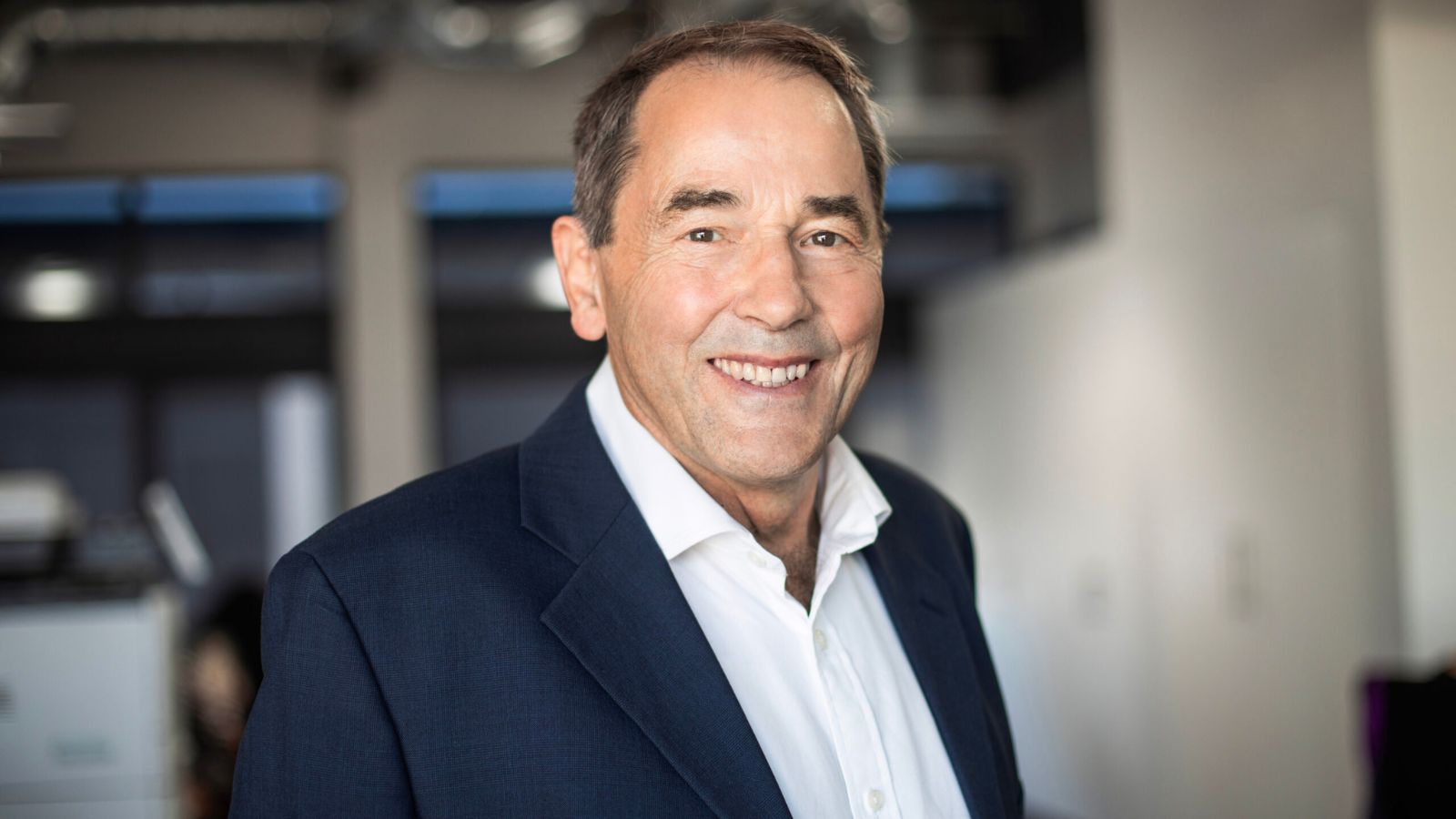
Kooyman said FirstRand argued during the case that FAB was not serious about coming to South Africa, and questioned why it wanted to register a trademark before seeking a banking licence.
“That case went back and forth with the appeals for actually nine years until finally the Supreme Court ruled against FNB,” he said.
“The bank can apply for a trademark, and obviously, now the process is to apply for a bank licence and to try and get operations going.”
Kooyman believes FAB is unlikely to compete directly with South Africa’s major retail banks in the near future. He expects it to focus on corporate lending and development finance.
While Kooyman understood why FirstRand defended its brand, he said greater competition ultimately benefits customers.
“I can understand they see the name ‘First’ as a name that belongs to them, and a trademark is important,” he said.
“But in the end, that’s how capitalism works. It’s open to competition, and competition is good for the consumer and for corporates.”
Kooyman said FAB is also not alone in targeting South Africa, with several international financial institutions looking to establish a presence.
One of these is fintech company Revolut, which is expected to focus on retail banking and foreign exchange services.
Despite South Africa’s slow economic growth, Kooyman said the country remains an attractive banking market.
“South Africa is a well-functioning market. It’s well regulated, it’s safe, and you know where you stand politically. It’s stable,” he said.
“It is very deep. It’s a very important part of Africa, and internationally as well. So there are a lot of things that make South Africa attractive to banks.”
However, he cautioned that winning the legal battle is only the beginning. “They would have to prove to those people they’re serious about South Africa,” Kooyman said.
He added that it could take a year or two before FAB receives a licence and writes its first loan. Additionally, Kooyman said that history shows foreign banks often struggle to build successful operations in the South African market.










 Loading ...