

End of an era coming for 16 million South Africans


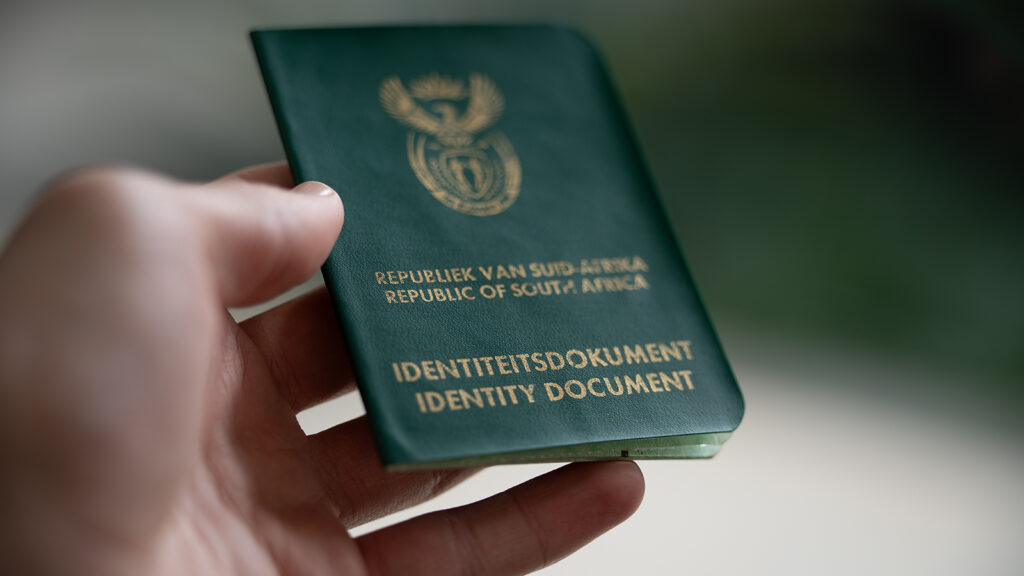
The days of South Africa’s green barcoded ID book are numbered, with the Department of Home Affairs preparing to announce a roadmap for phasing out the document still used by around 16 million people.
This was the message from Minister of Home Affairs Leon Schreiber speaking at the Xpatweb Global Mobility Conference in Bryanston on 21 July 2026.
Schreiber said the planned retirement of the green ID book follows a major expansion in access to Smart ID services as the department accelerates its digital transformation.
Schreiber said the department had increased access to Smart ID services by 250% in just 19 weeks through its partnership with banks, and called it one of several milestones achieved under the Home Affairs @ Home modernisation programme.
He said the broader goal is to move away from paper-based government services and make it easier for South Africans to access documents without lengthy queues or paperwork.
“After decades of paper-based and manual processes, as well as fragmented systems and growing backlogs, few believed that Home Affairs could become a modern, digital-first department,” Schreiber said.
According to the minister, more than 422,000 South Africans have already applied for Smart IDs through participating banks in just over four months without completing paper forms, booking appointments or waiting in long queues.
“We have delivered all of this without any increase in headcount or budget, and the partnership has not meant any additional cost for taxpayers,” Schreiber said.
The department plans to further expand the service before the end of 2026 by increasing the number of participating bank branches from just over 300 to more than 750.
Schreiber said the expansion is expected to pave the way for the formal withdrawal of the green ID book.
“The unprecedented expansion of access to Smart ID services paved the way for the imminent announcement of the roadmap towards the discontinuation of the Green ID book,” Schreiber said.
He added that the move “will strike a powerful blow against fraud, identity theft, and eliminate a key pull factor for illegal immigration.”
Most defrauded document on the African continent

The minister has previously warned that the green ID book is particularly vulnerable to fraud.
Speaking during an Inter-Ministerial Committee on Migration briefing in June 2026, he said research shows it is the most frequently used identity document for fraud on the African continent.
Because the document contains a physical photograph, it can be manipulated, replaced or swapped, increasing the risk of identity theft if it is lost or stolen.
Alongside Smart IDs, Home Affairs is also continuing the rollout of its Electronic Travel Authorisation (ETA) system, which Schreiber described as the department’s flagship immigration reform.
The digital platform replaces paper-based visa applications and manual verification with automated processing supported by machine learning.
Since its pilot launch in late 2025, the ETA has processed more than 203,000 applications and identified over 5,700 fraudulent submissions before travellers were able to board flights to South Africa.
“No immigration official, no matter how experienced or dedicated, could manually compare every passport and supporting document against millions of data points within seconds. But the ETA now can,” Schreiber said.
The department intends to expand the system to additional countries and visa categories over time.
Schreiber acknowledged that more work remains, but said the reforms demonstrate that Home Affairs is reshaping how government services are delivered.
“Just two years later, we are comprehensively proving the cynics wrong. The work is not yet complete,” he said.
Marisa Jacobs, managing director of Xpatweb, said the reforms could also benefit the broader economy.
“The various initiatives and new technologies introduced not only benefit Home Affairs employees, citizens, tourists, and everyone using departmental services, but South Africa as a whole,” she said.


















 Loading ...