

Warning to anyone living in an estate who employs a domestic worker in South Africa


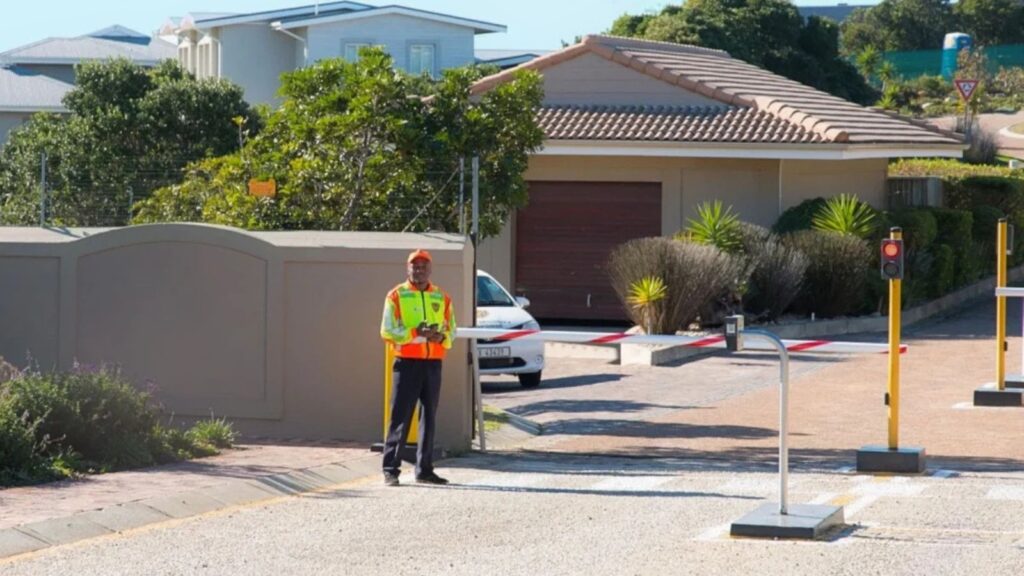
South Africans living in estates who employ domestic workers, gardeners or other household staff have been urged to ensure they comply with labour and immigration laws as government enforcement operations continue across the country.
The warning follows an incident at High Riding Estate near Sir Lowry’s Pass in the Western Cape on 23 July.
Residents said a large group of South African Police Service (SAPS) officers and Department of Home Affairs immigration officials entered the private estate as part of an operation targeting undocumented foreign nationals.
In an interview with BizNews, Eva Crouwel, a property owner on the estate, said residents were caught off guard by the operation.
“It was quite a conundrum because as a private homeowner, we weren’t expecting a police force and an immigration service to simply rock up at the gate of our estate,” she said.
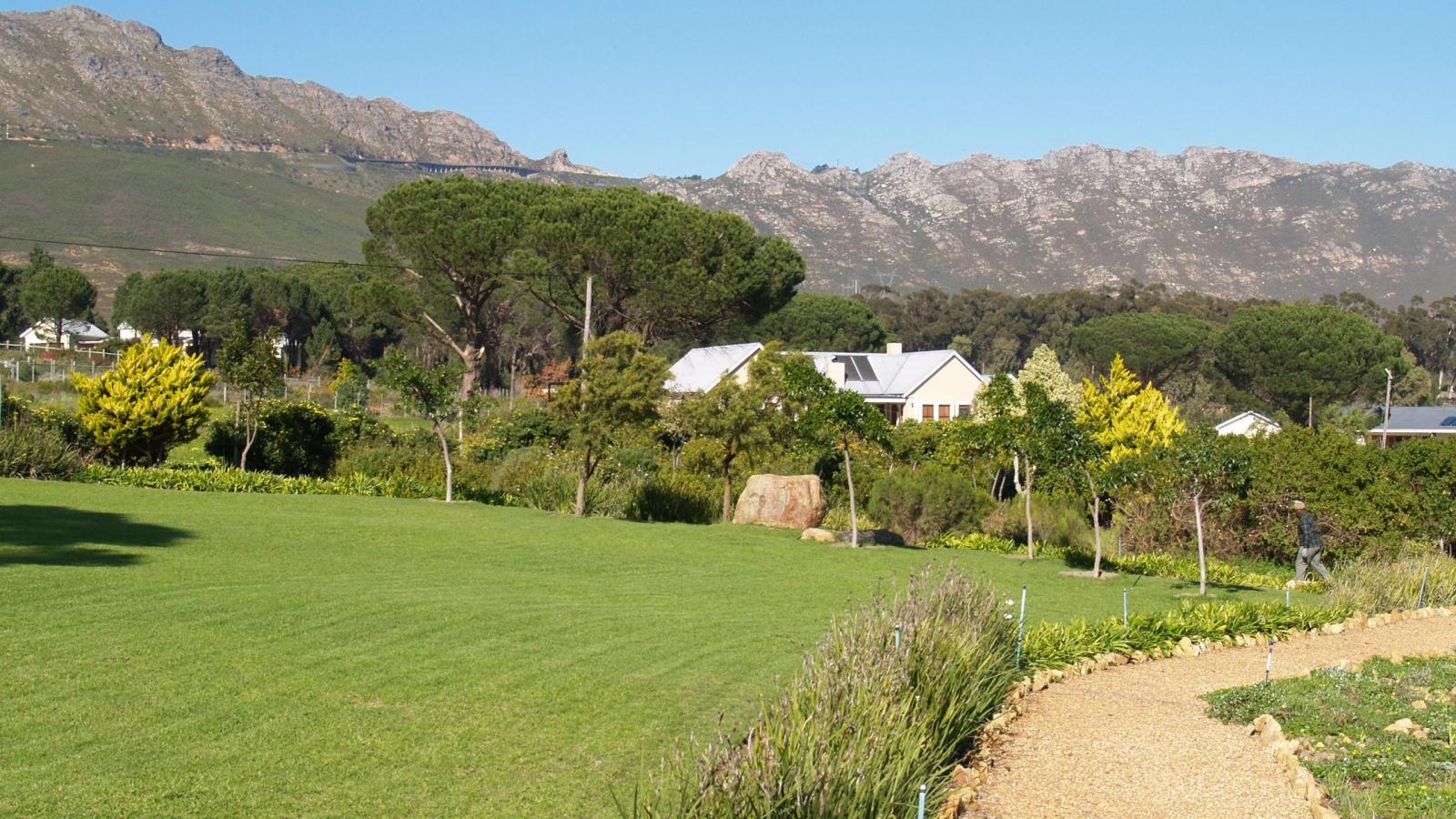
Crouwel described High Riding as “a very peaceful, very quiet estate” where many residents keep horses and livestock.
She said around five or six police vans arrived, along with SAPS officers, Home Affairs immigration officials and the Somerset West SAPS captain.
According to Crouwel, officials drove throughout the estate, which stretches over approximately 6.5 kilometres and consists of one-hectare properties.
She alleged that officers stopped at several homes, knocked on doors and sounded their vehicle horns in an apparent attempt to gain access to private properties.
She said residents and the estate’s security team escorted the officials off the property after about 20 minutes. A major concern for residents, she said, was that no search warrant was produced.
“At no stage was a warrant actually presented,” Crouwel said, adding that the homeowners’ association had begun investigating the legalities around SAPS actually entering the estate like this.
Crouwel, who is a trained lawyer, questioned whether police have the authority to enter private residential property without a warrant under immigration legislation.
Expect more surprise inspections
She acknowledged that immigration laws authorise immigration officers to enter premises, conduct searches, and request documentation. However, she argued that these powers do not automatically extend to SAPS officers.
“So no, there doesn’t seem to be a hard legal opportunity here for SAPS to enter premises without a warrant,” she said.
She added that the homeowners’ association had sought independent legal advice and believed there appeared to be no legal basis for what had occurred.
Crouwel said the officials’ access appeared to have resulted from the intimidating presence of numerous police vehicles and officers at the estate entrance.
“It is extremely important that when private residences are entered by police authorities, there is a level of responsibility and accountability and legality on the basis of which that is done,” she said.
However, she added that employers can provide requested worker documentation at the entrance if officials ask for it and urged residents to “feel empowered to ask questions” when authorities seek access to private property.
The incident comes just weeks after the Department of Employment and Labour (DEL) confirmed that multidisciplinary enforcement teams are conducting unannounced inspections nationwide.
The inspections form part of a broader government campaign aimed at tackling workplace exploitation, occupational health and safety violations and the illegal employment of undocumented foreign nationals.
As part of this effort, President Cyril Ramaphosa announced earlier this year that South Africa will recruit 10,000 additional permanent labour inspectors.
DEL Deputy Director-General Sam Morotoba said employers should expect surprise inspections rather than focus on when they might occur.
“Inspections and multidisciplinary task teams have got plans. You have seen recently they surface everywhere, anytime, unannounced,” he said.
When asked whether households should also expect unexpected inspections, Morotoba said yes. “The multidisciplinary task teams are conducting raids everywhere.”
He said anyone employing a foreign domestic worker should ensure they keep the necessary documentation available.
This includes a valid passport together with the appropriate work authorisation, or other lawful documentation such as a special permit, permanent residence permit, refugee documentation or asylum papers that legally allow the individual to work in South Africa.

















 Loading ...