

Absa shuts down 79 branches and over 100 ATMs in South Africa


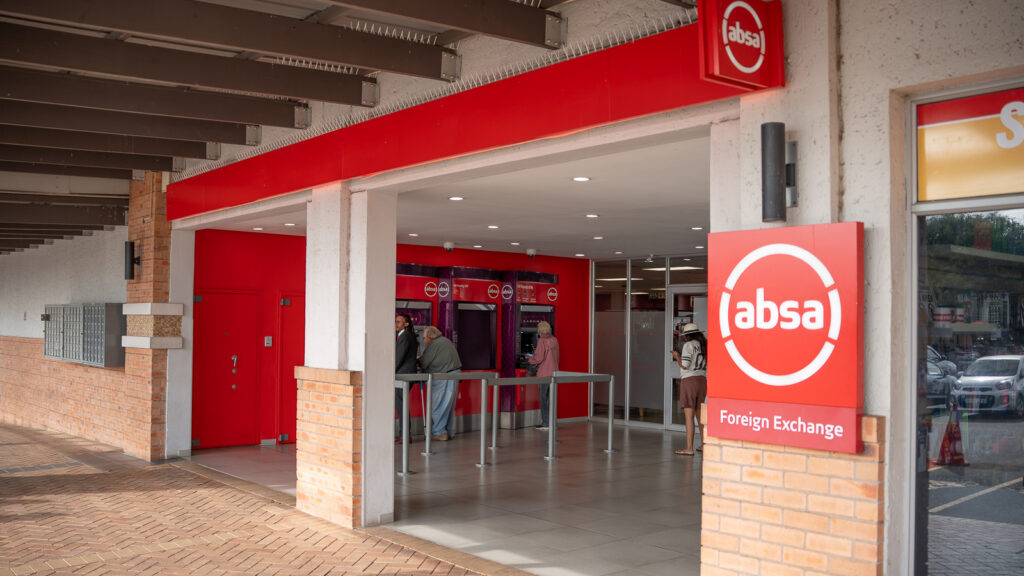
Absa has closed around 79 physical bank branches and more than 100 ATMs in South Africa as customers increasingly shift their banking activity to digital channels.
The changes form part of a broader restructuring of Absa’s physical banking network, driven by changing customer behaviour and declining use of branches for cash transactions.
This was highlighted in the group’s interim results for the six months ended 30 June 2026. The bank said its digital customer base continued to grow strongly during the first half of the year.
Across the Absa Group, the number of active digital customers increased by 14% year-on-year.
In South Africa, digitally active customers rose by 10% to 3.8 million, while the Africa Regions recorded a 21% increase to 1.6 million.
South Africa also recorded a 4% increase in active transactional customers, which Absa said highlighted “the role of digital capabilities in supporting customer engagement, driving transactional activity, and deepening customer relationships.”
The shift towards digital banking has had a direct effect on the bank’s branch network. Absa said that “evolving customer preferences and behaviour drove the transformation of the distribution network”.
It also noted a decline in branch cash transaction volumes, which contributed to the decision to reduce its traditional footprint.
Traditional branches fell by 18% to 359 during the period. This represents a reduction of approximately 79 branches from the previous reporting period.
The bank’s ATM network also declined by 2% to 4,976, equivalent to more than 100 fewer machines. At the same time, Absa increased the number of smaller Sales and Service outlets by 76% to 215.
These outlets accounted for 37% of the bank’s total network, compared with 22% in the previous reporting period.
The changes come as Absa’s customers continue to face pressure from higher living costs and elevated levels of household debt.
Absa’s financials
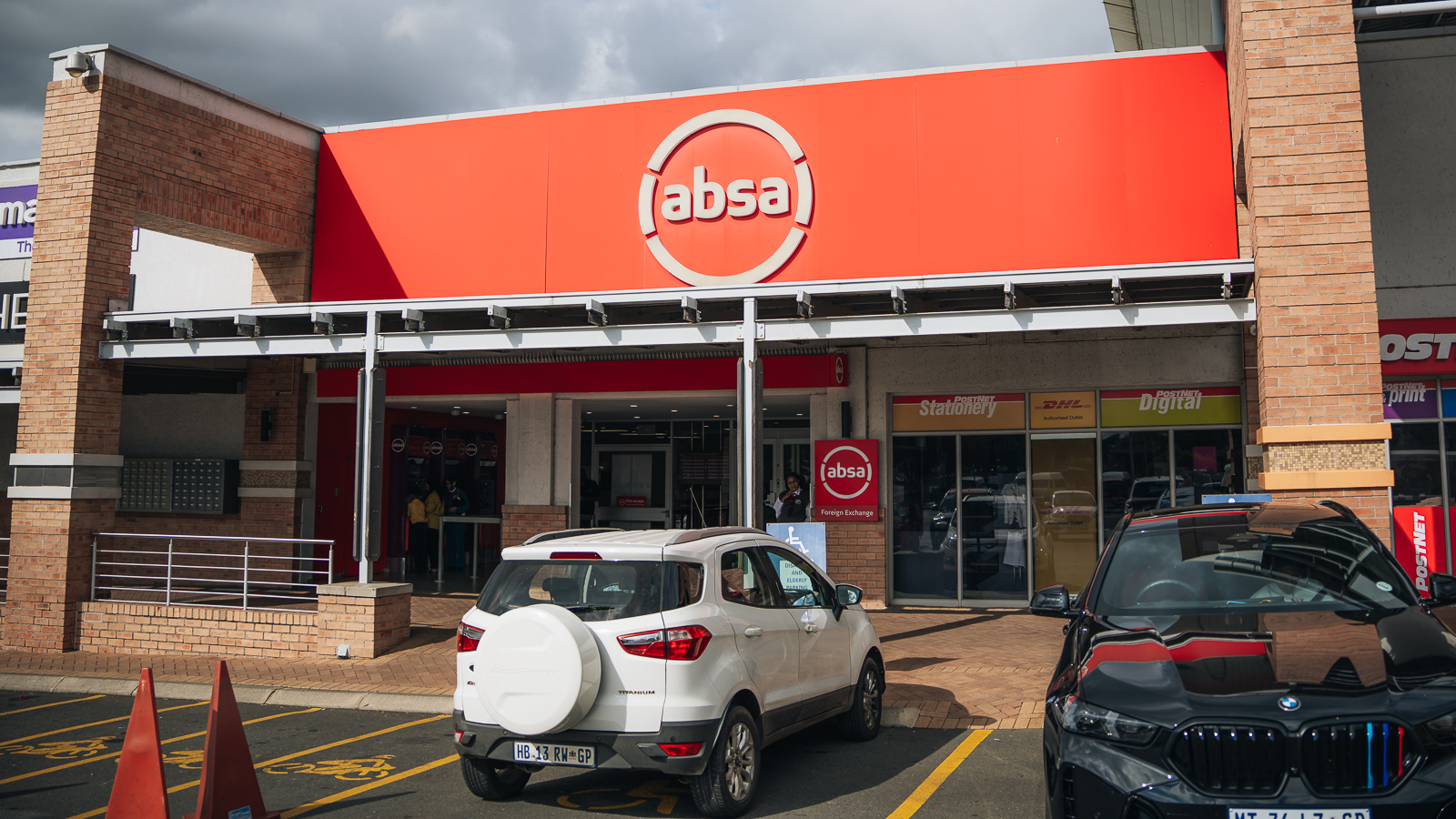
The bank said the operating environment remained challenging during the first half of 2026, with economic stabilisation seen towards the end of 2025, disrupted by renewed inflationary pressures linked to geopolitical uncertainty in the Middle East.
“Consumer inflation increased from 3.1% in March to 5.0% in June, largely driven by higher fuel prices,” Absa said. The South African Reserve Bank also raised the repo rate by 25 basis points to 7.0% in May.
Absa said these pressures meant that “consumer affordability remained constrained by elevated debt levels, modest real income growth and higher fuel and essential living costs.”
Some parts of the group were consequently under pressure. Personal Loans recorded a headline earnings loss of R38 million, which is unchanged from the previous year.
Credit impairments also increased by 5% despite the smaller loan book. In Corporate and Investment Banking, Transactional Banking headline earnings fell 13% to R1.508 billion, partly because of lower revenue and higher credit impairments.
Absa said pricing pressure in Working Capital Solutions and increased competition offset some of the benefits from higher transaction volumes.
CIB’s return on equity declined to 19.2%, from 20.6% a year earlier. In the Africa Regions, Business Banking headline earnings fell 18% to R346 million.
Additionally, net interest income declined due to lower policy rates, and credit impairments increased from a low comparative base.
Despite these pressures, Absa reported stronger overall group earnings. Headline earnings increased by 8% to R12.807 billion, from R11.874 billion in the first half of 2025.
Return on equity improved from 14.8% to 15.0%. The bank’s credit metrics also improved. Credit impairment charges declined by 1% to R7.099 billion, reducing the credit loss ratio to 0.94% from 1.00%.
Non-performing loans fell by 5% to R82 billion, reducing their share of gross loans and advances to 5.3%, compared with 5.9% a year earlier.
Absa’s board declared an ordinary dividend of 850 cents per share, up 8% from 785 cents in the first half of 2025, while maintaining a 55% payout ratio.
The group’s Common Equity Tier 1 capital ratio also strengthened to 12.8%, from 12.5%, which remained above regulatory requirements and around the upper end of the board’s stated target range of 11.0% to 12.5%.
| 30 June 2025 (Rm) | 30 June 2026 (Rm) | YoY Change (%) | |
|---|---|---|---|
| Total Income (Revenue) | R56,487 | R58,791 | +4% |
| Operating Expenses | -R30,044 | -R31,393 | +4% |
| Pre-Provision Profit | R26,443 | R27,398 | +4% |
| Credit Impairments | -R7,173 | -R7,099 | -1% |
| Headline Earnings | R11,874 | R12,807 | +8% |
| Dividend Per Share (DPS) | 785 cents | 850 cents | +8% |















 Loading ...