

Shutdown at major university will continue


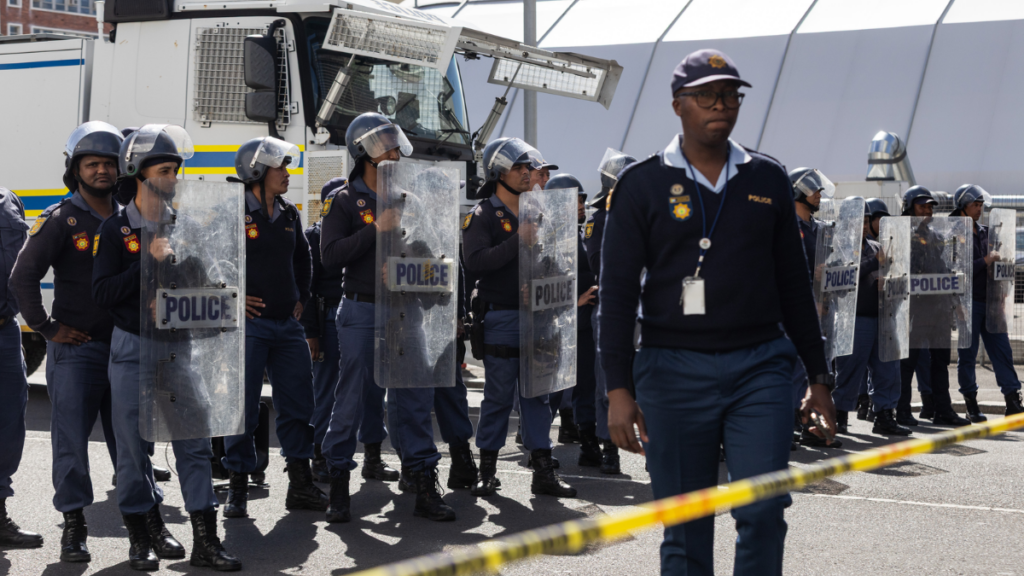
Student leaders at the Cape Peninsula University of Technology (CPUT) have stated that the university shutdown will continue unless management resolves their demands.
CPUT suspended all academic activity and shut down the university this week after student protests escalated into violence.
On August 20, 2026, the situation at CPUT escalated, leading to direct government intervention by the Department of Higher Education and Training.
Minister Buti Manamela requested that a team from the university education branch collaborate with CPUT to facilitate discussions between the university and student leadership groups.
Manamela sent a departmental team to facilitate discussions between student leaders and management in order to resolve the standstill.
Student leaders at CPUT are expected to update the students and media later today, explaining the way forward.
This intervention followed the university’s immediate shutdown due to an arson attack on its Bellville campus, which caused significant disruptions to teaching and learning.
The attack occurred amid ongoing student dissatisfaction with CPUT’s proposed financial plan for 2027.
The proposed plan included changes to the management of historical debt and addressed several other key issues, prompting student bodies to express their concerns in a memorandum sent to the university.
In a statement, the Department of Higher Education and Training condemned the attacks on the university and urged students to utilise proper channels for expressing their grievances.
“The Ministry condemns unequivocally the destruction of university property, violence, intimidation and any conduct that places students, staff and other members of the university community at risk,” said the Department.
“The Minister urges students to use legitimate channels through which to raise concerns affecting their access to higher education, affordability and living and learning conditions.”
The Department’s team has been dispatched to handle several functions, including:
- facilitate structured and constructive engagement between the parties;
- establish the verified facts underlying the respective grievances;
- identify matters that can be resolved immediately;
- assist the parties to agree to a clear and time-bound process for addressing outstanding matters; and
- support urgent efforts to restore learning, teaching and essential university services.
“The immediate priority is to bring the parties around the table, establish the facts and find a way forward that allows the academic programme to resume,” Manamela said.
“Students have a right to raise legitimate concerns about their access to higher education. Those concerns must be heard and addressed through constructive engagement.”
CPUT’s Draft Financial Recovery Plan
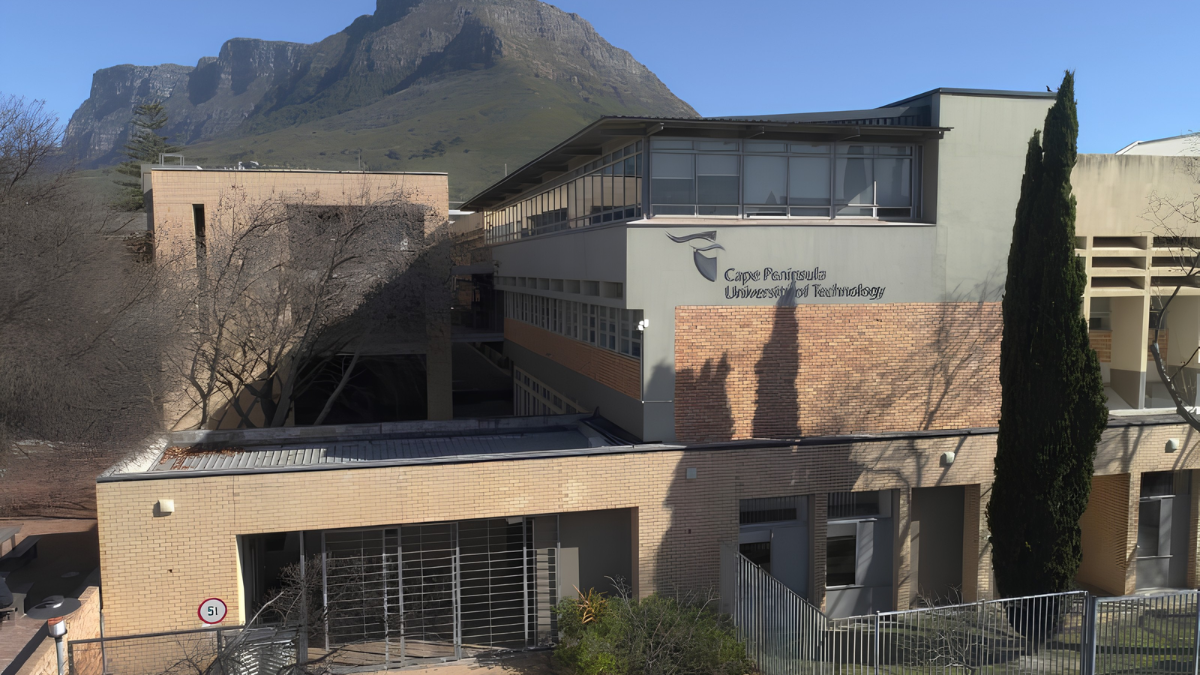
CPUT’s proposed financial recovery plan includes an initial payment of R3,500 for new students enrolling in the academic program, and an additional R3,500 for those residing in student accommodations.
This policy will apply only to self-funded students and will not affect students funded by NSFAS.
The changes will primarily impact new students and those pursuing postgraduate qualifications. These payments will be credited toward the students’ fees for the academic year.
According to GroundUp, many students have signed agreements to repay their debts in small, manageable amounts; however, they have not been honouring these arrangements.
CPUT media spokesperson Lauren Kansley said that management hopes the Council’s decision will help restore calm throughout the institution.
“In a Special Sitting of our Council yesterday evening, a decision was taken to withdraw the Draft Financial Recovery Plan (FRP) for 2027, so that further consultation can happen,” said Kansley.
“Council is the highest decision-making body of the institution, and the discussion around a minimum initial payment was taken at the behest of Council so that more robust financial planning happens,” she said.
Kansley stated that the vice-chancellor received the memorandum but raised concerns about how the handover was conducted.
According to GroundUp, she mentioned that management was open to engaging with student representatives; however, the situation became unsafe during the attempted handover.


















 Loading ...