

South Africa must get ready for the chop


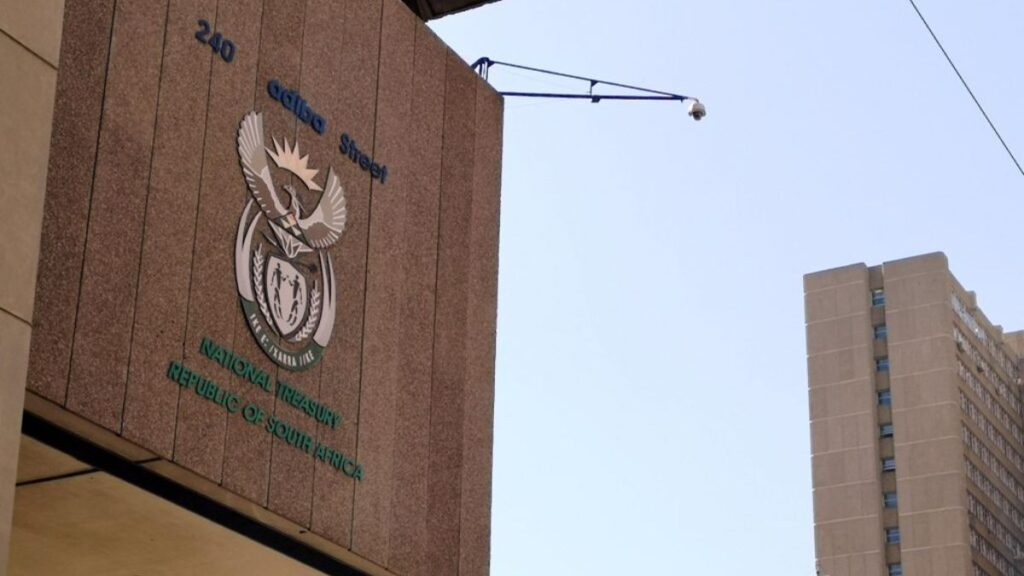
Investec is expecting South Africa’s GDP outlook for the year to drop by 0.6 percentage points, as rising fuel prices and international conflict have weighed on the country’s economy.
At the start of the year, South Africa’s government forecast a 1.6% GDP growth rate for 2026, an increase from the previous year.
In 2025, the country’s GDP growth reached 1.1%, below the average of other emerging markets such as Brazil and China.
While South Africa initially expected a strong increase in GDP growth, Investec treasury economist Tertia Jacobs said this number is likely to be revised lower.
“We forecast South Africa’s GDP growth at 1.0% in 2026, below Treasury’s previous estimate of 1.6%,” Jacobs said.
The forecast comes as Finance Minister Enoch Godongwana is set to present the country’s Medium-Term Budget Policy Statement (MTBPS) on Wednesday, 21 October.
She said this lower forecast is due to higher fuel prices and tighter monetary policy over the last year, along with a lack of investment.
“The economic outlook has weakened since the February Budget Review, as higher energy prices, tighter monetary policy and subdued investment continue to constrain growth,” she said.
The Monetary Policy Committee (MPC) has raised the country’s interest rates twice in the last year in response to higher inflation, largely driven by fuel prices.
Since the onset of the conflict in Iran, and the subsequent closure of the Strait of Hormuz, a key trade route, global oil prices have surged.
Oil prices have consistently exceeded $100 per barrel since the conflict started, leading to higher fuel prices for South African consumers.
Investec said the high fuel prices are a “significant concern” in South Africa, placing pressure on the country’s businesses and households.
“High international oil and refined-product prices are increasing pressure on households and businesses and contributing to inflation risks,” Jacobs said.
She said the upcoming MTBPS would likely address these pressures, but fuel levy relief may not be possible due to the cost of these measures.
“The MTBPS may clarify the cost of current fuel-levy reductions and outline the government’s approach to additional relief,” she said.
Previously, the National Treasury reduced the General Fuel Levy (GFL) to protect consumers from sudden fuel price increases, which cost roughly R17 billion in lost government revenue.
Still good news

While economic growth is expected to be revised lower, Investec said the upcoming MTBPS would likely still bring good news on the country’s fiscal discipline.
Jacobs said South Africa’s debt-to-GDP ratio is likely to have narrowed in the past year, outperforming the February forecast.
“We expect the main budget deficit to narrow to 3.2% of GDP in 2026/27, over the 3.7% projected in February,” she said.
“This indicates that fiscal consolidation is progressing, though debt reduction will likely remain gradual.”
Jacobs indicated that the upcoming MTBPS is likely to prioritise fiscal credibility while focusing on sustainable future growth.
She said it will likely emphasise “continued fiscal consolidation, resilient revenue collections, and stricter spending discipline.”
“Given weaker growth and higher inflation, the priority will be to maintain fiscal credibility while preparing for stronger, more sustainable medium-term growth,” she said.
Jacobs said investment in infrastructure, such as rail and logistics, would be crucial to ensuring future growth.
“Infrastructure investment and structural reforms, especially in rail and logistics, are essential for enhancing the economy’s growth potential, though significant benefits will take time to materialise,” she said.
Many economists are currently expecting the MTBPS to bring good news about South Africa’s financial health, with some hopeful that it will lead to credit rating upgrades from global agencies such as Moody’s and S&P.
South Africa is currently rated “junk status” by all three major credit rating agencies, with Moody’s the last to affirm the rating in 2020.
Since then, South Africa’s credit rating outlook has been revised upwards, with some economists hopeful that the country can reach investment grade by 2028.















 Loading ...