

Ramaphosa promises to cut municipal debt in South Africa by 30%


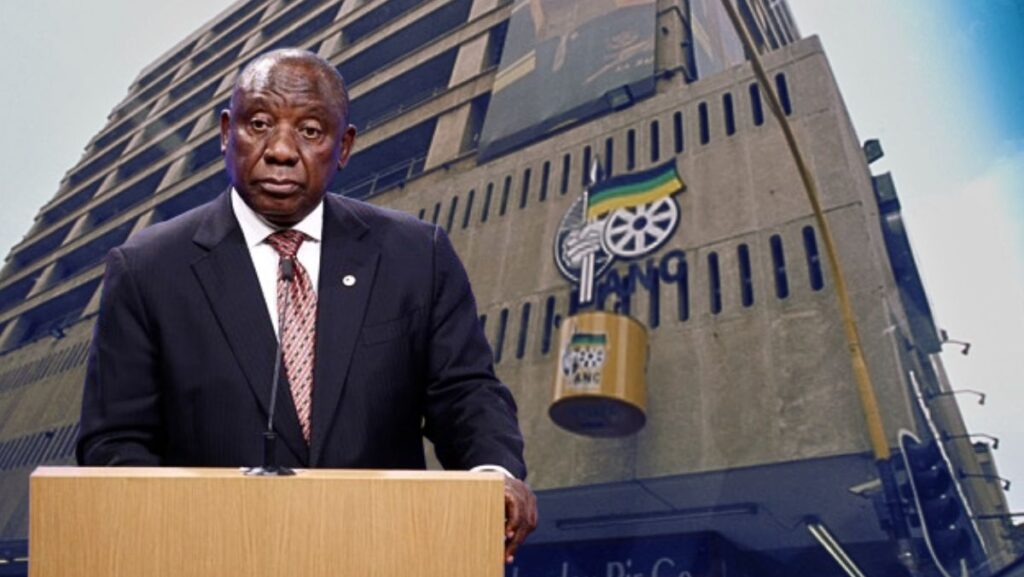
The ANC has launched its manifesto for the local government elections, aiming to reduce municipal debt owed to Eskom and the country’s water boards by 30% by 2031.
As with all election manifestos, the document is filled with political promises and ambitious targets.
To this end, ANC has also set a target for at least half of the municipalities to achieve clean or unqualified audit outcomes.
This means that these municipalities will have their finances in order and comply with financial regulations.
The party promised that municipal workers and suppliers who are compliant with regulations will receive timely payments.
This is aimed at ensuring that employees and contractors are paid on time, which can lead to improved morale and better service delivery.
According to ANC president, Cyril Ramaphosa—repeating previous manifesto pledges and election slogans—the party wants to “make local government work better for all”.
He made several promises:
- Water lights and services that work
- More jobs and investment where people live
- Safer streets
- Cleaner neighbourhoods
- Stable municipal finances
- Well-run municipalities
- Accountable and available leaders
Notably, none of these things has been delivered over the past few decades, with many of South Africa’s municipalities, including major metros, in various states of decline and collapse.
The National Treasury said that municipalities owed a combined value of over R161 billion by the end of 2025.
Out of this amount, Eskom was owed R110.5 billion, and the Department of Water and Sanitation and regional water boards were owed R30.7 billion.
Treasury has reportedly started using the portion of nationally raised revenue transferred to municipalities, known as the equitable share, as a compliance tool.
National Treasury withheld R13.5 billion in equitable share allocations from 69 municipalities that had failed to meet obligations.
These municipalities failed to meet obligations to Eskom, water authorities, SARS, the Auditor General and pension funds. Collectively, these municipalities owe R27.4 billion.
“There are still municipalities that passed unfunded budgets, do not invest adequately in maintenance, see projects incomplete due to corruption, and do not achieve clean and unqualified audits,” said Treasury.
To tackle the debt issue, the manifesto pledges to revamp the funding system. This includes a thorough review of the revenue model and its financial assumptions.
It also aims to diversify the municipality’s own revenue sources beyond the traditional electricity surpluses.
The goal is to implement a finance-follows-function model that supports the municipality’s needs.
Ramaphosa said that the ANC “has listened and we have heard”, promising that the next five years will be different.
“In the first three decades of our democracy, we had to build what did not exist for all citizens. Now all of us, working together, have to make what we built work better,” he said.
Joburg’s City Power resolves debt to Eskom
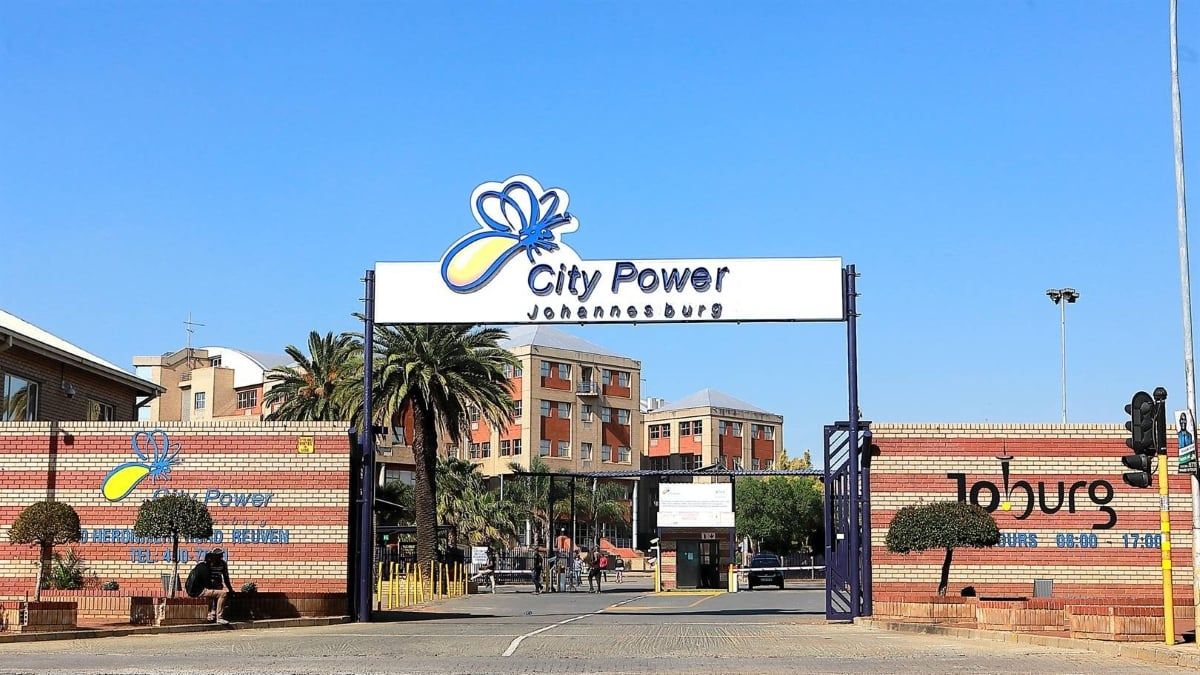
Eskom announced it has received the final payment from City Power, the City of Johannesburg’s electricity distribution company, fully settling its accumulated overdue electricity debt of R5,255,421,994.16.
“City Power has confirmed to Eskom that the current account in respect of July 2026, which falls due on 31 August 2026, of R1,860 379,885 will be paid on its due date,” Eskom said.
MyBroadband recently reported that Johannesburg settled its debt on Friday, August 21, and confirmed its commitment to paying all future current accounts by their respective due dates.
Junaid Munshi, Eskom’s group executive for distribution, said that the financial sustainability of Eskom and its ability to supply electricity at affordable prices depend on strengthening its balance sheet.
“Improving Eskom’s balance sheet meant increasing revenue and reducing expenses,” Munshi explained.
“We value the City of Johannesburg as a customer, and we remain committed to a stable working relationship for the benefit of its residents and, in turn, the economy, and our country.”
At the beginning of August, Eskom chairman Mteto Nyati announced that the municipal arrear debt owed to the power utility had reached R119 billion.
“Due to the entity settling the accumulated overdue electricity debt in full, Eskom has withdrawn the PAJA process,” Eskom said.
“Eskom will continue to collaborate with the City and all stakeholders to achieve a lasting solution that safeguards the financial viability and reliability of South Africa’s electricity supply industry.”















 Loading ...