

Woolworths buying its biggest supplier of 30 years, earning over R5 billion a year


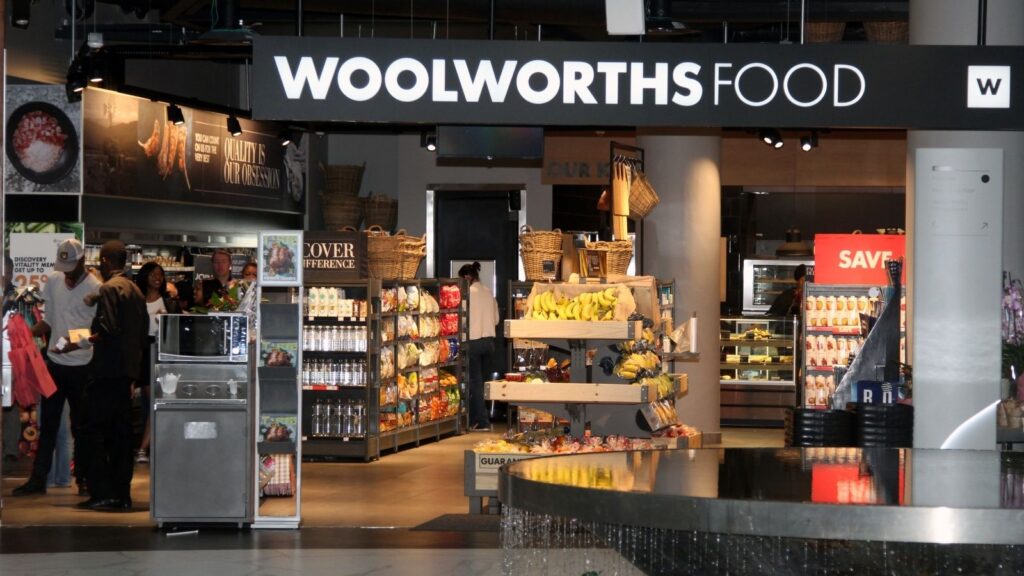
Woolworths has announced that all regulatory processes for its acquisition of In2Foods, a longtime supplier of the retail giant, are complete.
The company announced on the Stock Exchange News Service (SENS) that the conditions for its 100% acquisition of In2Foods had been completed.
“All regulatory suspensive conditions customary for a transaction of this nature, including the requisite competition authority approval, have been fulfilled,” Woolworths said.
“Completion of the Transaction is expected to take place in the coming month.”
The deal, which would see Woolworths purchase one of its longtime suppliers, was first announced in March 2026.
It was publicly announced on 17 March 2026, and officially filed with the Competition Commission the next day.
Following the announcement, the Commission recommended that the deal be approved, with conditions, at the start of September.
The conditions included a requirement that Woolworths continue purchasing from competing suppliers for a specified period.
“To address competition concerns, the acquiring firm shall continue to procure from competing suppliers for a set period of time after implementation of the merger,” the commission said in its recommendation.
The Commission also recommended conditions to protect employees, including that the company could not retrench workers following the acquisition.
“To address employment concerns, the merger parties shall not retrench any employees as a result of the merger for the duration of the moratorium period,” the Competition Commission said.
The deal between Woolworths and In2Foods was classified as a large merger by the commission due to the size of both companies.
The large merger classification was due to In2Foods being a major company in South Africa’s food industry, generating approximately R5 billion in annual revenue.
Woolworths and In2Foods have a long history, with the latter having supplied the retail giant since the 1990s.
Today, Woolworths is In2Foods’ largest customer and also supplies several local and international food groups.
A boost for Woolworths Food
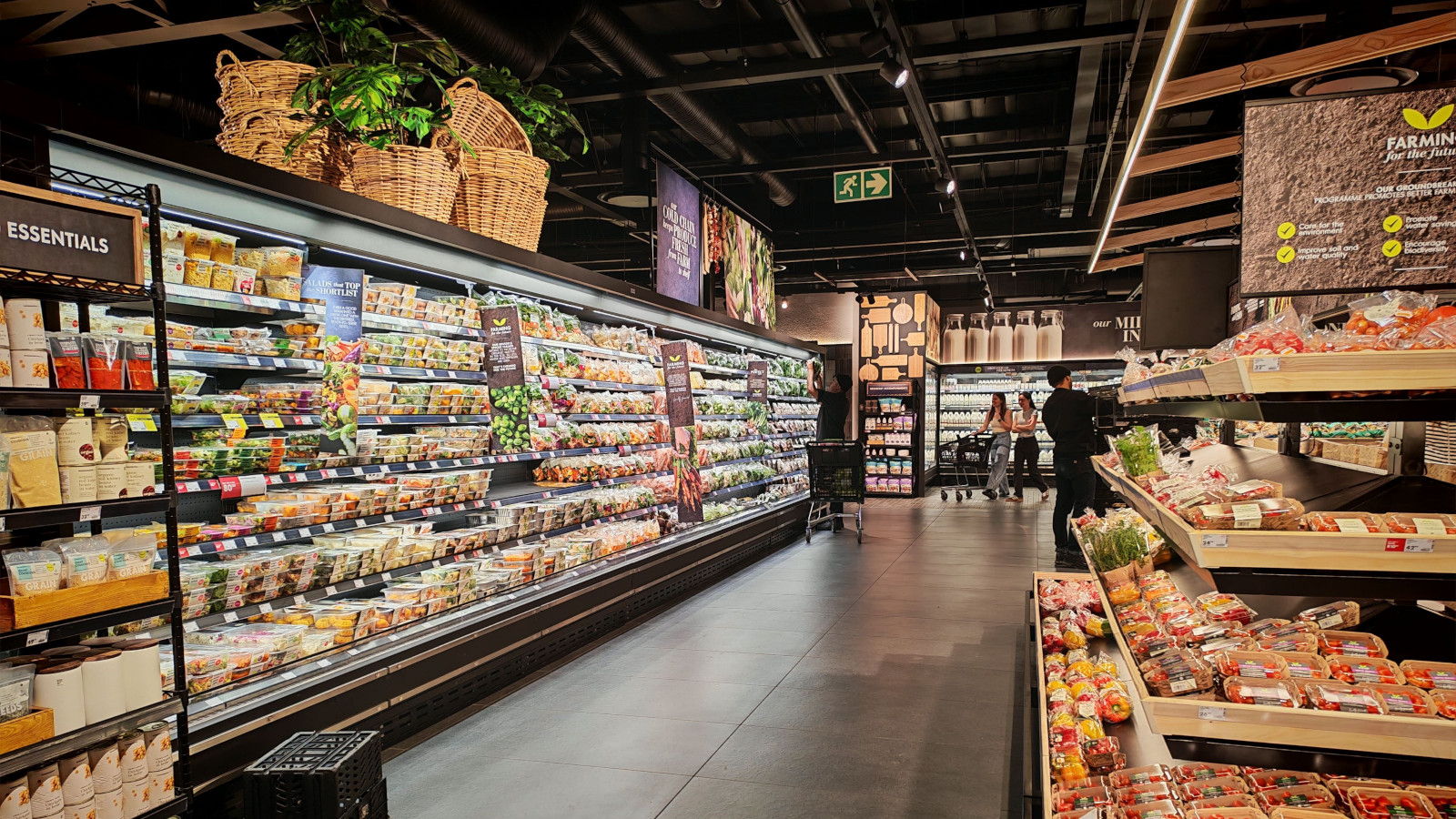
In its recent announcement, Woolworths explained its rationale for the transaction and said that it would strengthen its food business.
It said that its food segment is its primary growth engine and is the “strongest source of competitive advantage”.
“The Transaction supports the Group’s focus on prioritising growth in Woolworths Food, strengthening differentiation, unlocking new revenue streams and directing capital with greater discipline towards areas where WHL has the right to win and potential to create value,” the company said.
It said the longstanding relationship between the two companies made the acquisition a natural next step for its business.
It described the transaction as “a natural extension of Woolworths’ premium food ecosystem.”
Following the transaction, Woolworths will own 100% of In2Foods, making it a wholly-owned subsidiary of the retail giant.
Despite this, Woolworths said In2Foods would operate as a standalone business within the group’s larger ecosystem.
“On completion of the transaction, in2Food will continue to operate as a standalone business within Woolworths,” the company said.
“It is envisaged that the current senior leadership team will remain in place, ensuring continuity of operations and preserving the entrepreneurial culture that has contributed to the business’s success.”
Woolworths said it expects the acquisition to positively impact its earnings per share, justifying the purchase to shareholders.
“Financially, the transaction is expected to be earnings-accretive to the company, with further benefits
anticipated as efficiencies are realised over time,” it said.
The company identified several ways the acquisition would benefit its business model, including diversifying its product portfolio and improving operating efficiency.
“The transaction strengthens Woolworths Food’s supply chain resilience and further differentiates its premium offering,” it said.
“Greater integration will increase agility and efficiency across the supply chain, improving speed-to-market and responsiveness to changing customer needs.”
















 Loading ...