

Rand breaks through R16 to the dollar


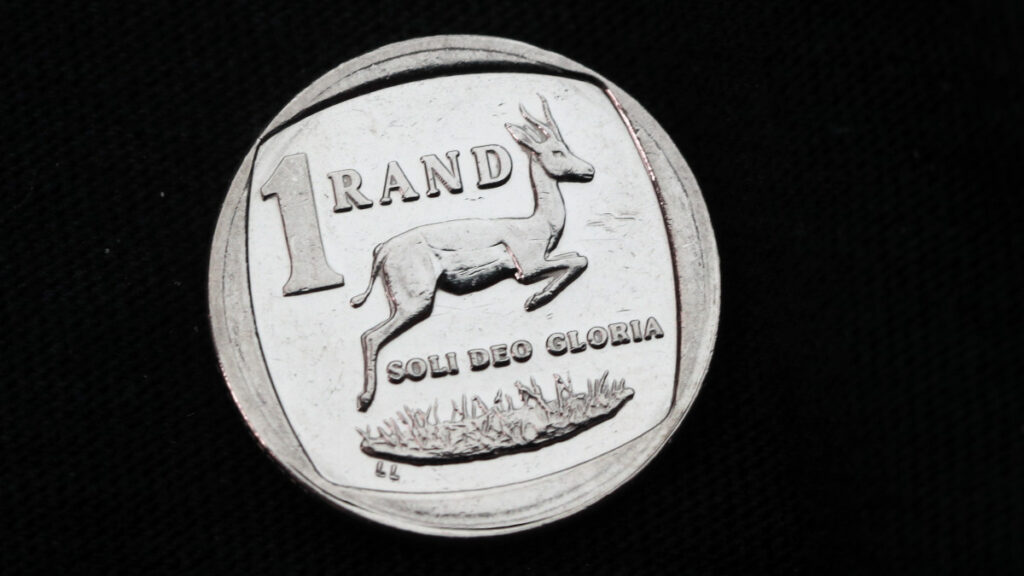
The rand broke through the critical R16/$ resistance level on Monday, touching R15.99 to the dollar for the first time in almost 6 months.
While this is not a complete reversal of the pain the unit suffered due to the onset of the United States-Iran War at the end of February, it is a strong signal to markets.
According to Investec Chief Economist Annabel Bishop, the rand’s current levels reflect a marked endorsement from investors, who have expressed greater confidence in the country.
“It is not unexpected that the rand has reached R16.00/$,” she said, adding that further strength would require marked momentum to drive it below this level sustainably.
To this point, the unit quickly pushed back to R16.00/$ after the sub-R16 breach.
Bishop noted that the rand’s strength has been helped along by the weaker dollar, with the greenback weakening since the end of July.
Markets have reacted to the US Federal Reserve’s indications that interest rate hikes in the world’s largest economy are dissipating,
Concerns have also been raised about the level of US borrowings, with exceptionally high levels of global debt, and US debt at $40 trillion, rising from near $20 trillion over the past ten years.
More recently, corporate borrowing has jumped amid the tech companies’ AI investment boom, Bishop noted, while the oil price shock has also placed pressure on corporate and government finances, increasing debt and lifting investor concerns.
“As global borrowing costs have risen as borrowing has, South Africa has seen foreign interest rise in its debt—R21 billion in last week alone, R63.7 billion this year,” she said.
This has seen SA bond yields stabilise in the main, and so too the rand, despite the oil price shock.
During previous marked global economic and/or financial market shocks, South Africa would have seen substantial rand weakness, higher bond yields, and a foreign sell-off of equities, Bishop added.
“This time, there is a lot more stability.”
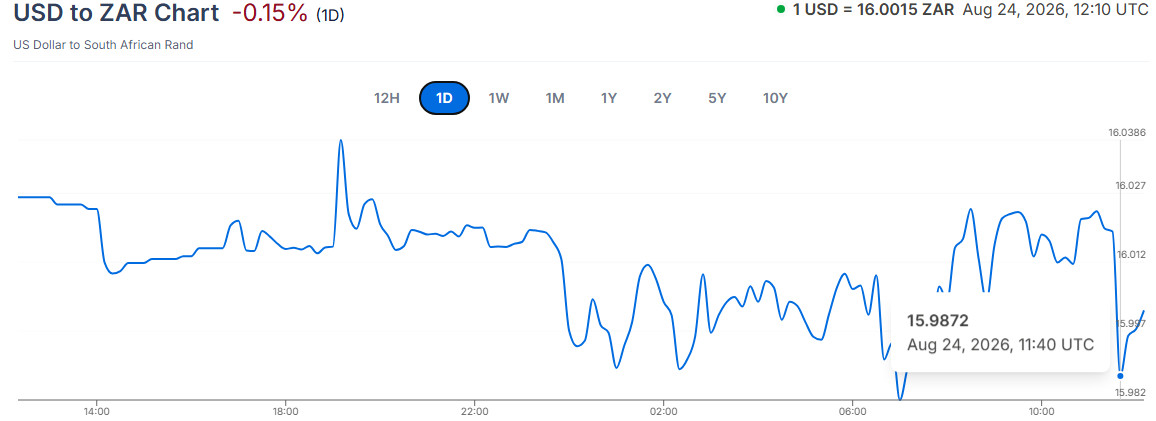
The rand has also been supported by the recent rise in the gold price, with PGMs still South Africa’s main commodity export.
The gold price has risen from $4,040/oz since the end of July to $4,641.9/oz, aiding the rand’s recent strengthening from near R16.50/USD at the end of last month, and has also benefited the trade-weighted rand on global exports.
Platinum prices have seen the same lift, at $1,887/ozt from near $1,600/ozt at the end of last month, Bishop pointed out.
July also saw gold and platinum prices rise, although markedly less than in August to date, still aiding the trade surplus.
“The gold price has lifted as investors’ concerns have increased about global debt levels, which in turn has seen some move into gold as a safe haven investment, and also on concerns over US inflation,” she said.
In Investec’s base-case scenario projections, the rand is expected to continue strengthening, averaging R15.90 in the final quarter of the year, before moving towards R15.70 in the first half of 2027.

















 Loading ...