

Another blow for South Africa’s ports


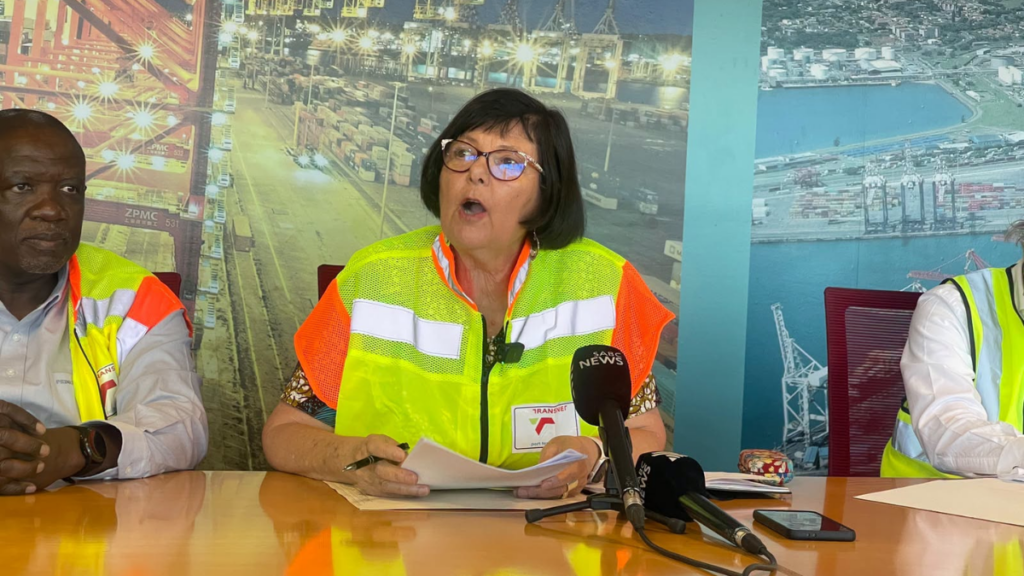
South Africa’s Minister of Transport, Barbara Creecy, recently met with the management from the International Container Terminal Services (ICTSI) about severe vessel delays at the Durban Gateway Terminal.
ICTSI and Transnet are the operators of the Durban Gateway Terminal, which is South Africa’s busiest container terminal.
The contract to operate the facility, which manages almost half of the country’s container traffic, was delayed due to a lawsuit filed by A.P. Moller-Maersk.
The lawsuit questioned the bidding process used for the contract.
According to Creecy, in a recent phone interview from Durban, the average anchorage time for vessels using the terminal has approximately doubled to nearly six days since ICTSI took over.
This increase is primarily attributed to the implementation of a command-and-control Navis terminal operating system and the delays in refurbishing or replacing some loading equipment.
Creecy said that the ICTSI needs to improve its public communication and called on its management to produce a clear plan to reduce the backlog and improve cargo movement.
“In the long term, this is what’s going to give us the volumes that we want,” Creecy said.
“But the real issue is, in the meantime, when you’re dealing with the teething problems, how are you responding to your customers?” she said, referring to ICTSI’s communication.
The delays have caused severe supply chain backlogs, rising financial pressure and disruptions across South Africa’s logistics network.
The Cape Chamber of Commerce reported that the delays have caused ships to bypass Durban, which has caused disruptions to other South African port operations.
Creecy said that the Durban Gateway Terminal is investing R737 million to upgrade equipment and increase capacity by 40%, to 2.8 million twenty-foot equivalent units (TEUs) by 2030.
The effect on the Mother City
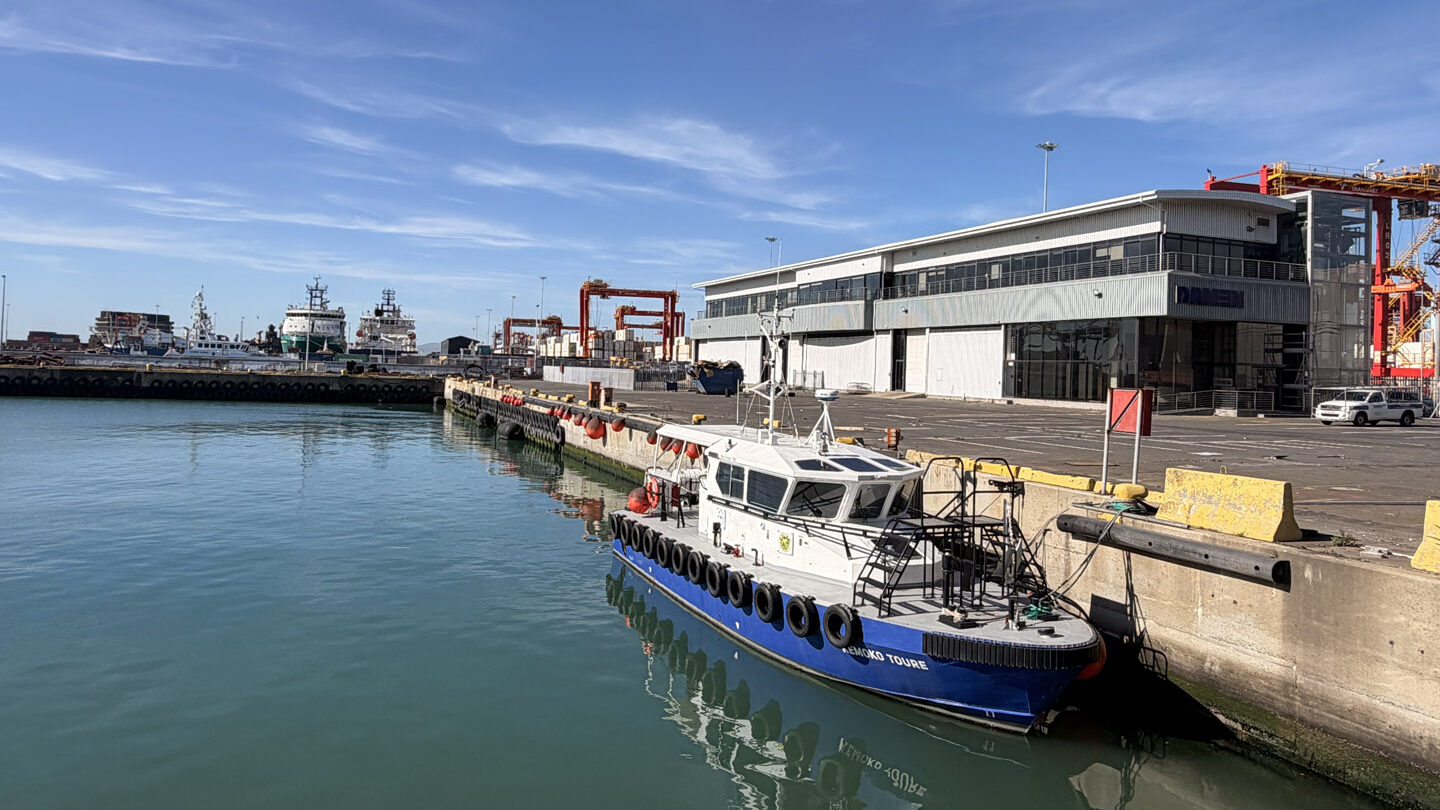
The Cape Chamber of Commerce revealed that operational delays at the Port of Durban are affecting operations at the Port of Cape Town, causing further frustration among local exporters.
It said that regional shipping schedules across South Africa’s port network are being disrupted, which is directly influencing Cape Town’s berth availability and equipment allocation.
“The impact of the delays at Durban Gateway Terminal is having a huge impact on our port,” said Exporters Western Cape Chairman Terry Gale in a note to Exporters Western Cape (EWC) members.
“Look at the number of vessels alongside both Cape Town Container Terminal (CTCT) and Cape Town Multi-Purpose Terminal (CTMPT) is proof of this,” said Gale.
Gale raised questions about why Cape Town had to suffer because of this, stressing that the Transnet National Ports Authority (TNPA) is aware of its concerns.
“EWC brought this question to the weekly stakeholders and the Port Liaison Forum yesterday – TNPA is acutely aware of our concerns,” he said.
The Cape Chamber of Commerce reported that in addition to this, the low global container port ranking has caused reputational damage to Cape Town port stakeholders.
However, Gale said that the performance of Cape Town Port has shown improvements as of late, despite the negative publicity.
The Cape Chamber of Commerce said that in order to address these cascading systemic challenges, it will continue to represent business interests and promote operational solutions through its engagement in the Cape Town Port Liaison Forum.
The ICTSI responds
“Durban Gateway Terminal (DGT) continues to engage closely with key stakeholders as operations progress through the recovery phase, with a focus on sustaining improvements in terminal performance and addressing areas that require continued attention.
As part of this ongoing engagement, DGT will hold sessions with landside, waterside and trucking associations to provide regular updates on terminal performance, recovery initiatives and operational developments.
These engagements will provide stakeholders with greater visibility of progress and create a structured platform to identify and address emerging operational challenges.
DGT acknowledges the challenges experienced by some port users. The operational situation has stabilised and continues to improve, with Navis N4 stable and supporting stronger operational control.
DGT will ensure that affected stakeholders are included in regular engagements and provided with relevant operational data to demonstrate the steady progress being made in restoring fluidity, improving service levels and strengthening operational reliability.
As part of its ongoing improvement programme, DGT is progressing plans to replace its current truck appointment system with a modernised digital solution, Navigate.
The platform is intended to provide better planning, visibility and flow management for transport operators, while addressing a number of limitations in the current appointment system.
Further details on the implementation and rollout of Navigate will be communicated to stakeholders as the programme progresses.
DGT remains focused on sustaining the recovery and building on the operational improvements already achieved.
Through continued stakeholder collaboration, operational discipline and the implementation of its terminal modernisation programme, DGT is working to strengthen resilience, enhance the customer experience and deliver increasingly reliable and efficient terminal operations.”

















 Loading ...