

Triple win for South Africa turns into four as China signs new zero-tariff trade deal


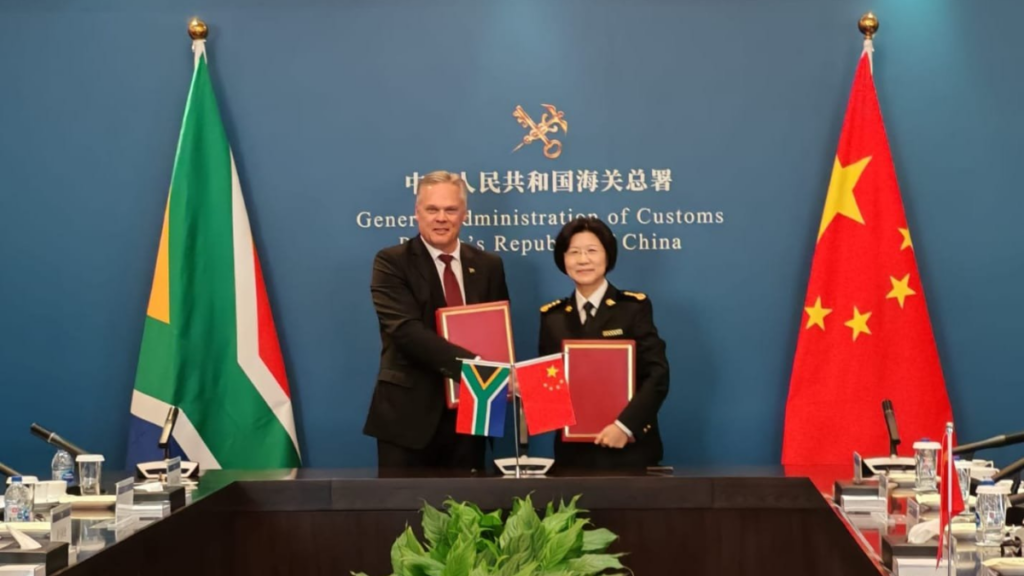
Agriculture Minister Wille Aucamp has signed a major protocol that grants South African cherry producers zero-tariff access to the Chinese market for the first time.
The protocol was signed during the ninth Sanitary and Phytosanitary (SPS) Ministerial Meeting held in Beijing.
Aucamp described the deal as groundbreaking, marking “the first time that two market access protocols have been signed with China within a year”.
This agreement grants South Africa 0% tariff access to the Chinese market for cherries. The signing of the protocol is expected to bring significant economic benefits to South Africa.
China is the world’s leading importer of cherries, and imported about 586,900 tons in 2025, valued at about US$3.3 billion, which is around R52.8 billion.
Aucamp said that opening the Chinese market for cherries is expected to stimulate further investment in production, creating around 600 new job opportunities.
During the ministerial session, Aucamp highlighted the strong bilateral partnership between the two countries and praised China’s role in promoting two-way trade in agricultural products.
Aucamp engaged with Zhang Zhu, the Minister of Agriculture and Rural Affairs, where both ministers reaffirmed their countries’ commitment to collaborate on mutually beneficial areas.
They discussed biosecurity, particularly Foot and Mouth Disease, and explored opportunities to expand market access for South African agricultural products.
Aucamp met with representatives from Chinese fruit importers at the South Africa-China Fruit Trade Business Forum, which was organised by FruitSA.
“There is more to come between South Africa and China now that the negotiations to grant market access for South African blueberries to China are at an advanced stage,” he said.
China has also submitted a draft protocol for the import of blueberries for South Africa’s consideration.
Aucamp has asked the teams in South Africa to expedite the coordination of inputs and negotiations, aiming to finalise the protocol before the end of the year.
“The scientific aspects have now also been cleared. Exports won’t take everything away from the domestic side,” said Agricultural Business Chamber of South Africa (Agbiz) Chief Economist Wandile Sihlobo.
“We will have volume for domestic consumption and for exports. The export avenue will also ensure that the South African cherries industry continues to grow in the long term.”
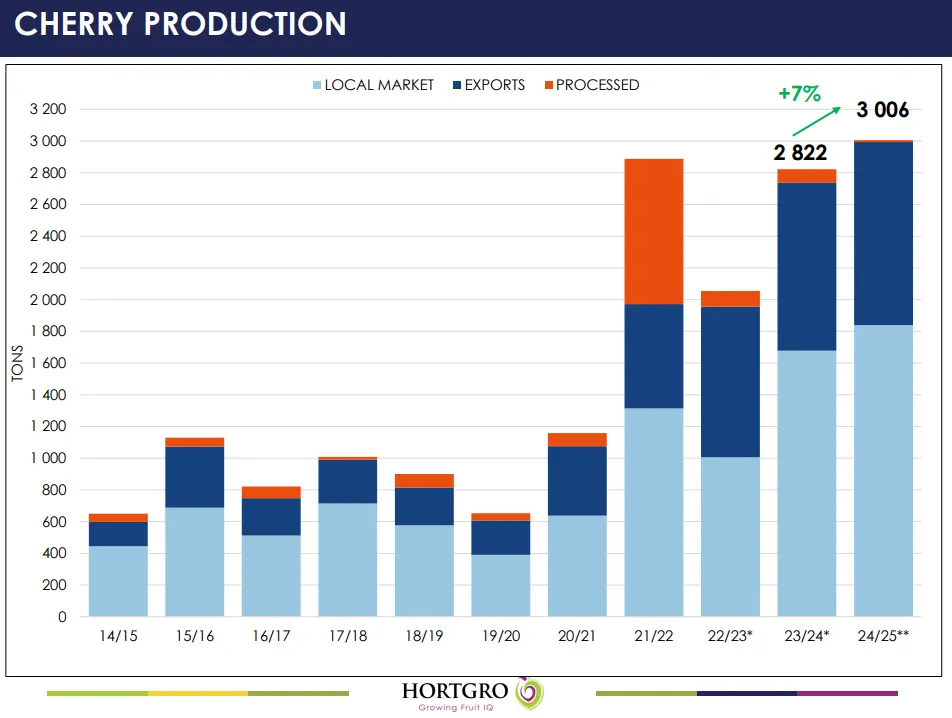
Sihlobo said this year’s harvest starts next month, and although South Africa is still a small player, with a harvest of around 3,006 tonnes, South Africans can expect to see affordable cherries in stores.
Triple win for South Africa
The latest deal with China marks the fourth major win for South Africa’s agriculture sector in as many weeks.
Last week, the Department of Agriculture announced a major breakthrough in export negotiations with Egypt, opening up its market to South Africa’s red meat.
Before that, the department broke a 10-year deadlock with India over citrus exports, and in the interim, the United States officially extended the African Growth and Opportunities Act (AGOA).
According to Aucamp, the latest development with Egypt is a significant boost for the red meat sector, which has been beaten down by a massive Foot and Mouth Disease outbreak.
Regarding citrus imports, India finally agreed to include additional treatment options for fresh citrus fruit from South Africa, potentially opening up a market of almost 1.5 billion people.
The extension of AGOA is slightly murkier, as questions remain whether South Africa will still be eligible for the programme’s benefits when the next phase kicks off from January 2027.
Nevertheless, the country remains on the list of 32 countries that benefit from market access to the United States for now, and its agriculture sector is one of the biggest winners.
AGOA has been extended to December 2028. While this is still too short a time to stimulate significant investment in the sector—which requires a longer-term commitment—the short-term benefits are still substantial.


















 Loading ...