

Jacob Zuma’s R246 million compound is falling apart, and expects taxpayers to fix it


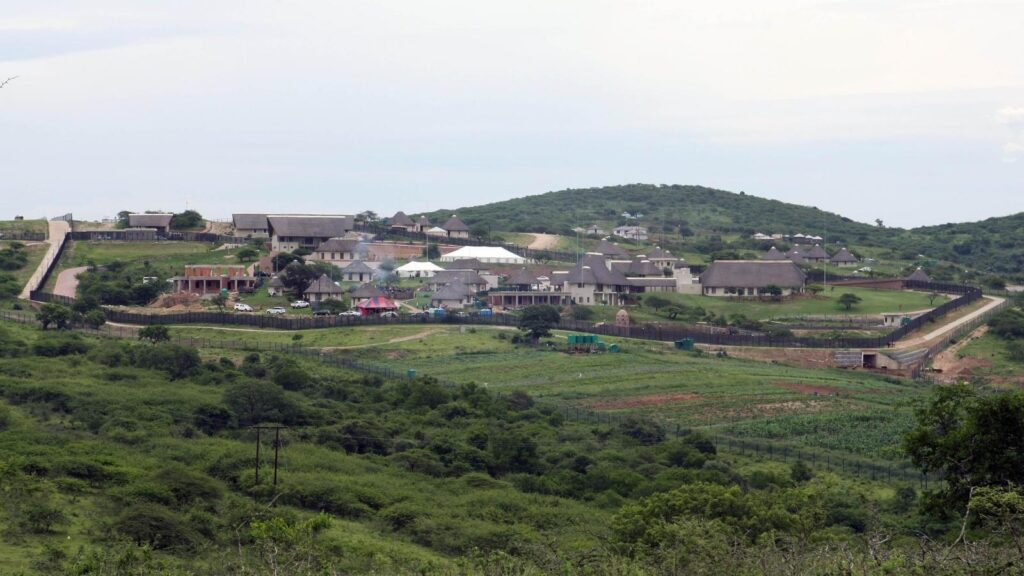
Former president Jacob Zuma’s controversial Nkandla homestead is reportedly deteriorating, and his party, uMkhonto weSizwe Party (MKP), wanted taxpayers to fix it.
However, the government said taxpayers will not be responsible for maintaining the private property or the non-security facilities built there at public expense.
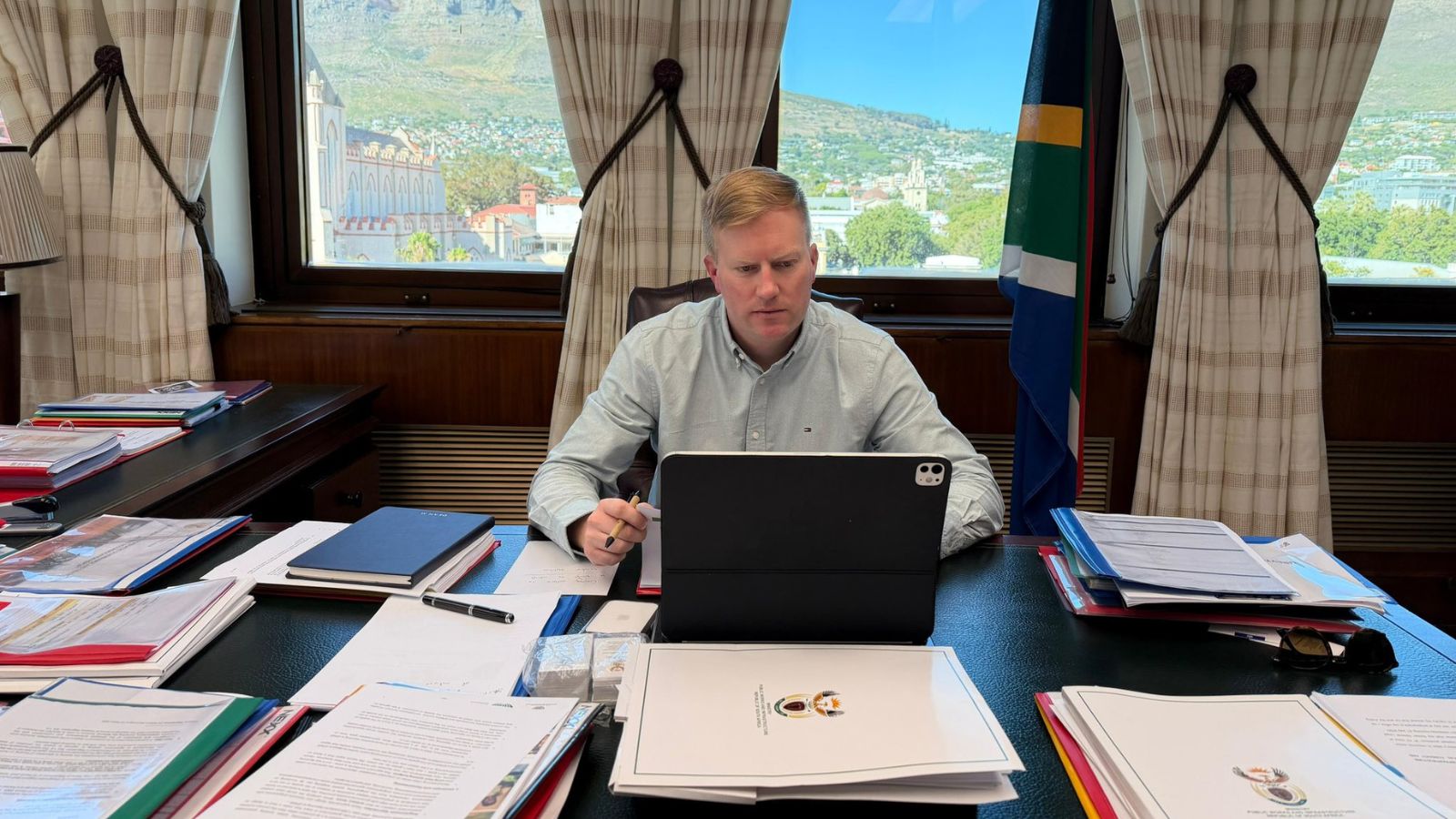
Public Works and Infrastructure Minister Dean Macpherson made the position clear in response to a parliamentary question from MKP MP Pumlani Kubukeli.
Kubukeli asked whether the department was aware that Zuma’s private residence in Nkandla, KwaZulu-Natal, had deteriorated significantly.
Kubukeli blamed the deterioration on the failure of the Department of Public Works and Infrastructure to carry out regular maintenance.
He also questioned why the property was not receiving ongoing maintenance despite its status as a National Key Point, and asked whether the situation warranted intervention by President Cyril Ramaphosa.
Macpherson rejected the suggestion that his department should maintain the wider property.
“It is not our responsibility to maintain chicken coops, cattle kraals, amphitheatres, swimming pools, visitor centres or any other non-security upgrades that took place at Nkandla,” he said.
He said the department’s responsibilities were limited to security-related infrastructure and facilities required to support the protection of former presidents.
“It is not the Department of Public Works and Infrastructure’s responsibility to maintain non-security upgrades that took place at Nkandla,” Macpherson said.
“The State is strictly responsible for security features and the housing of security personnel. Normal maintenance and basic upkeep of the private residence itself fall outside the State’s mandate.”
The dispute goes back to the controversial security project at Zuma’s home after he became president in 2009.
The Zuma family had undertaken renovations at the rural property before his presidency, after which the state carried out security assessments and began installing protective infrastructure.
What began as a security project with an initial estimate of about R27 million eventually grew significantly.
Department not responsible
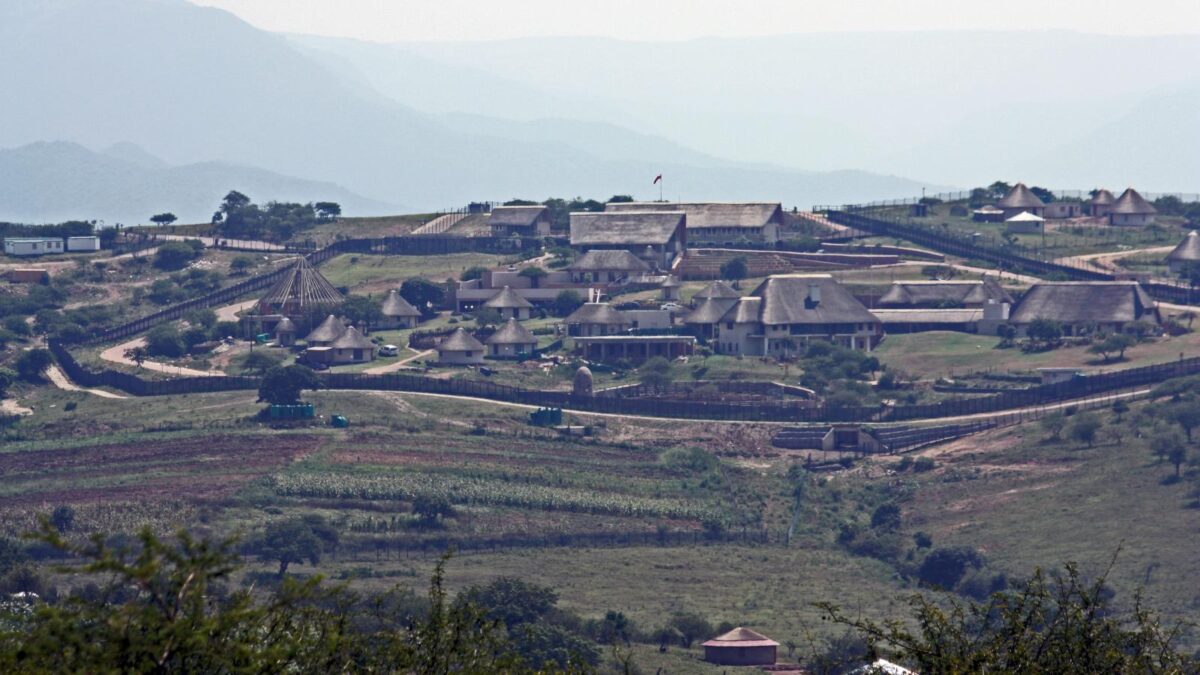
By the time the Public Protector completed her investigation in 2014, R215.4 million had already been spent, while the total cost was conservatively estimated at R246.6 million, excluding lifetime maintenance.
The upgrades included legitimate security infrastructure, but also facilities that became central to the controversy.
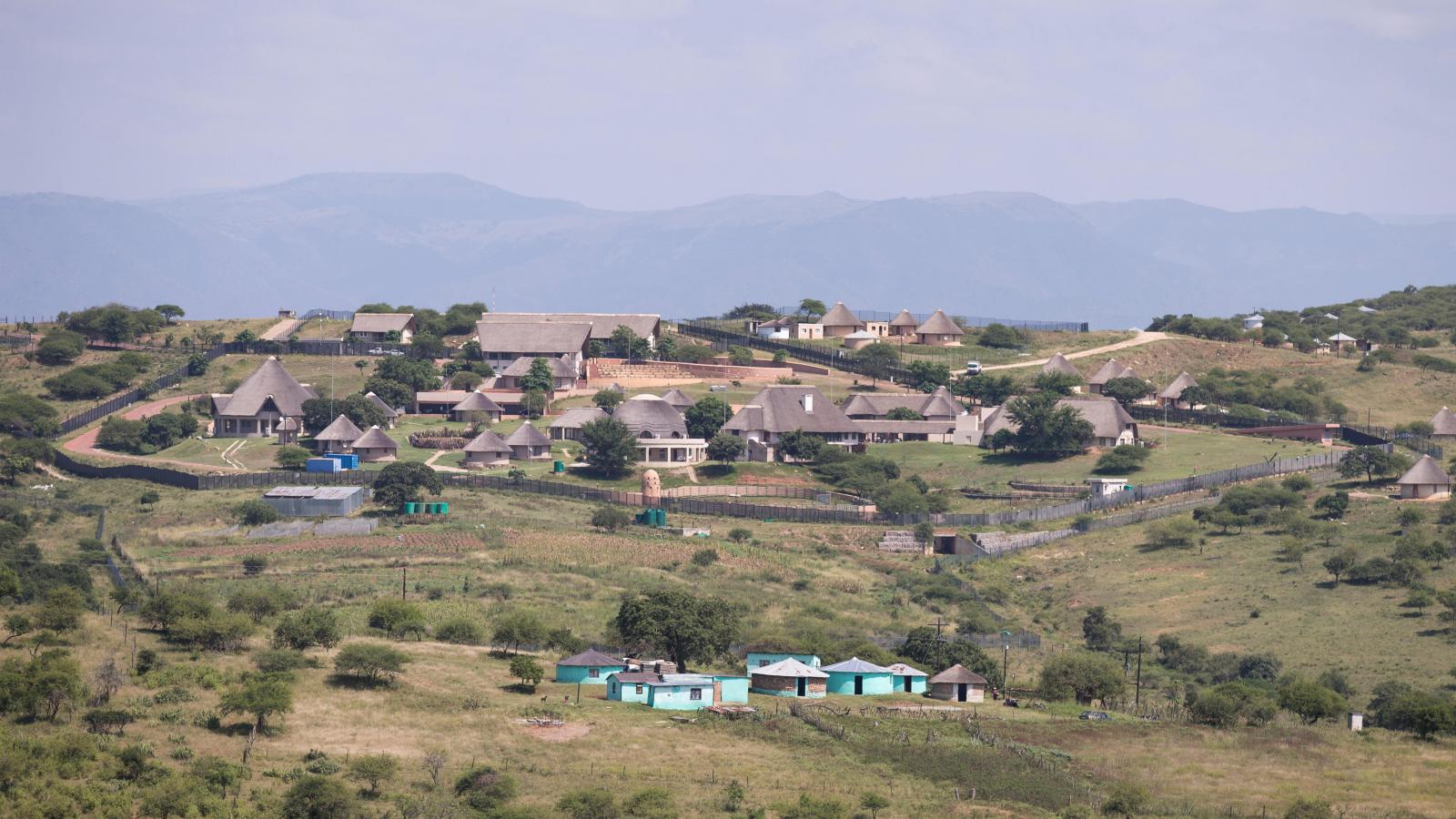
This included a swimming pool described by the state as a fire pool, a visitors’ centre, an amphitheatre, a cattle kraal and a chicken run.
Public Protector Thuli Madonsela’s 2014 “Secure in Comfort” report found that several of these features went beyond what was reasonably required for Zuma’s security.
She said the state-funded additions had also increased the value of Zuma’s private property.
The Constitutional Court later confirmed that the cattle kraal, chicken run, swimming pool, visitors’ centre and amphitheatre were non-security features for which state funds should not have been used.
The court also held that the Public Protector’s remedial action was binding.
Zuma subsequently paid R7.814 million to the South African Reserve Bank in September 2016 after the National Treasury determined the amount payable in respect of the non-security upgrades.
In August 2026, the Special Tribunal ordered former project architect and principal agent Minenhle Makhanya to pay the National Treasury R147.27 million in compensation for losses linked to unlawful conduct during the project.
The SIU said the amount represented financial losses suffered by the state. The SIU also confirmed that the R7.8 million Zuma had repaid would be deducted from the amount deemed recoverable from Makhanya.
Macpherson said the department was aware of its obligations concerning the maintenance of security installations at the private residences of former presidents.
“Maintenance work at the private residences of all former Presidents is limited to security installations,” he said.
“How the former President wishes to maintain his property is entirely within his discretion and not the responsibility of the State,” Macpherson said.
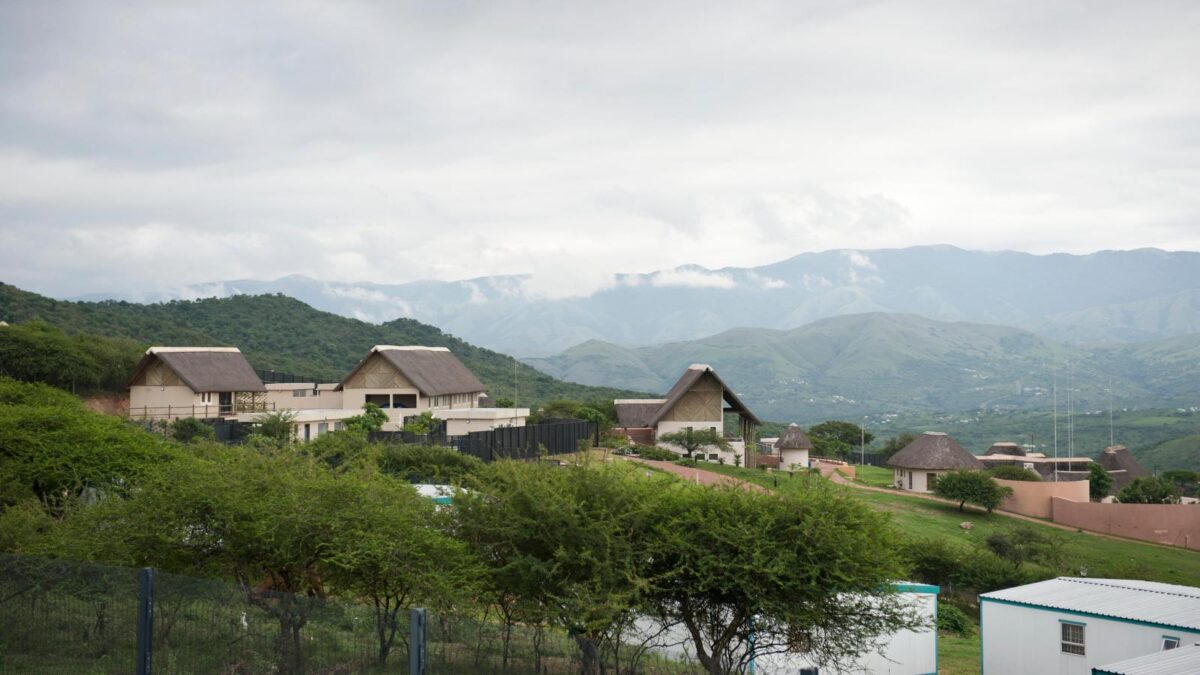
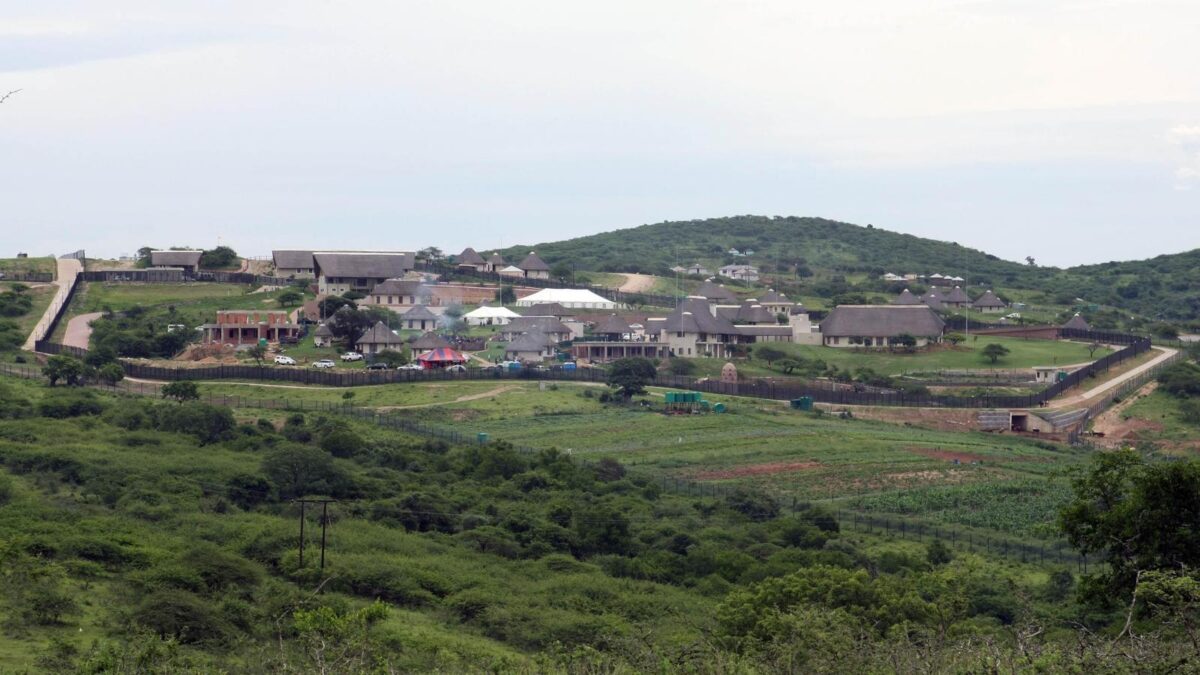
Jacob Zuma’s private home in Nkandla











 Loading ...