

South Africans told to prepare for the worst-case scenario with the United States


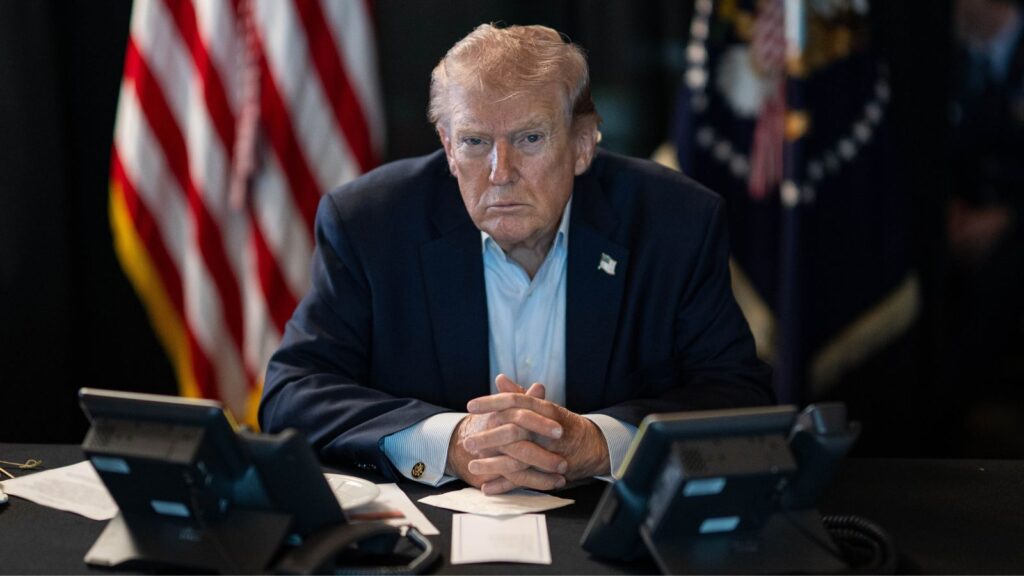
Minister of International Relations, Ronald Lamola, says that the South African public should prepare themselves for the worst-case scenario with the United States.
This is because the Trump administration is demanding that South Africa surrender its sovereignty over key policies, which the government will not do.
Speaking to the SABC, Lamola said that “the South African public needs to prepare for the worst-case scenario, because the reality is that we are expected to surrender our sovereignty.”
He said that the United States has made demands regarding Black Economic Empowerment, land expropriation (including the issue of nil compensation), and foreign policy.
These are “issues that belong to the sovereignty of the South African public and South African institutions,” the minister said.
He added that South Africa is more than capable of determining and handling these policies.
“These are issues of serious contestation with the United States, and we are of the view that they belong to the South African public.”
Lamola was responding to the United States’ move on Wednesday, 16 September, to impose visa sanctions on the country.
US Secretary of State Marco Rubio announced that the visas of certain individuals, and possibly their families, would be restricted and denied entry into the country.
Specifically, this would target any “who are responsible for, or complicit in, the enactment or implementation” of policies the US deems “egregious”.
This includes uncompensated land seizures, race-based discrimination, and the incitement of imminent violence against “members of minority ethnic or racial groups in South Africa”.
US Ambassador to South Africa Brent Bozell said that the visa restrictions were just the first step, with ‘severe’ consequences to follow.
Responding to the sanctions soon after they were announced, Lamola said that the United States was acting on misunderstandings and the mischaracterisation of South Africa’s policies.
Echoing that response, the minister has now stressed that South Africa is a constitutional democracy and that the laws and policies in place have been adopted through the democratic process.
“While we remain optimistic about engaging with the American government, we also have to ensure that the sovereignty of the South African Constitution remains sacrosanct,” he said.
Mixed messages about South Africa
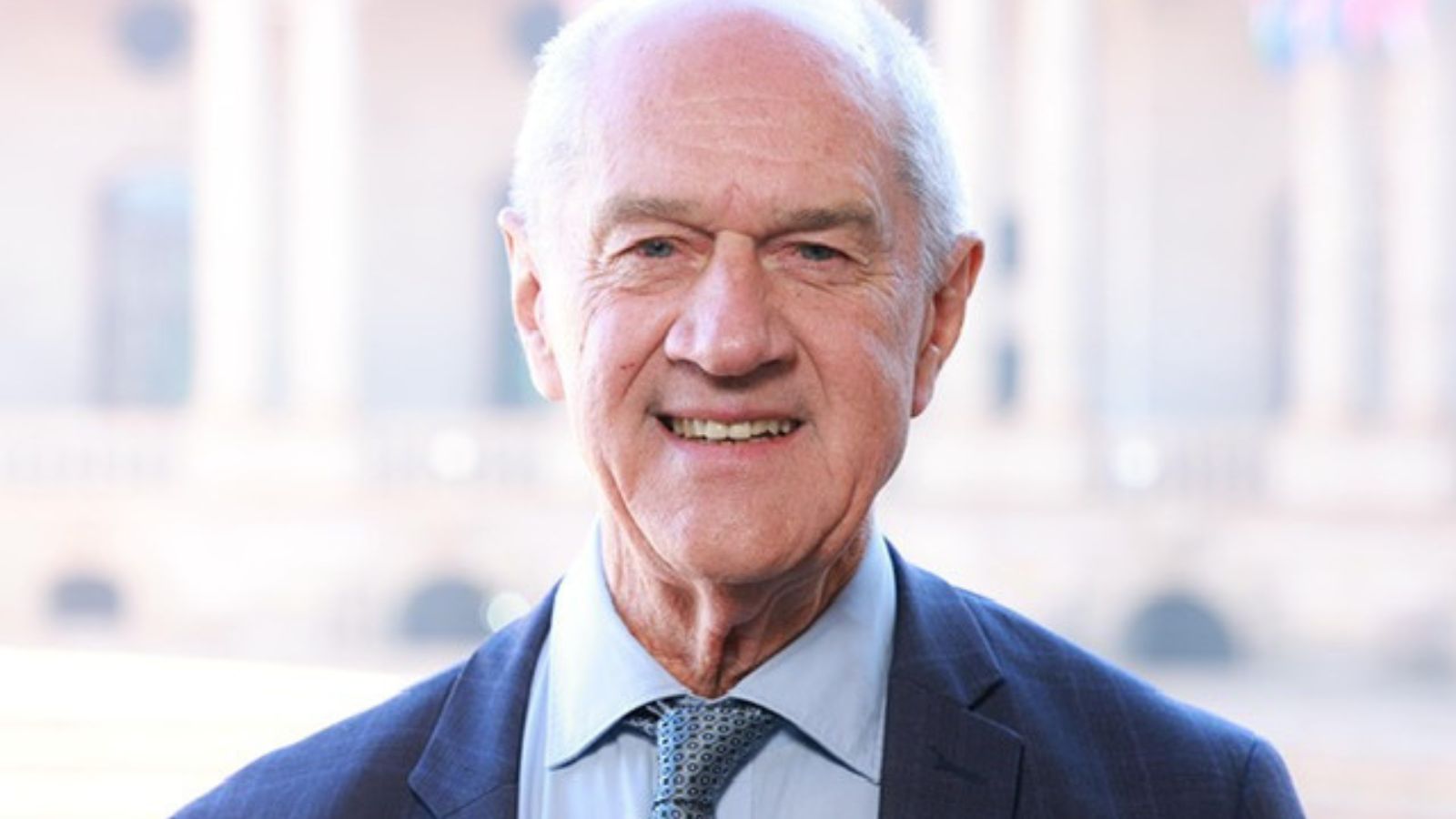
South African Ambassador to the United States, Roelf Meyer, expressed similar sentiments, particularly around the mixed messages being sent to Washington about local policies.
“We know there is a lot of misunderstanding and misrepresentation about South Africa’s case when it comes to our Constitutional framework and how we apply it,” he said.
Meyer said that one of the difficulties is that the means of communication have changed. In the past, there were very clear, formal diplomatic channels.
“Now, there’s no regulated channel. Everyone speaks for themselves, and that brings a lot of challenges.”
He said there is a lot of misrepresentation about South Africa’s policies.
“As if there is government-initiated violence taking place, so-called genocide and things like that – we all know it’s not true, but that is the narrative that is being broadcast by some,” he said.
“We have to address that and find ways to bring the real story across.”
Meyer said he is optimistic that the issues between the United States and South Africa can be resolved, as long as there is open communication.
“Troubles can be solved if people talk to each other. It often starts with talks about talks, then there’s a dialogue, and then there are negotiations,” he said.
“The bilateral relationship that is at the foundation of this relationship must be restored, and it can only be done through dialogue.”
However, the ambassador said it has to be done in a way that the parties accept each other as equal partners.
“One cannot prescribe over the other, because then it will definitely not lead to a solution to the problem,” he said.











 Loading ...