

National shutdown hitting South Africa this week


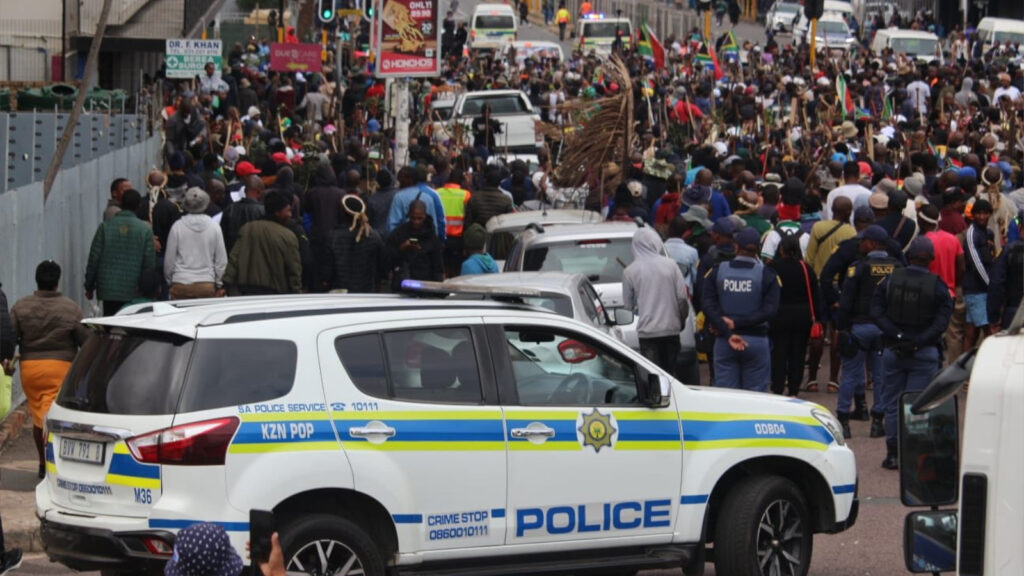
Protest group March and March is readying another national day of mass protest against illegal immigrants, mirroring the national shutdown organised for the end of June.
Following its June 30 protests, the group warned that it would launch another mass action after three months. That mass action is now set to take place on Wednesday, 30 September.
However, the group has also added the recent murders of 12 women to its growing list of calls to action, making the day also a “day of action” for all men in the country to march against gender-based violence (GBV).
“We call upon all South African men to take to the streets across the country to speak in one voice and claim our society back from criminals. We are part of the problem, and we must fix it,” the group said.
30 September is now a Men’s March against GBV and Crime, as well as the group’s next nationwide day of protest against illegal immigration.
It said that marches will take place in Pretoria, Joburg, Durban, Cape Town, and other major cities.
The new deadline, which is arbitrary and not supported by any official government channels, has reignited fears of xenophobic violence against foreign workers in South Africa.
Demonstrations against immigrants have been taking place on a near-weekly basis since the last 30 June protests, some of which have turned violent.
The South African Police Service previously noted that the latest deadline will not change their approach and that they will continue with normal policing operations.
The SAPS added that their focus remains on maintaining law and order and responding to incidents when they occur.
Ahead of the 30 June deadline, R600 million was allocated to peacekeeping operations on the day. Only R306 million had been spent.
While the mass disruptions expected on the day did not materialise, damage was done, lives were lost, and businesses were impacted.
Reports pointed to at least one fatality linked to the protests, over 900 arrests, and millions of rands in business losses—though largely restricted to the township economy.
President Cyril Ramaphosa calls for unity
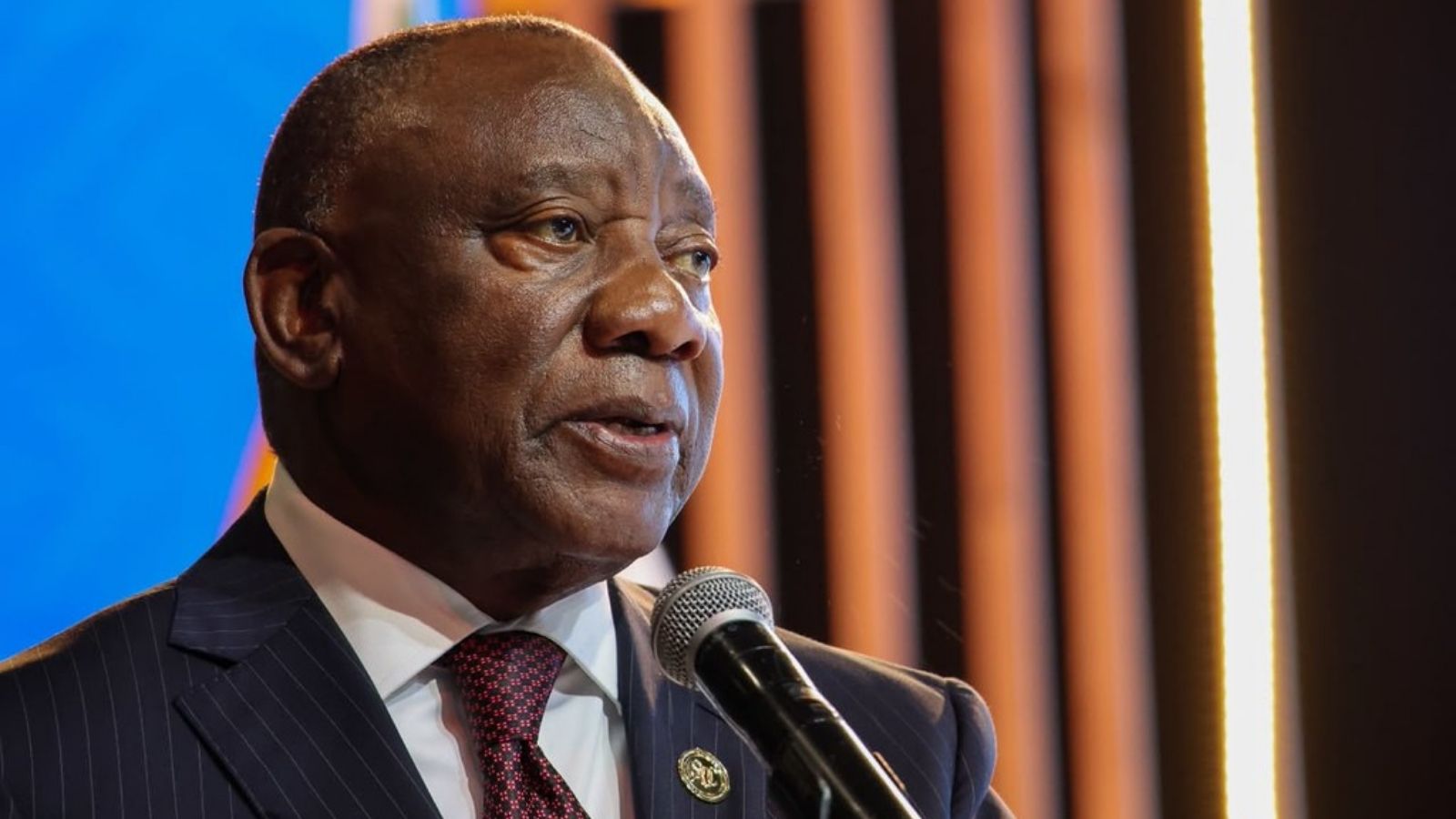
As protesters prepare to gather for another day of nationwide marches, President Cyril Ramaphosa has called for calm and unity.
In his weekly letter to the nation, the president addressed both the rising tensions against foreigners and the rise in GBV, demonstrated by the recent murders.
“We cannot allow violence against women to define who we are,” he said. “The abuse, rape and killing of women is a stain on our national conscience.”
“We cannot claim to be a society founded on freedom, equality and human dignity while half of our population lives in fear of violence,” he added.
Regarding the growing perception of South Africa’s unfriendliness to foreigners, the president said that the country refuses to be “defined by xenophobia and intolerance”.
“The people of Africa provided moral and material support to our liberation struggle and our democracy. Democratic South Africa remains committed to advancing the ideals of African unity and integration,” he said.
However, he stressed that migration must take place within the law.
“The government has a responsibility to manage our borders effectively, and everyone who lives in South Africa is required to respect our laws.”
March and March leader, Jacinta Ngobese-Zuma, has also pushed back against the marches being characterised as xenophobic.
She instead flipped the issue to other African countries.
Ngobese-Zuma maintained that South Africa “is falling apart” and lacks sufficient resources to care for everyone.
“We don’t have enough schools, hospitals and buildings, but we find ourselves having to carry the burden for all of Africa,” she said.
“Instead of terming the whole thing as xenophobia, it’s about time that (African leaders) have the real conversation, which is ‘why are our people flooding into South Africa?'”
Ngobese-Zuma said that after that conversation, other African countries should make a point of drawing their own people back to their homes.
“Then we can focus on building what we have here,” she said.

















 Loading ...